وصف المنتج
وصف المنتج
Belt conveyor is many industrial departments extensive needs logistic transportation machinery.
Sincethe belt conveyor many varieties, specifications wide, can apply to the chemical industry,
The light industry, food, food, building materials, telecommunications and many other department
Logistics conveyor requirements; Also can meet the wharf, yard, warehouse, workshop,
And other various lines conveying requirements. Belt conveyor based on tape, steel strips,
Steel fiber belt, plastic belt and chemical fiber zone as teleport material and traction workpieces
Conveyor machinery.
Its characteristic is bearing material of belt is transfer power of traction pieces,
This and other mechanical transmission have significant difference.
It is in continuous conveyor the most widely used a, and with the tape mainly.
Features
· Integral sheet metal forming, steel is strong and difficult to deformed;
· European-style design, reliable, durable and long life;
· Moving flexible, highly can adjust;
· Achieved with other planar converyor belts connected to use;
· Easy to install, adjust and operate.
Hot Product
نبذة عن الشركة
التعبئة والتغليف والشحن
التعليمات
Q: About your factory ?
A: Our engineers have 20 years of industry experience , committed to injection molding peripheral and refrigeration industry automatic integration of Equipment Research and development .
Q: About the product information and whether to support OEM ?
A:We accept OEM of this series of products , please contact me for more product data .
Q: About the warranty on the product ?
A: Our professional engineers communicate with video and offer an one-year warranty (due to product quality issues) .
Q: About time of delivery and mode of delivery ?
A: Delivery Period 10-20 days , support factory delivery and FOB .
Q: About the terms of payment ?
A:Delivery by 100% payment before departure , T / T , L / C , Western Union and other international payment methods .
/* 22 يناير 2571 19:08:37 */!function(){function s(e,r){var a,o={};try{e&&e.split(“,").forEach(function(e,t){e&&(a=e.match(/(.*?):(.*)$/))&&1
| مادة: | الفولاذ المقاوم للصدأ |
|---|---|
| ميزة: | Wear-Resistant |
| Tensile Strength: | Strong |
| الاستخدام: | سلسلة النقل |
| حزمة النقل: | Wooden Package |
| مواصفة: | XCB/1 |
| التخصيص: |
متاح
| طلب مخصص |
|---|

How do you calculate the chain pull force in a conveyor chain system?
The chain pull force, also known as the chain tension, is an important parameter to determine in a conveyor chain system. It represents the force required to move the conveyed load along the conveyor. The calculation of chain pull force involves several factors:
1. Weight of the Load: Determine the weight of the load being conveyed. This includes the weight of the product, packaging materials, and any additional equipment or components carried by the conveyor.
2. Friction Coefficients: Identify the friction coefficients between the load and the conveyor components. This includes the friction between the product and the conveyor chain, as well as the friction between the product and the conveyor bed or guides. These coefficients are typically provided by the manufacturer or can be obtained through testing.
3. Incline or Decline Angle: Consider the angle at which the conveyor operates. If the conveyor has an incline or decline, the angle will affect the force required to move the load.
4. Acceleration and Deceleration: Account for any acceleration or deceleration requirements in the conveyor system. If the conveyor needs to start or stop abruptly or if there are changes in speed, these factors will impact the chain pull force.
Once these factors are determined, the chain pull force can be calculated using the following formula:
Chain Pull Force = (Weight of Load + Friction Force) × (1 + Incline or Decline Factor) × (1 + Acceleration or Deceleration Factor)
It’s important to note that the accuracy of the calculation depends on the accuracy of the input values. Therefore, it’s recommended to consult the conveyor manufacturer or an engineering professional to ensure precise calculations and proper sizing of the conveyor chain.

ما هي فوائد استخدام سلسلة ناقلة ذات بكرات؟
توفر سلسلة النقل بالبكرات العديد من المزايا في تطبيقات مناولة ونقل المواد. إليك بعض هذه المزايا:
1. النقل الفعال: صُممت سلاسل النقل ذات البكرات لنقل مختلف أنواع البضائع والمواد بسلاسة وكفاءة. توفر البكرات حركة منخفضة الاحتكاك، مما يقلل الجهد المطلوب لتحريك الحمولة على طول الناقل.
٢. التنوع: تتميز سلاسل النقل بالبكرات بتعدد استخداماتها وقدرتها على نقل مجموعة واسعة من المنتجات، بدءًا من العناصر الصغيرة والخفيفة الوزن وصولًا إلى الأحمال الثقيلة والضخمة. وهي شائعة الاستخدام في قطاعات مثل التصنيع والتوزيع والخدمات اللوجستية والمستودعات.
3. المتانة: تُصنع سلاسل النقل الأسطوانية عادةً من مواد متينة كالفولاذ، مما يوفر لها متانة وعمرًا طويلًا. فهي قادرة على تحمل الأحمال الثقيلة والاستخدام المتكرر وبيئات العمل القاسية.
4. المرونة: يمكن تهيئة سلاسل النقل الأسطوانية بتصاميم متنوعة لتلبية متطلبات المساحة المختلفة وأنماط تدفق المواد. يمكن أن تكون مستقيمة أو منحنية أو مائلة أو منحدرة لتحسين تدفق البضائع داخل المنشأة.
٥. سهولة التجميع: تسمح سلاسل النقل ذات البكرات بتجميع المنتجات بكفاءة دون التسبب في تلفها أو تعطلها. يمكن تصميم البكرات بمسافات وتكوينات محددة لتمكين التحكم في تجميع وإطلاق العناصر على طول خط النقل.
٦. الحد الأدنى من الصيانة: مع الصيانة والتشحيم المناسبين، تتطلب سلاسل النقل ذات البكرات الحد الأدنى من الصيانة. يقلل تصميم السلسلة والبكرات من تراكم الحطام، مما يجعل تنظيفها وصيانتها أسهل.
7. تشغيل سلس وهادئ: يضمن استخدام البكرات في سلسلة النقل تشغيلًا سلسًا وهادئًا، مما يقلل من مستويات الضوضاء في مكان العمل. وهذا يخلق بيئة عمل أكثر راحة وإنتاجية.
8. تعزيز السلامة: صُممت سلاسل النقل الأسطوانية مع مراعاة السلامة. ويمكن تزويدها بميزات أمان متنوعة مثل الحواجز وأجهزة الاستشعار وآليات التوقف الطارئ لضمان سلامة المشغلين ومنع الحوادث.
باستخدام سلسلة ناقلة ذات بكرات، يمكن للشركات الاستفادة من تحسين الكفاءة، وزيادة المتانة، والمرونة في مناولة المواد، وتعزيز السلامة في عملياتها.
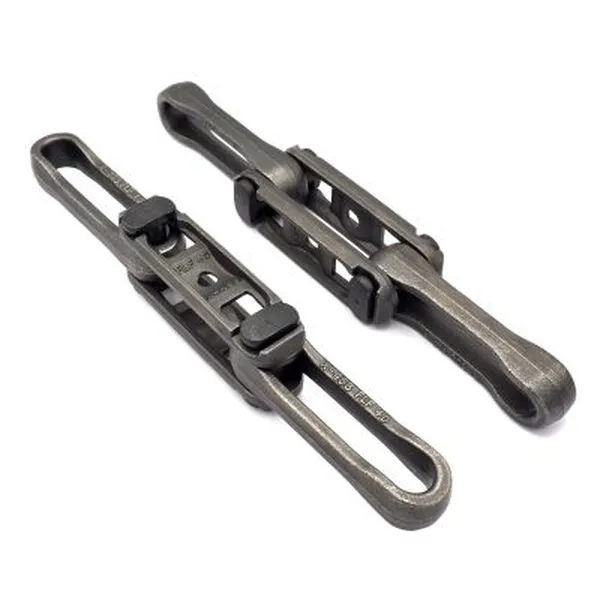
What are the environmental considerations when using a conveyor chain?
When using a conveyor chain, there are several environmental considerations to take into account:
1. Temperature and Humidity: Conveyor chains may be exposed to different temperature and humidity levels depending on the application and operating environment. Extreme temperatures or high humidity can affect the performance and lifespan of the chain. It is important to select a chain material and lubrication that can withstand the specific environmental conditions.
2. Contamination and Cleanliness: The presence of dust, dirt, debris, or other contaminants can impact the operation and efficiency of the conveyor chain. Regular cleaning and maintenance should be performed to prevent build-up and ensure smooth chain movement.
3. Chemical Exposure: Conveyor chains used in industries such as chemical processing or food production may come into contact with corrosive chemicals or cleaning agents. It is crucial to choose a chain material that is resistant to chemical corrosion and select appropriate lubricants compatible with the chemicals present in the environment.
4. Noise and Vibration: Conveyor systems can generate noise and vibration during operation, which may have environmental implications. Noise reduction measures, such as using noise-dampening materials or implementing vibration isolation techniques, can help minimize the impact on the surrounding environment and comply with noise regulations.
5. Energy Efficiency: Consideration should be given to energy consumption and efficiency when using a conveyor chain. Optimize the system design, minimize friction losses, and utilize energy-efficient components to reduce the environmental impact and operational costs.
6. Sustainability: Increasingly, sustainability is an important consideration in industrial operations. Choosing conveyor chains made from recyclable or renewable materials, implementing energy-saving measures, and practicing responsible waste management can contribute to a more environmentally friendly operation.
By taking these environmental considerations into account, industries can ensure the proper functioning of conveyor chains while minimizing environmental impact and complying with relevant regulations.


editor by CX 2024-04-12