
Produktbeschreibung
Produktbeschreibung
The drop forged chains made of heat treated high grade alloy steel.
1) X348,X458,X678,H698,9118,P1
| Material: | 40cr, 20mncr5, 20cr Mn Ti, 42CrMo4 SCR440 |
|---|---|
| Struktur: | Schmieden |
| Oberflächenbehandlung: | Shot Blasting |
| Kettengröße: | P:170mm |
| Besonderheit: | Heat Resistant, Forging |
| Weight: | 2.6kg |
| Proben: |
US$ 50/Meter
1 Meter (Mindestbestellmenge) | |
|---|
| Anpassung: |
Verfügbar
| Kundenspezifische Anfrage |
|---|
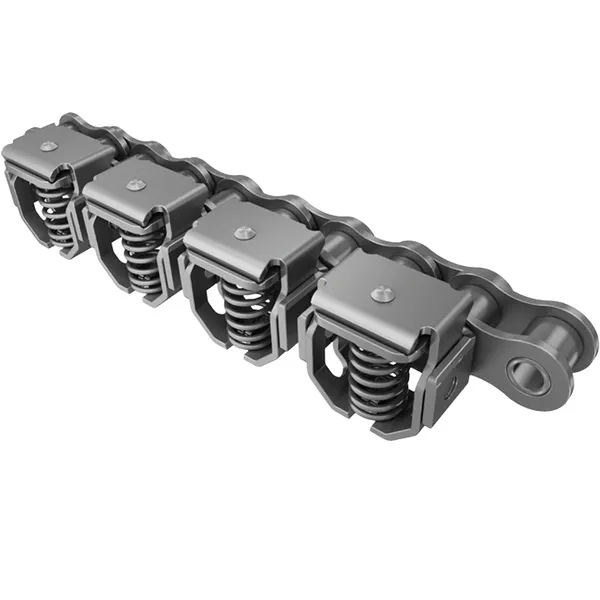
What are the benefits of using an overhead conveyor chain system?
Using an overhead conveyor chain system offers several benefits in various industrial applications. Here are some key advantages:
1. Space Optimization:
– Overhead conveyor chain systems utilize the vertical space, allowing efficient utilization of floor space. This is especially beneficial in facilities with limited floor area, as it enables efficient material handling and production flow without obstructing the work area.
2. Flexibility and Versatility:
– Overhead conveyor chains offer flexibility in routing and can be customized to fit the specific layout requirements of the facility. They can traverse different areas, including assembly lines, paint booths, storage areas, and more. The versatility of overhead systems allows for efficient and adaptable material movement.
3. Improved Safety:
– Overhead conveyor chains minimize ground-level obstructions, reducing the risk of tripping hazards and accidents. Operators and workers can safely navigate the work area without interference from the conveyor system.
4. Produktschutz:
– Overhead conveyor chains provide better protection for the products being transported. By keeping the products elevated and away from potential hazards on the floor, such as dust, debris, or spills, the risk of product damage or contamination is reduced.
5. Increased Efficiency:
– Overhead conveyor systems can enhance production efficiency by facilitating continuous material flow and reducing manual handling. They enable automated loading and unloading of materials, leading to faster processing times and improved overall productivity.
6. Easy Maintenance:
– Overhead conveyor chains are typically designed for easy maintenance. Components such as chains, trolleys, and drives can be accessed and serviced conveniently, minimizing downtime and maintenance costs.
7. Customization and Integration:
– Overhead conveyor chains can be tailored to meet specific application requirements, including load capacity, speed, and control systems. They can also be integrated with other automated systems, such as robotic workstations or sorting mechanisms, to further optimize the material handling process.
Overall, using an overhead conveyor chain system provides efficient material handling, maximizes space utilization, enhances safety, and improves productivity in industrial environments.
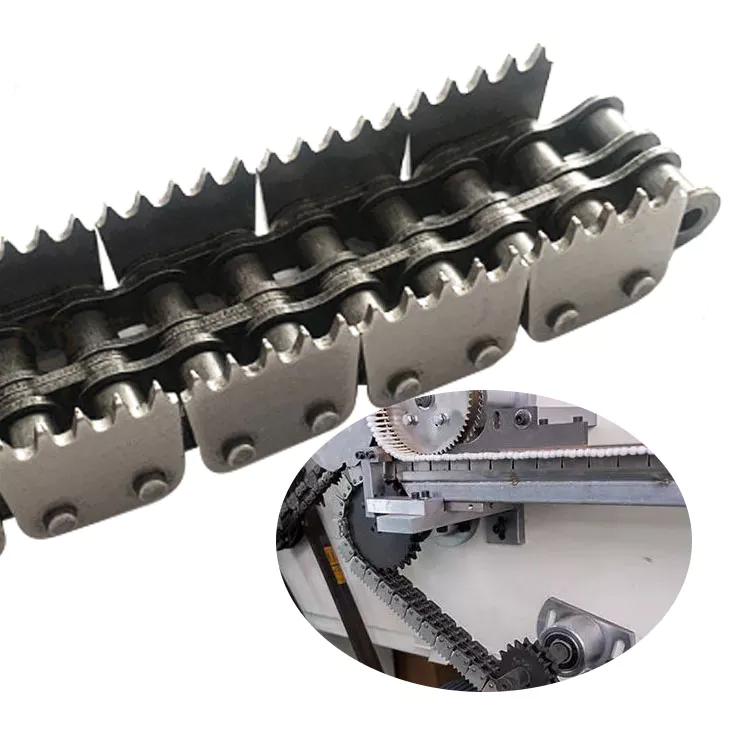
How do you select the appropriate lubricant for a conveyor chain?
Selecting the right lubricant is crucial for maintaining the performance and longevity of a conveyor chain. Here are the key factors to consider when choosing a lubricant:
1. Chain Type and Material: Different conveyor chains may have specific requirements for lubrication based on their construction materials and design. Consult the manufacturer’s recommendations or specifications to determine the lubricant compatibility.
2. Operating Conditions: Consider the operating environment, such as temperature, humidity, and presence of contaminants. For high-temperature applications, choose a lubricant with a higher temperature tolerance. In wet or dusty environments, opt for lubricants that offer excellent resistance to water washout and provide effective protection against contaminants.
3. Load and Speed: Evaluate the load capacity and speed of the conveyor chain. Higher loads and speeds may require lubricants with better film strength and anti-wear properties to reduce friction and prevent premature wear.
4. Lubrication Method: Determine the lubrication method that will be used for the conveyor chain. Lubricants can be applied through drip systems, brushes, spray nozzles, or automatic lubrication systems. Consider the viscosity and consistency of the lubricant to ensure proper application and distribution.
5. Food-Grade Requirements: In food processing or pharmaceutical applications, where direct contact with the product may occur, it’s essential to use food-grade lubricants that meet industry regulations and requirements for safety and hygiene.
6. Maintenance Schedule: Consider the desired maintenance intervals and the lubricant’s longevity. Some lubricants may require more frequent reapplication, while others provide longer-lasting lubrication.
7. Compatibility with Other Materials: Take into account the compatibility of the lubricant with other materials in the conveyor system, such as seals, gaskets, and paints. Ensure that the lubricant does not cause any adverse effects on these components.
It is recommended to consult with lubricant manufacturers or industry experts to select the most suitable lubricant for your specific conveyor chain application. They can provide guidance based on their expertise and knowledge of lubricant formulations and performance characteristics.
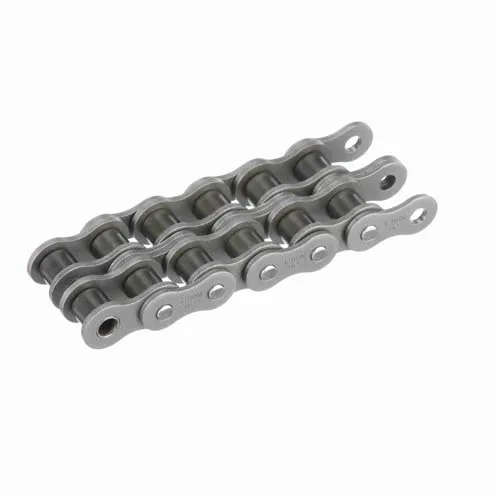
Welche Sicherheitsvorkehrungen sollten beim Umgang mit Förderketten beachtet werden?
Die Arbeit mit Förderketten birgt potenzielle Gefahren. Daher ist es unerlässlich, die entsprechenden Sicherheitsvorkehrungen zu treffen, um die Sicherheit der Arbeiter zu gewährleisten und Unfälle zu vermeiden. Im Folgenden sind einige wichtige Sicherheitsmaßnahmen aufgeführt:
- Richtiges Training: Stellen Sie sicher, dass die Arbeiter, die Förderketten bedienen oder warten, eine angemessene Schulung in sicheren Arbeitspraktiken erhalten, einschließlich Kettenhandhabung, Wartungsverfahren und Notfallprotokollen.
- Persönliche Schutzausrüstung (PSA): Die Arbeiter sollten geeignete persönliche Schutzausrüstung (PSA) tragen, wie z. B. Schutzbrillen, Handschuhe und Sicherheitsschuhe mit Stahlkappen, um sich vor potenziellen Gefahren wie umherfliegenden Trümmern, Quetschstellen oder Verheddern zu schützen.
- Sperren/Kennzeichnen: Vor der Durchführung von Wartungs- oder Reparaturarbeiten an Förderketten müssen die Sperr- und Kennzeichnungsverfahren befolgt werden, um die Anlage zu isolieren und stromlos zu machen und so ein versehentliches Anlaufen oder Freisetzen gespeicherter Energie zu verhindern.
- Bewachung: Stellen Sie sicher, dass Förderketten ausreichend geschützt sind, um den Zugang zu beweglichen Teilen wie Quetschstellen und rotierenden Kettenrädern zu verhindern. Die Schutzvorrichtungen müssen fest angebracht sein und dürfen den Betrieb der Kette nicht beeinträchtigen.
- Hauswirtschaft: Halten Sie den Arbeitsbereich sauber und frei von Abfällen, Werkzeugen oder anderen Gegenständen, die Stolperfallen darstellen oder den Betrieb der Förderkette beeinträchtigen könnten.
- Regelmäßige Inspektionen: Überprüfen Sie die Förderketten regelmäßig auf Verschleiß, Beschädigungen oder Fehlausrichtung. Beheben Sie etwaige Probleme umgehend, um potenzielle Sicherheitsrisiken zu vermeiden.
- Sicheres Be- und Entladen: Beim Be- und Entladen von Materialien auf das Förderband sind sichere Hebetechniken anzuwenden und eine gleichmäßige Lastverteilung sicherzustellen, um Überlastung oder Ungleichgewicht zu vermeiden.
- Not-Aus-Geräte: Installieren Sie Not-Aus-Vorrichtungen entlang der Förderanlage und kennzeichnen Sie diese deutlich, um im Notfall oder bei Gefahrensituationen ein sofortiges Abschalten zu ermöglichen.
- Klare Kommunikation: Legen Sie klare Kommunikationsprotokolle fest, einschließlich Signalen oder Zeichen, um eine effektive Kommunikation zwischen den Arbeitern zu gewährleisten, die an verschiedenen Abschnitten der Förderanlage arbeiten.
Diese Sicherheitsvorkehrungen sind allgemeine Richtlinien. Es ist wichtig, die spezifischen Sicherheitsvorschriften und -richtlinien des Geräteherstellers und der zuständigen Sicherheitsbehörden zu beachten und einzuhalten. Regelmäßige Sicherheitsschulungen, Sensibilisierung für Sicherheitsrisiken und eine proaktive Sicherheitskultur sind entscheidend für ein sicheres Arbeitsumfeld beim Umgang mit Förderketten.


editor by CX 2023-10-09