Descrizione del prodotto
About Factory
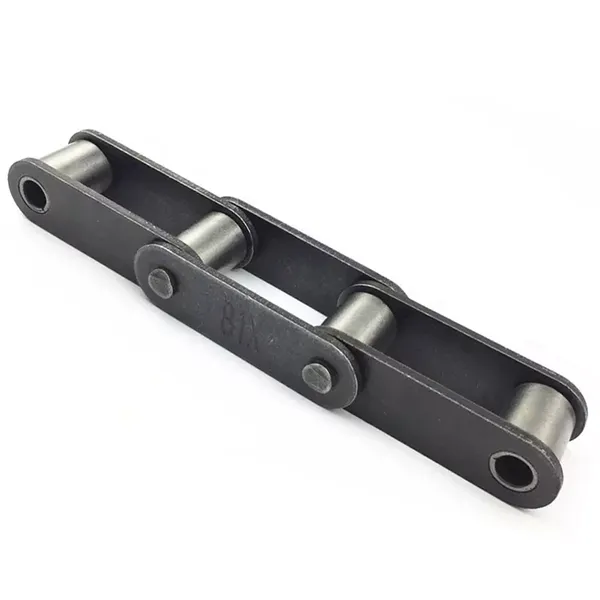
With more than 18 years’ histiory, we are a professinal manufacturer for drop forged products such as forged chain (X348 X458 X658 X678 X698 F100 F160), scraper chain (10160, 14218, 14226, 142N), conveyor trolley (X348, X458, X678, XT160), and drive chain (X348, X458, X678), and so forth standard moulds of chain.
Besides, we can also produce as per your drawing or sample, special link chain, pusher, pin and plate, according to customers’ unique requirements.
Descrizione del prodotto
1) Material: Alloy steel, 40Cr, 42CrMo and so on.
2) Types: X348 X458 X658 X678 X698 F100 F160, and so on. (Or as per your drawing)
3) Process: Moulding→Forging→Polishing & Blasting→Fine machining→Heat treatment→Blasting→Inspecting & testing→Packing
Technical Data
Products & Testing Equipments
Products Application
Packing & Delivery
Why Choose Us?
1. We are engaged in chain industry over 15 years with rich market experience. We keep improving production techniques. All the products have longer working life and have passed the market test.
2. We can design the correct chains with high quality material, good abrasion resistance, good corrosion, high strengthen and etc as per your request or the chain application.
3. We are the chain manufacturer; you can directly purchase the product from us with low price and high quality.
4. We have a professional team for international trade, they have abundant experiences and are always ready to solve problems for customers. So you have nothing to worry about.
5. We have the long-term cooperative forwarder who can give us the lowest freight. And it can help you to save the freight. What’s more, for the FCL, we will design the packages as per the container sizes with the largest capacity to save the shipping cost for both of us.
| Materiale: | Alloy |
|---|---|
| Struttura: | Combined Chain |
| Trattamento superficiale: | Lucidatura |
| Dimensioni della catena: | 1/2"*11/128" |
| Caratteristica: | Resistente al fuoco, resistente all'olio, resistente al calore |
| Certificato: | SGS and ISO Standard |
| Esempi: |
US$ 0/Pezzo
1 pezzo (ordine minimo) | |
|---|
| Personalizzazione: |
Disponibile
| Richiesta personalizzata |
|---|
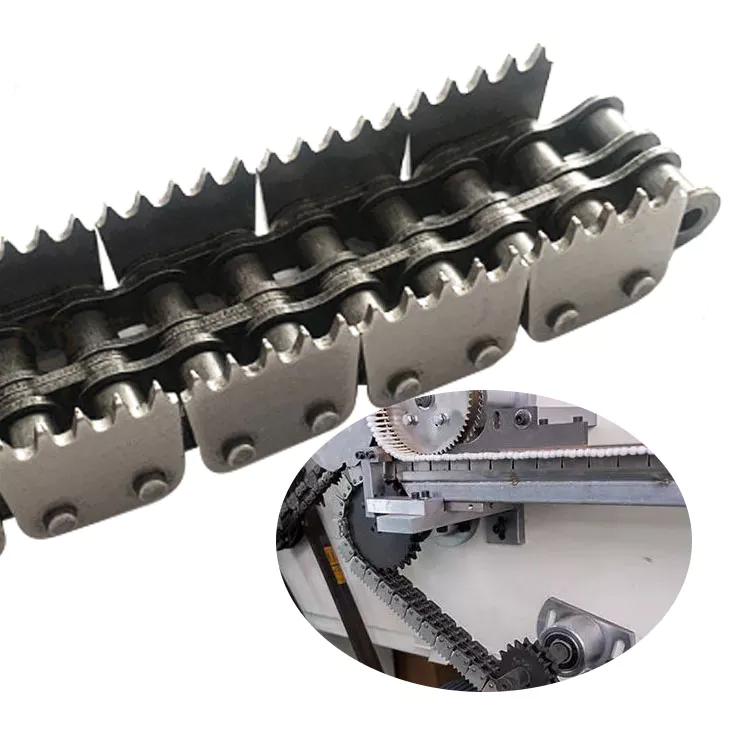
What are the benefits of using a silent conveyor chain?
A silent conveyor chain, also known as a noise-reducing conveyor chain, offers several advantages in conveyor system applications:
1. Noise Reduction:
– One of the primary benefits of using a silent conveyor chain is the significant reduction in noise levels. These chains are specifically designed to minimize the noise generated during operation, creating a quieter and more comfortable working environment.
2. Improved Work Environment:
– By reducing noise levels, a silent conveyor chain contributes to a better work environment, particularly in settings where noise reduction is important, such as manufacturing facilities, warehouses, and distribution centers. It helps reduce employee fatigue, enhances communication, and improves overall worker satisfaction.
3. Compliance with Noise Regulations:
– In some industries or regions, there are specific noise regulations that must be met. Using a silent conveyor chain helps ensure compliance with these regulations, avoiding potential penalties and legal issues.
4. Increased Productivity:
– A quieter working environment created by a silent conveyor chain can lead to increased productivity. With reduced noise distractions, employees can focus better on their tasks, resulting in improved efficiency and output.
5. Extended Chain and Equipment Life:
– Silent conveyor chains are often designed with advanced materials and technologies that offer enhanced wear resistance and durability. They can withstand heavy loads, reduce friction, and minimize wear and tear on both the chain and the associated equipment, resulting in longer service life and reduced maintenance costs.
6. Versatility:
– Silent conveyor chains are available in various configurations and designs, making them compatible with a wide range of conveyor systems and applications. They can be used in different industries, including automotive, food processing, packaging, and more.
When considering a silent conveyor chain, it is important to consult with a reputable chain manufacturer or supplier to ensure the chain meets the specific requirements of the application.
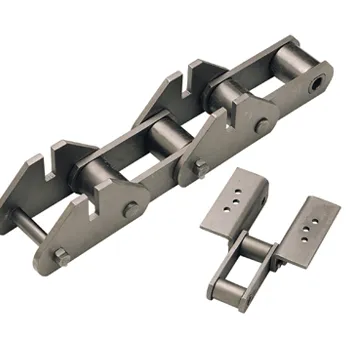
How does a conveyor chain impact material flow in a production line?
A conveyor chain plays a crucial role in facilitating the smooth and efficient flow of materials in a production line. Here are the key ways in which a conveyor chain impacts material flow:
1. Continuous Movement: A conveyor chain enables continuous movement of materials along the production line. By securely holding and transporting the materials, the chain ensures a consistent flow without interruptions or delays.
2. Speed Control: The speed at which the conveyor chain moves can be adjusted to match the desired production rate. This allows for precise control over the material flow, ensuring that it aligns with the downstream processes and avoids bottlenecks or overloading.
3. Orientation and Positioning: Conveyor chains can be designed with specific attachments or fixtures to orient and position materials in a desired manner. This ensures that the materials are presented correctly for processing, assembly, or packaging, optimizing the overall production flow.
4. Sorting and Diverging: In certain applications, conveyor chains can be equipped with mechanisms for sorting or diverging materials based on predetermined criteria. This allows for efficient routing of different products or components to their respective destinations, streamlining the material flow.
5. Accumulation and Buffering: Conveyor chains can incorporate accumulation zones or buffering areas where materials can temporarily pause or accumulate. This feature is useful when downstream processes experience temporary disruptions or when there is a need to balance the flow between different production stages.
6. Integration with Equipment: Conveyor chains can be integrated with other equipment or machines in the production line, such as robotic arms, automated packaging systems, or inspection stations. This seamless integration enables synchronized material handling, optimizing the flow and efficiency of the entire production process.
7. Customization for Specific Needs: Conveyor chains can be customized to meet specific material handling requirements. This includes considerations such as chain width, length, height adjustments, inclines or declines, and specialized attachments or guides. Such customization ensures that the material flow is tailored to the unique needs of the production line.
By providing a reliable and controlled method of transporting materials, a conveyor chain significantly influences the material flow in a production line. It enhances productivity, reduces manual handling, minimizes the risk of errors or damage, and ultimately contributes to the overall efficiency and success of the manufacturing process.
Quali settori industriali utilizzano comunemente le catene di trasporto?
Le catene trasportatrici sono ampiamente utilizzate in diversi settori industriali per la movimentazione e il trasporto efficiente dei materiali. Ecco alcuni dei settori che comunemente utilizzano le catene trasportatrici:
- Produzione: Le catene di trasporto sono ampiamente utilizzate nelle industrie manifatturiere come quella automobilistica, elettronica, degli elettrodomestici e dei macchinari. Facilitano lo spostamento di componenti, parti e prodotti finiti lungo le linee di assemblaggio.
- Cibo e bevande: L'industria alimentare e delle bevande si affida in larga misura alle catene di trasporto per movimentare e lavorare i prodotti alimentari, comprese le fasi di confezionamento, selezione e distribuzione. Le catene di trasporto in questo settore spesso presentano requisiti specifici, come la progettazione igienica e la resistenza ai contaminanti.
- Logistica e magazzinaggio: Le catene di trasporto sono parte integrante delle operazioni logistiche e di magazzinaggio per la movimentazione efficiente delle merci, comprese le fasi di smistamento, carico, scarico e distribuzione. Sono comunemente utilizzate nei centri di distribuzione, negli aeroporti e negli uffici postali.
- Attività minerarie e di estrazione: Le catene di trasporto svolgono un ruolo cruciale nelle operazioni di estrazione mineraria e di cava, trasportando materiali sfusi come carbone, minerali, ghiaia e aggregati. Sono progettate per resistere a carichi pesanti e ambienti difficili.
- Agricoltura: Nel settore agricolo, le catene di trasporto vengono utilizzate per la movimentazione di colture, cereali, sementi e mangimi per animali. Sono impiegate negli impianti di trasformazione, nei silos per cereali e negli stabilimenti di produzione di mangimi per animali.
- Settore automobilistico: Nell'industria automobilistica, le catene di trasporto sono ampiamente utilizzate negli impianti di assemblaggio per movimentare componenti, telai, motori e altre parti dei veicoli durante l'intero processo produttivo.
- Settore farmaceutico e sanitario: Le catene di trasporto vengono utilizzate negli impianti farmaceutici e sanitari per il movimento automatizzato di forniture mediche, prodotti farmaceutici e campioni di laboratorio.
- Chimica e petrolchimica: Le catene di trasporto sono impiegate nell'industria chimica e petrolchimica per la movimentazione di materiali pericolosi, prodotti chimici sfusi e materie prime durante le fasi di produzione e stoccaggio.
- Materiali da costruzione: Le catene di trasporto vengono utilizzate nei cantieri edili e negli impianti di produzione di materiali da costruzione per trasportare materiali come cemento, mattoni, aggregati e materiali per coperture.
Questi sono solo alcuni esempi, e le catene di trasporto sono utilizzate anche in molti altri settori in cui una movimentazione e un trasporto efficienti dei materiali sono essenziali per i processi di produzione e distribuzione.


editor by CX 2023-07-26