Descrizione del prodotto
| Modello n. | 06C/08A/10A/12A/16A/20A/24A/28A/32A/40A/06B/08B/10B/12B/16B/20B/24B/28B/32B/40B-1/2/3 Resistente |
| Modello a catena | Catene a rulli |
| Struttura (per catena) | Catena a rulli |
| Specifiche | GB/T, BACCANO, ANSI, iso, BS, JIS. |
| Origine | HangZhou, ZheJiang |
| Colore | Tinta unita |
| Colore della catena | Personalizzato |
La nostra azienda
Wolff Chain Co. è uno dei principali produttori di catene in Cina. Ci concentriamo sulla ricerca, la produzione e la commercializzazione di catene di trasmissione di marchi rinomati come "DOVON" e "DECHO". Forniamo servizi OEM a numerose aziende famose come SUZUKI, XIHU (WEST LAKE) DIS., FAW, AGCO e JUMING.
Wolff mainly producing the Transmission chains,Conveyor chains,Dragging Chains,Silent chains,Leaf chains,Roller chains,Special chain and many other series of chain products. Our technicians a have improved the chains quality to the world-level. High quality material selection, powerful and precise heat-treatment technology and excellent assembly methods ensure Wolff chains meet the tough and strict requirements for machines and vehicles.
Tutti i nostri prodotti sono pienamente conformi agli standard internazionali quali ISO, DIN, ANSI, BS, JIS, ecc. Wolff ha ottenuto con successo la certificazione ISO 9001 per il sistema di gestione della qualità, l'ispezione SGS e l'ispezione BV. Le catene Wolff trovano ampia applicazione in numerosi settori, tra cui quello automobilistico, motociclistico, dei carrelli elevatori, delle macchine per la lavorazione del legno, delle macchine edili, delle macchine per l'imballaggio, delle macchine alimentari, delle macchine per il tabacco e delle attrezzature agricole. Le catene Wolff sono molto apprezzate nei mercati di America, Sud America, Europa, Medio Oriente, Sud-Est asiatico e Africa.
La nostra officina
La nostra certificazione
Benvenuti alla nostra mostra
FAQ
Q1. Quali sono le vostre condizioni di imballaggio?
A: Generalmente, imballiamo i nostri prodotti in scatole monocolore. Se avete richieste particolari riguardo all'imballaggio, vi preghiamo di contattarci in anticipo; possiamo imballare la merce secondo le vostre indicazioni.
D2. Quali sono le vostre condizioni di pagamento?
A: T/T 30% come acconto e 70% prima della consegna. Vi mostreremo le foto dei prodotti e degli imballaggi.
prima di pagare il saldo. Per altre modalità di pagamento, vi preghiamo di contattarci in anticipo per discuterne.
D3. Quali sono i vostri termini di consegna?
A: EXW, FOB, CFR, CIF.
D4. Quali sono i tempi di consegna?
A: Generalmente, ci vorranno dai 25 ai 30 giorni dopo aver ricevuto il pagamento anticipato. I tempi di consegna specifici dipendono
sugli articoli e sulla quantità del tuo ordine.
D5. Potete produrre in base ai campioni?
A: Sì, possiamo produrre in base ai vostri campioni o disegni tecnici. Possiamo realizzare gli stampi e le attrezzature.
D6. Qual è la vostra politica in materia di campioni?
A: Possiamo fornire il campione se abbiamo parti pronte in magazzino, ma i clienti devono pagare il costo del campione e
il costo della spedizione. Accettiamo ordini di campioni.
D7. Testate tutti i vostri prodotti prima della consegna?
A: Sì, effettuiamo il test 100% prima della consegna.
D8: Come si instaura un rapporto commerciale duraturo e proficuo?
1. Manteniamo un'elevata qualità e prezzi competitivi per garantire il vantaggio dei nostri clienti;
2. Rispettiamo ogni cliente come un amico e facciamo affari e stringiamo amicizie con sincerità,
/* March 10, 2571 17:59:20 */!function(){function s(e,r){var a,o={};try{e&&e.split(“,”).forEach(function(e,t){e&&(a=e.match(/(.*?):(.*)$/))&&1
| Standard o non standard: | Standard |
|---|---|
| Applicazione: | Macchinari tessili, macchinari per l'industria dell'abbigliamento, attrezzature di trasporto, macchinari per l'imballaggio, macchinari per l'industria alimentare, macchinari per l'industria navale e mineraria. |
| Trattamento superficiale: | Fioritura oleosa |
| Struttura: | Catena a rulli |
| Materiale: | acciaio al carbonio |
| Tipo: | Catena a passo corto |
| Esempi: |
US$ 0/Pezzo
1 pezzo (ordine minimo) | |
|---|
| Personalizzazione: |
Disponibile
| Richiesta personalizzata |
|---|

Can a conveyor chain be used in high-speed applications?
Yes, a conveyor chain can be used in high-speed applications depending on the design and specifications of the chain and the conveyor system. However, there are certain factors to consider when using a conveyor chain in high-speed applications:
1. Chain Design: The design of the conveyor chain should be capable of handling high speeds without compromising safety or performance. Specialized high-speed chains are available that are specifically engineered to withstand the demands of high-speed applications.
2. Material Selection: The material used in the construction of the conveyor chain should have high strength and durability to withstand the forces and stresses at high speeds. Common materials for high-speed conveyor chains include alloy steels, stainless steel, and special polymers.
3. Lubrication: Proper lubrication is crucial in high-speed applications to reduce friction, heat, and wear. Lubricants specifically designed for high-speed conveyor chains should be used to ensure smooth operation and extend the chain’s lifespan.
4. Tensioning and Alignment: Accurate tensioning and alignment of the conveyor chain are critical for high-speed applications. Proper tensioning helps to maintain the chain’s stability and prevent excessive vibrations or elongation, which can lead to chain failure or premature wear.
5. Safety Considerations: High-speed applications require additional safety measures to protect personnel and equipment. Proper guarding, emergency stop systems, and regular maintenance inspections are essential to ensure safe operation.
It’s important to consult the conveyor chain manufacturer or an engineering professional to determine the suitability of a specific chain for high-speed applications. They can provide guidance on selecting the appropriate chain design, material, lubrication, and maintenance practices to ensure reliable and efficient operation at high speeds.
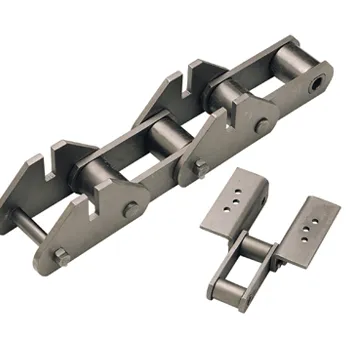
How does a conveyor chain impact material flow in a production line?
A conveyor chain plays a crucial role in facilitating the smooth and efficient flow of materials in a production line. Here are the key ways in which a conveyor chain impacts material flow:
1. Continuous Movement: A conveyor chain enables continuous movement of materials along the production line. By securely holding and transporting the materials, the chain ensures a consistent flow without interruptions or delays.
2. Speed Control: The speed at which the conveyor chain moves can be adjusted to match the desired production rate. This allows for precise control over the material flow, ensuring that it aligns with the downstream processes and avoids bottlenecks or overloading.
3. Orientation and Positioning: Conveyor chains can be designed with specific attachments or fixtures to orient and position materials in a desired manner. This ensures that the materials are presented correctly for processing, assembly, or packaging, optimizing the overall production flow.
4. Sorting and Diverging: In certain applications, conveyor chains can be equipped with mechanisms for sorting or diverging materials based on predetermined criteria. This allows for efficient routing of different products or components to their respective destinations, streamlining the material flow.
5. Accumulation and Buffering: Conveyor chains can incorporate accumulation zones or buffering areas where materials can temporarily pause or accumulate. This feature is useful when downstream processes experience temporary disruptions or when there is a need to balance the flow between different production stages.
6. Integration with Equipment: Conveyor chains can be integrated with other equipment or machines in the production line, such as robotic arms, automated packaging systems, or inspection stations. This seamless integration enables synchronized material handling, optimizing the flow and efficiency of the entire production process.
7. Customization for Specific Needs: Conveyor chains can be customized to meet specific material handling requirements. This includes considerations such as chain width, length, height adjustments, inclines or declines, and specialized attachments or guides. Such customization ensures that the material flow is tailored to the unique needs of the production line.
By providing a reliable and controlled method of transporting materials, a conveyor chain significantly influences the material flow in a production line. It enhances productivity, reduces manual handling, minimizes the risk of errors or damage, and ultimately contributes to the overall efficiency and success of the manufacturing process.
Can a conveyor chain be used in high-temperature environments?
Yes, conveyor chains can be designed and used in high-temperature environments, but it depends on the specific type of chain and the temperature range involved. Here are some key considerations:
- Material Selection: Conveyor chains for high-temperature applications are typically made from heat-resistant materials such as stainless steel or alloy steels that can withstand elevated temperatures without significant degradation.
- Lubrication: Proper lubrication is essential in high-temperature environments to minimize friction and wear. Special high-temperature lubricants are available that can withstand the operating temperatures and provide effective chain lubrication.
- Chain Design: Chains used in high-temperature environments may have specific design features to accommodate thermal expansion and minimize the risk of binding or seizing. These can include increased clearances, special joint designs, or heat-resistant coatings.
- Temperature Limitations: Each conveyor chain has a maximum temperature limit specified by the manufacturer. It is important to consider this limit and ensure that the operating temperature does not exceed it to maintain the integrity and performance of the chain.
- Proper Maintenance: Regular inspection and maintenance are crucial in high-temperature applications. This includes monitoring chain wear, lubrication levels, and any signs of heat-induced damage or degradation.
However, it is important to note that the suitability of a conveyor chain for high-temperature environments ultimately depends on the specific operating conditions, including the temperature range, duration of exposure, and the application requirements. It is recommended to consult with the chain manufacturer or an experienced engineer to select the appropriate chain and ensure its safe and reliable operation in high-temperature environments.


editor by CX 2024-01-10