Descrizione del prodotto
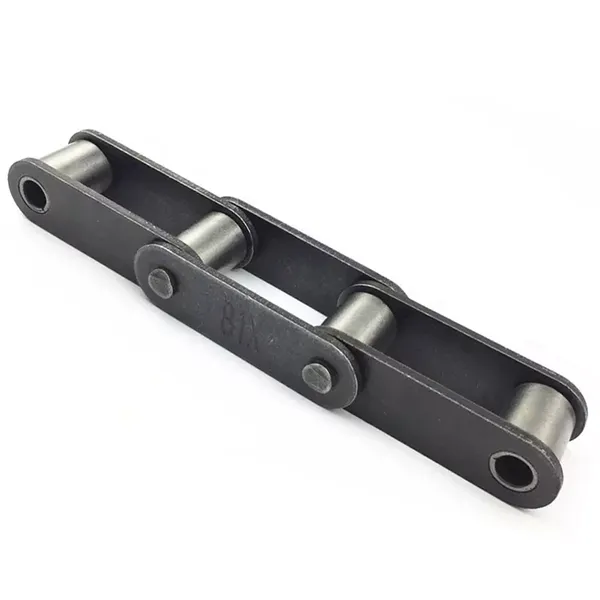
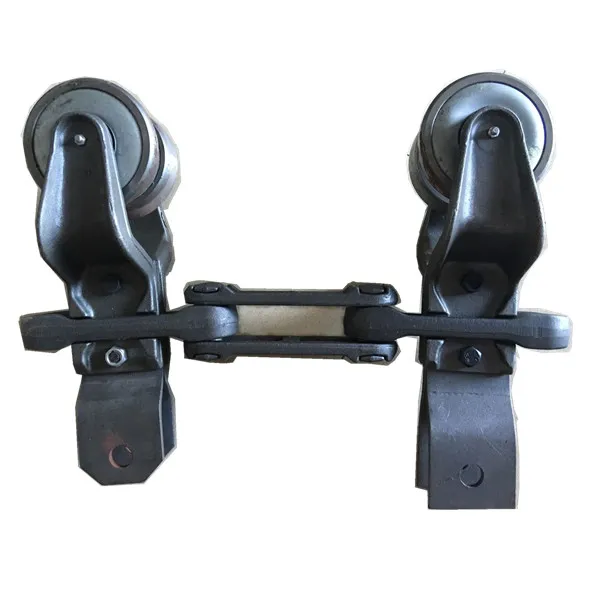
Professional Powder Coating Production Line Plant Automatic Spray Painting Line XT Forged Overhead Conveyor Chain For Painting Line Steel Beams Shot
We can supply painting line chain
Our drop forged rivetless chain such as X348, X458, X468, X678, X698, F100, F160 and so on
Our products are most competitive and are of high quality. Our trolley are also most competitive in world market.
We are also supplier of detachable chain: 25, 32, 32W, 45, 51, 52, 55, 62 chain and so on. Which is used widely on agricultural machine. Please feel free to contact with us and our goods are most competitive in your market.
Our Drop Forged Chain and trolley can be used widely in aggregate, amusement park rides, asphalt paving, automotive industry, bakery ovens, bottling, bucket elevators, car dumper, car wash, case conveyors, cement plants, citrus processing, clean grain and return elevators, coal preparation, construction equipment, conveyors, cotton tramper, dairy handling, fertilizer conveying, flight conveyors, food processing, forest products, grain handling, heavy duty conveyors, high-temperature industrial ovens, jack ladder, log handling, material handling, meat packing, mining, overhead conveyors, power drives, produce washdown, pulp and paper, recycling, refineries, roofing plants, rubber manufacturing, stackers, steel mills, sugar harvesting, sugar processing, trolle, conveyors, utilities, water treatment
| Materiale | Alloy steel |
| Process | Assembled |
| Heat treatment | Case hardening, Meshbeltfurnace quenching heat treatment |
| Surface treatment | Blackened, Zinc galvanized, Nickel galvanized, Chroming, Colour Painting, or as per customer’s request |
| Performance | High precision, high wear resistance, low noise, smooth and steady, high strength |
| Model number | X348, X458, 468H, X678, 698, 698H, F100x16, F100x17, F160x24 |
| Packaging | Plastic bag ,carton box ,plywood case or customer requirement. |
/* 22 gennaio 2571 19:08:37 */!function(){function s(e,r){var a,o={};try{e&&e.split(“,”).forEach(function(e,t){e&&(a=e.match(/(.*?):(.*)$/))&&1
| Usage: | Transmission Chain, Drag Chain, Dedicated Special Chain, Transportation Chain |
|---|---|
| Materiale: | Acciaio |
| Color: | Solid Color |
| Personalizzazione: |
Disponibile
| Richiesta personalizzata |
|---|
.shipping-cost-tm .tm-status-off{background: none;padding:0;color: #1470cc}
| Costo di spedizione:
Costo stimato per unità. |
Informazioni sui costi di spedizione e sui tempi di consegna stimati. |
|---|
| Metodo di pagamento: |
|
|---|---|
|
Pagamento iniziale Pagamento completo |
| Valuta: | US$ |
|---|
| Resi e rimborsi: | È possibile richiedere un rimborso entro 30 giorni dalla ricezione dei prodotti. |
|---|
Come gestisce una catena di trasporto le applicazioni di accumulo e indicizzazione?
Nei sistemi di trasporto a nastro, l'accumulo e l'indicizzazione si riferiscono a metodi specifici per controllare il movimento e il posizionamento degli oggetti lungo la linea di trasporto. Una catena di trasporto può gestire efficacemente queste applicazioni grazie all'utilizzo di componenti e meccanismi di controllo specializzati. Ecco una spiegazione dettagliata:
Accumulo:
– L'accumulo si riferisce al processo di stoccaggio o buffering temporaneo degli articoli sul nastro trasportatore per controllare il flusso dei materiali. Le catene trasportatrici progettate per applicazioni di accumulo in genere incorporano caratteristiche quali guide a basso attrito, zone di accumulo e sensori.
– In un sistema di catena di trasporto ad accumulo, la catena è divisa in zone distinte in cui gli articoli possono accumularsi. Quando i prodotti entrano in una zona, la catena rallenta o si ferma, consentendo agli articoli di accumularsi senza urtarsi tra loro. Sensori o fotocellule rilevano la presenza di articoli in ciascuna zona e forniscono segnali per controllare il movimento della catena.
– Le zone di accumulo nel sistema di catena di trasporto possono essere controllate in diversi modi, ad esempio tramite l'utilizzo di rulli motorizzati, dispositivi pneumatici o sensori elettronici. Ciò garantisce un flusso controllato e sincronizzato degli articoli lungo la linea di trasporto.
Indicizzazione:
– L'indicizzazione si riferisce al posizionamento preciso degli articoli a intervalli specifici lungo la linea di trasporto. Viene comunemente utilizzata in applicazioni in cui è richiesto un posizionamento o una sequenza accurati, come nei processi di assemblaggio o confezionamento.
– Le catene di trasporto progettate per applicazioni di indicizzazione incorporano perni di indicizzazione specializzati, fermi o azionamenti di indicizzazione di precisione. Questi componenti lavorano insieme per posizionare con precisione gli articoli in posizioni predeterminate lungo il nastro trasportatore.
– Il meccanismo di indicizzazione di un sistema di catena di trasporto può essere azionato da camme meccaniche, servomotori o controllori logici programmabili (PLC). Il movimento di indicizzazione può essere sincronizzato con altri processi o macchine a valle per garantire operazioni di assemblaggio o confezionamento precise.
– Grazie alla combinazione di capacità di accumulo e indicizzazione, un sistema a catena di trasporto può gestire un'ampia gamma di applicazioni, tra cui smistamento, buffering, sequenziamento e assemblaggio automatizzato. Consente il controllo del flusso e del posizionamento degli articoli, garantendo una movimentazione efficiente dei materiali e processi produttivi ottimizzati.
What are the benefits of using a modular conveyor chain system?
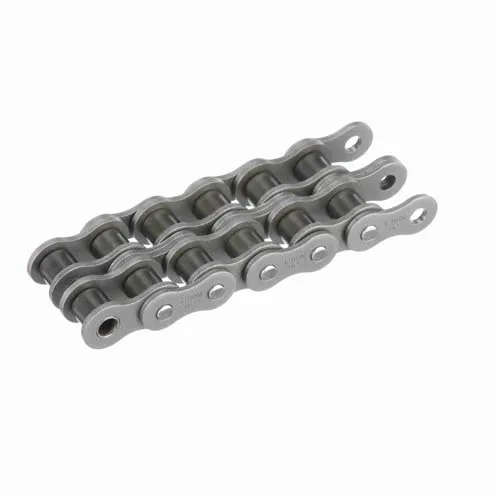
A modular conveyor chain system offers several benefits in terms of flexibility, efficiency, and ease of maintenance. Here are some key advantages:
1. Versatility: Modular conveyor chains are designed with interlocking modules that can be easily connected and disconnected. This allows for flexibility in configuring the conveyor system according to specific layout requirements, production needs, or space limitations. Modules can be added, removed, or repositioned to accommodate changing production processes or product variations.
2. Customizability: The modular design of the conveyor chain system enables customization to meet specific application requirements. Different types of modules are available, including straight sections, curves, inclines, declines, merges, and diverters. Accessories such as side guides, cleats, or product hold-downs can be easily integrated into the system.
3. Quick Installation and Modification: Modular conveyor chains are designed for easy installation and modification. With their snap-in or snap-on connections, modules can be rapidly assembled or disassembled, reducing downtime during system setup or reconfiguration. This feature also facilitates maintenance, repairs, or future expansions.
4. Enhanced Efficiency: The modularity of the conveyor chain system allows for efficient material handling and optimized workflow. The smooth transfer between modules minimizes product jams or misalignments, ensuring a continuous and consistent flow of materials. The ability to incorporate curves or inclines in the system enables efficient use of floor space and facilitates the movement of products through different elevations.
5. Easy Maintenance: Modular conveyor chain systems are designed for ease of maintenance. Individual modules can be easily accessed and replaced without disassembling the entire system. This reduces maintenance time and costs. Additionally, the open structure of the modules allows for easy cleaning, debris removal, and inspection.
6. Durability and Reliability: Modular conveyor chains are typically made from high-quality materials such as plastic or stainless steel, ensuring durability and long-lasting performance. They are resistant to wear, corrosion, and chemical damage, making them suitable for various industrial environments. The interlocking design provides stability and prevents chain slippage during operation.
7. Safety Features: Modular conveyor chain systems can incorporate safety features such as emergency stop buttons, safety guarding, or sensors for detecting blockages or excessive loads. These features help maintain a safe working environment for operators and protect the integrity of the products being transported.
Overall, a modular conveyor chain system offers versatility, customizability, efficiency, and ease of maintenance. It is a reliable solution for material handling in industries such as manufacturing, packaging, distribution, and logistics.
What lubrication is recommended for conveyor chains?
Choosing the right lubrication for conveyor chains is crucial for maintaining their performance and extending their lifespan. Here are some commonly recommended lubricants:
- Chain Oil: Chain oil is specifically designed for lubricating conveyor chains. It provides excellent lubrication, reduces friction, and helps prevent wear and corrosion. Chain oils come in various viscosities to suit different operating conditions.
- Synthetic Lubricants: Synthetic lubricants, such as synthetic oils and greases, offer enhanced performance and durability. They have excellent temperature stability, high resistance to oxidation and degradation, and superior lubricating properties. Synthetic lubricants are suitable for applications with high temperatures, heavy loads, or extreme operating conditions.
- Food-Grade Lubricants: For conveyor chains used in food processing or other industries with strict hygiene requirements, food-grade lubricants are recommended. These lubricants are formulated to be safe for incidental food contact and comply with relevant regulations and standards.
- Dry Film Lubricants: In certain applications where liquid lubricants are not suitable, such as dusty or dirty environments, dry film lubricants can be used. These lubricants form a protective coating on the chain surfaces, reducing friction and preventing wear.
When selecting a lubricant, consider the operating conditions, such as temperature, speed, load, and environmental factors. Consult the manufacturer’s recommendations and guidelines to ensure you choose the appropriate lubrication product for your specific conveyor chain. Regularly monitor the lubrication levels and reapply as needed to maintain optimal chain performance.


editor by CX 2024-03-29