
製品説明
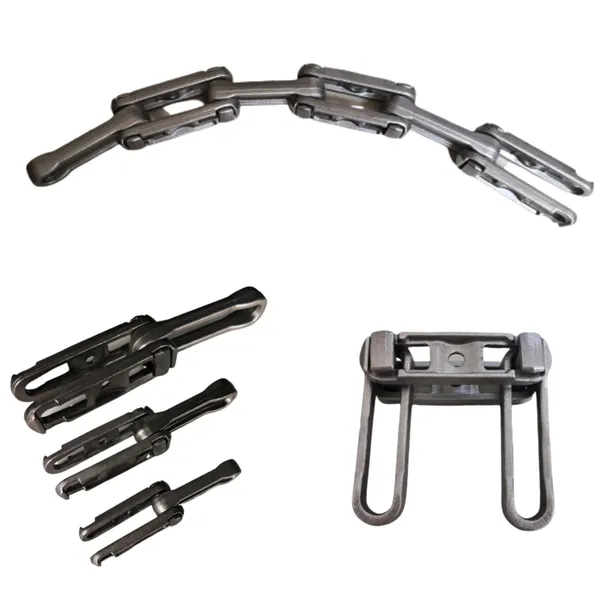
ForgedScraper conveyor chain
P152F51/45/45A/45C/47/45D/45E/45F, P2000F29/29A, P101.6F20, RO6205MF3, MR56, MR80, MR224, MR315, FVR40/63/90/112
Forged chain , trolleys,carriers used on overhead conveyor production line.
Main products are Forge chain and trolley, welded link chain, Standard and non-standard stainless steel and carbon steel roller chain, Leaf chain, standard and non-standard conveyor chain, Scraper conveyor chain, Cranked link chain, double plus chain, double pitch transmission chain, plastic chain, sprockets and Other accessories.
Main products are Forge chain and trolley, welded link chain, Standard and non-standard stainless steel and carbon steel roller chain, Leaf chain, standard and non-standard conveyor chain, Scraper conveyor chain, Cranked link chain, double plus chain, double pitch transmission chain, plastic chain, sprockets and Other accessories.
The products can be combined to find the best possible solution for even the most demanding applications. Special solutions can also be developed for customers’ individual requirements.
Drop Forged Rivetless Chain, Drop Forged Chains, drop forged link,forged scraper chains.
1.Scraper chains P142,P142V,P142H,P200,P102,P250,P260
2.Detachable chain 51,52,55,57,62,74,78
3.Relevant overhead trolley&carriages&spare parts
4.as per your drawings or samples
| Drop forged detachable chains | X348,X458,X678,X698,F100,F160,P80,P100,P200 |
| CatterPilar Chains for | X348,X458,X678,X698 |
| 材料: | 合金 |
|---|---|
| 構造: | 複合チェーン |
| 表面処理: | 研磨 |
| チェーンサイズ: | 1/2インチ×3/32インチ |
| 特徴: | 耐熱性 |
| Process: | Forging |
| サンプル: |
US$ 1/Piece
1個(最小注文数) | |
|---|

耐腐食性コンベヤチェーンを選定する際の考慮事項は何ですか?
When selecting a corrosion-resistant conveyor chain, several considerations should be taken into account to ensure optimal performance and longevity in corrosive environments. Here are the key factors to consider:
– Material Selection:
Choose a conveyor chain material that is resistant to the specific corrosive agents present in the environment. Stainless steel, plastic, and special coatings such as zinc or nickel plating are commonly used for their corrosion resistance properties.
– Corrosion Resistance Ratings:
Review the corrosion resistance ratings of different chain materials and coatings. Look for industry standards such as ASTM or ISO ratings that indicate the material’s resistance to specific corrosive substances or environmental conditions.
– Environmental Factors:
Consider the specific environmental factors that contribute to corrosion, such as humidity, temperature, presence of chemicals or solvents, and exposure to saltwater or acids. Evaluate how these factors may impact the chain’s corrosion resistance requirements.
– Coating or Surface Treatment:
If using a metal chain, consider applying additional coatings or surface treatments to enhance its corrosion resistance. Options may include electroplating, powder coating, or using specialized anti-corrosion coatings.
– Compatibility with Cleaning Methods:
Ensure that the selected chain material is compatible with the cleaning methods and chemicals used in the application. Some corrosive-resistant materials may require specific cleaning procedures to maintain their performance and longevity.
– Operational Considerations:
Take into account the load capacity, speed, and operational requirements of the conveyor system. Ensure that the corrosion-resistant chain can withstand the mechanical stresses and operational demands without compromising its corrosion resistance properties.
– Cost-Effectiveness:
Weigh the initial cost and long-term benefits of using a corrosion-resistant conveyor chain. While corrosion-resistant materials may have a higher upfront cost, they can significantly reduce maintenance, replacement, and downtime costs associated with corrosion-related failures.
By considering these factors, you can select a corrosion-resistant conveyor chain that is well-suited for the specific corrosive environment, ensuring reliable and durable performance in applications such as chemical processing, food production, wastewater treatment, or outdoor environments.
ステンレス製コンベヤチェーンを使用する利点は何ですか?
ステンレス鋼製のコンベヤチェーンは、他のタイプのチェーンに比べて多くの利点があります。主な利点は以下のとおりです。
1. 耐食性:ステンレス鋼は耐食性に優れているため、過酷な環境や、頻繁な洗浄や湿気への曝露が求められる産業での使用に適しています。他の金属のように錆びたり腐食したりしないため、長寿命で信頼性の高い性能を発揮します。
2.強度と耐久性:ステンレス鋼チェーンは、高い強度と耐久性で知られています。重荷重、高温、摩耗性物質にも変形や破損することなく耐えることができます。そのため、信頼性と長寿命が不可欠な重作業用途に最適です。
3.衛生的で清潔:ステンレス鋼は非多孔質の素材で、洗浄やメンテナンスが容易です。細菌、カビ、その他の汚染物質に強く、食品加工、医薬品、医療機器など、厳格な衛生要件が求められる業界に適しています。ステンレス鋼製のチェーンは徹底的に洗浄・消毒できるため、製品汚染のリスクを低減できます。
4.耐熱性:ステンレス鋼製のチェーンは、高温から低温まで幅広い温度範囲に耐えることができます。優れた耐熱性を備えているため、極端な温度条件下でも強度と性能を維持できます。
5.美的魅力:ステンレス製のチェーンは、滑らかで洗練された外観を持ち、コンベアシステムにプロフェッショナルで美しい印象を与えます。小売業や高級品業界など、視覚的な魅力やブランドイメージが重要な業界で広く使用されています。
6.耐薬品性:ステンレス鋼は、酸、アルカリ、溶剤など、さまざまな化学物質に対して耐性があります。そのため、腐食性物質との接触が予想される用途に適しています。
7.高速用途との互換性:ステンレス鋼チェーンは、構造的完全性や性能を損なうことなく、高速動作に耐えることができます。高速でも安定性と精度を維持します。
総じて、ステンレス鋼製コンベヤチェーンは、耐腐食性、強度、耐久性、衛生性、耐熱性、美観、耐薬品性、高速用途への適合性といった特長を備えています。これらの利点から、信頼性、清潔さ、性能が不可欠な食品・飲料、医薬品、自動車、製造業などの業界で好んで使用されています。
コンベアチェーンに伴う騒音レベルはどのくらいですか?
コンベアチェーンに伴う騒音レベルは、いくつかの要因によって変化する可能性があります。
1. チェーンの種類:コンベヤチェーンの種類によって、発生する騒音レベルは異なります。例えば、ローラーチェーンは、サイレントチェーンやプラスチックモジュラーチェーンに比べて、より大きな騒音を発生させる傾向があります。
2. 速度:コンベアチェーンの動作速度は騒音レベルに影響を与える可能性があります。一般的に、速度が速くなると、チェーンと他の部品との衝突や摩擦によって騒音が増加します。
3.チェーンの状態:コンベアチェーンの状態は騒音発生に影響を与えます。摩耗したチェーンや適切にメンテナンスされていないチェーンは、摩擦や振動が増加するため、より大きな騒音を発生させる可能性があります。
4.周辺環境:コンベアシステムが稼働する環境も騒音レベルに影響を与える可能性があります。他の機械の存在、施設の音響特性、防音対策などの要因が、全体の騒音レベルに影響を与える可能性があります。
5.設計と構成部品:コンベアシステムの設計と構成部品の選択は、騒音レベルに影響を与える可能性があります。防音材の使用、構成部品の適切な配置、振動減衰対策などの要素は、騒音の低減に役立ちます。
職場における過剰な騒音レベルは従業員の健康に悪影響を及ぼす可能性があり、労働安全衛生規則を遵守するためには騒音対策が必要となる場合があることに留意することが重要です。防音材の使用、適切な潤滑、チェーンの張力維持、振動遮断技術の適用といった騒音低減策を実施することで、コンベアチェーンに伴う騒音を最小限に抑えることができます。


editor by CX 2023-09-07