Өнім сипаттамасы
Scraper conveyor chain
P152F51/45/45A/45C/47/45D/45E/45F, P2000F29/29A, P101.6F20, RO6205MF3, MR56, MR80, MR224, MR315, FVR40/63/90/112
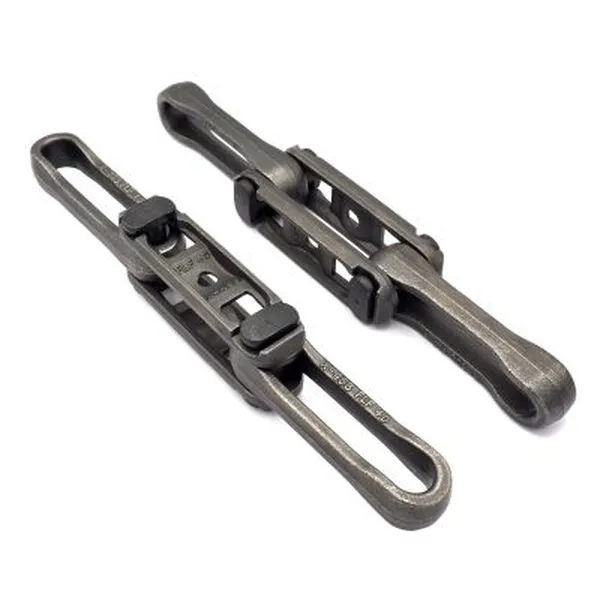
Forged chain , trolleys,carriers used on overhead conveyor production line.
Main products are Forge chain and trolley, welded link chain, Standard and non-standard stainless steel and carbon steel roller chain, Leaf chain, standard and non-standard conveyor chain, Scraper conveyor chain, Cranked link chain, double plus chain, double pitch transmission chain, plastic chain, sprockets and Other accessories.
Main products are Forge chain and trolley, welded link chain, Standard and non-standard stainless steel and carbon steel roller chain, Leaf chain, standard and non-standard conveyor chain, Scraper conveyor chain, Cranked link chain, double plus chain, double pitch transmission chain, plastic chain, sprockets and Other accessories.
The products can be combined to find the best possible solution for even the most demanding applications. Special solutions can also be developed for customers’ individual requirements.
Drop Forged Rivetless Chain, Drop Forged Chains, drop forged link,forged scraper chains.
1.Scraper chains P142,P142V,P142H,P200,P102,P250,P260
2.Detachable chain 51,52,55,57,62,74,78
3.Relevant overhead trolley&carriages&spare parts
4.as per your drawings or samples
| Drop forged detachable chains | X348,X458,X678,X698,F100,F160,P80,P100,P200 |
| CatterPilar Chains for | X348,X458,X678,X698 |
| Surface: | Self Colored, Zinc Plated,Blacken |
|---|---|
| Process: | Forging |
| Түрі: | Conveyor |
| Қолданылуы: | Conveyor System |
| Transport Package: | Plywood Case. |
| Specification: | ISO |
| Теңшеу: |
Қолжетімді
| Теңшелген сұраныс |
|---|
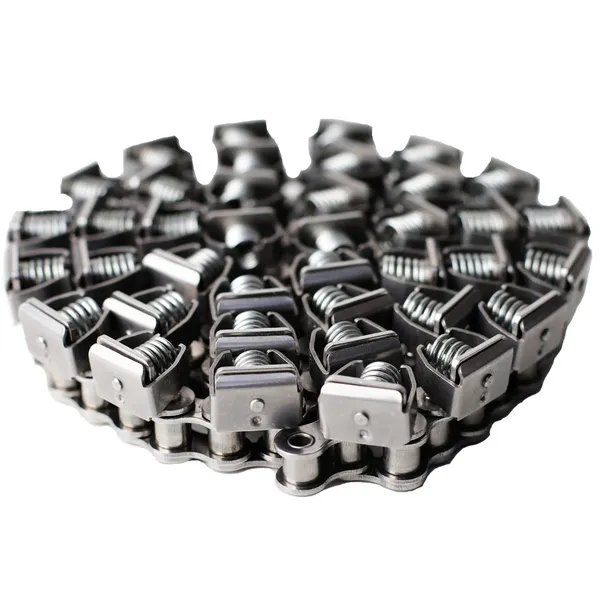
How do you calculate the maximum allowable tension in a conveyor chain?
The maximum allowable tension in a conveyor chain can be calculated using the following steps:
1. Determine the Chain Pitch:
– Measure the distance between the centers of two consecutive chain pins. This measurement is known as the chain pitch and is typically expressed in inches or millimeters.
2. Determine the Chain Speed:
– Determine the speed at which the conveyor chain will be operating. The chain speed is typically expressed in feet per minute or meters per second.
3. Calculate the Chain Pull:
– Determine the total weight or force that needs to be moved by the conveyor chain. This includes the weight of the conveyed material and any additional loads or forces acting on the chain.
4. Calculate the Required Tension:
– Use the following formula to calculate the required tension:
Tension = (Chain Pull × Chain Speed) / (Chain Pitch × Efficiency)
– The efficiency factor accounts for losses due to friction and other factors and is typically expressed as a decimal between 0 and 1.
5. Determine the Maximum Allowable Tension:
– The maximum allowable tension is determined by the manufacturer’s specifications for the conveyor chain. It is important to consult the manufacturer’s documentation or contact them directly to obtain the maximum allowable tension value.
6. Compare the Required Tension and Maximum Allowable Tension:
– Compare the calculated required tension with the maximum allowable tension. The required tension should be less than or equal to the maximum allowable tension to ensure safe and reliable operation of the conveyor chain.
By following these steps and considering the manufacturer’s specifications, you can accurately calculate the maximum allowable tension in a conveyor chain and ensure that it is within the safe operating limits.

Роликті конвейер тізбегін пайдаланудың қандай артықшылықтары бар?
Роликті конвейер тізбегі материалдарды өңдеу және тасымалдау саласында бірнеше артықшылықтар ұсынады. Міне, кейбір артықшылықтары:
1. Тиімді тасымалдау: Роликті конвейер тізбектері әртүрлі тауарлар мен материалдарды тегіс және тиімді тасымалдауға арналған. Роликтер үйкелістің төмен қозғалысын қамтамасыз етеді, бұл жүкті конвейер бойымен жылжыту үшін қажетті күшті азайтады.
2. Әмбебаптығы: Роликті конвейер тізбектері әмбебап және шағын және жеңіл заттардан бастап ауыр және көлемді жүктерге дейінгі кең ауқымды өнімдерді өңдей алады. Олар көбінесе өндіріс, тарату, логистика және қоймалар сияқты салаларда қолданылады.
3. Беріктігі: Роликті конвейер тізбектері әдетте болат сияқты берік материалдардан жасалады, бұл тамаша беріктік пен ұзақ мерзімділікті қамтамасыз етеді. Олар ауыр жүктемелерге, қайталанатын пайдалануға және қатал жұмыс орталарына төтеп бере алады.
4. Икемділік: Роликті конвейер тізбектерін әртүрлі кеңістік талаптары мен материал ағынының үлгілерін ескере отырып, әртүрлі орналасуларда конфигурациялауға болады. Олар нысан ішіндегі тауарлар ағынын оңтайландыру үшін түзу, қисық, көлбеу немесе төмен қарай бұрылуы мүмкін.
5. Оңай жиналу: Роликті конвейер тізбектері өнімдерді зақымдамай немесе кептелмей тиімді жинауға мүмкіндік береді. Роликтерді конвейер желісі бойымен заттардың бақыланатын жиналуы мен босатылуын қамтамасыз ету үшін белгілі бір аралықпен және конфигурациялармен жобалауға болады.
6. Минималды техникалық қызмет көрсету: Дұрыс техникалық қызмет көрсету және майлау кезінде роликті конвейер тізбектері минималды техникалық қызмет көрсетуді қажет етеді. Тізбек пен роликтердің дизайны қоқыстың жиналуын азайтады, бұл оларды тазалауды және күтіп ұстауды жеңілдетеді.
7. Тегіс және тыныш жұмыс: Конвейер тізбегінде роликтерді пайдалану жұмыс орнындағы шу деңгейін төмендетіп, тегіс және тыныш жұмысты қамтамасыз етеді. Бұл ыңғайлы және өнімді жұмыс ортасын жасайды.
8. Қауіпсіздікті арттыру: Роликті конвейер тізбектері қауіпсіздікті ескере отырып жасалған. Олар операторлардың әл-ауқатын қамтамасыз ету және апаттардың алдын алу үшін қорғаныштар, сенсорлар және апаттық тоқтату механизмдері сияқты әртүрлі қауіпсіздік мүмкіндіктерімен жабдықталуы мүмкін.
Роликті конвейер тізбегін пайдалану арқылы бизнес тиімділіктің жоғарылауына, беріктіктің артуына, материалдарды өңдеудегі икемділікке және жұмыс барысында қауіпсіздіктің артуына қол жеткізе алады.
How can you prevent conveyor chain failures?
Preventing conveyor chain failures is crucial for maintaining the efficiency and reliability of a conveyor system. Here are some key preventive measures:
- Regular Inspection and Maintenance: Implement a routine inspection and maintenance schedule to identify potential issues before they escalate. Regularly inspect the chain for signs of wear, such as elongation, link plate wear, and sprocket tooth wear. Address any visible damage or abnormalities promptly.
- Proper Lubrication: Apply the appropriate lubricant to the conveyor chain to minimize friction and reduce wear. Lubrication helps to prevent metal-to-metal contact, corrosion, and excessive heat generation. Follow the manufacturer’s recommendations for lubrication frequency and use lubricants suitable for the operating conditions.
- Tensioning: Maintain proper tension in the conveyor chain to ensure optimal performance and reduce the risk of failures. Both over-tensioning and under-tensioning can lead to premature wear or chain damage. Follow the manufacturer’s guidelines for tensioning and regularly check and adjust the tension as needed.
- Sprocket Maintenance: Inspect and maintain the sprockets that engage with the conveyor chain. Check for any signs of wear or damage on the sprocket teeth and replace them if necessary. Ensure proper alignment between the chain and sprockets to prevent excessive wear and chain skipping.
- Environmental Considerations: Take into account the environmental factors that can affect the conveyor chain’s performance. Protect the chain from exposure to moisture, corrosive substances, excessive heat, or abrasive materials. Implement appropriate safeguards, such as covers or enclosures, to minimize environmental impact on the chain.
- Proper Loading: Ensure that the conveyor chain is not subjected to excessive loads beyond its capacity. Overloading can lead to accelerated wear and chain failures. Adhere to the recommended load limits and guidelines provided by the chain manufacturer.
- Operator Training: Provide proper training to operators and maintenance personnel on the correct operation, maintenance, and safety procedures related to the conveyor chain system. Educate them on identifying potential issues, performing routine inspections, and reporting any abnormalities.
By implementing these preventive measures, you can significantly reduce the risk of conveyor chain failures and extend the lifespan of the chain. Regular monitoring and maintenance are essential to ensure the system operates smoothly and safely.


editor by CX 2023-10-12