
제품 설명
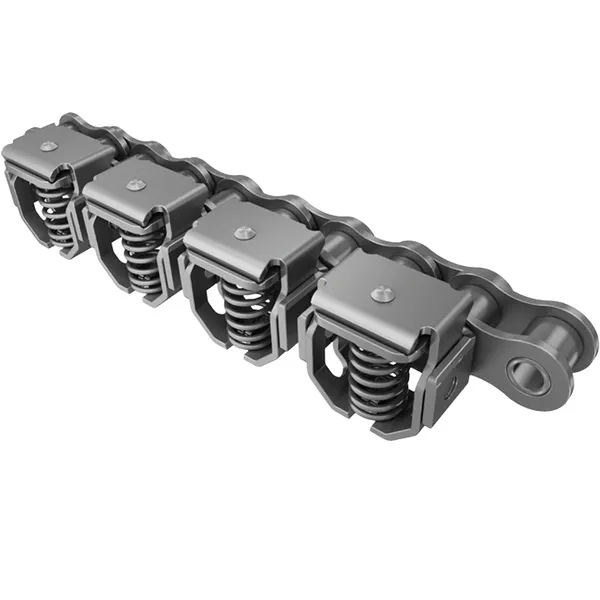
스크레이퍼 컨베이어 체인
P152F51/45/45A/45C/47/45D/45E/45F, P2000F29/29A, P101.6F20, RO6205MF3, MR56, MR80, MR224, MR315, FVR40/63/90/112
단조 체인, 트롤리, 운반 장치는 오버헤드 컨베이어 생산 라인에 사용됩니다.
주요 제품으로는 단조 체인 및 트롤리, 용접 링크 체인, 표준 및 비표준 스테인리스강 및 탄소강 롤러 체인, 리프 체인, 표준 및 비표준 컨베이어 체인, 스크레이퍼 컨베이어 체인, 크랭크 링크 체인, 더블 플러스 체인, 더블 피치 전송 체인, 플라스틱 체인, 스프로킷 및 기타 액세서리가 있습니다.
주요 제품으로는 단조 체인 및 트롤리, 용접 링크 체인, 표준 및 비표준 스테인리스강 및 탄소강 롤러 체인, 리프 체인, 표준 및 비표준 컨베이어 체인, 스크레이퍼 컨베이어 체인, 크랭크 링크 체인, 더블 플러스 체인, 더블 피치 전송 체인, 플라스틱 체인, 스프로킷 및 기타 액세서리가 있습니다.
이 제품들을 조합하여 가장 까다로운 용도에도 최적의 솔루션을 찾을 수 있습니다. 또한 고객의 개별 요구 사항에 맞춰 특별한 솔루션을 개발할 수도 있습니다.
드롭 단조 리벳리스 체인, 드롭 단조 체인, 드롭 단조 링크, 단조 스크레이퍼 체인.
1. 스크레이퍼 체인 P142, P142V, P142H, P200, P102, P250, P260
2. 탈착식 체인 51, 52, 55, 57, 62, 74, 78
3. 관련 오버헤드 트롤리, 캐리지 및 예비 부품
4. 귀하의 도면 또는 샘플에 따라
| 단조 방식으로 제작된 분리형 체인 | X348,X458,X678,X698,F100,F160,P80,P100,P200 |
| 캐터필러 체인용 | X348,X458,X678,X698 |
| 표면: | 자체 색상, 아연 도금, 흑색화 |
|---|---|
| 프로세스: | 단조 |
| 유형: | 컨베이어 |
| 용법: | 컨베이어 시스템 |
| 운송 포장: | 합판 케이스. |
| 사양: | ISO |
| 맞춤 설정: |
사용 가능
| 맞춤형 요청 |
|---|
오버헤드 컨베이어 체인 시스템을 사용하면 어떤 이점이 있습니까?
오버헤드 컨베이어 체인 시스템을 사용하면 다양한 산업 분야에서 여러 가지 이점을 얻을 수 있습니다. 주요 이점은 다음과 같습니다.
1. 공간 최적화:
- 오버헤드 컨베이어 체인 시스템은 수직 공간을 활용하여 바닥 공간을 효율적으로 사용할 수 있도록 합니다. 이는 특히 바닥 면적이 제한적인 시설에서 작업 공간을 방해하지 않고 효율적인 자재 이송 및 생산 흐름을 가능하게 하므로 매우 유용합니다.
2. 유연성 및 다용성:
오버헤드 컨베이어 체인은 경로 설정에 유연성을 제공하며 시설의 특정 레이아웃 요구 사항에 맞게 맞춤 제작할 수 있습니다. 조립 라인, 도장 부스, 저장 구역 등 다양한 영역을 통과할 수 있습니다. 오버헤드 시스템의 다재다능함 덕분에 효율적이고 적응력 있는 자재 이동이 가능합니다.
3. 안전성 향상:
- 머리 위 컨베이어 체인은 지면의 장애물을 최소화하여 걸려 넘어지는 사고를 줄여줍니다. 작업자는 컨베이어 시스템의 방해 없이 안전하게 작업 구역을 이동할 수 있습니다.
4. 제품 보호:
- 오버헤드 컨베이어 체인은 운송되는 제품을 더욱 효과적으로 보호합니다. 제품을 높은 곳에 보관하고 바닥의 먼지, 파편, 유출물 등의 잠재적 위험 요소로부터 멀리 떨어뜨려 놓음으로써 제품 손상이나 오염 위험을 줄입니다.
5. 효율성 향상:
오버헤드 컨베이어 시스템은 연속적인 자재 흐름을 촉진하고 수작업을 줄여 생산 효율을 향상시킬 수 있습니다. 자동 자재 적재 및 하역이 가능해지므로 처리 시간이 단축되고 전반적인 생산성이 향상됩니다.
6. 손쉬운 유지 관리:
오버헤드 컨베이어 체인은 일반적으로 유지보수가 용이하도록 설계됩니다. 체인, 트롤리, 구동 장치와 같은 구성 요소에 쉽게 접근하여 정비할 수 있으므로 가동 중지 시간과 유지보수 비용을 최소화할 수 있습니다.
7. 맞춤 설정 및 통합:
오버헤드 컨베이어 체인은 적재 용량, 속도 및 제어 시스템을 포함한 특정 적용 요구 사항에 맞게 맞춤 제작할 수 있습니다. 또한 로봇 작업대 또는 분류 장치와 같은 다른 자동화 시스템과 통합하여 자재 처리 프로세스를 더욱 최적화할 수 있습니다.
전반적으로, 오버헤드 컨베이어 체인 시스템을 사용하면 산업 환경에서 효율적인 자재 운반, 공간 활용 극대화, 안전성 향상 및 생산성 개선이 가능합니다.
What are the best practices for storing and handling conveyor chains?
Proper storage and handling of conveyor chains are essential to maintain their performance, prevent damage, and prolong their lifespan. Here are some best practices to consider:
1. Clean and dry storage area: Store conveyor chains in a clean and dry environment to prevent the accumulation of dirt, dust, moisture, or contaminants that can affect their performance and cause corrosion.
2. Adequate support: Ensure that the stored conveyor chains are properly supported to prevent excessive bending or deformation. Use pallets, racks, or designated storage containers that can accommodate the weight and length of the chains.
3. Avoid excessive heat or cold: Conveyor chains should be stored in an area with a moderate temperature range to avoid extreme heat or cold that can affect the material properties or lubrication of the chains.
4. Protection against impacts and vibrations: Protect the stored chains from impacts or excessive vibrations that can cause damage or deformation. Use suitable packaging or covers to shield the chains from any potential physical damage.
5. Lubrication: Apply a thin layer of appropriate lubricant to the chains before storage to prevent corrosion and maintain their smooth operation. Follow the manufacturer’s recommendations for lubrication type and quantity.
6. Regular inspections: Periodically inspect the stored conveyor chains to ensure there are no signs of damage, corrosion, or deformation. If any issues are identified, take appropriate actions such as cleaning, lubricating, or replacing the chains.
7. Proper handling techniques: When handling conveyor chains, use appropriate lifting equipment or tools to avoid excessive strain or bending. Avoid dragging or dropping the chains, as this can cause damage to the chain links or attachments.
8. Training and awareness: Provide training to personnel involved in handling and storing conveyor chains to ensure they understand the proper procedures and best practices. Promote awareness of the importance of careful handling and storage to prevent accidents and maintain chain integrity.
By following these best practices, you can ensure the longevity and reliable performance of your conveyor chains, reducing the risk of downtime and costly repairs.
What is the load capacity of a conveyor chain?
The load capacity of a conveyor chain depends on various factors, including the chain design, material, size, and the operating conditions. It is crucial to consider the specific application requirements when determining the load capacity of a conveyor chain. Here are some key factors to consider:
- Chain Design: Different types of conveyor chains have varying load capacities. The chain design includes factors such as the type of links, their configuration, and the presence of attachments or rollers.
- 재료: The material used to manufacture the conveyor chain significantly affects its load capacity. Common materials include steel, stainless steel, and plastic. Steel chains are generally more robust and have higher load-bearing capabilities.
- 체인 크기: The size of the conveyor chain, including the pitch and width, plays a role in determining its load capacity. Larger chains with wider links tend to have higher load capacities.
- Operating Conditions: Factors such as the speed of the conveyor, the type and weight of the transported materials, and the environmental conditions (temperature, humidity, etc.) can impact the load capacity of the chain.
- Manufacturer Specifications: It is essential to consult the manufacturer’s specifications and guidelines for the specific conveyor chain being used. Manufacturers typically provide load capacity charts or tables based on their chain designs.
The load capacity of a conveyor chain is typically specified in terms of its maximum allowable working load or breaking strength. These values are determined through rigorous testing and engineering calculations. To ensure safe and efficient operation, it is important to select a conveyor chain that has a load capacity suitable for the intended application. Exceeding the recommended load capacity can lead to premature wear, chain failure, and potential safety hazards.


editor by CX 2023-09-15