
Productbeschrijving
Productbeschrijving
The drop forged chains made of heat treated high grade alloy steel.
1) X348,X458,X678,H698,9118,P1
| Materiaal: | 40cr, 20mncr5, 20cr Mn Ti, 42CrMo4 SCR440 |
|---|---|
| Structuur: | Forging |
| Oppervlaktebehandeling: | Shot Blasting |
| Kettingmaat: | P:170mm |
| Functie: | Heat Resistant, Forging |
| Gewicht: | 2.6kg |
| Voorbeelden: |
US$ 50/Meter
1 meter (minimale bestelling) | |
|---|
| Aanpassing: |
Beschikbaar
| Aanvraag op maat |
|---|
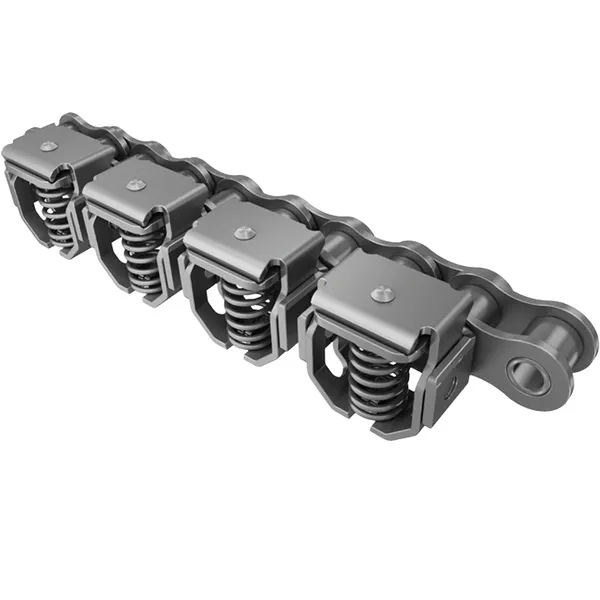
What are the benefits of using an overhead conveyor chain system?
Using an overhead conveyor chain system offers several benefits in various industrial applications. Here are some key advantages:
1. Space Optimization:
– Overhead conveyor chain systems utilize the vertical space, allowing efficient utilization of floor space. This is especially beneficial in facilities with limited floor area, as it enables efficient material handling and production flow without obstructing the work area.
2. Flexibility and Versatility:
– Overhead conveyor chains offer flexibility in routing and can be customized to fit the specific layout requirements of the facility. They can traverse different areas, including assembly lines, paint booths, storage areas, and more. The versatility of overhead systems allows for efficient and adaptable material movement.
3. Improved Safety:
– Overhead conveyor chains minimize ground-level obstructions, reducing the risk of tripping hazards and accidents. Operators and workers can safely navigate the work area without interference from the conveyor system.
4. Product Protection:
– Overhead conveyor chains provide better protection for the products being transported. By keeping the products elevated and away from potential hazards on the floor, such as dust, debris, or spills, the risk of product damage or contamination is reduced.
5. Increased Efficiency:
– Overhead conveyor systems can enhance production efficiency by facilitating continuous material flow and reducing manual handling. They enable automated loading and unloading of materials, leading to faster processing times and improved overall productivity.
6. Easy Maintenance:
– Overhead conveyor chains are typically designed for easy maintenance. Components such as chains, trolleys, and drives can be accessed and serviced conveniently, minimizing downtime and maintenance costs.
7. Customization and Integration:
– Overhead conveyor chains can be tailored to meet specific application requirements, including load capacity, speed, and control systems. They can also be integrated with other automated systems, such as robotic workstations or sorting mechanisms, to further optimize the material handling process.
Overall, using an overhead conveyor chain system provides efficient material handling, maximizes space utilization, enhances safety, and improves productivity in industrial environments.
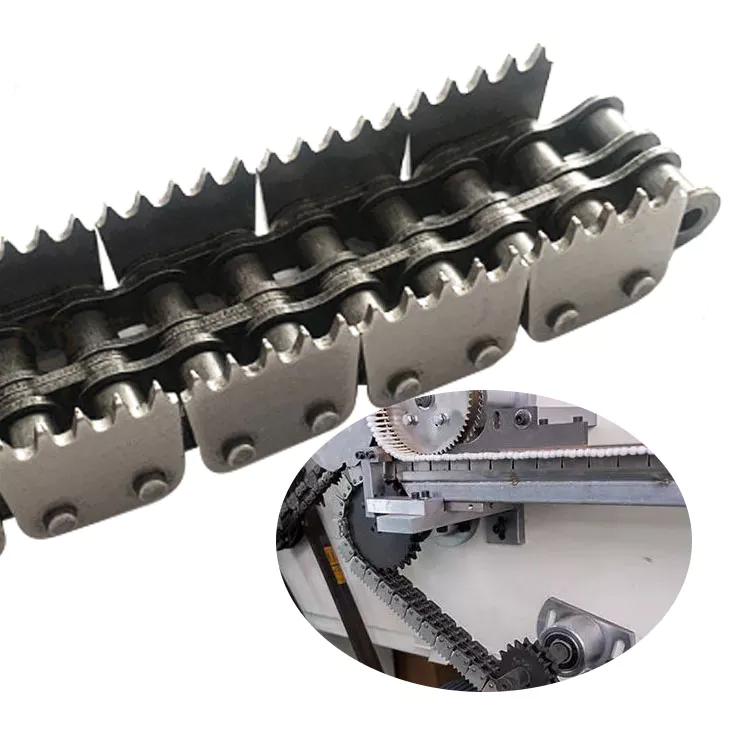
Hoe kies je het juiste smeermiddel voor een transportketting?
Het kiezen van het juiste smeermiddel is cruciaal voor het behoud van de prestaties en levensduur van een transportketting. Hieronder vindt u de belangrijkste factoren waarmee u rekening moet houden bij het kiezen van een smeermiddel:
1. Type en materiaal van de ketting: Verschillende transportkettingen kunnen specifieke smeervereisten hebben, afhankelijk van de gebruikte materialen en het ontwerp. Raadpleeg de aanbevelingen of specificaties van de fabrikant om de compatibiliteit van het smeermiddel te bepalen.
2. Bedrijfsomstandigheden: Houd rekening met de bedrijfsomgeving, zoals temperatuur, luchtvochtigheid en de aanwezigheid van verontreinigingen. Kies voor toepassingen bij hoge temperaturen een smeermiddel met een hogere temperatuurtolerantie. In natte of stoffige omgevingen kunt u het beste kiezen voor smeermiddelen die uitstekend bestand zijn tegen uitspoeling door water en effectieve bescherming bieden tegen verontreinigingen.
3. Belasting en snelheid: Evalueer de draagkracht en snelheid van de transportketting. Hogere belastingen en snelheden vereisen mogelijk smeermiddelen met een betere filmsterkte en antislijtage-eigenschappen om wrijving te verminderen en vroegtijdige slijtage te voorkomen.
4. Smeermethode: Bepaal de smeermethode die voor de transportketting zal worden gebruikt. Smeermiddelen kunnen worden aangebracht via druppelsystemen, borstels, sproeiers of automatische smeersystemen. Houd rekening met de viscositeit en consistentie van het smeermiddel om een juiste toepassing en verdeling te garanderen.
5. Eisen voor gebruik in de levensmiddelenindustrie: Bij de verwerking van levensmiddelen of in farmaceutische toepassingen, waar direct contact met het product kan voorkomen, is het essentieel om smeermiddelen van voedselkwaliteit te gebruiken die voldoen aan de industriële voorschriften en eisen op het gebied van veiligheid en hygiëne.
6. Onderhoudsschema: Houd rekening met de gewenste onderhoudsintervallen en de levensduur van het smeermiddel. Sommige smeermiddelen moeten vaker opnieuw worden aangebracht, terwijl andere een langere smering bieden.
7. Compatibiliteit met andere materialen: Houd rekening met de compatibiliteit van het smeermiddel met andere materialen in het transportsysteem, zoals afdichtingen, pakkingen en verf. Zorg ervoor dat het smeermiddel geen nadelige effecten heeft op deze componenten.
Het is raadzaam om smeermiddelfabrikanten of experts uit de branche te raadplegen om het meest geschikte smeermiddel voor uw specifieke transportkettingtoepassing te selecteren. Zij kunnen u adviseren op basis van hun expertise en kennis van smeermiddelformuleringen en prestatie-eigenschappen.
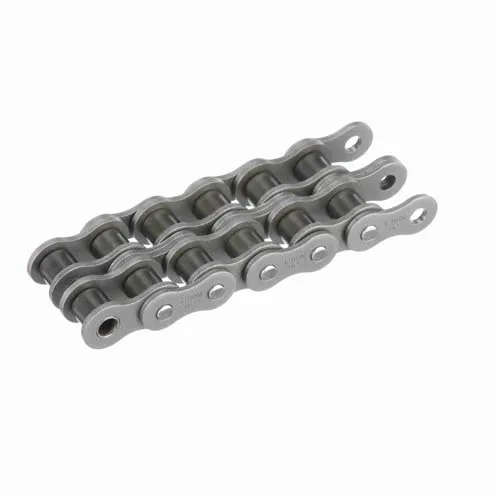
What safety precautions should be followed when working with conveyor chains?
Working with conveyor chains involves potential hazards, and it is essential to follow proper safety precautions to ensure the well-being of workers and prevent accidents. Here are some important safety measures to consider:
- Proper Training: Ensure that workers operating or maintaining conveyor chains receive proper training on safe practices, including chain handling, maintenance procedures, and emergency protocols.
- Personal Protective Equipment (PPE): Workers should wear appropriate PPE, such as safety glasses, gloves, and steel-toed shoes, to protect themselves from potential hazards, including flying debris, pinch points, or entanglement.
- Lockout/Tagout: Before performing any maintenance or repair tasks on conveyor chains, follow lockout/tagout procedures to isolate and de-energize the equipment to prevent accidental startup or release of stored energy.
- Guarding: Ensure that conveyor chains are adequately guarded to prevent access to moving parts, such as pinch points and rotating sprockets. Guards should be securely in place and not interfere with the chain’s operation.
- Housekeeping: Keep the work area clean and free of debris, tools, or other objects that could cause tripping hazards or interfere with the operation of the conveyor chain.
- Regular Inspections: Regularly inspect the conveyor chains for any signs of wear, damage, or misalignment. Address any issues promptly to prevent potential safety hazards.
- Safe Loading and Unloading: When loading or unloading materials onto the conveyor, follow safe lifting techniques and ensure the load is evenly distributed to prevent overloading or imbalance.
- Emergency Stop Devices: Install and clearly mark emergency stop devices along the conveyor system to enable immediate shutdown in case of an emergency or hazardous situation.
- Clear Communication: Establish clear communication protocols, including signals or signs, to ensure effective communication between workers operating different sections of the conveyor system.
These safety precautions are general guidelines, and it’s important to consult and adhere to specific safety regulations and guidelines provided by the equipment manufacturer and relevant safety authorities. Regular safety training, awareness, and a proactive safety culture are crucial in maintaining a safe working environment when working with conveyor chains.


editor by CX 2023-10-09