คำอธิบายผลิตภัณฑ์
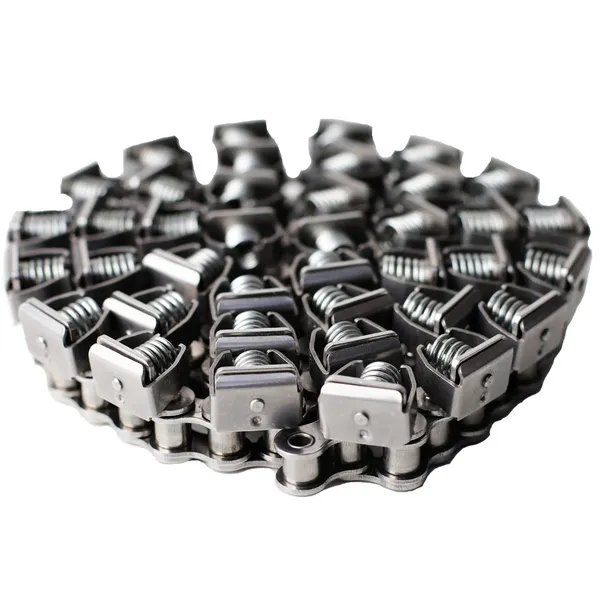
Scraper conveyor chain
P152F51/45/45A/45C/47/45D/45E/45F, P2000F29/29A, P101.6F20, RO6205MF3, MR56, MR80, MR224, MR315, FVR40/63/90/112
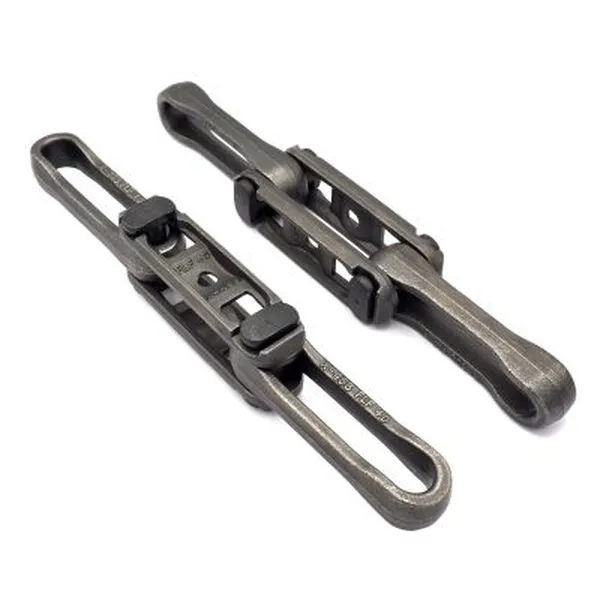
Forged chain , trolleys,carriers used on overhead conveyor production line.
Main products are Forge chain and trolley, welded link chain, Standard and non-standard stainless steel and carbon steel roller chain, Leaf chain, standard and non-standard conveyor chain, Scraper conveyor chain, Cranked link chain, double plus chain, double pitch transmission chain, plastic chain, sprockets and Other accessories.
Main products are Forge chain and trolley, welded link chain, Standard and non-standard stainless steel and carbon steel roller chain, Leaf chain, standard and non-standard conveyor chain, Scraper conveyor chain, Cranked link chain, double plus chain, double pitch transmission chain, plastic chain, sprockets and Other accessories.
The products can be combined to find the best possible solution for even the most demanding applications. Special solutions can also be developed for customers’ individual requirements.
Drop Forged Rivetless Chain, Drop Forged Chains, drop forged link,forged scraper chains.
1.Scraper chains P142,P142V,P142H,P200,P102,P250,P260
2.Detachable chain 51,52,55,57,62,74,78
3.Relevant overhead trolley&carriages&spare parts
4.as per your drawings or samples
| Drop forged detachable chains | X348,X458,X678,X698,F100,F160,P80,P100,P200 |
| CatterPilar Chains for | X348,X458,X678,X698 |
| Surface: | Self Colored, Zinc Plated,Blacken |
|---|---|
| Process: | Forging |
| พิมพ์: | Conveyor |
| วิธีใช้งาน: | Conveyor System |
| บรรจุภัณฑ์สำหรับการขนส่ง: | Plywood Case. |
| รายละเอียด: | ISO |
| การปรับแต่ง: |
มีอยู่
| คำขอที่กำหนดเอง |
|---|
คุณคำนวณแรงดึงสูงสุดที่อนุญาตในโซ่ลำเลียงได้อย่างไร?
สามารถคำนวณแรงดึงสูงสุดที่อนุญาตในโซ่ลำเลียงได้โดยใช้ขั้นตอนต่อไปนี้:
1. กำหนดระยะห่างของโซ่:
– วัดระยะห่างระหว่างจุดศูนย์กลางของหมุดโซ่สองตัวที่อยู่ติดกัน การวัดนี้เรียกว่าระยะห่างของหมุดโซ่ และโดยทั่วไปจะแสดงเป็นนิ้วหรือมิลลิเมตร
2. กำหนดความเร็วของโซ่:
– กำหนดความเร็วในการทำงานของสายพานลำเลียง โดยปกติความเร็วของสายพานลำเลียงจะระบุเป็นฟุตต่อนาทีหรือเมตรต่อวินาที
3. คำนวณแรงดึงของโซ่:
– คำนวณน้ำหนักหรือแรงรวมทั้งหมดที่ต้องใช้ในการลำเลียงด้วยโซ่ ซึ่งรวมถึงน้ำหนักของวัสดุที่ลำเลียงและน้ำหนักบรรทุกหรือแรงเพิ่มเติมใดๆ ที่กระทำต่อโซ่ด้วย
4. คำนวณแรงดึงที่ต้องการ:
– ใช้สูตรต่อไปนี้ในการคำนวณแรงดึงที่ต้องการ:
แรงตึง = (แรงดึงโซ่ × ความเร็วโซ่) / (ระยะห่างของฟันโซ่ × ประสิทธิภาพ)
– ปัจจัยประสิทธิภาพจะคำนึงถึงการสูญเสียเนื่องจากแรงเสียดทานและปัจจัยอื่นๆ และโดยทั่วไปจะแสดงเป็นค่าทศนิยมระหว่าง 0 ถึง 1
5. กำหนดค่าแรงดึงสูงสุดที่อนุญาต:
– ค่าความตึงสูงสุดที่อนุญาตได้นั้น กำหนดโดยข้อกำหนดของผู้ผลิตสำหรับโซ่ลำเลียง จึงเป็นสิ่งสำคัญที่จะต้องศึกษาเอกสารของผู้ผลิตหรือติดต่อผู้ผลิตโดยตรงเพื่อขอรับค่าความตึงสูงสุดที่อนุญาตได้
6. เปรียบเทียบแรงดึงที่ต้องการและแรงดึงสูงสุดที่อนุญาต:
– เปรียบเทียบค่าความตึงที่คำนวณได้กับค่าความตึงสูงสุดที่อนุญาต ค่าความตึงที่ต้องการควรน้อยกว่าหรือเท่ากับค่าความตึงสูงสุดที่อนุญาต เพื่อให้มั่นใจได้ถึงการทำงานที่ปลอดภัยและเชื่อถือได้ของโซ่ลำเลียง
โดยการทำตามขั้นตอนเหล่านี้และพิจารณาข้อกำหนดของผู้ผลิต คุณจะสามารถคำนวณแรงดึงสูงสุดที่อนุญาตในโซ่ลำเลียงได้อย่างแม่นยำ และตรวจสอบให้แน่ใจว่าอยู่ในขีดจำกัดการทำงานที่ปลอดภัย

การใช้สายพานลำเลียงแบบลูกกลิ้งมีประโยชน์อย่างไรบ้าง?
สายพานลำเลียงแบบลูกกลิ้งมีข้อดีหลายประการในการขนถ่ายและขนส่งวัสดุ ต่อไปนี้คือข้อดีบางประการ:
1. การขนส่งที่มีประสิทธิภาพ: สายพานลำเลียงแบบลูกกลิ้งได้รับการออกแบบมาเพื่อขนส่งสินค้าและวัสดุประเภทต่างๆ ได้อย่างราบรื่นและมีประสิทธิภาพ ลูกกลิ้งช่วยลดแรงเสียดทาน ทำให้ลดแรงที่ต้องใช้ในการเคลื่อนย้ายสินค้าไปตามสายพานลำเลียง
2. ความอเนกประสงค์: สายพานลำเลียงแบบลูกกลิ้งมีความอเนกประสงค์และสามารถรองรับผลิตภัณฑ์ได้หลากหลาย ตั้งแต่สินค้าขนาดเล็กและน้ำหนักเบาไปจนถึงสินค้าขนาดใหญ่และหนัก นิยมใช้ในอุตสาหกรรมต่างๆ เช่น การผลิต การจัดจำหน่าย โลจิสติกส์ และคลังสินค้า
3. ความทนทาน: โซ่ลำเลียงลูกกลิ้งมักทำจากวัสดุที่แข็งแรง เช่น เหล็ก ซึ่งให้ความทนทานและอายุการใช้งานที่ยาวนาน สามารถรับน้ำหนักมาก ใช้งานซ้ำๆ และสภาพแวดล้อมการทำงานที่รุนแรงได้
4. ความยืดหยุ่น: สายพานลำเลียงแบบลูกกลิ้งสามารถจัดวางในรูปแบบต่างๆ เพื่อรองรับความต้องการพื้นที่และรูปแบบการไหลของวัสดุที่แตกต่างกันได้ สามารถออกแบบให้เป็นเส้นตรง เส้นโค้ง เส้นเอียง หรือเส้นลดระดับ เพื่อเพิ่มประสิทธิภาพการไหลของสินค้าภายในโรงงาน
5. การสะสมสินค้าที่ง่าย: สายพานลำเลียงแบบลูกกลิ้งช่วยให้การสะสมสินค้ามีประสิทธิภาพโดยไม่ก่อให้เกิดความเสียหายหรือการติดขัด ลูกกลิ้งสามารถออกแบบให้มีระยะห่างและการจัดเรียงที่เฉพาะเจาะจง เพื่อให้สามารถควบคุมการสะสมและการปล่อยสินค้าตามแนวสายพานลำเลียงได้
6. การบำรุงรักษาขั้นต่ำ: ด้วยการบำรุงรักษาและการหล่อลื่นที่เหมาะสม โซ่ลำเลียงแบบลูกกลิ้งต้องการการดูแลรักษาเพียงเล็กน้อย การออกแบบของโซ่และลูกกลิ้งช่วยลดการสะสมของเศษสิ่งสกปรก ทำให้ทำความสะอาดและบำรุงรักษาได้ง่ายขึ้น
7. การทำงานที่ราบรื่นและเงียบ: การใช้ลูกกลิ้งในสายพานลำเลียงช่วยให้การทำงานราบรื่นและเงียบ ลดระดับเสียงในที่ทำงาน ทำให้เกิดสภาพแวดล้อมการทำงานที่สะดวกสบายและมีประสิทธิภาพมากขึ้น
8. ความปลอดภัยที่เพิ่มขึ้น: สายพานลำเลียงแบบลูกกลิ้งได้รับการออกแบบโดยคำนึงถึงความปลอดภัยเป็นหลัก สามารถติดตั้งคุณสมบัติความปลอดภัยต่างๆ เช่น ตัวป้องกัน เซ็นเซอร์ และกลไกหยุดฉุกเฉิน เพื่อให้มั่นใจในความปลอดภัยของผู้ปฏิบัติงานและป้องกันอุบัติเหตุ
การใช้สายพานลำเลียงแบบลูกกลิ้งช่วยให้ธุรกิจต่างๆ ได้รับประโยชน์จากประสิทธิภาพที่ดียิ่งขึ้น ความทนทานที่เพิ่มขึ้น ความยืดหยุ่นในการขนถ่ายวัสดุ และความปลอดภัยที่มากขึ้นในการดำเนินงาน
How can you prevent conveyor chain failures?
Preventing conveyor chain failures is crucial for maintaining the efficiency and reliability of a conveyor system. Here are some key preventive measures:
- Regular Inspection and Maintenance: Implement a routine inspection and maintenance schedule to identify potential issues before they escalate. Regularly inspect the chain for signs of wear, such as elongation, link plate wear, and sprocket tooth wear. Address any visible damage or abnormalities promptly.
- Proper Lubrication: Apply the appropriate lubricant to the conveyor chain to minimize friction and reduce wear. Lubrication helps to prevent metal-to-metal contact, corrosion, and excessive heat generation. Follow the manufacturer’s recommendations for lubrication frequency and use lubricants suitable for the operating conditions.
- Tensioning: Maintain proper tension in the conveyor chain to ensure optimal performance and reduce the risk of failures. Both over-tensioning and under-tensioning can lead to premature wear or chain damage. Follow the manufacturer’s guidelines for tensioning and regularly check and adjust the tension as needed.
- Sprocket Maintenance: Inspect and maintain the sprockets that engage with the conveyor chain. Check for any signs of wear or damage on the sprocket teeth and replace them if necessary. Ensure proper alignment between the chain and sprockets to prevent excessive wear and chain skipping.
- Environmental Considerations: Take into account the environmental factors that can affect the conveyor chain’s performance. Protect the chain from exposure to moisture, corrosive substances, excessive heat, or abrasive materials. Implement appropriate safeguards, such as covers or enclosures, to minimize environmental impact on the chain.
- Proper Loading: Ensure that the conveyor chain is not subjected to excessive loads beyond its capacity. Overloading can lead to accelerated wear and chain failures. Adhere to the recommended load limits and guidelines provided by the chain manufacturer.
- Operator Training: Provide proper training to operators and maintenance personnel on the correct operation, maintenance, and safety procedures related to the conveyor chain system. Educate them on identifying potential issues, performing routine inspections, and reporting any abnormalities.
By implementing these preventive measures, you can significantly reduce the risk of conveyor chain failures and extend the lifespan of the chain. Regular monitoring and maintenance are essential to ensure the system operates smoothly and safely.


editor by CX 2023-10-12