
This guide explains sushi conveyor chain RFQ for engineers, maintenance teams and industrial buyers. Selection should be based on the current crescent-top sushi conveyor chain, its mating conveyor hardware and the duty the machine actually performs. The four checkpoints used here are model or sample, dimensions, curve and track photos and quantity and operating conditions.
- Model Or Sample
- Dimensions
- Curve And Track Photos
- Quantity And Operating Conditions
1. Define what model or sample controls in this conveyor
For How to Prepare a Sushi Conveyor Chain RFQ, begin with model or sample because it establishes the first mechanical boundary for the crescent-top sushi conveyor chain. Record the feature while the component is still installed, then relate it to crescent plates, side-flex articulation, guide tracks and sprocket engagement. A dimension has more value when its mating surface and running direction are visible.
جب خصوصیت متواتر ہو تو ایک سے زیادہ اعادہ کی پیمائش کریں۔ ایک زنجیر پر اس کا مطلب کئی پچز ہو سکتے ہیں۔ تار کی پٹی پر اس کا مطلب ہو سکتا ہے کہ کئی راڈ یا میش دہرائے جائیں۔ اگر حصہ پہنا ہوا ہے تو، سروس کے ذریعے پہنی ہوئی ایک پیمائش کو فرض کردہ برائے نام قدر میں تبدیل کرنے کے بجائے حد کو ریکارڈ کریں۔ کسی بھی پالش رابطے یا خرابی کی تصویر بنائیں جو اس بات کی نشاندہی کرتا ہے کہ انٹرفیس کس طرح بوجھ اٹھا رہا ہے۔
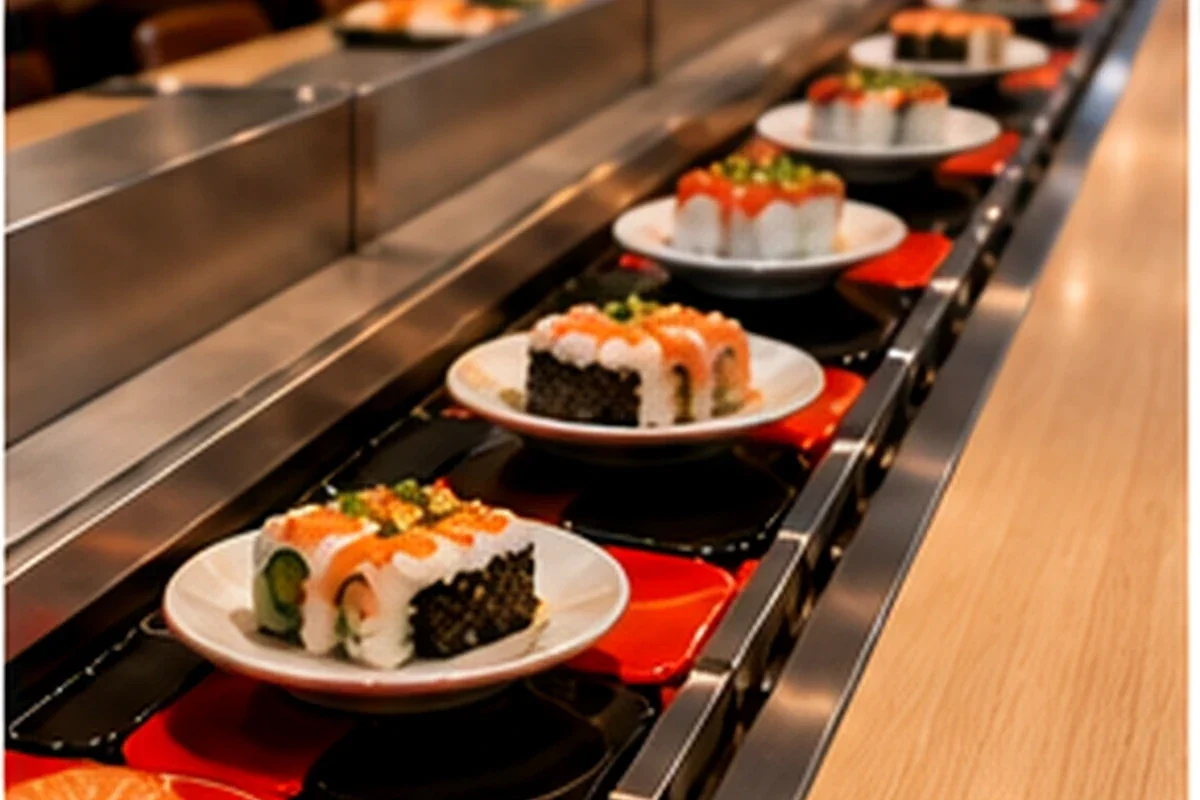
2. Measure dimensions so another engineer can reproduce the result
Dimensions should be measured with the same datum and method each time. Note whether the measurement was taken in a straight carrying section, at a curve, at the drive or on a removed bench sample. That context matters because service wear and articulation can change what the measuring tool sees.
For this crescent-top sushi conveyor chain, cross-check dimensions against model or sample and the surrounding crescent plates, side-flex articulation, guide tracks and sprocket engagement. If those features disagree with the machine drawing, treat the as-built machine as a separate record and identify the difference before purchasing a replacement. An old part number cannot explain a guide, transfer or sprocket that has been modified.
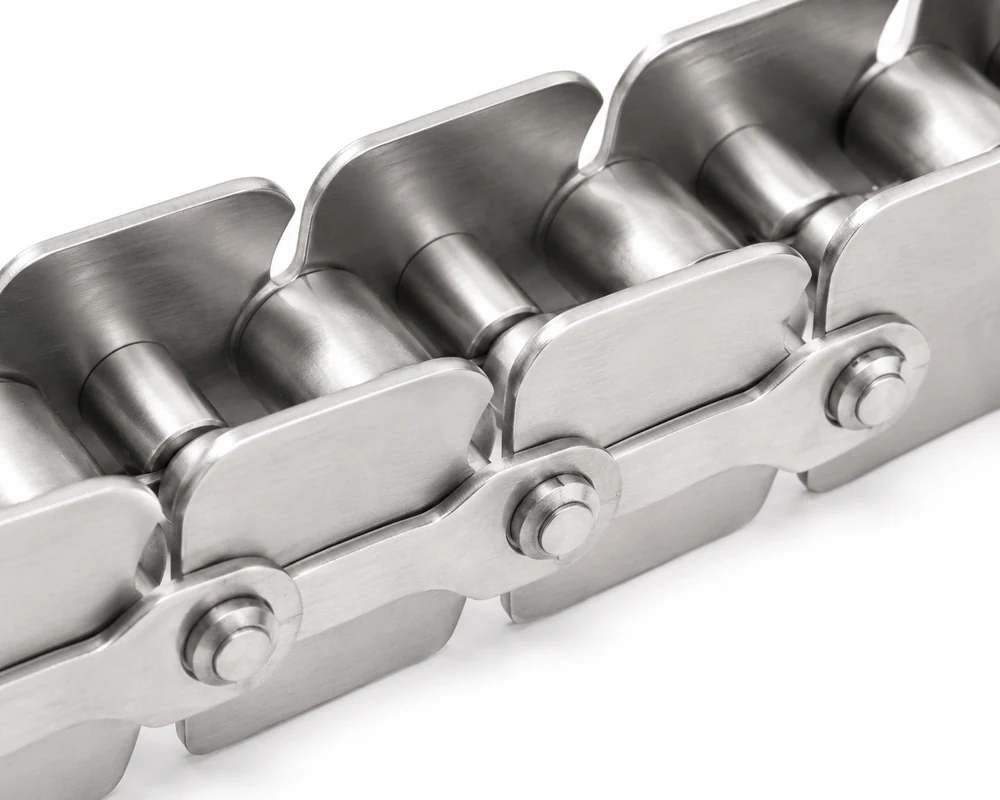
3. Connect curve and track photos to the mating drive, guide and support system
The practical question is not whether curve and track photos looks correct on the component; it is whether it matches the current drive, guide and support arrangement. Inspect the entry to the drive, transitions between supports, both conveyor edges and the return path. On a side-flexing chain, include the tightest curve. On a belt, include the transfer and edge guidance.
غیر متناسب لباس تلاش کریں۔ ایک طرف چمکدار ٹریک، بار بار وقفہ پر جھکی ہوئی کراس راڈ یا ایک ہک جس سے صرف ایک ریٹرن گائیڈ سے رابطہ ہوتا ہے مشین کی سیدھ میں آنے والے مسئلے کی نشاندہی کر سکتا ہے۔ نئے اجزاء کو فٹ کرنے سے پہلے انٹرفیس کو درست کرنا متبادل کو اسی نقصان کے پیٹرن کو وراثت میں ملنے سے روکتا ہے۔
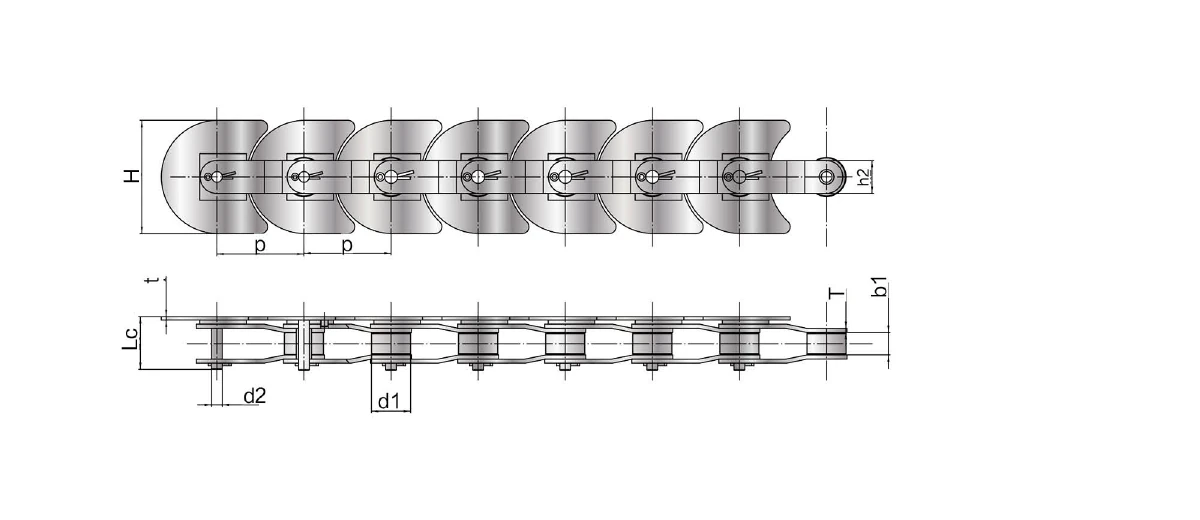
4. Treat quantity and operating conditions as an operating condition, not a guessed rating
Quantity And Operating Conditions should be described together with product size and spacing, line speed, starts and stops, curves or inclines, process zones and sanitation. Those conditions explain how the crescent-top sushi conveyor chain is used. They should not be converted into a universal product rating unless the relevant specification actually provides one.
جب آخری خریداری کے بعد سے عمل بدل گیا ہے، تو واضح طور پر کہیں۔ ایک نیا پیکیج سائز، پروڈکٹ کا زیادہ فاصلہ یا تبدیل شدہ منتقلی سپورٹ اور کلیئرنس کی ضروریات کو تبدیل کر سکتی ہے حالانکہ اصل جزو کا عہدہ تبدیل نہیں ہوتا ہے۔ دیکھ بھال کی خرابیوں کا سراغ لگانے کے لیے، ریکارڈ کریں کہ آیا علامات اس عمل میں تبدیلی سے پہلے یا بعد میں شروع ہوئی تھیں۔

5. Read wear and motion as evidence for sushi conveyor chain RFQ
For How to Prepare a Sushi Conveyor Chain RFQ, inspect the machine for changes in curve clearance, plate overlap, return support and dish/carrier transfer. Mark one joint, carrier or mesh row and follow it through the complete path at low speed. If the symptom follows the marked component everywhere, the component deserves closer inspection. If the symptom appears only at one location, investigate the local guide, sprocket, support or transfer first.
صفائی یا جدا کرنے سے پہلے دستاویز کا لباس ثبوت کو ہٹا دیتا ہے۔ نوٹ کریں کہ باقیات کہاں جمع ہوتی ہیں، کس طرف کو پالش کیا جاتا ہے، آیا پن یا راڈ شفٹ ہوا ہے، اور آیا پروڈکٹ اسی جگہ پر حرکت کرتا ہے یا نشان لگاتا ہے۔ نئے نمونے کا موازنہ کرتے وقت یہ حالت کا ریکارڈ مفید ہے کیونکہ یہ فراہم کنندہ اور دیکھ بھال کرنے والی ٹیم کو ایک مشترکہ حوالہ دیتا ہے۔
6. Commission the crescent-top sushi conveyor chain in controlled steps
تنصیب سے پہلے، کنویئر کو صاف کریں اور ملن حصوں کا معائنہ کریں۔ نقصان یا قدموں کے لیے سپروکیٹ دانت، گائیڈ کناروں، سپورٹ، ٹرانسفر پلیٹس، شافٹ اور ریٹرن رولر چیک کریں۔ جہتی تنازعہ کو چھپانے کے لیے جزو کو مجبور کیے بغیر یا ٹیک اپ کا استعمال کیے بغیر انسٹال کریں۔ جہاں دستی گردش عملی ہے، پاور لگانے سے پہلے سسٹم کو اہم انٹرفیس کے ذریعے منتقل کریں۔
Run empty at the lowest practical speed and observe the complete loop. Then introduce representative product spacing and repeat the observation. For sushi conveyor chain RFQ, pay special attention to model or sample, dimensions, curve and track photos and quantity and operating conditions. Record the accepted guide or take-up condition so later service inspections can compare against a known baseline.
7. مکینیکل فیصلے میں صفائی اور معائنہ تک رسائی شامل کریں۔
Food conveyors must remain inspectable after routine cleaning. For the crescent-top sushi conveyor chain, identify joints, wire intersections, carrier recesses, hook interfaces or guide channels where product residue can remain. Cleaning should remove residue without levering plates, bending wire or changing guide alignment. The required cleaning method must also be compatible with the specified component and the non-metallic parts around it.
صفائی کے بعد، کمیشننگ کے دوران استعمال ہونے والی مشینی چوکیوں کا معائنہ کریں۔ ایک سخت جوڑ، بے گھر گائیڈ، خراب کنارہ یا تبدیل شدہ ہک پوزیشن کو باقیات ہٹانے کے بعد دیکھنا آسان ہو سکتا ہے۔ اگر چکنا استعمال کیا جاتا ہے، تو یہ فرض کرنے کے بجائے اصل نظام کو ریکارڈ کریں کہ ہر فوڈ کنویئر پر ایک طریقہ لاگو ہوتا ہے۔

8. معائنے کو ایک مختصر RFQ میں تبدیل کریں۔
| آر ایف کیو بلاک | Information for sushi conveyor chain RFQ |
|---|---|
| Model Or Sample | Measure and photograph model or sample with its machine datum. |
| Dimensions | Record dimensions over enough repeats to reveal wear or variation. |
| Curve And Track Photos | Show how curve and track photos mates with the drive, guide, carrier or support. |
| Quantity And Operating Conditions | Describe quantity and operating conditions together with product, speed, process and sanitation. |
| تجارتی منصوبہ | ریاست کے نمونے کی مقدار، ماڈل کے لحاظ سے پیداوار کی مقدار، اور کوئی لازمی مواد یا عمل کی ضرورت۔ |
ہر ماڈل کو اس کی اپنی تکنیکی لائن پر رکھیں یہاں تک کہ جب کئی لائنیں تجارتی طور پر جوڑ دی جائیں۔ تصویروں اور نمونوں کو ایک ہی لائن آئٹم پر لیبل کریں۔ اگر کوئی طول و عرض کسی پہنے ہوئے حصے سے آتا ہے، تو ایسا کہیں۔ اگر مواد کا درجہ لازمی ہے، تو ضرورت بیان کریں۔ اگر درجہ بندی نامعلوم ہے، تو اسے جائزہ کے سوال کے طور پر چھوڑ دیں۔
9. Common mistakes when working on sushi conveyor chain RFQ
مختلف پچ، چوڑائی، اٹیچمنٹ، کنارے یا ڈرائیو جیومیٹری کا استعمال کرتے ہوئے دو اجزاء ایک جیسے سلہوٹ کا اشتراک کر سکتے ہیں۔
ایک ہی سروس میں پہنا ہوا جوائنٹ یا میش اوپننگ لمبائی یا اخترتی کو چھپا سکتا ہے۔ جہاں ممکن ہو ایک سے زیادہ تکرار کا استعمال کریں۔
خراب گائیڈز، سپروکیٹ، سپورٹ یا ٹرانسفر اسی ناکامی کو نئے جزو پر دوبارہ پیش کر سکتے ہیں۔
آپریٹنگ حالات درخواست کی وضاحت کرتے ہیں؛ وہ تبدیل نہیں کرتے جو اصل میں جزو پر ماپا گیا تھا۔
10. Frequently asked questions about sushi conveyor chain RFQ
What is the first check for sushi conveyor chain RFQ?
Start with model or sample and photograph how it relates to the current crescent-top sushi conveyor chain interface.
Why should dimensions be measured over several repeats?
ایک سے زیادہ تکرار سروس پہننے یا مقامی اخترتی کو مطلوبہ جیومیٹری سے الگ کرنا آسان بنا دیتے ہیں۔
How does curve and track photos affect the decision?
اسے الگ تھلگ کرنے کے بجائے میٹنگ ڈرائیو، گائیڈ، سپورٹ یا پروڈکٹ لے جانے والے انٹرفیس کے خلاف چیک کیا جانا چاہیے۔
What should be stated about quantity and operating conditions?
اسے پروڈکٹ، رفتار، عمل کی نمائش اور صفائی ستھرائی کے ساتھ ایک آپریٹنگ حالت کے طور پر بیان کریں۔
نمونہ کب مفید ہے؟
ایک مختصر نمونہ مفید ہے جب جیومیٹری کو تصویروں میں قابل اعتماد طریقے سے پکڑنا مشکل ہو یا جب اصل عہدہ غائب ہو۔
11. A four-step selection workflow for How to Prepare a Sushi Conveyor Chain RFQ
مرحلہ 1 - شناخت کریں: define the crescent-top sushi conveyor chain and machine position, then confirm running direction. مرحلہ 2 - پیمائش: record model or sample and dimensions using repeatable datums. مرحلہ 3 - انٹرفیس: verify curve and track photos against the current drive, guide, support and transfer arrangement. مرحلہ 4 - ڈیوٹی: describe quantity and operating conditions and the operating conditions that can affect product handling and maintenance.
اگر چار مراحل ایک کنفیگریشن کی طرف اشارہ کرتے ہیں تو پیداوار کی مقدار سے پہلے نمونہ یا پہلے آرٹیکل کی قبولیت کے طول و عرض کی وضاحت کریں۔ اگر وہ متصادم ہیں تو، اجزاء کی تفصیلات کو تبدیل کرنے سے پہلے مشین انٹرفیس کو حل کریں۔ ایک چھوٹا کنٹرول ٹرائل کسی جزو کو فٹ ہونے پر مجبور کرنے اور پھر پیداوار کی رفتار سے نتائج کو حل کرنے سے زیادہ معلوماتی ہے۔
12. Build a repeat-order record for sushi conveyor chain RFQ
قبول شدہ عہدہ، اہم جہتیں، موجودہ مشین کی تصاویر، کمیشن کا نتیجہ اور مشین کی پوزیشن کو ساتھ رکھیں۔ جب دیکھ بھال کو نیا لباس مل جائے تو اسی جگہوں پر تصاویر شامل کریں۔ جب مشین میں ترمیم کی جائے تو اسی وقت انٹرفیس ریکارڈ کو اپ ڈیٹ کریں۔ یہ اگلی متبادل انکوائری کو شناخت کی نئی مشق کے بجائے ایک قبول شدہ بیس لائن کے مقابلے میں موازنہ بناتا ہے۔
متعلقہ معلومات کے لیے، دیکھیں فوڈ کنویئر مصنوعات کی حد, the سلسلہ انتخاب گائیڈ اور RFQ چیک لسٹ. جب آپ اقتباس کرنے کے لیے تیار ہوں، تو اس صفحہ کے نیچے دیے گئے فارم کو استعمال کریں۔
13. Engineering notes specific to How to Prepare a Sushi Conveyor Chain RFQ
Do not treat model or sample, dimensions, curve and track photos and quantity and operating conditions as four independent checklist boxes. They interact through the machine. A change in one measured feature can alter guide clearance, drive engagement or product position elsewhere in the loop. For that reason, photographs should show both the component and the surrounding conveyor hardware, with a scale or known reference where practical.
When a replacement has to be produced before an unworn original is available, distinguish what is known from what is estimated. Use the current drawing, several measured repeats and machine datums to narrow the geometry. If uncertainty remains around an interface that is difficult to adjust on the machine, make that interface part of sample approval. For sushi conveyor chain RFQ, this is safer than compensating during installation with guide movement or excessive take-up.
بحالی کی ٹیمیں کامیاب تبدیلی کے بعد ہٹائے گئے لیکن قابل شناخت نمونے کو رکھ کر مستقبل کی خریداری کو بہتر بنا سکتی ہیں۔ چلانے کی سمت اور سامان کی پوزیشن کو نشان زد کریں۔ نمونہ کسی ڈرائنگ کی جگہ نہیں لیتا، لیکن یہ تشکیل شدہ خصوصیات، کنارے کی تفصیلات اور بیان کی تصدیق کر سکتا ہے جن کی ای میل میں وضاحت کرنا مشکل ہے۔ اسے کسی غیر دستاویزی تاریخی نمونے کے بجائے تازہ ترین جہتی ریکارڈ کے ساتھ جوڑیں۔
Finally, define who owns the acceptance decision. Purchasing can confirm quantity and commercial requirements; maintenance can confirm machine condition; engineering can approve the geometry and any changed interface. Bringing those observations together before production release reduces the risk that one department assumes another has already checked curve and track photos or the surrounding conveyor path.
14. Field worksheet for sushi conveyor chain RFQ
Use one worksheet for the machine and keep it with the accepted component record. Start with a line for model or sample: write the measured value or observed configuration, the measurement datum, and whether the feature is unworn, worn or estimated from a drawing. Add a second line for dimensions and record enough repeats to show variation rather than a single isolated number. This gives the supplier a traceable basis for comparison without pretending that service wear is a nominal dimension.
The next block should describe curve and track photos at the mating conveyor. Photograph the drive, guide, support or transfer that controls this feature and include a scale where possible. If the machine has been modified, label the modification. A useful photograph should answer where the part sits, which way it moves, what supports it and which fixed surfaces limit clearance.
Keep quantity and operating conditions in an operating-duty block. Record the product, spacing, speed, starts and stops, curve or incline, process zone and sanitation method that are relevant to How to Prepare a Sushi Conveyor Chain RFQ. If the current component has a recurring symptom, add when it appears: continuously, once per revolution, only under product load, only after cleaning, or only at one machine position. The timing often directs the next mechanical inspection.
کمیشن کرنے سے پہلے، قبولیت چیک کی وضاحت کریں۔ فیصلہ کریں کہ رسید پر کون سے جہتوں کی پیمائش کی جائے گی، کون سی مرئی خصوصیات منظور شدہ ترتیب سے مماثل ہونی چاہئیں اور کون سا کم رفتار ٹیسٹ استعمال کیا جائے گا۔ ٹیسٹ کے دوران، نشان زدہ جوائنٹ، ہک، کیریئر یا میش قطار کا استعمال کریں اور مکمل راستے پر چلیں۔ کسی بھی رابطے، لفٹ، سکیو، شور یا پروڈکٹ کی پوزیشن میں تبدیلی اور مشین کے مقام کو ریکارڈ کریں جہاں یہ ہوتا ہے۔
قبولیت کے بعد، ورک شیٹ، منظور شدہ تصاویر اور کسی بھی نمونے کا حوالہ خریداری کے ریکارڈ کے ساتھ رکھیں۔ اس کے بعد اگلی انکوائری میموری سے شروع ہونے کے بجائے موجودہ کنویئر کا قبول شدہ بیس لائن سے موازنہ کر سکتی ہے۔ اگر مشین، پروڈکٹ کی شکل یا صفائی کے عمل میں تبدیلی آتی ہے، تو اسی وقت ورک شیٹ کو اپ ڈیٹ کریں تاکہ مستقبل میں تبدیلی کی جانچ اس مشین کے خلاف کی جائے جو اصل میں موجود ہے۔
15. Record the approved setup for How to Prepare a Sushi Conveyor Chain RFQ
جب تکنیکی موازنہ ختم ہو جائے تو مختصر تکنیکی ریکارڈ میں فیصلے کا خلاصہ کریں۔ منتخب کردہ جزو یا کنفیگریشن، مشین کی پوزیشن، جانچنے والے طول و عرض، جائزے کے لیے استعمال ہونے والے آپریٹنگ حالات اور نمونے کی جانچ کے دوران کسی بھی ایسے نقطہ کو بیان کریں جس کی تصدیق کی ضرورت ہو۔ یہ بعد کے خریدار یا مینٹیننس ٹیکنیشن کو اس سیاق و سباق کے بغیر صرف ایک حصہ نمبر دیکھنے سے روکتا ہے جس نے اسے قابل قبول بنایا ہو۔
Keep changes visible. If a guide is moved, a sprocket is replaced, the product spacing changes or a transfer is rebuilt, update the technical record. For sushi conveyor chain RFQ, the most reliable repeat order is one that can be compared with the same machine datums and commissioning observations used the first time.