
产品描述
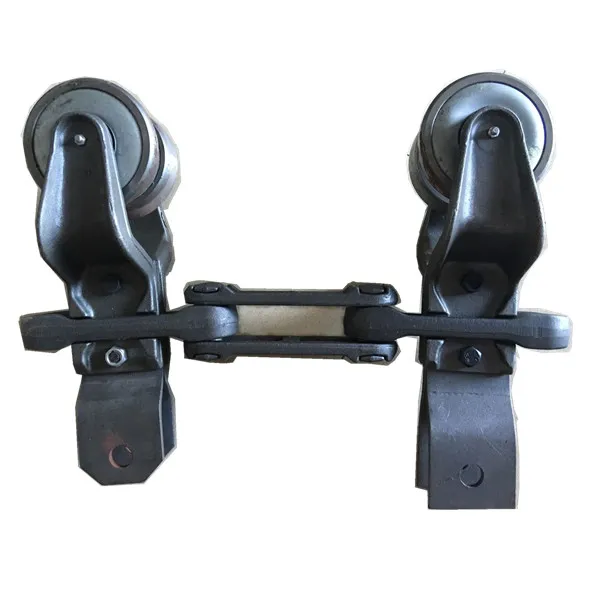
Scraper conveyor chain
P152F51/45/45A/45C/47/45D/45E/45F, P2000F29/29A, P101.6F20, RO6205MF3, MR56, MR80, MR224, MR315, FVR40/63/90/112
Forged chain , trolleys,carriers used on overhead conveyor production line.
Main products are Forge chain and trolley, welded link chain, Standard and non-standard stainless steel and carbon steel roller chain, Leaf chain, standard and non-standard conveyor chain, Scraper conveyor chain, Cranked link chain, double plus chain, double pitch transmission chain, plastic chain, sprockets and Other accessories.
Main products are Forge chain and trolley, welded link chain, Standard and non-standard stainless steel and carbon steel roller chain, Leaf chain, standard and non-standard conveyor chain, Scraper conveyor chain, Cranked link chain, double plus chain, double pitch transmission chain, plastic chain, sprockets and Other accessories.
The products can be combined to find the best possible solution for even the most demanding applications. Special solutions can also be developed for customers’ individual requirements.
Drop Forged Rivetless Chain, Drop Forged Chains, drop forged link,forged scraper chains.
1.Scraper chains P142,P142V,P142H,P200,P102,P250,P260
2.Detachable chain 51,52,55,57,62,74,78
3.Relevant overhead trolley&carriages&spare parts
4.as per your drawings or samples
| Drop forged detachable chains | X348,X458,X678,X698,F100,F160,P80,P100,P200 |
| CatterPilar Chains for | X348,X458,X678,X698 |
| 用法: | Conveyor System |
|---|---|
| 类型: | Conveyor |
| Surface: | Self Colored, Zinc Plated,Blacken |
| Process: | Forging |
| Transport Package: | Plywood Case. |
| Specification: | ISO |
| 定制化: |
可用的
| 定制请求 |
|---|

选择耐腐蚀输送链时需要考虑哪些因素?
在选择耐腐蚀输送链时,需要考虑多个因素,以确保输送链在腐蚀性环境中的使用寿命和性能。以下是一些关键考虑因素:
1. 材料选择:选择本身具有耐腐蚀性的链条材料。不锈钢,例如 AISI 304 或 AISI 316,因其优异的耐腐蚀性能而成为常用选择。根据具体应用需求,也可以考虑其他材料,例如塑料链条或特殊合金。
2. 涂层和表面处理:在某些情况下,可以采用额外的保护涂层或表面处理来增强链条的耐腐蚀性。这些涂层,例如镀锌、热镀锌或环氧涂层,可以在链条材料和腐蚀性物质之间形成屏障,防止直接接触,从而降低腐蚀风险。
3. 环境兼容性:考虑输送链使用环境中存在的具体腐蚀性物质。不同的腐蚀性物质,例如酸、碱或盐水,需要不同的耐腐蚀性能。确保所选链条材料和涂层与运行环境中的腐蚀性物质兼容。
4. 维护和润滑:适当的维护和润滑对于防止腐蚀和延长输送链的使用寿命至关重要。定期清洁、检查和涂抹合适的润滑剂有助于去除腐蚀性污染物,并保护链条表面免受损坏。
5. 测试和认证:选择已通过相关行业标准耐腐蚀性测试和认证的链条。寻找诸如 ISO 9227(盐雾试验)或 ASTM B117(耐腐蚀性试验)等认证,以确保链条在腐蚀性环境中的性能。
通过仔细考虑这些因素并咨询输送链制造商或耐腐蚀专家,您可以选择一条适合您特定腐蚀环境的链条,从而最大限度地降低腐蚀相关问题的风险,并确保最佳性能和使用寿命。
What are the design considerations for a long-span conveyor chain conveyor?
Designing a long-span conveyor chain conveyor requires careful consideration of various factors to ensure its efficiency, safety, and reliability. Here are some key design considerations:
1. Conveyor Chain Selection: Choose a conveyor chain that is suitable for long spans and can withstand the required load capacity. Consider factors such as chain material, pitch, strength, and durability to ensure it can handle the anticipated load and operating conditions.
2. Conveyor Structure: The conveyor structure should be designed to provide sufficient support and stability for the long span. Consider factors such as material strength, rigidity, and deflection to ensure the structure can handle the weight of the conveyor chain, the product being transported, and any additional loads.
3. Drive System: Select an appropriate drive system that can efficiently power the long-span conveyor chain. Consider factors such as motor power, speed, torque, and control mechanisms to ensure smooth and reliable operation.
4. Tensioning and Alignment: Proper tensioning and alignment of the conveyor chain are critical for its performance and longevity. Design the system with adequate provisions for tensioning devices and alignment mechanisms to maintain optimal chain tension and alignment throughout the conveyor’s length.
5. Supports and Bearings: Install adequate supports and bearings along the length of the conveyor to reduce chain sagging, minimize friction, and ensure smooth movement. Consider factors such as bearing type, lubrication, and maintenance requirements.
6. Conveyor Controls and Safety: Implement appropriate controls and safety features to monitor and control the operation of the long-span conveyor chain. This may include emergency stop systems, speed monitoring, overload protection, and safety interlocks.
7. Environmental Factors: Consider the environmental conditions in which the conveyor will operate, such as temperature, humidity, dust, and corrosive substances. Select materials and components that can withstand these conditions and implement proper ventilation, dust collection, and corrosion protection measures.
8. Maintenance and Accessibility: Design the conveyor system with ease of maintenance and accessibility in mind. Provide sufficient access points, walkways, and platforms for inspection, cleaning, and maintenance tasks. Consider factors such as lubrication points, conveyor cleaning systems, and easy replacement of worn components.
9. Future Expansion and Flexibility: Anticipate future needs for expansion or modifications and design the long-span conveyor chain conveyor with flexibility in mind. This may include allowing for additional conveyor sections, transfer points, or integration with other equipment.
By considering these design considerations, a long-span conveyor chain conveyor can be efficiently designed and optimized for its intended application, ensuring reliable and cost-effective material handling operations.
What lubrication is recommended for conveyor chains?
Choosing the right lubrication for conveyor chains is crucial for maintaining their performance and extending their lifespan. Here are some commonly recommended lubricants:
- Chain Oil: Chain oil is specifically designed for lubricating conveyor chains. It provides excellent lubrication, reduces friction, and helps prevent wear and corrosion. Chain oils come in various viscosities to suit different operating conditions.
- Synthetic Lubricants: Synthetic lubricants, such as synthetic oils and greases, offer enhanced performance and durability. They have excellent temperature stability, high resistance to oxidation and degradation, and superior lubricating properties. Synthetic lubricants are suitable for applications with high temperatures, heavy loads, or extreme operating conditions.
- Food-Grade Lubricants: For conveyor chains used in food processing or other industries with strict hygiene requirements, food-grade lubricants are recommended. These lubricants are formulated to be safe for incidental food contact and comply with relevant regulations and standards.
- Dry Film Lubricants: In certain applications where liquid lubricants are not suitable, such as dusty or dirty environments, dry film lubricants can be used. These lubricants form a protective coating on the chain surfaces, reducing friction and preventing wear.
When selecting a lubricant, consider the operating conditions, such as temperature, speed, load, and environmental factors. Consult the manufacturer’s recommendations and guidelines to ensure you choose the appropriate lubrication product for your specific conveyor chain. Regularly monitor the lubrication levels and reapply as needed to maintain optimal chain performance.


editor by CX 2023-11-07