وصف المنتج
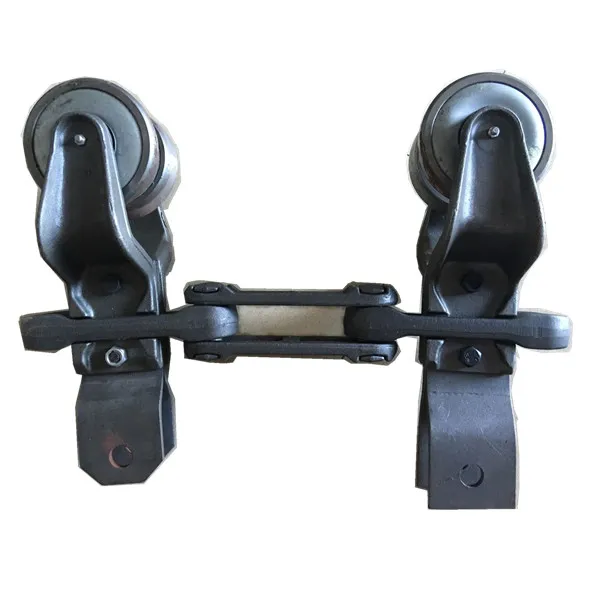
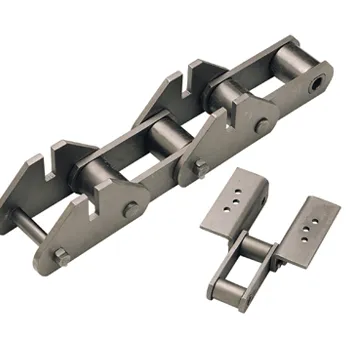
ISO16949: 2009 Approved Industrial Chain
لماذا تختارنا؟
1. HangZhou Xihu (West Lake) Dis.hua Chain Group Co., Ltd established in 1991, we have 5 subsidiaries in china and have 6 subsidiaries abroad;
2. we covering a production area of 200,100 square meters, have more than 1,800 sets of advanced equipment and over 3,100 highly skilled employees, the annual production capacity has exceeded 20,000,000meters;
3. we specialized in producing all kinds of standard chains and special chains, such as A or B series chains, driving chains, conveyor chains, hoisting chains, agricultural chains, sprockets, industrial chains, sprockets, gears, wheels and so on;
4. we have obtained ISO9001, ISO14001, ISO16969, AAA and API certificates.
5. Our partners among world top enterprises, such as JOHNDEERE, NEW HOLLAND, CLAAS, HONDA, KUBOTA, YANMAR, etc.
1. Industrial Chain Parts
2. Production flow chart
1. Incoming material
2. Inspection
3. Production of chain board (cold roll steel/punch/heat treatment/shot blasting/cleaning)
4. Production of roller(burr wiping & smear/heat treatment/wiping grinding/cleaning)
5. Production of quill(burr wiping & smear/centerless cylindrical grinding/heat treatment/shining)
6. Production of shaft(cutting/chamfering/heat treatment/ centerless cylindrical grinding/cleaning)
7. Assembling
8. Final inspection
9. Packing
3. Certificate
4. Company Information
HangZhou Xihu (West Lake) Dis.hua Chain Group Co., Ltd was founded in 1 9 9 1, and now it has five wholly owned subsidiaries, one in ZheJiang province, other four in HangZhou, ZHangZhoug province, it is a professional manufacturer of chains, sprockets, tooth gears and various power transmission products.
The group has XIHU (WEST LAKE) DIS.HUA, ZIQIANG brands, is focused on producing all variety of standard roller chains and special chains, such as conveyor chain, stainless steel chain, agricultural chain. With Xihu (West Lake) Dis.hua brand registered in more than 70 countries like America, Europe, Japan, it is building long term cooperation with these world top enterprises, such as JOHNDEERE, NEW HOLLAND, CLAAS, HONDA, KUBOTA, YANMAR.
There is a technical center of province level, Xihu (West Lake) Dis.hua academician working station, experiment station for Xihu (West Lake) Dis.hua post doctors, and national hundreds of program set up in Xihu (West Lake) Dis.hua group. With these platforms and strong technical ability, the more than hundreds of Engineers and technicians have developed all variety of special high precise and high strength products, conducted mold programs for key components in the car and national industry revitalizing program.
Great attention has been paid on environmental protection and energy saving. The product well displays environmental protection and energy saving. In the year of 2 0 0 0, Xihu (West Lake) Dis.hua took the lead in gaining I S O 1 4 0 0 1 environment management certificate and thereafter passed the inspection of clean production and recycling economy, winning the title of “ZHangZhoug Green Enterprise”.
“We are always serving our customers with our best products.”
| الاستخدام: | سلسلة ناقلة |
|---|---|
| مادة: | سبائك/فولاذ كربوني |
| معالجة السطح: | الطلاء الكهربائي |
| ميزة: | مقاوم للحرارة |
| حجم السلسلة: | 1/2"*11/128" |
| بناء: | سلسلة بكرات |
| التخصيص: |
متاح
| طلب مخصص |
|---|
How do you calculate the required horsepower for a conveyor chain drive?
The calculation of required horsepower for a conveyor chain drive involves considering various factors related to the conveyor system and the specific application. Here is a step-by-step process:
1. Determine the Total Resistance:
– Calculate the total resistance that the conveyor chain needs to overcome during operation. This includes the resistance due to the load being conveyed, frictional losses, elevation changes, and any other resistances in the system.
2. Convert the Resistance to Equivalent Inertia:
– Convert the total resistance to an equivalent inertia by multiplying it by the square of the chain speed.
3. Calculate the Total Inertia:
– Determine the total inertia of the system by considering the inertia of all the rotating components, such as the conveyor chain, sprockets, and any other driven elements.
4. Determine the Required Torque:
– Calculate the required torque by multiplying the total inertia by the desired acceleration or deceleration rate.
5. Convert Torque to Horsepower:
– Convert the required torque to horsepower by dividing it by the motor speed (in RPM) and multiplying by a conversion factor.
6. Consider Safety Factors and Efficiency:
– Apply safety factors to the calculated horsepower to account for variations, contingencies, and future growth.
– Consider the efficiency of the drive system, including the motor, gearbox, and other transmission components, to ensure accurate power transmission.
It’s important to note that the above calculation method provides an estimate of the required horsepower. Consulting with conveyor system manufacturers, engineers, or industry-specific guidelines is recommended for precise calculations and to ensure the selected conveyor chain drive meets the application requirements.
كيف تؤثر سلسلة النقل على تدفق المواد في خط الإنتاج؟
تلعب سلسلة النقل دورًا حاسمًا في تسهيل التدفق السلس والفعال للمواد في خط الإنتاج. فيما يلي أهم الطرق التي تؤثر بها سلسلة النقل على تدفق المواد:
1. الحركة المستمرة: تُمكّن سلسلة النقل من الحركة المستمرة للمواد على طول خط الإنتاج. ومن خلال تثبيت المواد ونقلها بأمان، تضمن السلسلة تدفقًا ثابتًا دون انقطاعات أو تأخيرات.
٢. التحكم في السرعة: يمكن تعديل سرعة حركة سلسلة النقل لتتناسب مع معدل الإنتاج المطلوب. يتيح ذلك تحكمًا دقيقًا في تدفق المواد، مما يضمن توافقه مع العمليات اللاحقة وتجنب الاختناقات أو التحميل الزائد.
3. التوجيه والوضع: يمكن تصميم سلاسل النقل بملحقات أو تجهيزات خاصة لتوجيه المواد ووضعها بالشكل المطلوب. وهذا يضمن عرض المواد بشكل صحيح للمعالجة أو التجميع أو التعبئة، مما يُحسّن تدفق الإنتاج بشكل عام.
4. الفرز والتوزيع: في بعض التطبيقات، يمكن تجهيز سلاسل النقل بآليات لفرز المواد أو توزيعها بناءً على معايير محددة مسبقًا. وهذا يسمح بتوجيه المنتجات أو المكونات المختلفة بكفاءة إلى وجهاتها المحددة، مما يُحسّن تدفق المواد.
5. التجميع والتخزين المؤقت: يمكن أن تتضمن سلاسل النقل مناطق تجميع أو مناطق تخزين مؤقتة حيث يمكن للمواد أن تتوقف أو تتراكم مؤقتًا. تُعد هذه الميزة مفيدة عندما تتعرض العمليات اللاحقة لاضطرابات مؤقتة أو عندما تكون هناك حاجة إلى موازنة التدفق بين مراحل الإنتاج المختلفة.
٦. التكامل مع المعدات: يمكن دمج سلاسل النقل مع معدات أو آلات أخرى في خط الإنتاج، مثل الأذرع الروبوتية، وأنظمة التعبئة والتغليف الآلية، أو محطات الفحص. يتيح هذا التكامل السلس مناولة المواد بشكل متزامن، مما يحسن انسيابية وكفاءة عملية الإنتاج بأكملها.
٧. التخصيص لتلبية الاحتياجات الخاصة: يمكن تخصيص سلاسل النقل لتلبية متطلبات مناولة المواد المحددة. ويشمل ذلك اعتبارات مثل عرض السلسلة وطولها وتعديلات الارتفاع والميول الصاعدة أو الهابطة والملحقات أو الموجهات المتخصصة. يضمن هذا التخصيص أن يكون تدفق المواد مصممًا خصيصًا لتلبية الاحتياجات الفريدة لخط الإنتاج.
من خلال توفير طريقة موثوقة ومضبوطة لنقل المواد، تؤثر سلسلة النقل بشكل كبير على تدفق المواد في خط الإنتاج. فهي تعزز الإنتاجية، وتقلل من المناولة اليدوية، وتقلل من مخاطر الأخطاء أو التلف، وتساهم في نهاية المطاف في الكفاءة والنجاح الشاملين لعملية التصنيع.

ما هي الاعتبارات المتعلقة بالتكلفة عند شراء سلسلة ناقلة؟
عند شراء سلسلة ناقلة، هناك العديد من الاعتبارات المتعلقة بالتكلفة التي يجب أخذها في الحسبان لضمان الاستثمار الأمثل والكفاءة التشغيلية.
1. التكلفة الأولية: تشمل التكلفة الأولية لسلسلة النقل تكلفة السلسلة نفسها، بالإضافة إلى أي مكونات إضافية مثل التروس والملحقات ووصلات الربط. من المهم مقارنة الأسعار من مختلف الموردين وتقييم القيمة الإجمالية مقابل المال.
٢. تكاليف الصيانة والإصلاح: ضع في اعتبارك تكاليف الصيانة والإصلاح طويلة الأجل المرتبطة بسلسلة النقل. قد تتطلب بعض السلاسل تشحيمًا أو استبدالًا متكررًا للمكونات، مما قد يزيد من إجمالي نفقات التشغيل.
3. العمر التشغيلي: يُعد العمر التشغيلي لسلسلة النقل عاملاً أساسياً في تحديد جدواها الاقتصادية. قد تكون تكلفة السلاسل ذات العمر التشغيلي الأطول أعلى في البداية، ولكنها قد تؤدي إلى انخفاض تكاليف الاستبدال ووقت التوقف على المدى الطويل.
4. كفاءة الطاقة: يُعد استهلاك الطاقة تكلفة مستمرة يجب أخذها في الاعتبار. يمكن لسلاسل النقل التي توفر احتكاكًا أقل ونقلًا فعالًا للطاقة أن تساهم في توفير الطاقة وتقليل نفقات التشغيل.
5. سهولة الصيانة: ضع في اعتبارك سهولة الصيانة عند اختيار سلسلة ناقلة. فالسلاسل التي يسهل تنظيفها وفحصها وصيانتها يمكن أن تقلل من تكاليف العمالة وتزيد من كفاءة التشغيل.
6. التوافق والتكامل: تأكد من توافق سلسلة النقل المختارة مع نظام النقل أو المعدات الموجودة. قد تترتب تكاليف إضافية على تحديث النظام أو تعديله لاستيعاب سلسلة معينة.
7. دعم المورد والضمان: قيّم مستوى الدعم الفني الذي يقدمه المورد ونطاق تغطية الضمان لسلسلة النقل. قد يؤثر ذلك على التكلفة الإجمالية للملكية ويمنحك راحة البال في حال حدوث أي مشاكل غير متوقعة.
من المهم مراعاة هذه العوامل بشكل شامل وإجراء تحليل للتكلفة والعائد بناءً على المتطلبات المحددة للتطبيق. سيساعد اختيار سلسلة نقل تتوافق مع الميزانية واحتياجات الأداء واعتبارات التكلفة طويلة الأجل على تحسين الاستثمار وضمان كفاءة عمليات مناولة المواد.


editor by CX 2023-10-16