
وصف المنتج
سلسلة ناقلة كاشطة
P152F51/45/45A/45C/47/45D/45E/45F، P2000F29/29A، P101.6F20، RO6205MF3، MR56، MR80، MR224، MR315، FVR40/63/90/112
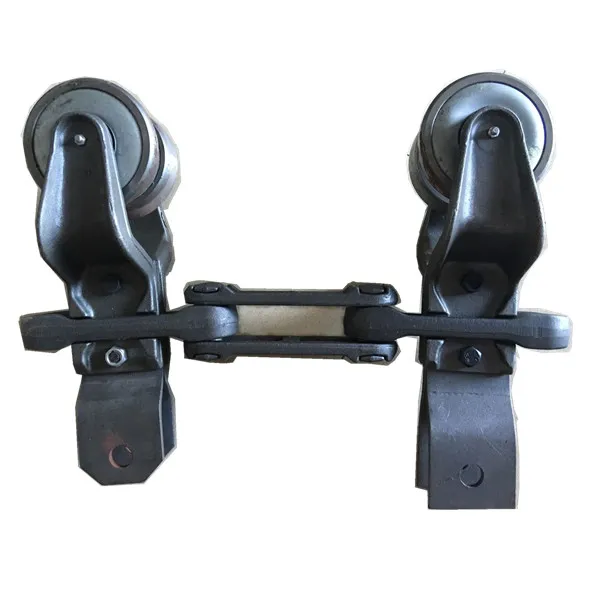
سلاسل وعربات وحوامل مصنوعة من الفولاذ المطروق، تستخدم في خطوط إنتاج السيور الناقلة العلوية.
تشمل المنتجات الرئيسية سلاسل وعربات الحدادة، وسلاسل الوصلات الملحومة، وسلاسل البكرات القياسية وغير القياسية المصنوعة من الفولاذ المقاوم للصدأ والفولاذ الكربوني، وسلاسل الأوراق، وسلاسل النقل القياسية وغير القياسية، وسلاسل نقل الكاشطات، وسلاسل الوصلات المنحنية، وسلاسل الوصلات المزدوجة، وسلاسل نقل الحركة ذات الخطوة المزدوجة، والسلاسل البلاستيكية، والعجلات المسننة، وغيرها من الملحقات.
تشمل المنتجات الرئيسية سلاسل وعربات الحدادة، وسلاسل الوصلات الملحومة، وسلاسل البكرات القياسية وغير القياسية المصنوعة من الفولاذ المقاوم للصدأ والفولاذ الكربوني، وسلاسل الأوراق، وسلاسل النقل القياسية وغير القياسية، وسلاسل نقل الكاشطات، وسلاسل الوصلات المنحنية، وسلاسل الوصلات المزدوجة، وسلاسل نقل الحركة ذات الخطوة المزدوجة، والسلاسل البلاستيكية، والعجلات المسننة، وغيرها من الملحقات.
يمكن دمج المنتجات لإيجاد الحل الأمثل حتى لأكثر التطبيقات تطلبًا. كما يمكن تطوير حلول خاصة لتلبية الاحتياجات الفردية للعملاء.
سلسلة مطروقة بدون مسامير، سلاسل مطروقة، وصلة مطروقة، سلاسل كاشطة مطروقة.
1. سلاسل الكاشطة P142، P142V، P142H، P200، P102، P250، P260
2. سلسلة قابلة للفصل 51، 52، 55، 57، 62، 74، 78
3. عربات النقل العلوية وقطع الغيار ذات الصلة
4. وفقًا لرسوماتك أو عيناتك
| سلاسل قابلة للفصل مصنوعة بتقنية التشكيل بالضغط | X348، X458، X678، X698، F100، F160، P80، P100، P200 |
| سلاسل كاتربيلر لـ | X348، X458، X678، X698 |
| الاستخدام: | نظام النقل |
|---|---|
| يكتب: | ناقل |
| سطح: | لون ذاتي، مطلي بالزنك، أسود |
| عملية: | التشكيل |
| حزمة النقل: | صندوق من الخشب الرقائقي. |
| مواصفة: | ISO |
| التخصيص: |
متاح
| طلب مخصص |
|---|

ما هي الاعتبارات التي يجب مراعاتها عند اختيار سلسلة ناقلة مقاومة للتآكل؟
عند اختيار سلسلة ناقلة مقاومة للتآكل، يجب مراعاة عدة عوامل لضمان عمر السلسلة وأدائها في البيئات المسببة للتآكل. فيما يلي بعض الاعتبارات الرئيسية:
1. اختيار المادة: اختر مادة سلسلة مقاومة للتآكل بطبيعتها. يُعد الفولاذ المقاوم للصدأ، مثل AISI 304 أو AISI 316، خيارًا شائعًا نظرًا لخصائصه الممتازة في مقاومة التآكل. كما يمكن النظر في مواد أخرى مثل السلاسل البلاستيكية أو السبائك الخاصة بناءً على متطلبات التطبيق المحددة.
٢. الطلاءات ومعالجات الأسطح: في بعض الحالات، يمكن تطبيق طلاءات واقية إضافية أو معالجات للأسطح لتعزيز مقاومة السلسلة للتآكل. تُشكل هذه الطلاءات، مثل طلاء الزنك أو الجلفنة أو طلاءات الإيبوكسي، حاجزًا بين مادة السلسلة والمواد المسببة للتآكل، مما يمنع التلامس المباشر ويقلل من خطر التآكل.
3. التوافق البيئي: يجب مراعاة العوامل المسببة للتآكل الموجودة في البيئة التي ستُستخدم فيها سلسلة النقل. تتطلب المواد المسببة للتآكل المختلفة، مثل الأحماض والقلويات والمياه المالحة، خصائص مقاومة محددة. تأكد من أن مادة السلسلة المختارة والطلاءات متوافقة مع العوامل المسببة للتآكل الموجودة في بيئة التشغيل.
٤. الصيانة والتشحيم: تلعب الصيانة والتشحيم السليمان دورًا حاسمًا في منع التآكل وإطالة عمر سلسلة النقل. يساعد التنظيف والفحص المنتظمين، بالإضافة إلى استخدام مواد التشحيم المناسبة، على إزالة الملوثات المسببة للتآكل وحماية سطح السلسلة من التلف.
5. الاختبار والاعتماد: يُنصح باختيار السلاسل التي خضعت لاختبارات وحصلت على شهادات مقاومة للتآكل وفقًا لمعايير الصناعة ذات الصلة. ابحث عن شهادات مثل ISO 9227 (اختبار رذاذ الملح) أو ASTM B117 (اختبار مقاومة التآكل) لضمان أداء السلسلة في البيئات المسببة للتآكل.
من خلال دراسة هذه العوامل بعناية والتشاور مع مصنعي سلاسل النقل أو خبراء مقاومة التآكل، يمكنك اختيار سلسلة مناسبة تمامًا لبيئتك المسببة للتآكل، مما يقلل من مخاطر المشكلات المتعلقة بالتآكل ويضمن الأداء الأمثل وطول العمر.
What are the design considerations for a long-span conveyor chain conveyor?
Designing a long-span conveyor chain conveyor requires careful consideration of various factors to ensure its efficiency, safety, and reliability. Here are some key design considerations:
1. Conveyor Chain Selection: Choose a conveyor chain that is suitable for long spans and can withstand the required load capacity. Consider factors such as chain material, pitch, strength, and durability to ensure it can handle the anticipated load and operating conditions.
2. Conveyor Structure: The conveyor structure should be designed to provide sufficient support and stability for the long span. Consider factors such as material strength, rigidity, and deflection to ensure the structure can handle the weight of the conveyor chain, the product being transported, and any additional loads.
3. Drive System: Select an appropriate drive system that can efficiently power the long-span conveyor chain. Consider factors such as motor power, speed, torque, and control mechanisms to ensure smooth and reliable operation.
4. Tensioning and Alignment: Proper tensioning and alignment of the conveyor chain are critical for its performance and longevity. Design the system with adequate provisions for tensioning devices and alignment mechanisms to maintain optimal chain tension and alignment throughout the conveyor’s length.
5. Supports and Bearings: Install adequate supports and bearings along the length of the conveyor to reduce chain sagging, minimize friction, and ensure smooth movement. Consider factors such as bearing type, lubrication, and maintenance requirements.
6. Conveyor Controls and Safety: Implement appropriate controls and safety features to monitor and control the operation of the long-span conveyor chain. This may include emergency stop systems, speed monitoring, overload protection, and safety interlocks.
7. Environmental Factors: Consider the environmental conditions in which the conveyor will operate, such as temperature, humidity, dust, and corrosive substances. Select materials and components that can withstand these conditions and implement proper ventilation, dust collection, and corrosion protection measures.
8. Maintenance and Accessibility: Design the conveyor system with ease of maintenance and accessibility in mind. Provide sufficient access points, walkways, and platforms for inspection, cleaning, and maintenance tasks. Consider factors such as lubrication points, conveyor cleaning systems, and easy replacement of worn components.
9. Future Expansion and Flexibility: Anticipate future needs for expansion or modifications and design the long-span conveyor chain conveyor with flexibility in mind. This may include allowing for additional conveyor sections, transfer points, or integration with other equipment.
By considering these design considerations, a long-span conveyor chain conveyor can be efficiently designed and optimized for its intended application, ensuring reliable and cost-effective material handling operations.
What lubrication is recommended for conveyor chains?
Choosing the right lubrication for conveyor chains is crucial for maintaining their performance and extending their lifespan. Here are some commonly recommended lubricants:
- Chain Oil: Chain oil is specifically designed for lubricating conveyor chains. It provides excellent lubrication, reduces friction, and helps prevent wear and corrosion. Chain oils come in various viscosities to suit different operating conditions.
- Synthetic Lubricants: Synthetic lubricants, such as synthetic oils and greases, offer enhanced performance and durability. They have excellent temperature stability, high resistance to oxidation and degradation, and superior lubricating properties. Synthetic lubricants are suitable for applications with high temperatures, heavy loads, or extreme operating conditions.
- Food-Grade Lubricants: For conveyor chains used in food processing or other industries with strict hygiene requirements, food-grade lubricants are recommended. These lubricants are formulated to be safe for incidental food contact and comply with relevant regulations and standards.
- Dry Film Lubricants: In certain applications where liquid lubricants are not suitable, such as dusty or dirty environments, dry film lubricants can be used. These lubricants form a protective coating on the chain surfaces, reducing friction and preventing wear.
When selecting a lubricant, consider the operating conditions, such as temperature, speed, load, and environmental factors. Consult the manufacturer’s recommendations and guidelines to ensure you choose the appropriate lubrication product for your specific conveyor chain. Regularly monitor the lubrication levels and reapply as needed to maintain optimal chain performance.


editor by CX 2023-11-07