Descripción del Producto
| Número de modelo. | 06C/08A/10A/12A/16A/20A/24A/28A/32A/40A/06B/08B/10B/12B/16B/20B/24B/28B/32B/40B-1/2/3 Servicio pesado |
| Modelo de cadena | Cadenas de rodillos |
| Estructura (para la cadena) | Cadena de rodillos |
| Especificación | GB/T, estruendo, ANSI, ISO, BS, JIS. |
| Origen | HangZhou, ZheJiang |
| Color | Color sólido |
| Color de la cadena | Personalizado |
Nuestra empresa
Wolff Chain Co. es uno de los fabricantes de cadenas profesionales en China. Nos especializamos en la investigación, fabricación y comercialización de sistemas de transmisión por cadena de marcas reconocidas como DOVON y DECHO. Ofrecemos servicios OEM a numerosas empresas de renombre, como SUZUKI, XIHU (WEST LAKE) DIS., FAW, AGCO y JUMING.
Wolff fabrica principalmente cadenas de transmisión, cadenas transportadoras, cadenas de arrastre, cadenas silenciosas, cadenas de hojas, cadenas de rodillos, cadenas especiales y muchas otras series de cadenas. Nuestros técnicos han mejorado la calidad de las cadenas hasta alcanzar un nivel internacional. La selección de materiales de alta calidad, la potente y precisa tecnología de tratamiento térmico y los excelentes métodos de ensamblaje garantizan que las cadenas Wolff cumplan con los exigentes requisitos de maquinaria y vehículos.
Todos nuestros productos cumplen con los estándares internacionales ISO, DIN, ANSI, BS, JIS, etc. Wolff ha obtenido la certificación ISO 9001, la inspección de SGS y la inspección de BV. Las cadenas Wolff se utilizan ampliamente en diversas industrias, como la automotriz, la de motocicletas, la de montacargas, la de maquinaria para el procesamiento de madera, la de construcción, la de embalaje, la de alimentos, la de tabaco y la agrícola. Las cadenas Wolff son populares en los mercados de América, Sudamérica, Europa, Oriente Medio, el Sudeste Asiático y África.
Nuestro taller
Nuestra certificación
Bienvenidos a nuestra exposición.
Preguntas frecuentes
Q1. ¿Cuáles son sus condiciones de embalaje?
R: Generalmente, empacamos nuestros productos en cajas de un solo color. Si tiene alguna solicitud especial sobre el embalaje, por favor, consúltenos con anticipación; podemos empacar los productos según sus indicaciones.
P2. ¿Cuáles son sus condiciones de pago?
A: T/T 30% como depósito y 70% antes de la entrega. Le mostraremos las fotos de los productos y los paquetes.
Antes de pagar el saldo. Para otras condiciones de pago, por favor negocie con nosotros con antelación; podemos hablarlo.
P3. ¿Cuáles son sus condiciones de entrega?
A: EXW, FOB, CFR, CIF.
P4. ¿Cuál es su plazo de entrega?
R: Generalmente, tardará entre 25 y 30 días después de recibir su pago por adelantado. El tiempo de entrega específico depende
en los artículos y la cantidad de su pedido.
P5. ¿Pueden fabricar según las muestras?
R: Sí, podemos fabricar según sus muestras o planos técnicos. Podemos construir los moldes y las herramientas.
P6. ¿Cuál es su política de muestras?
R: Podemos suministrar la muestra si tenemos piezas disponibles en stock, pero los clientes deben pagar el costo de la muestra y
el costo del envío. Aceptamos pedidos de muestra.
P7. ¿Prueban todos sus productos antes de la entrega?
A: Sí, realizamos la prueba 100% antes de la entrega.
P8: ¿Cómo logran que nuestra relación comercial sea buena y duradera?
1. Mantenemos una buena calidad y precios competitivos para garantizar el beneficio de nuestros clientes;
2. Respetamos a cada cliente como a un amigo y sinceramente hacemos negocios y entablamos amistad con ellos,
No importa de dónde vengan.
| Estándar o no estándar: | Estándar |
|---|---|
| Solicitud: | Maquinaria textil, maquinaria para la confección, equipos de transporte, maquinaria de embalaje, maquinaria para la industria alimentaria, maquinaria naval, equipos de minería. |
| Tratamiento de superficie: | Florecimiento del petróleo |
| Estructura: | Cadena de rodillos |
| Material: | Acero carbono |
| Tipo: | Cadena de paso corto |
| Muestras: |
US$ 0/Pieza
1 unidad (pedido mínimo) | |
|---|
| Personalización: |
Disponible
| Solicitud personalizada |
|---|
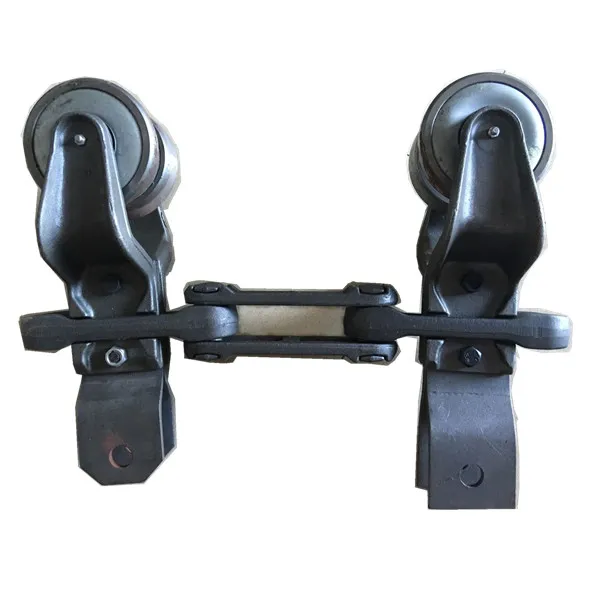
How do you calculate the required horsepower for a conveyor chain drive?
The calculation of required horsepower for a conveyor chain drive involves considering various factors related to the conveyor system and the specific application. Here is a step-by-step process:
1. Determine the Total Resistance:
– Calculate the total resistance that the conveyor chain needs to overcome during operation. This includes the resistance due to the load being conveyed, frictional losses, elevation changes, and any other resistances in the system.
2. Convert the Resistance to Equivalent Inertia:
– Convert the total resistance to an equivalent inertia by multiplying it by the square of the chain speed.
3. Calculate the Total Inertia:
– Determine the total inertia of the system by considering the inertia of all the rotating components, such as the conveyor chain, sprockets, and any other driven elements.
4. Determine the Required Torque:
– Calculate the required torque by multiplying the total inertia by the desired acceleration or deceleration rate.
5. Convert Torque to Horsepower:
– Convert the required torque to horsepower by dividing it by the motor speed (in RPM) and multiplying by a conversion factor.
6. Consider Safety Factors and Efficiency:
– Apply safety factors to the calculated horsepower to account for variations, contingencies, and future growth.
– Consider the efficiency of the drive system, including the motor, gearbox, and other transmission components, to ensure accurate power transmission.
It’s important to note that the above calculation method provides an estimate of the required horsepower. Consulting with conveyor system manufacturers, engineers, or industry-specific guidelines is recommended for precise calculations and to ensure the selected conveyor chain drive meets the application requirements.
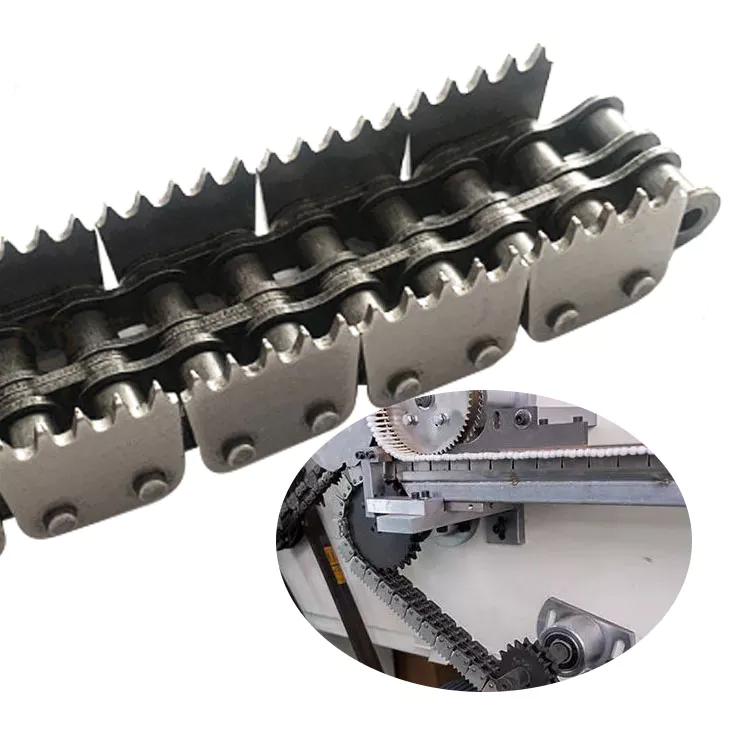
How do you select the appropriate lubricant for a conveyor chain?
Selecting the right lubricant is crucial for maintaining the performance and longevity of a conveyor chain. Here are the key factors to consider when choosing a lubricant:
1. Chain Type and Material: Different conveyor chains may have specific requirements for lubrication based on their construction materials and design. Consult the manufacturer’s recommendations or specifications to determine the lubricant compatibility.
2. Operating Conditions: Consider the operating environment, such as temperature, humidity, and presence of contaminants. For high-temperature applications, choose a lubricant with a higher temperature tolerance. In wet or dusty environments, opt for lubricants that offer excellent resistance to water washout and provide effective protection against contaminants.
3. Load and Speed: Evaluate the load capacity and speed of the conveyor chain. Higher loads and speeds may require lubricants with better film strength and anti-wear properties to reduce friction and prevent premature wear.
4. Lubrication Method: Determine the lubrication method that will be used for the conveyor chain. Lubricants can be applied through drip systems, brushes, spray nozzles, or automatic lubrication systems. Consider the viscosity and consistency of the lubricant to ensure proper application and distribution.
5. Food-Grade Requirements: In food processing or pharmaceutical applications, where direct contact with the product may occur, it’s essential to use food-grade lubricants that meet industry regulations and requirements for safety and hygiene.
6. Maintenance Schedule: Consider the desired maintenance intervals and the lubricant’s longevity. Some lubricants may require more frequent reapplication, while others provide longer-lasting lubrication.
7. Compatibility with Other Materials: Take into account the compatibility of the lubricant with other materials in the conveyor system, such as seals, gaskets, and paints. Ensure that the lubricant does not cause any adverse effects on these components.
It is recommended to consult with lubricant manufacturers or industry experts to select the most suitable lubricant for your specific conveyor chain application. They can provide guidance based on their expertise and knowledge of lubricant formulations and performance characteristics.

Can a conveyor chain be used in high-temperature environments?
Yes, conveyor chains can be designed and used in high-temperature environments, but it depends on the specific type of chain and the temperature range involved. Here are some key considerations:
- Material Selection: Conveyor chains for high-temperature applications are typically made from heat-resistant materials such as stainless steel or alloy steels that can withstand elevated temperatures without significant degradation.
- Lubricación: Proper lubrication is essential in high-temperature environments to minimize friction and wear. Special high-temperature lubricants are available that can withstand the operating temperatures and provide effective chain lubrication.
- Diseño de la cadena: Chains used in high-temperature environments may have specific design features to accommodate thermal expansion and minimize the risk of binding or seizing. These can include increased clearances, special joint designs, or heat-resistant coatings.
- Temperature Limitations: Each conveyor chain has a maximum temperature limit specified by the manufacturer. It is important to consider this limit and ensure that the operating temperature does not exceed it to maintain the integrity and performance of the chain.
- Proper Maintenance: Regular inspection and maintenance are crucial in high-temperature applications. This includes monitoring chain wear, lubrication levels, and any signs of heat-induced damage or degradation.
However, it is important to note that the suitability of a conveyor chain for high-temperature environments ultimately depends on the specific operating conditions, including the temperature range, duration of exposure, and the application requirements. It is recommended to consult with the chain manufacturer or an experienced engineer to select the appropriate chain and ensure its safe and reliable operation in high-temperature environments.


editor by CX 2023-10-31