Penerangan Produk
| Model NO. | 06C/08A/10A/12A/16A/20A/24A/28A/32A/40A/06B/08B/10B/12B/16B/20B/24B/28B/32B/40B-1/2/3 Heavy duty |
| Chain Model | Roller Chains |
| Structure (for Chain) | Roller Chain |
| Specification | GB/T, DIN, ANSI, ISO, BS, JIS. |
| Origin | HangZhou, ZheJiang |
| Warna | Solid Color |
| Chain Color | Customized |
Our company
Wolff Chain Co. is 1 of the professional chain manufacturers in China. We focus on reseaching, manufacturing and trading of the chain drive with famous brands — “DOVON” and “DECHO”. We supply OEM services for many famous enterprises such as SUZUKI, XIHU (WEST LAKE) DIS., FAW, AGCO, JUMING as well.
Wolff mainly producing the Transmission chains,Conveyor chains,Dragging Chains,Silent chains,Leaf chains,Roller chains,Special chain and many other series of chain products. Our technicians a have improved the chains quality to the world-level. High quality material selection, powerful and precise heat-treatment technology and excellent assembly methods ensure Wolff chains meet the tough and strict requirements for machines and vehicles.
All of our products completely conform to the international standard such as ISO\DIN\ANSI\BS\JIS, etc. Wolff has been successfully certified by ISO9001 Quality Management System,SGS inspection and BV inspection. Wolff chains can be widely applied to many industries including automobile, motorcycle, forklift, wood processing machine, constructure machine, packing machine, food machine,tobacco machine and agricultural equipments. Wolff chains are popular in America,South America,Europe,Middle East, South East Asia and Africa markets.
Our workshop
Our certification
Welcome to our exhibition
Soalan Lazim
Q1. What is your terms of packing?
A: Generally, we pack our goods in single color box. If you have special request about packing, pls negotiate with us in advance, we can pack the goods as your request.
Q2. What is your terms of payment?
A: T/T 30% as deposit, and 70% before delivery. We’ll show you the photos of the products and packages
before you pay the balance. Other payments terms, pls negotiate with us in advance, we can discuss.
Q3. What is your terms of delivery?
A: EXW, FOB, CFR, CIF.
Q4. How about your delivery time?
A: Generally, it will take 25 to 30 days after receiving your advance payment. The specific delivery time depends
on the items and the quantity of your order.
Q5. Can you produce according to the samples?
A: Yes, we can produce by your samples or technical drawings. We can build the molds and fixtures.
Q6. What is your sample policy?
A: We can supply the sample if we have ready parts in stock, but the customers have to pay the sample cost and
the courier cost.We welcome sample order.
Q7. Do you test all your goods before delivery?
A: Yes, we have 100% test before delivery
Q8: How do you make our business long-term and good relationship?
1. We keep good quality and competitive price to ensure our customers benefit ;
2. We respect every customer as our friend and we sincerely do business and make friends with them,
no matter where they come from.
| Standard or Nonstandard: | Standard |
|---|---|
| Permohonan: | Textile Machinery, Garment Machinery, Conveyer Equipment, Packaging Machinery, Food Machinery, Marine, Mining Equipment |
| Rawatan Permukaan: | Oil Blooming |
| Struktur: | Roller Chain |
| Bahan: | Carbon Steel |
| Type: | Short Pitch Chain |
| Sampel: |
US$ 0/Piece
1 Piece(Min.Order) | |
|---|
| Penyesuaian: |
Tersedia
| Permintaan Tersuai |
|---|
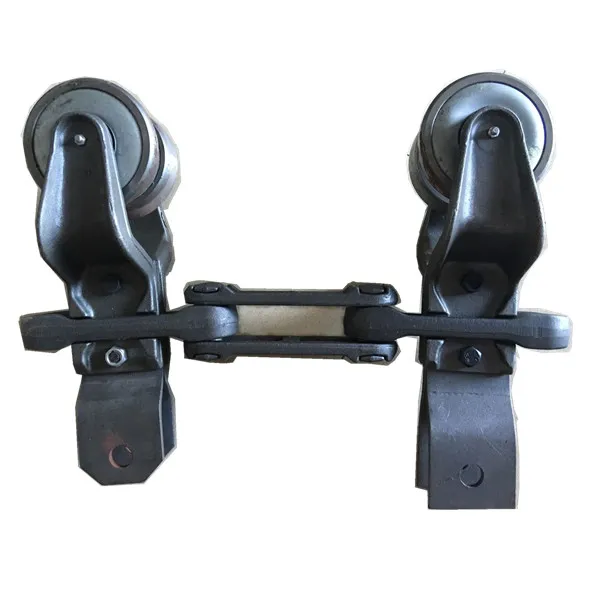
How do you calculate the required horsepower for a conveyor chain drive?
The calculation of required horsepower for a conveyor chain drive involves considering various factors related to the conveyor system and the specific application. Here is a step-by-step process:
1. Determine the Total Resistance:
– Calculate the total resistance that the conveyor chain needs to overcome during operation. This includes the resistance due to the load being conveyed, frictional losses, elevation changes, and any other resistances in the system.
2. Convert the Resistance to Equivalent Inertia:
– Convert the total resistance to an equivalent inertia by multiplying it by the square of the chain speed.
3. Calculate the Total Inertia:
– Determine the total inertia of the system by considering the inertia of all the rotating components, such as the conveyor chain, sprockets, and any other driven elements.
4. Determine the Required Torque:
– Calculate the required torque by multiplying the total inertia by the desired acceleration or deceleration rate.
5. Convert Torque to Horsepower:
– Convert the required torque to horsepower by dividing it by the motor speed (in RPM) and multiplying by a conversion factor.
6. Consider Safety Factors and Efficiency:
– Apply safety factors to the calculated horsepower to account for variations, contingencies, and future growth.
– Consider the efficiency of the drive system, including the motor, gearbox, and other transmission components, to ensure accurate power transmission.
It’s important to note that the above calculation method provides an estimate of the required horsepower. Consulting with conveyor system manufacturers, engineers, or industry-specific guidelines is recommended for precise calculations and to ensure the selected conveyor chain drive meets the application requirements.
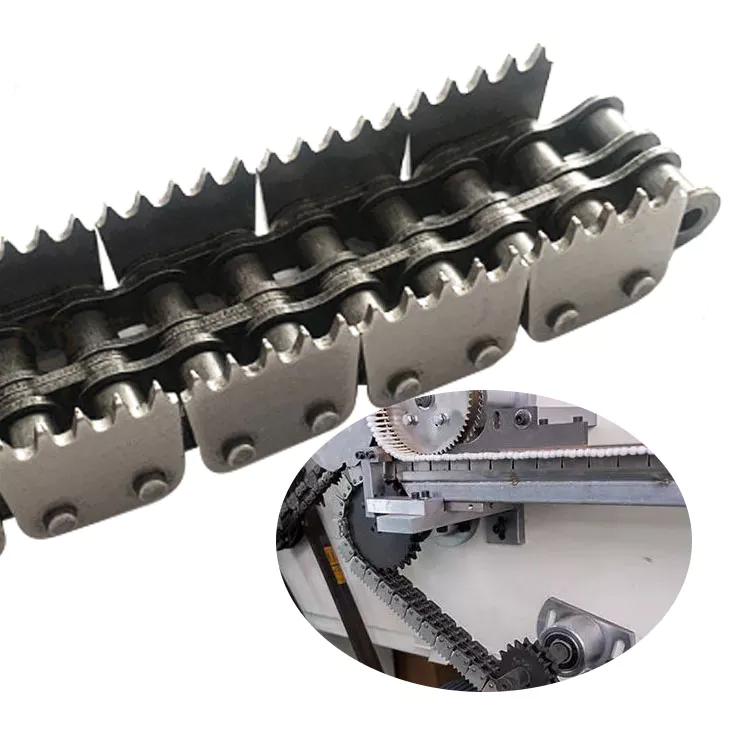
Bagaimanakah anda memilih pelincir yang sesuai untuk rantai penghantar?
Memilih pelincir yang betul adalah penting untuk mengekalkan prestasi dan jangka hayat rantai penghantar. Berikut adalah faktor utama yang perlu dipertimbangkan semasa memilih pelincir:
1. Jenis dan Bahan Rantai: Rantai penghantar yang berbeza mungkin mempunyai keperluan khusus untuk pelinciran berdasarkan bahan binaan dan reka bentuknya. Rujuk cadangan atau spesifikasi pengilang untuk menentukan keserasian pelincir.
2. Keadaan Operasi: Pertimbangkan persekitaran operasi, seperti suhu, kelembapan dan kehadiran bahan cemar. Untuk aplikasi suhu tinggi, pilih pelincir dengan toleransi suhu yang lebih tinggi. Dalam persekitaran basah atau berdebu, pilih pelincir yang menawarkan rintangan yang sangat baik terhadap limpahan air dan memberikan perlindungan yang berkesan terhadap bahan cemar.
3. Beban dan Kelajuan: Nilaikan kapasiti beban dan kelajuan rantai penghantar. Beban dan kelajuan yang lebih tinggi mungkin memerlukan pelincir dengan kekuatan filem dan sifat anti-haus yang lebih baik untuk mengurangkan geseran dan mencegah haus pramatang.
4. Kaedah Pelinciran: Tentukan kaedah pelinciran yang akan digunakan untuk rantai penghantar. Pelincir boleh digunakan melalui sistem titisan, berus, muncung semburan atau sistem pelinciran automatik. Pertimbangkan kelikatan dan konsistensi pelincir untuk memastikan aplikasi dan pengedaran yang betul.
5. Keperluan Gred Makanan: Dalam pemprosesan makanan atau aplikasi farmaseutikal, di mana sentuhan langsung dengan produk mungkin berlaku, adalah penting untuk menggunakan pelincir gred makanan yang memenuhi peraturan industri dan keperluan untuk keselamatan dan kebersihan.
6. Jadual Penyelenggaraan: Pertimbangkan selang penyelenggaraan yang diingini dan jangka hayat pelincir. Sesetengah pelincir mungkin memerlukan penggunaan semula yang lebih kerap, manakala yang lain memberikan pelinciran yang lebih tahan lama.
7. Keserasian dengan Bahan Lain: Ambil kira keserasian pelincir dengan bahan lain dalam sistem penghantar, seperti pengedap, gasket dan cat. Pastikan pelincir tidak menyebabkan sebarang kesan buruk pada komponen ini.
Adalah disyorkan untuk berunding dengan pengeluar pelincir atau pakar industri untuk memilih pelincir yang paling sesuai untuk aplikasi rantai penghantar khusus anda. Mereka boleh memberikan panduan berdasarkan kepakaran dan pengetahuan mereka tentang formulasi pelincir dan ciri-ciri prestasi.

Can a conveyor chain be used in high-temperature environments?
Yes, conveyor chains can be designed and used in high-temperature environments, but it depends on the specific type of chain and the temperature range involved. Here are some key considerations:
- Material Selection: Conveyor chains for high-temperature applications are typically made from heat-resistant materials such as stainless steel or alloy steels that can withstand elevated temperatures without significant degradation.
- Lubrication: Proper lubrication is essential in high-temperature environments to minimize friction and wear. Special high-temperature lubricants are available that can withstand the operating temperatures and provide effective chain lubrication.
- Chain Design: Chains used in high-temperature environments may have specific design features to accommodate thermal expansion and minimize the risk of binding or seizing. These can include increased clearances, special joint designs, or heat-resistant coatings.
- Temperature Limitations: Each conveyor chain has a maximum temperature limit specified by the manufacturer. It is important to consider this limit and ensure that the operating temperature does not exceed it to maintain the integrity and performance of the chain.
- Proper Maintenance: Regular inspection and maintenance are crucial in high-temperature applications. This includes monitoring chain wear, lubrication levels, and any signs of heat-induced damage or degradation.
However, it is important to note that the suitability of a conveyor chain for high-temperature environments ultimately depends on the specific operating conditions, including the temperature range, duration of exposure, and the application requirements. It is recommended to consult with the chain manufacturer or an experienced engineer to select the appropriate chain and ensure its safe and reliable operation in high-temperature environments.


editor by CX 2023-10-31