
توضیحات محصول
توضیحات محصول
The drop forged chains made of heat treated high grade alloy steel.
1) X348,X458,X678,H698,9118,P1
| مواد: | 40cr, 20mncr5, 20cr Mn Ti, 42CrMo4 SCR440 |
|---|---|
| ساختار: | Forging |
| درمان سطحی: | Shot Blasting |
| اندازه زنجیر: | P:170mm |
| ویژگی: | Heat Resistant, Forging |
| Weight: | 2.6kg |
| نمونهها: |
US$ 50/Meter
1 متر (حداقل سفارش) | |
|---|
| سفارشی سازی: |
موجود است
| درخواست سفارشی |
|---|
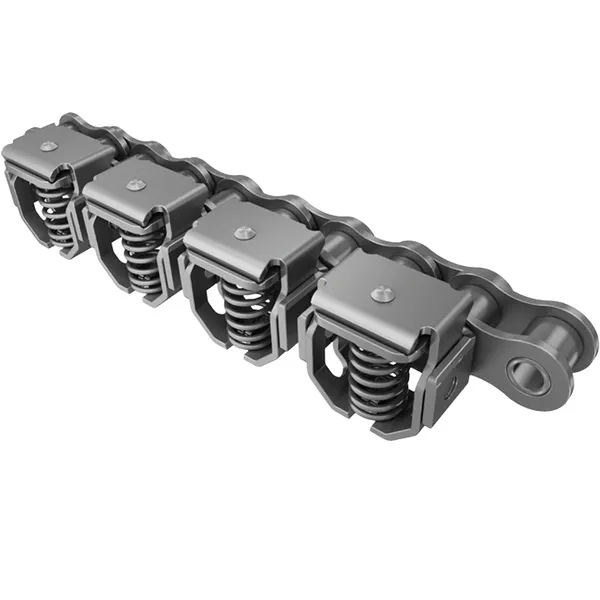
مزایای استفاده از سیستم زنجیری نوار نقاله سقفی چیست؟
استفاده از سیستم زنجیر نقاله سقفی مزایای متعددی را در کاربردهای مختلف صنعتی ارائه میدهد. در اینجا به برخی از مزایای کلیدی اشاره میکنیم:
۱. بهینهسازی فضا:
– سیستمهای زنجیری نوار نقاله سقفی از فضای عمودی استفاده میکنند و امکان استفاده کارآمد از فضای کف را فراهم میکنند. این امر به ویژه در تأسیساتی با مساحت محدود کف مفید است، زیرا امکان جابجایی کارآمد مواد و جریان تولید را بدون ایجاد مانع در محل کار فراهم میکند.
۲. انعطافپذیری و تطبیقپذیری:
– زنجیرهای نقاله سقفی انعطافپذیری در مسیریابی را ارائه میدهند و میتوانند متناسب با الزامات خاص چیدمان تأسیسات سفارشی شوند. آنها میتوانند از مناطق مختلفی از جمله خطوط مونتاژ، غرفههای رنگ، مناطق ذخیرهسازی و موارد دیگر عبور کنند. تطبیقپذیری سیستمهای سقفی امکان جابجایی کارآمد و سازگار مواد را فراهم میکند.
۳. ایمنی بهبود یافته:
زنجیرهای نقاله سقفی، موانع سطح زمین را به حداقل میرسانند و خطر زمین خوردن و تصادفات را کاهش میدهند. اپراتورها و کارگران میتوانند بدون دخالت سیستم نقاله، با خیال راحت در محل کار حرکت کنند.
۴. محافظت از محصول:
– زنجیرهای نقاله سقفی محافظت بهتری برای محصولات در حال حمل و نقل فراهم میکنند. با بالا نگه داشتن محصولات و دور نگه داشتن آنها از خطرات احتمالی روی زمین، مانند گرد و غبار، آوار یا ریختن مواد، خطر آسیب یا آلودگی محصول کاهش مییابد.
۵. افزایش کارایی:
سیستمهای نوار نقاله سقفی میتوانند با تسهیل جریان مداوم مواد و کاهش جابجایی دستی، راندمان تولید را افزایش دهند. آنها بارگیری و تخلیه خودکار مواد را امکانپذیر میکنند که منجر به زمان پردازش سریعتر و بهبود بهرهوری کلی میشود.
۶. نگهداری آسان:
زنجیرهای نوار نقاله سقفی معمولاً برای نگهداری آسان طراحی شدهاند. اجزایی مانند زنجیرها، چرخ دستیها و درایوها به راحتی قابل دسترسی و سرویس هستند و زمان از کار افتادگی و هزینههای نگهداری را به حداقل میرسانند.
۷. سفارشیسازی و یکپارچهسازی:
– زنجیرهای نقاله سقفی را میتوان برای برآورده کردن نیازهای خاص کاربرد، از جمله ظرفیت بار، سرعت و سیستمهای کنترل، تنظیم کرد. همچنین میتوان آنها را با سایر سیستمهای خودکار، مانند ایستگاههای کاری رباتیک یا مکانیسمهای مرتبسازی، ادغام کرد تا فرآیند جابجایی مواد را بیشتر بهینه کرد.
به طور کلی، استفاده از سیستم زنجیر نقاله سقفی، جابجایی کارآمد مواد را فراهم میکند، استفاده از فضا را به حداکثر میرساند، ایمنی را افزایش میدهد و بهرهوری را در محیطهای صنعتی بهبود میبخشد.
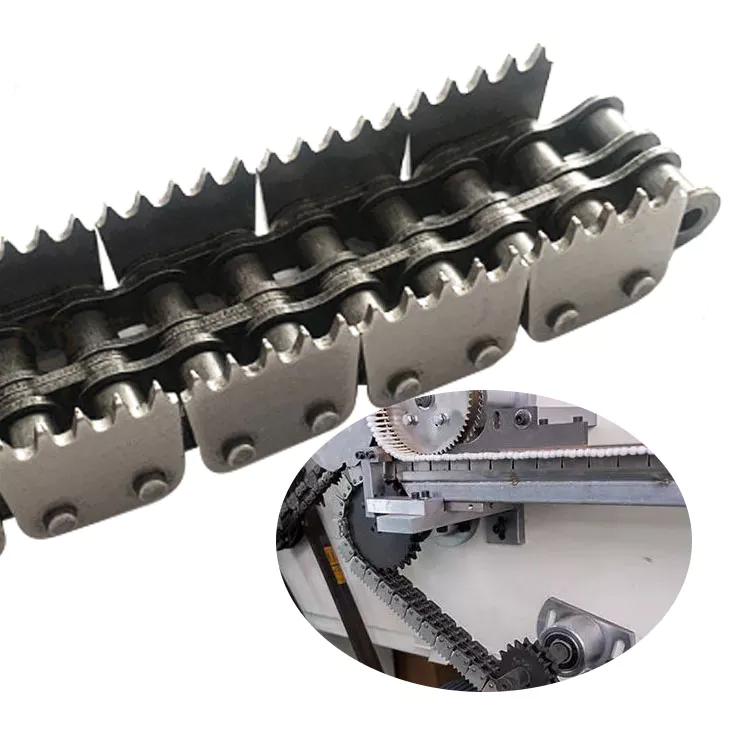
How do you select the appropriate lubricant for a conveyor chain?
Selecting the right lubricant is crucial for maintaining the performance and longevity of a conveyor chain. Here are the key factors to consider when choosing a lubricant:
1. Chain Type and Material: Different conveyor chains may have specific requirements for lubrication based on their construction materials and design. Consult the manufacturer’s recommendations or specifications to determine the lubricant compatibility.
2. Operating Conditions: Consider the operating environment, such as temperature, humidity, and presence of contaminants. For high-temperature applications, choose a lubricant with a higher temperature tolerance. In wet or dusty environments, opt for lubricants that offer excellent resistance to water washout and provide effective protection against contaminants.
3. Load and Speed: Evaluate the load capacity and speed of the conveyor chain. Higher loads and speeds may require lubricants with better film strength and anti-wear properties to reduce friction and prevent premature wear.
4. Lubrication Method: Determine the lubrication method that will be used for the conveyor chain. Lubricants can be applied through drip systems, brushes, spray nozzles, or automatic lubrication systems. Consider the viscosity and consistency of the lubricant to ensure proper application and distribution.
5. Food-Grade Requirements: In food processing or pharmaceutical applications, where direct contact with the product may occur, it’s essential to use food-grade lubricants that meet industry regulations and requirements for safety and hygiene.
6. Maintenance Schedule: Consider the desired maintenance intervals and the lubricant’s longevity. Some lubricants may require more frequent reapplication, while others provide longer-lasting lubrication.
7. Compatibility with Other Materials: Take into account the compatibility of the lubricant with other materials in the conveyor system, such as seals, gaskets, and paints. Ensure that the lubricant does not cause any adverse effects on these components.
It is recommended to consult with lubricant manufacturers or industry experts to select the most suitable lubricant for your specific conveyor chain application. They can provide guidance based on their expertise and knowledge of lubricant formulations and performance characteristics.
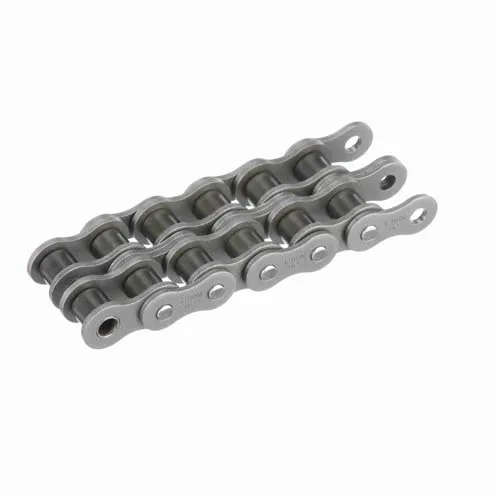
What safety precautions should be followed when working with conveyor chains?
Working with conveyor chains involves potential hazards, and it is essential to follow proper safety precautions to ensure the well-being of workers and prevent accidents. Here are some important safety measures to consider:
- Proper Training: Ensure that workers operating or maintaining conveyor chains receive proper training on safe practices, including chain handling, maintenance procedures, and emergency protocols.
- Personal Protective Equipment (PPE): Workers should wear appropriate PPE, such as safety glasses, gloves, and steel-toed shoes, to protect themselves from potential hazards, including flying debris, pinch points, or entanglement.
- Lockout/Tagout: Before performing any maintenance or repair tasks on conveyor chains, follow lockout/tagout procedures to isolate and de-energize the equipment to prevent accidental startup or release of stored energy.
- Guarding: Ensure that conveyor chains are adequately guarded to prevent access to moving parts, such as pinch points and rotating sprockets. Guards should be securely in place and not interfere with the chain’s operation.
- Housekeeping: Keep the work area clean and free of debris, tools, or other objects that could cause tripping hazards or interfere with the operation of the conveyor chain.
- Regular Inspections: Regularly inspect the conveyor chains for any signs of wear, damage, or misalignment. Address any issues promptly to prevent potential safety hazards.
- Safe Loading and Unloading: When loading or unloading materials onto the conveyor, follow safe lifting techniques and ensure the load is evenly distributed to prevent overloading or imbalance.
- Emergency Stop Devices: Install and clearly mark emergency stop devices along the conveyor system to enable immediate shutdown in case of an emergency or hazardous situation.
- Clear Communication: Establish clear communication protocols, including signals or signs, to ensure effective communication between workers operating different sections of the conveyor system.
These safety precautions are general guidelines, and it’s important to consult and adhere to specific safety regulations and guidelines provided by the equipment manufacturer and relevant safety authorities. Regular safety training, awareness, and a proactive safety culture are crucial in maintaining a safe working environment when working with conveyor chains.


editor by CX 2023-10-09