
Food Conveyor Engineering Guides
Choose the guide closest to the machine or engineering task you are working on. Use the cards to move directly to the machine or engineering question you are working on. Product dimensions remain on the product pages; these guides focus on the application inputs that must be confirmed around the chain or belt.
For replacement work, capture the current machine condition before disassembly. Mark running direction, photograph the drive and return, and note where abnormal wear occurs. For OEM projects, attach the conveyor layout and identify which dimensions are fixed by the machine. Keeping geometry and operating duty separate makes the quotation clearer and prevents application assumptions from being presented as catalogue ratings.
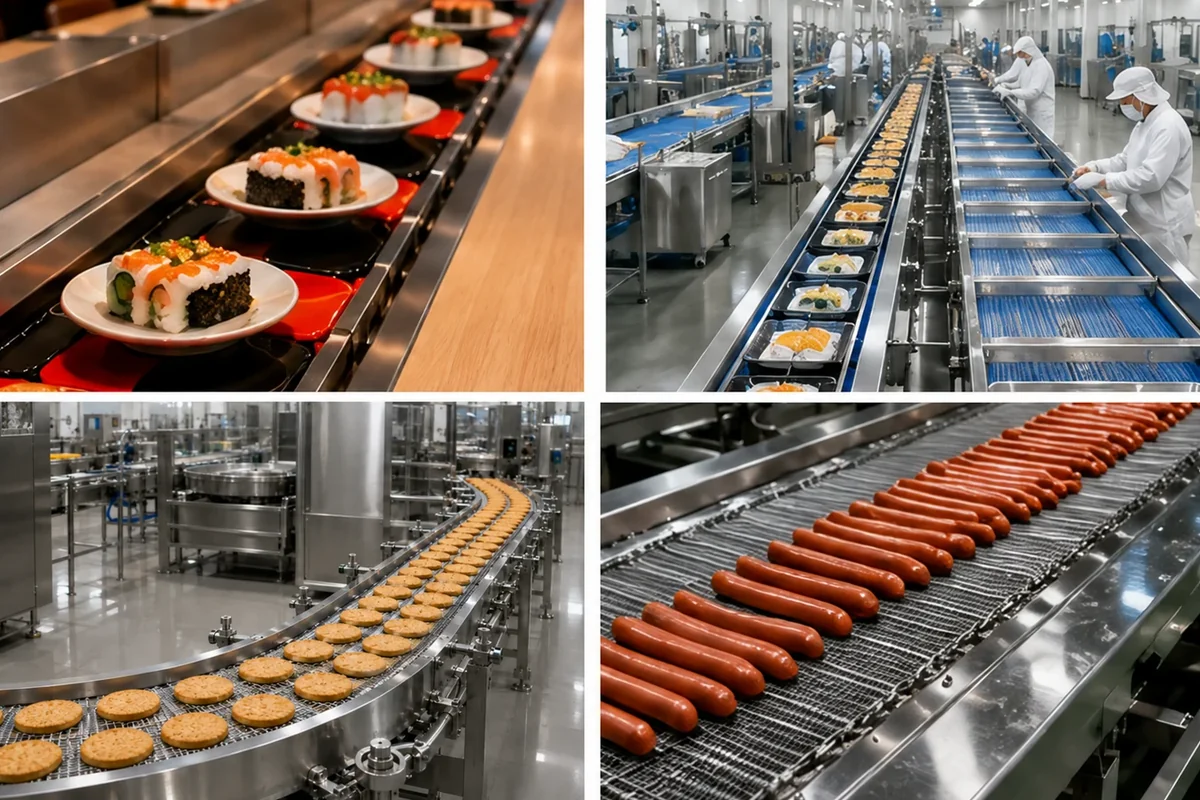
For commissioning records, identify who approved the final geometry, which drawing or sample was used, and which machine condition was observed during the loaded test. This compact traceability step helps later maintenance distinguish a true component change from a change to guides, sprockets, product format or sanitation practice.
Open the guide that matches your current task
food conveyor chain selection is reviewed through machine geometry, operating duty, cleaning access and a traceable RFQ.
Available from the main navigation
food conveyor belt selection is reviewed through machine geometry, operating duty, cleaning access and a traceable RFQ.
Available from the main navigation
food conveyor chain maintenance is reviewed through machine geometry, operating duty, cleaning access and a traceable RFQ.
Available from the main navigation
conveyor chain RFQ checklist is reviewed through machine geometry, operating duty, cleaning access and a traceable RFQ.
Available from the main navigation
Information every food-conveyor project benefits from
These four groups are intentionally compact. They let an engineer verify fit while a buyer keeps the commercial request organized. Missing information should remain a question rather than being filled with an assumed value.

Inspect the conveyor around the component
Chains and belts operate inside a mechanical system. Sprockets, guides, wear strips, support rails, transfer plates and take-up settings can create wear patterns that look like a component defect. Before releasing a replacement, inspect the mating parts and photograph any steps, burrs, hooks or localized contact. A new component installed into a damaged interface can reproduce the original problem.
During commissioning, run empty first and follow a marked joint or belt row through the complete loop. Then use representative product loading. Record the final guide/take-up condition so later maintenance can compare against a known baseline.
Make the next replacement easier than the first
Once a configuration is approved, store the stable designation, verified dimensions, current machine drawing or marked photos, and the acceptance checks used at incoming inspection. If the machine is modified later, update the interface record. This prevents a historical part number from being repeated when the actual guide or drive geometry has changed.
For mixed-model projects, keep one technical line per model even when the commercial order is combined. Label photographs and samples to the same line identifier. This reduces cross-model errors when similar chains share a pitch or when wire belts use related but non-interchangeable designations.
Start with the food conveyor chain selection guide when it matches your project. Use the product catalogue to confirm verified model geometry and the contact page to prepare a complete RFQ before using the single global footer form.
Release a part only when fit and uncertainty are visible
Good procurement does not require every application variable to have a catalogue answer. It requires the verified geometry to be clear, the operating conditions to be stated, and any unknowns to be labeled for review. If a dimension comes from a worn sample, say so. If a material grade is required by the end user, state the requirement. If the source does not publish a load or temperature rating, do not create one from general industry knowledge. This evidence-first approach gives engineering and purchasing a common basis for approval.
For food equipment, sanitation and maintenance access belong in the same review. A configuration that fits the drive but creates an inaccessible residue trap may be the wrong choice for the machine. Conversely, a very open belt that cleans easily may not support the product footprint. The guide pages below connect these decisions to the relevant chain or belt family without turning the site into repetitive text.
From first photograph to a production-ready record
Begin before the old chain or belt is removed. Photograph the complete conveyor and then move closer to the drive, guide, return and transfer areas. Mark one joint or mesh row and the running direction. If a failure is localized, identify its machine position. This simple preparation preserves information that is often lost once the component is laid on a bench.
Next build a dimension sheet. Use multiple repeats for pitch, record overall and inner widths, and include the attachment, hook, shell, top-plate, wire or rod geometry that actually carries the product. If the component is stretched or damaged, record more than one measurement and note the condition. A supplier can work with transparent uncertainty; it is much harder to work with a rounded number that looks precise but came from a worn feature.
Then add machine duty in a separate block. State line speed, product size and spacing, starts and stops, curves or inclines, process temperature zones, sanitation method and contamination. These values explain the application. They should not be inserted into a catalogue table unless the published catalogue supports them as product ratings.
Finally define approval. For samples or first articles, specify which dimensions will be checked, what visual configuration must be present and how the part will be tested at low speed. Keep the accepted reference with the purchase record. The next replacement enquiry can then compare current condition with the approved baseline rather than repeating the entire identification process.