
This guide explains sushi conveyor guide rail for engineers, maintenance teams and industrial buyers. Selection should be based on the current crescent-top sushi conveyor chain, its mating conveyor hardware and the duty the machine actually performs. The four checkpoints used here are curve entry, wear strip contact, plate overlap and return support.
- Curve Entry
- Wear Strip Contact
- Plate Overlap
- Return Support
1. Define what curve entry controls in this conveyor
For Guide Rail and Return Path Design for Sushi Conveyor Chains, begin with curve entry because it establishes the first mechanical boundary for the crescent-top sushi conveyor chain. Record the feature while the component is still installed, then relate it to crescent plates, side-flex articulation, guide tracks and sprocket engagement. A dimension has more value when its mating surface and running direction are visible.
وقتی ویژگی تناوبی است، بیش از یک تکرار را اندازهگیری کنید. در یک زنجیر، این ممکن است به معنای چندین گام باشد؛ در یک تسمه سیمی، ممکن است به معنای چندین تکرار میله یا توری باشد. اگر قطعه ساییده شده است، به جای تبدیل یک اندازهگیری ساییده شده در حین سرویس به یک مقدار اسمی فرضی، محدوده را ثبت کنید. از هرگونه تماس یا تغییر شکل صیقلی که نشان میدهد سطح مشترک چگونه بار را تحمل کرده است، عکس بگیرید.
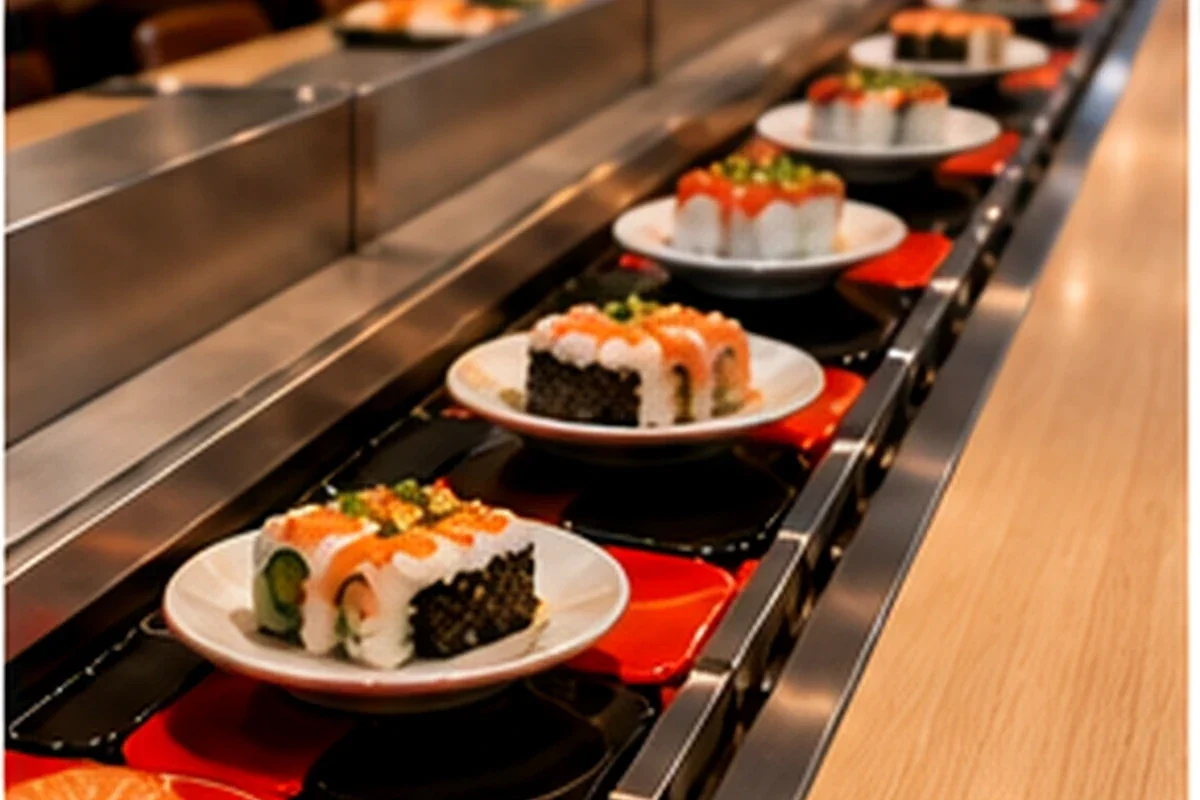
2. Measure wear strip contact so another engineer can reproduce the result
Wear Strip Contact should be measured with the same datum and method each time. Note whether the measurement was taken in a straight carrying section, at a curve, at the drive or on a removed bench sample. That context matters because service wear and articulation can change what the measuring tool sees.
For this crescent-top sushi conveyor chain, cross-check wear strip contact against curve entry and the surrounding crescent plates, side-flex articulation, guide tracks and sprocket engagement. If those features disagree with the machine drawing, treat the as-built machine as a separate record and identify the difference before purchasing a replacement. An old part number cannot explain a guide, transfer or sprocket that has been modified.
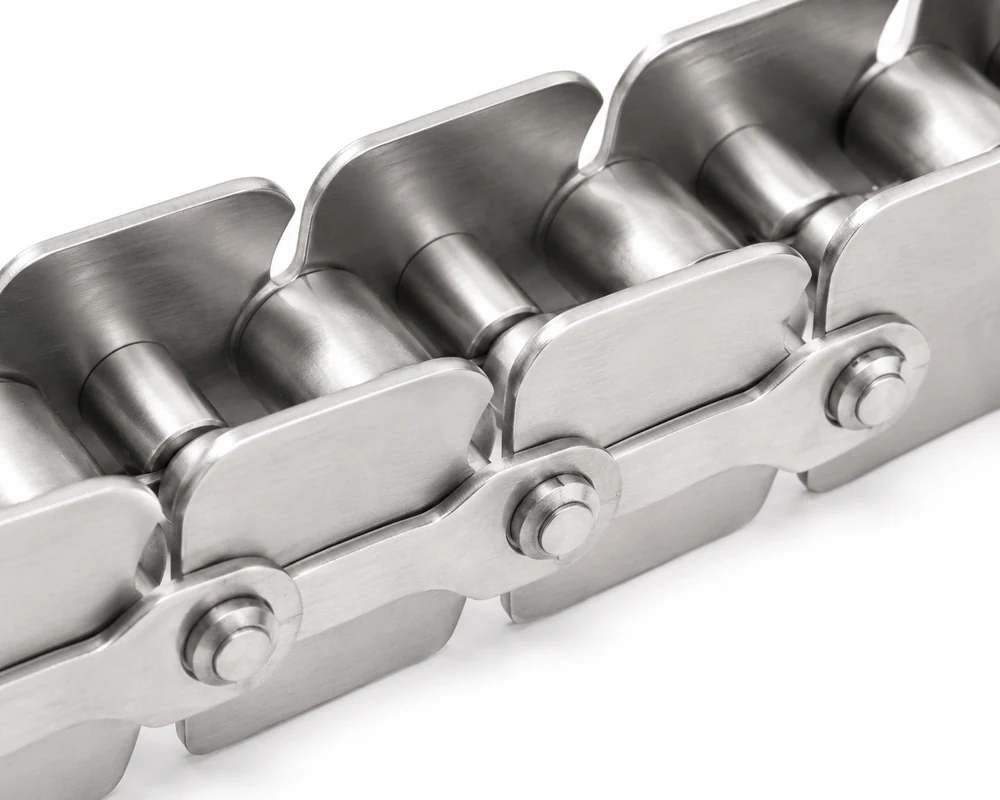
3. Connect plate overlap to the mating drive, guide and support system
The practical question is not whether plate overlap looks correct on the component; it is whether it matches the current drive, guide and support arrangement. Inspect the entry to the drive, transitions between supports, both conveyor edges and the return path. On a side-flexing chain, include the tightest curve. On a belt, include the transfer and edge guidance.
به دنبال سایش نامتقارن باشید. یک شیار براق در یک طرف، یک میله متقاطع خمیده در یک بازه تکرارشونده یا قلابی که فقط با یک راهنمای برگشت تماس دارد، میتواند مشکل تراز دستگاه را شناسایی کند. اصلاح سطح تماس قبل از نصب قطعه جدید، از به ارث بردن الگوی آسیب مشابه در قطعه جایگزین جلوگیری میکند.
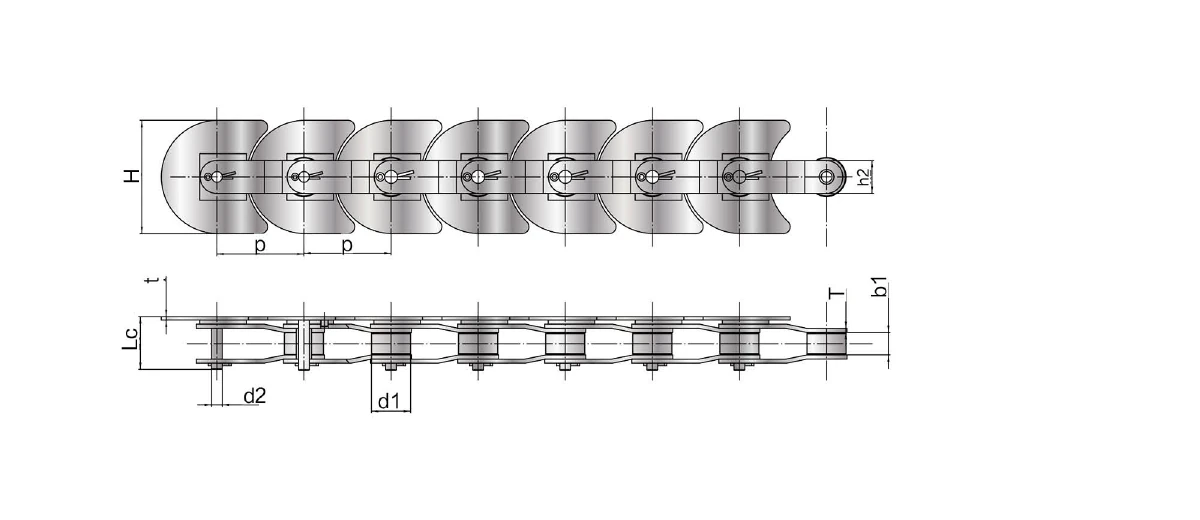
4. Treat return support as an operating condition, not a guessed rating
Return Support should be described together with product size and spacing, line speed, starts and stops, curves or inclines, process zones and sanitation. Those conditions explain how the crescent-top sushi conveyor chain is used. They should not be converted into a universal product rating unless the relevant specification actually provides one.
وقتی فرآیند از آخرین خرید تغییر کرده است، صریحاً آن را بیان کنید. اندازه بستهبندی جدید، فاصلهگذاری متراکمتر محصول یا تغییر در انتقال میتواند الزامات پشتیبانی و فاصلهگذاری را تغییر دهد، حتی اگر نام اصلی قطعه بدون تغییر باشد. برای عیبیابی تعمیر و نگهداری، ثبت کنید که آیا این علامت قبل یا بعد از تغییر فرآیند شروع شده است.

5. Read wear and motion as evidence for sushi conveyor guide rail
For Guide Rail and Return Path Design for Sushi Conveyor Chains, inspect the machine for changes in curve clearance, plate overlap, return support and dish/carrier transfer. Mark one joint, carrier or mesh row and follow it through the complete path at low speed. If the symptom follows the marked component everywhere, the component deserves closer inspection. If the symptom appears only at one location, investigate the local guide, sprocket, support or transfer first.
ثبت سایش قبل از تمیز کردن یا جداسازی قطعات، شواهد را از بین میبرد. توجه داشته باشید که محل تجمع پسماندها، کدام طرف صیقل داده شده است، آیا پین یا میله جابجا شده است یا خیر، و اینکه آیا محصول در همان محل حرکت میکند یا علامت میگذارد. این سابقه وضعیت هنگام مقایسه یک نمونه جدید مفید است زیرا به تأمینکننده و تیم تعمیر و نگهداری یک مرجع مشترک میدهد.
6. Commission the crescent-top sushi conveyor chain in controlled steps
قبل از نصب، نوار نقاله را تمیز کرده و قطعات جفت شونده را بررسی کنید. دندانههای چرخدنده، لبههای راهنما، تکیهگاهها، صفحات انتقال، شفتها و غلتکهای برگشتی را از نظر آسیب یا پله بررسی کنید. بدون فشار دادن قطعه به طرفین یا استفاده از جمعکننده برای پنهان کردن اختلاف ابعادی، نصب را انجام دهید. در جایی که چرخش دستی عملی است، قبل از اعمال نیرو، سیستم را از طریق رابط بحرانی حرکت دهید.
Run empty at the lowest practical speed and observe the complete loop. Then introduce representative product spacing and repeat the observation. For sushi conveyor guide rail, pay special attention to curve entry, wear strip contact, plate overlap and return support. Record the accepted guide or take-up condition so later service inspections can compare against a known baseline.
۷. در تصمیمگیری مکانیکی، دسترسی به نظافت و بازرسی را لحاظ کنید.
Food conveyors must remain inspectable after routine cleaning. For the crescent-top sushi conveyor chain, identify joints, wire intersections, carrier recesses, hook interfaces or guide channels where product residue can remain. Cleaning should remove residue without levering plates, bending wire or changing guide alignment. The required cleaning method must also be compatible with the specified component and the non-metallic parts around it.
پس از تمیز کردن، همان نقاط بازرسی مکانیکی مورد استفاده در هنگام راهاندازی را بررسی کنید. پس از برداشتن باقیمانده مواد، مشاهده سفتی مفصل، جابجایی راهنما، تغییر شکل لبه یا تغییر موقعیت قلاب آسانتر خواهد بود. اگر از روغنکاری استفاده میشود، به جای فرض اینکه یک روش برای هر نقاله مواد غذایی اعمال میشود، سیستم واقعی را ثبت کنید.

۸. بازرسی را به یک درخواست استعلام مختصر تبدیل کنید
| بلوک RFQ | Information for sushi conveyor guide rail |
|---|---|
| Curve Entry | Measure and photograph curve entry with its machine datum. |
| Wear Strip Contact | Record wear strip contact over enough repeats to reveal wear or variation. |
| Plate Overlap | Show how plate overlap mates with the drive, guide, carrier or support. |
| Return Support | Describe return support together with product, speed, process and sanitation. |
| طرح تجاری | تعداد نمونه، مقدار تولید بر اساس مدل و هرگونه الزام اجباری در مورد مواد یا فرآیند را بیان کنید. |
حتی زمانی که چندین خط تولید به صورت تجاری با هم ترکیب میشوند، هر مدل را در خط فنی خود نگه دارید. عکسها و نمونهها را به همان خط تولید برچسب بزنید. اگر ابعادی از یک قطعه فرسوده ناشی میشود، آن را بیان کنید؛ اگر درجه مادهای اجباری است، الزام آن را بیان کنید؛ اگر رتبهبندی ناشناخته است، آن را به عنوان یک سوال مروری بگذارید.
9. Common mistakes when working on sushi conveyor guide rail
دو قطعه میتوانند با وجود استفاده از گام، عرض، اتصال، لبه یا هندسه محرک متفاوت، یک سیلوئت مشابه داشته باشند.
یک درز یا سوراخ مشبک فرسوده میتواند کشیدگی یا تغییر شکل را پنهان کند. در صورت امکان از تکرارهای متعدد استفاده کنید.
راهنماها، چرخدندهها، تکیهگاهها یا انتقالدهندههای آسیبدیده میتوانند همان خرابی را در یک قطعه جدید ایجاد کنند.
شرایط عملیاتی، کاربرد را توضیح میدهند؛ آنها آنچه را که واقعاً روی قطعه اندازهگیری شده است، تغییر نمیدهند.
10. Frequently asked questions about sushi conveyor guide rail
What is the first check for sushi conveyor guide rail?
Start with curve entry and photograph how it relates to the current crescent-top sushi conveyor chain interface.
Why should wear strip contact be measured over several repeats?
تکرارهای چندگانه، تشخیص سایش در حین کار یا تغییر شکل موضعی را از هندسه مورد نظر آسانتر میکند.
How does plate overlap affect the decision?
باید آن را در برابر رابط محرک، راهنما، تکیهگاه یا رابط حمل محصول جفتشده بررسی کرد، نه اینکه به صورت جداگانه در نظر گرفته شود.
What should be stated about return support?
آن را به عنوان یک شرایط عملیاتی همراه با محصول، سرعت، میزان مواجهه با فرآیند و بهداشت توصیف کنید.
چه زمانی نمونهبرداری مفید است؟
یک نمونه کوتاه زمانی مفید است که ثبت دقیق هندسه در عکسها دشوار باشد یا وقتی که نام اصلی وجود ندارد.
11. A four-step selection workflow for Guide Rail and Return Path Design for Sushi Conveyor Chains
مرحله ۱ - شناسایی: define the crescent-top sushi conveyor chain and machine position, then confirm running direction. مرحله ۲ - اندازهگیری: record curve entry and wear strip contact using repeatable datums. مرحله ۳ - رابط کاربری: verify plate overlap against the current drive, guide, support and transfer arrangement. مرحله ۴ - وظیفه: describe return support and the operating conditions that can affect product handling and maintenance.
اگر چهار مرحله به یک پیکربندی اشاره دارند، ابعاد پذیرش نمونه یا اولین محصول را قبل از مقدار تولید تعریف کنید. اگر آنها با هم در تضاد هستند، قبل از تغییر مشخصات قطعه، رابط دستگاه را حل کنید. یک آزمایش کوچک کنترلشده آموزندهتر از مجبور کردن یک قطعه برای جا افتادن و سپس عیبیابی عواقب آن در سرعت تولید است.
12. Build a repeat-order record for sushi conveyor guide rail
مشخصات پذیرفتهشده، ابعاد بحرانی، عکسهای فعلی دستگاه، نتیجه راهاندازی و موقعیت دستگاه را در کنار هم نگه دارید. وقتی تعمیر و نگهداری، فرسودگی جدیدی پیدا میکند، عکسها را در همان مکانها اضافه کنید. وقتی دستگاه اصلاح میشود، رکورد رابط را همزمان بهروزرسانی کنید. این کار باعث میشود درخواست تعویض بعدی، به جای یک تمرین شناسایی جدید، مقایسهای با یک خط مبنای پذیرفتهشده باشد.
برای اطلاعات مرتبط، به طیف محصولات نوار نقاله مواد غذایی، راهنمای انتخاب زنجیر و چک لیست درخواست درخواست (RFQ)وقتی آماده ارائه قیمت شدید، از فرم پایین این صفحه استفاده کنید.
13. Engineering notes specific to Guide Rail and Return Path Design for Sushi Conveyor Chains
Do not treat curve entry, wear strip contact, plate overlap and return support as four independent checklist boxes. They interact through the machine. A change in one measured feature can alter guide clearance, drive engagement or product position elsewhere in the loop. For that reason, photographs should show both the component and the surrounding conveyor hardware, with a scale or known reference where practical.
When a replacement has to be produced before an unworn original is available, distinguish what is known from what is estimated. Use the current drawing, several measured repeats and machine datums to narrow the geometry. If uncertainty remains around an interface that is difficult to adjust on the machine, make that interface part of sample approval. For sushi conveyor guide rail, this is safer than compensating during installation with guide movement or excessive take-up.
تیمهای تعمیر و نگهداری میتوانند با نگه داشتن یک نمونه برداشته شده اما قابل شناسایی پس از یک تعویض موفقیتآمیز، خریدهای آینده را بهبود بخشند. جهت حرکت و موقعیت تجهیزات را علامتگذاری کنید. این نمونه جایگزین نقشه نمیشود، اما میتواند ویژگیهای شکل گرفته، جزئیات لبه و نحوهی قرارگیری قطعات را که توصیف آنها در ایمیل دشوار است، تأیید کند. آن را به جای یک نمونهی تاریخی ثبت نشده، با آخرین رکورد ابعادی جفت کنید.
Finally, define who owns the acceptance decision. Purchasing can confirm quantity and commercial requirements; maintenance can confirm machine condition; engineering can approve the geometry and any changed interface. Bringing those observations together before production release reduces the risk that one department assumes another has already checked plate overlap or the surrounding conveyor path.
14. Field worksheet for sushi conveyor guide rail
Use one worksheet for the machine and keep it with the accepted component record. Start with a line for curve entry: write the measured value or observed configuration, the measurement datum, and whether the feature is unworn, worn or estimated from a drawing. Add a second line for wear strip contact and record enough repeats to show variation rather than a single isolated number. This gives the supplier a traceable basis for comparison without pretending that service wear is a nominal dimension.
The next block should describe plate overlap at the mating conveyor. Photograph the drive, guide, support or transfer that controls this feature and include a scale where possible. If the machine has been modified, label the modification. A useful photograph should answer where the part sits, which way it moves, what supports it and which fixed surfaces limit clearance.
Keep return support in an operating-duty block. Record the product, spacing, speed, starts and stops, curve or incline, process zone and sanitation method that are relevant to Guide Rail and Return Path Design for Sushi Conveyor Chains. If the current component has a recurring symptom, add when it appears: continuously, once per revolution, only under product load, only after cleaning, or only at one machine position. The timing often directs the next mechanical inspection.
قبل از راهاندازی، بررسی پذیرش را تعریف کنید. تصمیم بگیرید که کدام ابعاد در هنگام دریافت اندازهگیری میشوند، کدام ویژگیهای قابل مشاهده باید با پیکربندی تأیید شده مطابقت داشته باشند و از چه تست سرعت پایینی استفاده خواهد شد. در طول آزمایش، از یک ردیف اتصال، قلاب، حامل یا توری علامتگذاری شده استفاده کنید و آن را در کل مسیر دنبال کنید. هرگونه تماس، بلند شدن، کج شدن، نویز یا تغییر موقعیت محصول و محل دستگاه را ثبت کنید.
پس از پذیرش، برگه کار، عکسهای تأیید شده و هرگونه مرجع نمونه را در سابقه خرید نگه دارید. در استعلام بعدی، میتوانید به جای شروع از حافظه، نوار نقاله فعلی را با خط مبنای پذیرفته شده مقایسه کنید. اگر دستگاه، قالب محصول یا فرآیند تمیز کردن تغییر کرد، برگه کار را همزمان بهروزرسانی کنید تا جایگزینهای آینده با دستگاهی که واقعاً وجود دارد، مقایسه شوند.
15. Record the approved setup for Guide Rail and Return Path Design for Sushi Conveyor Chains
وقتی مقایسه فنی تمام شد، تصمیم را در یک گزارش فنی کوتاه خلاصه کنید. قطعه یا پیکربندی انتخاب شده، موقعیت دستگاه، ابعادی که بررسی شدهاند، شرایط عملیاتی مورد استفاده برای بررسی و هر نکتهای که هنوز در طول آزمایش نمونه نیاز به تأیید دارد را بیان کنید. این کار مانع از آن میشود که خریدار بعدی یا تکنسین تعمیر و نگهداری فقط یک شماره قطعه را بدون زمینهای که آن را قابل قبول کرده است، ببیند.
Keep changes visible. If a guide is moved, a sprocket is replaced, the product spacing changes or a transfer is rebuilt, update the technical record. For sushi conveyor guide rail, the most reliable repeat order is one that can be compared with the same machine datums and commissioning observations used the first time.