توضیحات محصول
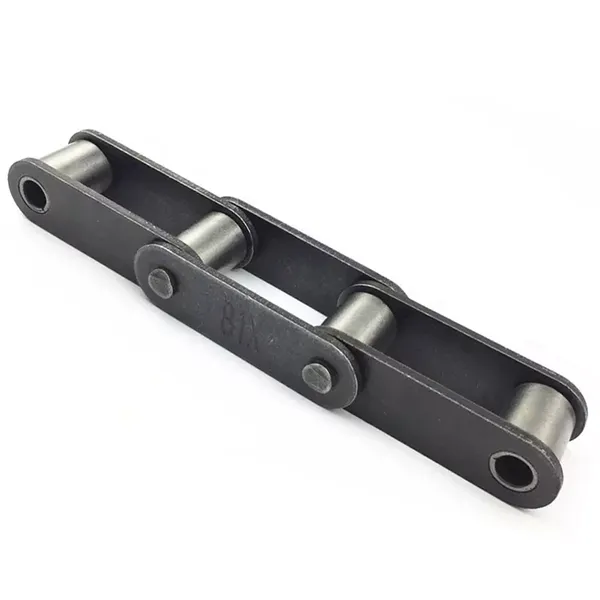
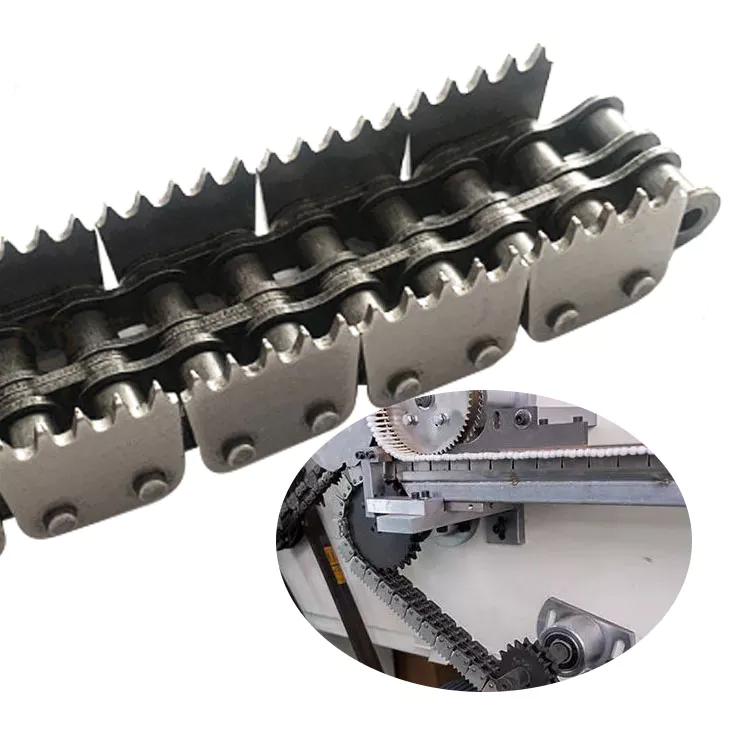
| مدل شماره | ۰۶C/۰۸A/۱۰A/۱۲A/۱۶A/۲۰A/۲۴A/۲۸A/۳۲A/۴۰A/۰۶B/۰۸B/۱۰B/۱۲B/۱۶B/۲۰B/۲۴B/۲۸B/۳۲B/۴۰B-۱/۲/۳ وظیفه سنگین |
| مدل زنجیرهای | زنجیرهای غلتکی |
| ساختار (برای زنجیره) | زنجیر غلتکی |
| مشخصات | GB/T، DIN، ANSI، ISO، BS، JIS. |
| مبدا | هانگژو، ژجیانگ |
| رنگ | رنگ ثابت |
| رنگ زنجیره ای | سفارشی |
شرکت ما
شرکت زنجیرهای ولف (Wolff Chain Co.) یکی از تولیدکنندگان حرفهای زنجیره در چین است. ما بر تحقیق، تولید و تجارت درایو زنجیرهای با برندهای معروف - "DOVON" و "DECHO" تمرکز داریم. ما خدمات OEM را برای بسیاری از شرکتهای معروف مانند SUZUKI، XIHU (WEST LAKE) DIS.، FAW، AGCO، JUMING و همچنین ارائه میدهیم.
شرکت ولف عمدتاً زنجیرهای انتقال قدرت، زنجیرهای نوار نقاله، زنجیرهای کششی، زنجیرهای بیصدا، زنجیرهای برگی، زنجیرهای غلتکی، زنجیرهای ویژه و بسیاری از سریهای دیگر محصولات زنجیری را تولید میکند. تکنسینهای ما کیفیت زنجیر را به سطح جهانی رساندهاند. انتخاب مواد با کیفیت بالا، فناوری عملیات حرارتی قدرتمند و دقیق و روشهای مونتاژ عالی، تضمین میکند که زنجیرهای ولف الزامات سختگیرانه و دشوار ماشینآلات و وسایل نقلیه را برآورده میکنند.
تمام محصولات ما کاملاً با استانداردهای بینالمللی مانند ISO\DIN\ANSI\BS\JIS و غیره مطابقت دارند. ولف با موفقیت گواهینامه سیستم مدیریت کیفیت ISO9001، بازرسی SGS و بازرسی BV را دریافت کرده است. زنجیرهای ولف را میتوان به طور گسترده در بسیاری از صنایع از جمله خودرو، موتورسیکلت، لیفتراک، ماشین آلات فرآوری چوب، ماشین آلات ساختمانی، ماشین آلات بسته بندی، ماشین آلات مواد غذایی، ماشین آلات تنباکو و تجهیزات کشاورزی استفاده کرد. زنجیرهای ولف در بازارهای آمریکا، آمریکای جنوبی، اروپا، خاورمیانه، آسیای جنوب شرقی و آفریقا محبوب هستند.
کارگاه ما
گواهینامه ما
به نمایشگاه ما خوش آمدید
سوالات متداول
س1. شرایط بسته بندی شما چیست؟
الف) به طور کلی، کالاهای خود را در جعبه تک رنگ بسته بندی می کنیم. اگر درخواست خاصی در مورد بسته بندی دارید، لطفاً از قبل با ما مذاکره کنید، ما می توانیم کالاها را طبق درخواست شما بسته بندی کنیم.
Q2 شرایط پرداخت شما چیست؟
A: T/T 30% به عنوان سپرده، و 70% قبل از تحویل. ما عکس های محصولات و بسته ها را به شما نشان خواهیم داد
قبل از پرداخت مانده حساب. سایر شرایط پرداخت، لطفاً از قبل با ما مذاکره کنید، میتوانیم در مورد آنها بحث کنیم.
Q3 شرایط تحویل شما چیست؟
الف: EXW، FOB، CFR، CIF.
Q4 در مورد زمان تحویل شما چطور؟
الف) به طور کلی، 25 تا 30 روز پس از دریافت پیش پرداخت شما طول خواهد کشید. زمان تحویل خاص بستگی دارد
روی اقلام و مقدار سفارش شما.
Q5 آیا می توانید طبق نمونه ها تولید کنید؟
پاسخ: بله، ما میتوانیم با نمونهها یا نقشههای فنی شما تولید کنیم. ما میتوانیم قالبها و وسایل را بسازیم.
Q6 سیاست نمونه شما چیست؟
الف: ما می توانیم نمونه را در صورت داشتن قطعات آماده در انبار عرضه کنیم، اما مشتریان باید هزینه نمونه را پرداخت کنند
هزینه پیک. ما از سفارش نمونه استقبال میکنیم.
Q7 آیا قبل از تحویل، تمام کالاهای خود را آزمایش می کنید؟
A: بله، ما قبل از تحویل، آزمایش 100% را انجام دادهایم.
Q8: چگونه کسب و کار ما را به یک رابطه بلندمدت و خوب تبدیل می کنید؟
1. ما کیفیت خوب و قیمت رقابتی را حفظ میکنیم تا از بهرهمندی مشتریان خود اطمینان حاصل کنیم.
2. ما به هر مشتری به عنوان دوست خود احترام میگذاریم و صمیمانه با آنها تجارت میکنیم و دوست میشویم،
مهم نیست از کجا آمدهاند.
| استاندارد یا غیر استاندارد: | استاندارد |
|---|---|
| کاربرد: | ماشین آلات نساجی، ماشین آلات پوشاک، تجهیزات نوار نقاله، ماشین آلات بسته بندی، ماشین آلات غذایی، دریایی، تجهیزات معدن |
| درمان سطحی: | شکوفه روغنی |
| ساختار: | زنجیر غلتکی |
| مواد: | فولاد کربنی |
| نوع: | زنجیره گام کوتاه |
| نمونهها: |
US$ 0/قطعه
۱ قطعه (حداقل سفارش) | |
|---|
| سفارشی سازی: |
موجود است
| درخواست سفارشی |
|---|
چگونه یک زنجیر نقاله، انتقال شیبدار یا نزولی را مدیریت میکند؟
یک زنجیر نقاله برای مدیریت انواع مختلف انتقال، از جمله کاربردهای شیبدار یا رو به پایین، طراحی شده است. در اینجا نحوه مدیریت این موقعیتها توسط یک زنجیر نقاله آورده شده است:
۱. انتقال شیبدار: هنگامی که یک سیستم نقاله برای جابجایی مواد در سربالایی مورد نیاز است، از یک زنجیر نقاله شیبدار استفاده میشود. طراحی این زنجیر شامل اتصالات یا گیرههای مخصوصی است که چسبندگی بیشتری ایجاد میکنند و از لغزش یا سر خوردن مواد به عقب جلوگیری میکنند. این اتصالات به صورت استراتژیک در امتداد زنجیر قرار گرفتهاند تا انتقال مؤثر در شیبها را تضمین کنند.
۲. انتقال شیبدار: برای نقالههایی که مواد را به سمت پایین شیب حرکت میدهند، از زنجیر نقاله شیبدار استفاده میشود. مشابه نقاله شیبدار، این زنجیر ممکن است دارای اتصالات یا گیرههای مخصوصی باشد که به کنترل سرعت کمک میکند و از سر خوردن سریع مواد جلوگیری میکند. این اتصالات مواد را در جای خود نگه میدارند و جریان کنترلشده و کارآمدی را به سمت پایین تضمین میکنند.
هر دو روش انتقال شیبدار و نزولی نیاز به بررسی دقیق طراحی زنجیر، از جمله نوع و چیدمان اتصالات دارند. اندازه، شکل و وزن مواد منتقل شده نیز در تعیین پیکربندی مناسب زنجیر نقش دارند. مشورت با تولیدکنندگان یا متخصصان زنجیر نقاله برای انتخاب زنجیر و اتصالات مناسب برای کاربردهای خاص شیبدار یا نزولی مهم است.
How do you select the appropriate lubricant for a conveyor chain?
Selecting the right lubricant is crucial for maintaining the performance and longevity of a conveyor chain. Here are the key factors to consider when choosing a lubricant:
1. Chain Type and Material: Different conveyor chains may have specific requirements for lubrication based on their construction materials and design. Consult the manufacturer’s recommendations or specifications to determine the lubricant compatibility.
2. Operating Conditions: Consider the operating environment, such as temperature, humidity, and presence of contaminants. For high-temperature applications, choose a lubricant with a higher temperature tolerance. In wet or dusty environments, opt for lubricants that offer excellent resistance to water washout and provide effective protection against contaminants.
3. Load and Speed: Evaluate the load capacity and speed of the conveyor chain. Higher loads and speeds may require lubricants with better film strength and anti-wear properties to reduce friction and prevent premature wear.
4. Lubrication Method: Determine the lubrication method that will be used for the conveyor chain. Lubricants can be applied through drip systems, brushes, spray nozzles, or automatic lubrication systems. Consider the viscosity and consistency of the lubricant to ensure proper application and distribution.
5. Food-Grade Requirements: In food processing or pharmaceutical applications, where direct contact with the product may occur, it’s essential to use food-grade lubricants that meet industry regulations and requirements for safety and hygiene.
6. Maintenance Schedule: Consider the desired maintenance intervals and the lubricant’s longevity. Some lubricants may require more frequent reapplication, while others provide longer-lasting lubrication.
7. Compatibility with Other Materials: Take into account the compatibility of the lubricant with other materials in the conveyor system, such as seals, gaskets, and paints. Ensure that the lubricant does not cause any adverse effects on these components.
It is recommended to consult with lubricant manufacturers or industry experts to select the most suitable lubricant for your specific conveyor chain application. They can provide guidance based on their expertise and knowledge of lubricant formulations and performance characteristics.
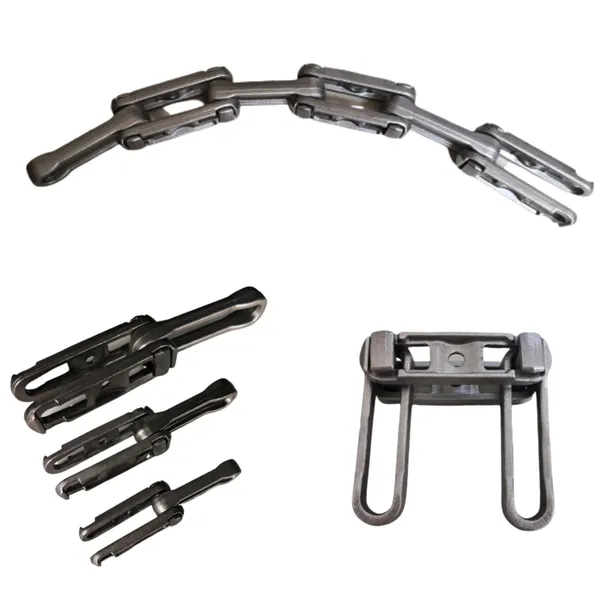
What are the signs of wear and tear in a conveyor chain?
Over time, a conveyor chain may experience wear and tear due to the demanding nature of material handling operations. Several signs indicate the need for maintenance or replacement of a conveyor chain. These signs of wear and tear include:
- Chain Elongation: One of the common signs of wear in a conveyor chain is elongation. As the chain wears, the pitch between the chain links gradually increases, resulting in a longer chain length. Excessive elongation can cause improper engagement with sprockets, leading to slippage or chain derailment.
- Chain Link Plate Wear: The link plates of a conveyor chain can experience wear on their surfaces. This wear is typically caused by friction against sprockets, guide rails, or other components. Signs of plate wear include thinning or deformation of the link plates, which can affect the overall strength and integrity of the chain.
- Sprocket Tooth Wear: The teeth of the sprockets that engage with the conveyor chain can also exhibit signs of wear. Over time, the teeth may become worn down, rounded, or have irregular shapes. This wear can cause improper chain engagement, resulting in reduced efficiency and potential chain slipping or skipping.
- سر و صدای بیش از حد: Increased noise during the operation of the conveyor system can indicate wear and tear in the chain. Excessive wear can lead to metal-to-metal contact, resulting in noisy operation. Unusual squeaking, grinding, or rattling sounds are indicators that the chain may require inspection or maintenance.
- Visible Damage: Any visible damage to the chain, such as cracked or broken link plates, bent pins, or missing attachments, is a clear sign of wear and tear. These damages compromise the chain’s structural integrity and should be addressed promptly to prevent further issues or chain failure.
- Inconsistent Movement: If the conveyor chain starts to exhibit jerky or uneven movement, it may be a sign of wear or misalignment. Misalignment can occur due to worn chain links, damaged sprockets, or improper tensioning. Inconsistent movement can lead to reduced efficiency, increased wear, and potential chain failure.
Regular inspection and maintenance of the conveyor chain system are essential to identify these signs of wear and tear. Timely replacement of worn components and proper lubrication can help prolong the life of the chain and maintain efficient operation.


editor by CX 2023-10-07