
Description du produit
Description du produit
Free Flow Chian
BS25
| Chain Number | model | Pitch | Roller Dia. (D) | Roller Dia.(d) | Weight(kg/m) |
| BS25-C206B | SKVR25-1905 | 19.05 | 18.3 | 11.91 | 0.52 |
| BS25-C208A | SKVR25-2540 | 25.4 | 24.6 | 15.88 | 0.79 |
| BS25-C212A | SKVR25-3810 | 38.1 | 36.6 | 22.23 | 2.19 |
BS30
| Chain Number | model | Pitch | Roller Dia. (D) | Roller Dia.(d) | Weight(kg/m) |
| BS30-C212A | SKVR30-3810 | 38.1 | 38 | 18 | 2.14 |
Free flow chian, also called plus speed chain, accumulation chain, Differential chain.
Free flow chian, also called plus speed chain, accumulation chain, Differential chain.
It is a popular chain used in pallet/tray conveyor system.
Free flow chian, also called plus speed chain, accumulation chain, Differential chain.
Free flow chain is 1 of the major products of Seikonveyor. Its production is finished in automatic factory. In every month CHINAMFG factory supplys over 500000 CHINAMFG free flow chain to the market. Include different materials types: Nylon, steel, stainless steel. and different color: black, blue, brown. Our free flow chain is widely used in automatic conveyor system, especially for different kinds of assembly lines
BS25 free flow chain production view
Free flow chian, also called plus speed chain, accumulation chain, Differential chain.
BS30 free flow chain production view
Free flow chian, also called plus speed chain, accumulation chain, Differential chain.
We pick perfect rollers to assemble the free flow chain, to ensure the chain run smooth
Free flow chian, also called plus speed chain, accumulation chain, Differential chain.
Bulk production makes our free flow chain with competitive price in the martke.
Free flow chian, also called plus speed chain, accumulation chain, Differential chain.
For bulk order, we provide plywood crate package to protect it from damage during transportation.
| Matériel: | Plastic |
|---|---|
| Structure: | Chaîne à rouleaux |
| Traitement de surface : | Electroplating |
| Feature: | Fire Resistant, Oil Resistant, Heat Resistant |
| Pitch: | 38.1 |
| Weight: | 6.8kgs/PC |
| Exemples : |
US$ 20/Meter
1 Meter(Min.Order) | |
|---|
| Personnalisation : |
Disponible
| Demande personnalisée |
|---|
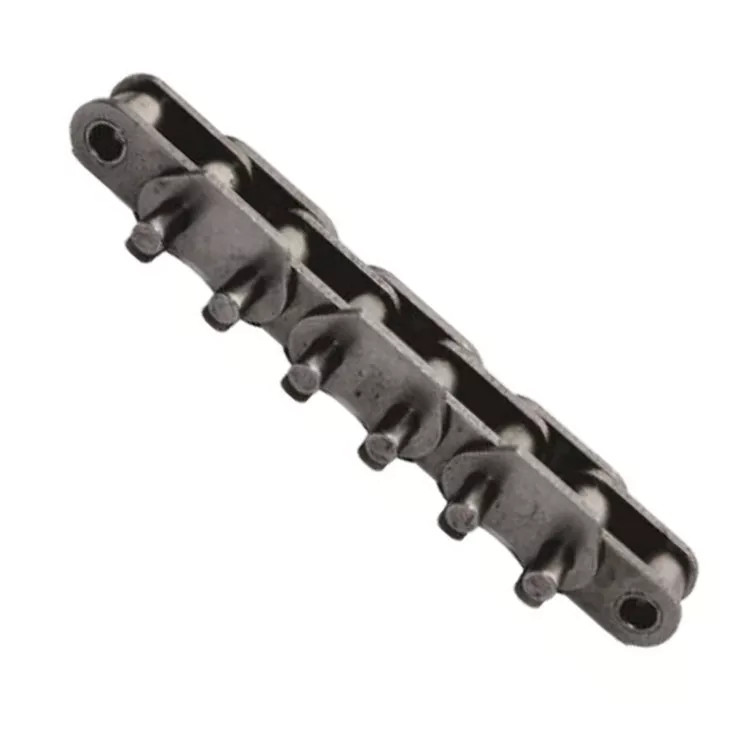
How does a conveyor chain impact energy efficiency in a system?
A conveyor chain plays a significant role in the energy efficiency of a conveyor system. Here are the ways in which it impacts energy efficiency:
1. Reduced Power Consumption:
– A well-designed conveyor chain with low friction characteristics can minimize power consumption. By reducing the frictional resistance between the chain and the conveyor components, less energy is required to move the chain and transport the materials along the conveyor system.
2. Efficient Power Transmission:
– The design and construction of a conveyor chain contribute to efficient power transmission. Chains with optimized pitch, roller diameter, and sprocket tooth profile ensure smooth and effective power transfer, minimizing energy losses during operation.
3. Proper Chain Tensioning:
– Maintaining proper chain tension is crucial for energy efficiency. An adequately tensioned chain ensures optimal contact between the chain and the sprockets, minimizing slippage and power loss. Regular inspections and adjustments of chain tension help maximize energy efficiency.
4. Alignment and Tracking:
– Proper alignment and tracking of the conveyor chain are essential for energy efficiency. Misaligned or poorly tracked chains can cause increased friction, leading to higher energy consumption. Regular monitoring and adjustment of the chain’s alignment ensure smooth and efficient operation.
5. Regular Maintenance:
– Performing routine maintenance on the conveyor chain, including lubrication, cleaning, and inspection, helps maintain optimal performance and energy efficiency. Adequate lubrication reduces friction and wear, minimizing power losses and extending the chain’s lifespan.
6. System Design Optimization:
– Considering energy efficiency during the design phase of a conveyor system can significantly impact its overall efficiency. Proper selection of conveyor chain components, such as low-friction materials and efficient drive systems, can help minimize energy consumption and improve the system’s energy efficiency.
By employing these practices and utilizing energy-efficient conveyor chain technologies, businesses can reduce energy costs, minimize environmental impact, and enhance the overall sustainability of their operations.
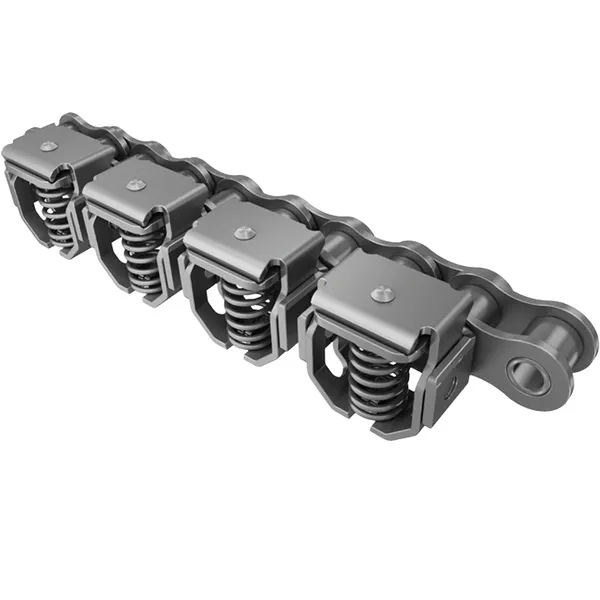
What are the best practices for storing and handling conveyor chains?
Proper storage and handling of conveyor chains are essential to maintain their performance, prevent damage, and prolong their lifespan. Here are some best practices to consider:
1. Clean and dry storage area: Store conveyor chains in a clean and dry environment to prevent the accumulation of dirt, dust, moisture, or contaminants that can affect their performance and cause corrosion.
2. Adequate support: Ensure that the stored conveyor chains are properly supported to prevent excessive bending or deformation. Use pallets, racks, or designated storage containers that can accommodate the weight and length of the chains.
3. Avoid excessive heat or cold: Conveyor chains should be stored in an area with a moderate temperature range to avoid extreme heat or cold that can affect the material properties or lubrication of the chains.
4. Protection against impacts and vibrations: Protect the stored chains from impacts or excessive vibrations that can cause damage or deformation. Use suitable packaging or covers to shield the chains from any potential physical damage.
5. Lubrication: Apply a thin layer of appropriate lubricant to the chains before storage to prevent corrosion and maintain their smooth operation. Follow the manufacturer’s recommendations for lubrication type and quantity.
6. Regular inspections: Periodically inspect the stored conveyor chains to ensure there are no signs of damage, corrosion, or deformation. If any issues are identified, take appropriate actions such as cleaning, lubricating, or replacing the chains.
7. Proper handling techniques: When handling conveyor chains, use appropriate lifting equipment or tools to avoid excessive strain or bending. Avoid dragging or dropping the chains, as this can cause damage to the chain links or attachments.
8. Training and awareness: Provide training to personnel involved in handling and storing conveyor chains to ensure they understand the proper procedures and best practices. Promote awareness of the importance of careful handling and storage to prevent accidents and maintain chain integrity.
By following these best practices, you can ensure the longevity and reliable performance of your conveyor chains, reducing the risk of downtime and costly repairs.
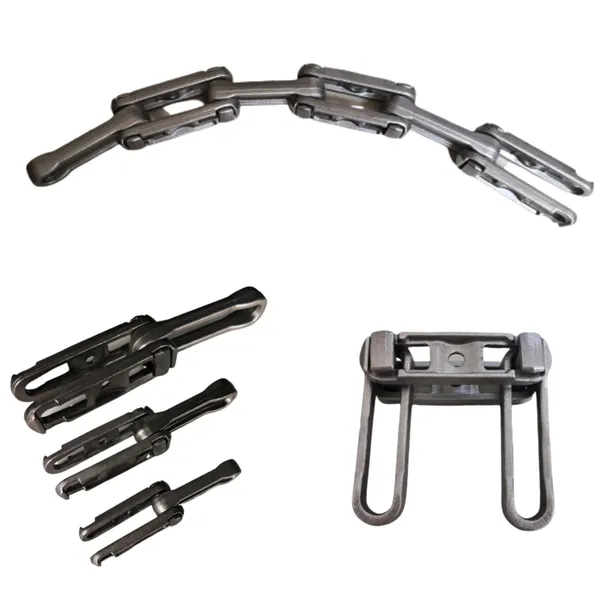
Quels sont les niveaux de bruit associés aux chaînes de convoyeurs ?
Le niveau sonore des chaînes de convoyeurs peut varier en fonction de plusieurs facteurs :
1. Type de chaîne : Différents types de chaînes de convoyeur produisent des niveaux de bruit variables. Par exemple, les chaînes à rouleaux ont tendance à générer plus de bruit que les chaînes silencieuses ou les chaînes modulaires en plastique.
2. Vitesse : La vitesse de fonctionnement de la chaîne du convoyeur influe sur le niveau sonore. Plus la vitesse est élevée, plus le bruit est important en raison des chocs et des frottements entre la chaîne et les autres composants.
3. État de la chaîne : L’état de la chaîne du convoyeur influe sur le bruit généré. Les chaînes usées ou mal entretenues peuvent produire davantage de bruit en raison d’une friction et de vibrations accrues.
4. Environnement environnant : Le niveau sonore peut également être influencé par l’environnement dans lequel le système de convoyage fonctionne. Des facteurs tels que la présence d’autres machines, l’acoustique des locaux et les mesures d’isolation phonique peuvent avoir un impact sur le niveau sonore global.
5. Conception et composants : La conception du système de convoyage et le choix des composants peuvent influer sur les niveaux de bruit. Des facteurs tels que l’utilisation de matériaux insonorisants, un alignement correct des composants et des mesures d’amortissement des vibrations peuvent contribuer à réduire le bruit.
Il est important de noter que des niveaux de bruit excessifs sur le lieu de travail peuvent nuire au bien-être des employés et nécessiter des mesures de contrôle du bruit afin de se conformer à la réglementation en matière de santé et de sécurité au travail. La mise en œuvre de stratégies de réduction du bruit, telles que l'utilisation de matériaux insonorisants, une lubrification adéquate, le maintien de la tension de la chaîne et l'application de techniques d'isolation des vibrations, peut contribuer à minimiser le bruit associé aux chaînes de convoyeurs.


editor by CX 2023-11-29