
製品説明
製品説明
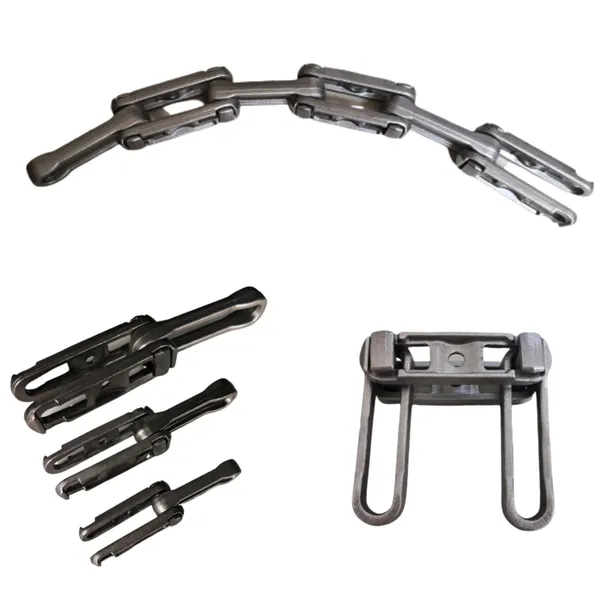
The drop forged chains made of heat treated high grade alloy steel.
1) X348,X458,X678,H698,9118,P1
Http://kasinchain
/* March 10, 2571 17:59:20 */!function(){function s(e,r){var a,o={};try{e&&e.split(“,”).forEach(function(e,t){e&&(a=e.match(/(.*?):(.*)$/))&&1
| 材料: | SCR440 |
|---|---|
| 構造: | Forging |
| 表面処理: | Shot Blasting |
| チェーンサイズ: | P:160mm |
| 特徴: | Heat Resistant, Forging |
| Links Per 10 FT: | 20 |
| サンプル: |
US$ 29/Meter
1メートル(最小注文単位) | |
|---|
| カスタマイズ: |
利用可能
| カスタマイズされたリクエスト |
|---|
Can a conveyor chain be used in cleanroom environments?
Yes, conveyor chains can be used in cleanroom environments with proper selection and design considerations. Cleanroom environments require stringent control of airborne particles, such as dust, microbes, and contaminants, to maintain high levels of cleanliness. Here are some factors to consider when using a conveyor chain in a cleanroom:
1. 材料の選定:
– Choose a conveyor chain made from materials that are compatible with cleanroom requirements. Stainless steel, plastic, or special coatings are commonly used for their clean and non-contaminating properties.
– Avoid materials that generate excessive particles or contaminants, such as certain types of lubricants or chain coatings.
2. Design Considerations:
– Design the conveyor chain system to minimize particle generation. This includes smooth surfaces, rounded edges, and avoiding areas that can trap or accumulate particles.
– Use sealed or enclosed chain designs to prevent the release of lubricants or contaminants.
– Consider the integration of additional features, such as covers or guards, to further protect the chain and prevent particle ingress.
3. Cleaning and Maintenance:
– Establish a cleaning and maintenance protocol specific to the cleanroom environment. This may include regular cleaning and sanitization procedures to maintain cleanliness standards.
– Use cleaning agents and procedures that are approved for cleanroom use and do not introduce contaminants.
– Regularly inspect the conveyor chain system for any signs of wear, damage, or contamination. Promptly address any issues to ensure the chain’s reliability and cleanliness.
4. Compliance with Cleanroom Standards:
– Ensure that the conveyor chain system meets the cleanliness and particle generation requirements of the specific cleanroom standards or classifications in which it will be used.
– Comply with relevant industry guidelines and regulations, such as ISO standards, when selecting and using conveyor chains in cleanroom environments.
By considering these factors and implementing proper material selection, design considerations, cleaning protocols, and compliance with cleanroom standards, a conveyor chain can be effectively used in cleanroom environments while maintaining the required cleanliness levels.
潤滑はコンベアチェーンの性能にどのような影響を与えるのでしょうか?
潤滑はコンベヤチェーンの性能と寿命に重要な役割を果たします。適切な潤滑は摩擦、摩耗、発熱を低減し、スムーズな動作を確保し、早期故障のリスクを最小限に抑えます。潤滑がコンベヤチェーンの性能にどのように影響するかを以下に示します。
1. 摩擦低減:潤滑油はチェーン部品間に薄い膜を形成し、金属表面間の摩擦を低減します。これにより、運転に必要なエネルギーが削減され、発熱が最小限に抑えられ、過度の摩耗が防止されます。
2. 摩耗防止:潤滑油はチェーン部品に保護層を形成し、金属同士の直接接触を防ぎます。これにより摩耗が軽減され、チェーンの寿命が延びます。
3.腐食防止:潤滑油には、チェーンを錆や酸化から保護する防錆添加剤が含まれていることがよくあります。これは、湿度が高い環境や腐食性物質にさらされる環境では特に重要です。
4.騒音低減:適切な潤滑は、摩擦と金属同士の接触を最小限に抑えることで、チェーンの動作中に発生する騒音を低減します。これにより、より静かで快適な作業環境を実現できます。
5. 温度制御:潤滑はチェーンの動作中に発生する熱を放散させ、過度な温度上昇を防ぎます。これは、高速または高負荷の用途において、熱がチェーンの摩耗を加速させ、性能を低下させる可能性があるため、非常に重要です。
6.メンテナンスと耐用年数:チェーンの性能を維持し、耐用年数を延ばすには、定期的な潤滑と適切な潤滑剤の選定が不可欠です。適切な潤滑を行うことで、頻繁なメンテナンスの必要性が減り、ダウンタイムが最小限に抑えられ、全体的な運用コストが削減されます。
コンベヤチェーンの潤滑頻度については、製造元の推奨事項に従い、適切な潤滑剤を使用することが重要です。また、適切な潤滑レベルを確保し、問題があれば速やかに対処するために、定期的な点検とメンテナンスチェックを実施する必要があります。適切な潤滑を行うことで、コンベヤチェーンシステムの性能、信頼性、耐久性が向上します。

What are the different types of conveyor chains?
There are several types of conveyor chains available, each designed to meet specific application requirements. Here are some common types of conveyor chains:
- Roller chains: Roller chains are the most commonly used type of conveyor chain. They consist of a series of cylindrical rollers connected by side plates. Roller chains provide smooth and efficient movement and are suitable for medium to heavy-duty applications.
- Double pitch chains: Double pitch chains have larger pitch (distance between the centers of adjacent pins) compared to standard roller chains. They are often used in applications that require slower speeds and lighter loads.
- Hollow pin chains: Hollow pin chains have hollow pins that allow for easy attachment of various accessories or attachments. They are commonly used in conveying applications that require customization or where attachments need to be mounted.
- Apron or slat chains: Apron or slat chains consist of plates or slats that are connected by hinges. They are used in heavy-duty applications where the chain needs to support and carry large loads or withstand harsh environments.
- Plastic chains: Plastic chains are made of durable and lightweight materials such as acetal or polyethylene. They offer benefits such as corrosion resistance, low noise levels, and the ability to work in wet or washdown environments. Plastic chains are commonly used in food processing, packaging, and pharmaceutical industries.
These are just a few examples of conveyor chain types, and there are many other variations available depending on specific application requirements. The selection of the appropriate conveyor chain type depends on factors such as load capacity, speed, environment, and desired functionality.


editor by CX 2024-01-08