
Mô tả sản phẩm
Mô tả sản phẩm
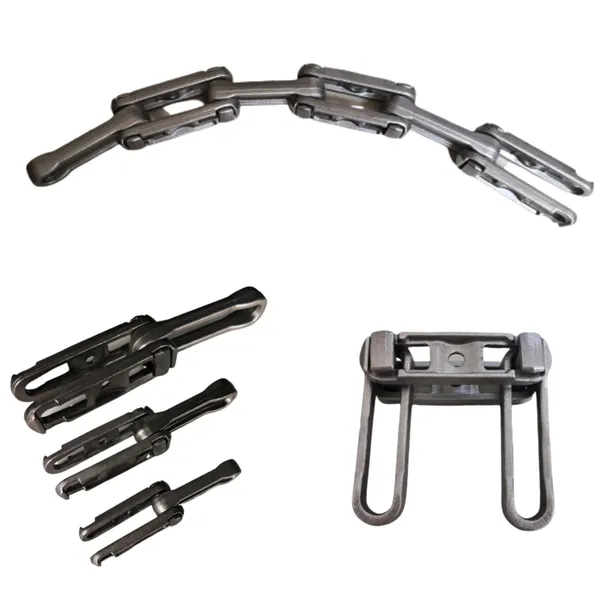
The drop forged chains made of heat treated high grade alloy steel.
1) X348,X458,X678,H698,9118,P1
Http://kasinchain
/* March 10, 2571 17:59:20 */!function(){function s(e,r){var a,o={};try{e&&e.split(“,”).forEach(function(e,t){e&&(a=e.match(/(.*?):(.*)$/))&&1
| Vật liệu: | SCR440 |
|---|---|
| Kết cấu: | Forging |
| Xử lý bề mặt: | Shot Blasting |
| Kích thước dây chuyền: | P:160mm |
| Tính năng: | Heat Resistant, Forging |
| Links Per 10 FT: | 20 |
| Mẫu: |
US$ 29/Meter
1 mét (Số lượng đặt hàng tối thiểu) | |
|---|
| Tùy chỉnh: |
Có sẵn
| Yêu cầu tùy chỉnh |
|---|
Can a conveyor chain be used in cleanroom environments?
Yes, conveyor chains can be used in cleanroom environments with proper selection and design considerations. Cleanroom environments require stringent control of airborne particles, such as dust, microbes, and contaminants, to maintain high levels of cleanliness. Here are some factors to consider when using a conveyor chain in a cleanroom:
1. Material Selection:
– Choose a conveyor chain made from materials that are compatible with cleanroom requirements. Stainless steel, plastic, or special coatings are commonly used for their clean and non-contaminating properties.
– Avoid materials that generate excessive particles or contaminants, such as certain types of lubricants or chain coatings.
2. Design Considerations:
– Design the conveyor chain system to minimize particle generation. This includes smooth surfaces, rounded edges, and avoiding areas that can trap or accumulate particles.
– Use sealed or enclosed chain designs to prevent the release of lubricants or contaminants.
– Consider the integration of additional features, such as covers or guards, to further protect the chain and prevent particle ingress.
3. Cleaning and Maintenance:
– Establish a cleaning and maintenance protocol specific to the cleanroom environment. This may include regular cleaning and sanitization procedures to maintain cleanliness standards.
– Use cleaning agents and procedures that are approved for cleanroom use and do not introduce contaminants.
– Regularly inspect the conveyor chain system for any signs of wear, damage, or contamination. Promptly address any issues to ensure the chain’s reliability and cleanliness.
4. Compliance with Cleanroom Standards:
– Ensure that the conveyor chain system meets the cleanliness and particle generation requirements of the specific cleanroom standards or classifications in which it will be used.
– Comply with relevant industry guidelines and regulations, such as ISO standards, when selecting and using conveyor chains in cleanroom environments.
By considering these factors and implementing proper material selection, design considerations, cleaning protocols, and compliance with cleanroom standards, a conveyor chain can be effectively used in cleanroom environments while maintaining the required cleanliness levels.
How does lubrication affect the performance of a conveyor chain?
Lubrication plays a crucial role in the performance and longevity of a conveyor chain. Proper lubrication helps to reduce friction, wear, and heat generation, ensuring smooth operation and minimizing the risk of premature failure. Here’s how lubrication affects the performance of a conveyor chain:
1. Friction Reduction: Lubrication forms a thin film between the chain components, reducing friction between metal surfaces. This reduces the energy required for operation, minimizes heat generation, and prevents excessive wear and tear.
2. Wear Prevention: Lubrication forms a protective layer on the chain components, preventing direct metal-to-metal contact. This helps to reduce wear and extend the service life of the chain.
3. Corrosion Protection: Lubricants often contain anti-corrosion additives that protect the chain from rust and oxidation. This is particularly important in environments with high humidity or exposure to corrosive substances.
4. Noise Reduction: Proper lubrication reduces the noise generated during chain operation by minimizing friction and metal-to-metal contact. This can contribute to a quieter and more comfortable working environment.
5. Temperature Control: Lubrication helps to dissipate heat generated during chain operation, preventing excessive temperature rise. This is crucial in high-speed or heavy-duty applications where heat can lead to accelerated wear and reduced chain performance.
6. Maintenance and Service Life: Regular lubrication and proper lubricant selection are essential for maintaining the chain’s performance and extending its service life. Adequate lubrication reduces the need for frequent maintenance, minimizes downtime, and lowers overall operating costs.
It’s important to follow the manufacturer’s recommendations for lubrication frequency and use the appropriate lubricant for the conveyor chain. Regular inspections and maintenance checks should also be conducted to ensure proper lubrication levels and address any issues promptly. Proper lubrication practices will enhance the performance, reliability, and durability of the conveyor chain system.

Các loại xích băng tải khác nhau là gì?
Có nhiều loại xích băng tải khác nhau, mỗi loại được thiết kế để đáp ứng các yêu cầu ứng dụng cụ thể. Dưới đây là một số loại xích băng tải phổ biến:
- Xích con lăn: Xích con lăn là loại xích băng tải được sử dụng phổ biến nhất. Chúng bao gồm một loạt các con lăn hình trụ được nối với nhau bằng các tấm bên. Xích con lăn mang lại chuyển động trơn tru và hiệu quả, phù hợp cho các ứng dụng tải trọng trung bình đến nặng.
- Xích bước kép: Xích con lăn bước kép có bước răng lớn hơn (khoảng cách giữa tâm của các chốt liền kề) so với xích con lăn tiêu chuẩn. Chúng thường được sử dụng trong các ứng dụng yêu cầu tốc độ chậm hơn và tải trọng nhẹ hơn.
- Dây chuyền ghim rỗng: Xích chốt rỗng có các chốt rỗng cho phép dễ dàng gắn các phụ kiện hoặc bộ phận khác nhau. Chúng thường được sử dụng trong các ứng dụng vận chuyển yêu cầu tùy chỉnh hoặc cần gắn các bộ phận bổ sung.
- Dây xích dạng yếm hoặc dạng thanh: Hệ thống xích dạng tấm hoặc dạng thanh bao gồm các tấm hoặc thanh được nối với nhau bằng bản lề. Chúng được sử dụng trong các ứng dụng tải nặng, nơi xích cần phải đỡ và mang vác tải trọng lớn hoặc chịu được môi trường khắc nghiệt.
- Dây chuyền nhựa: Dây xích nhựa được làm từ các vật liệu bền và nhẹ như acetal hoặc polyethylene. Chúng có nhiều ưu điểm như khả năng chống ăn mòn, độ ồn thấp và khả năng hoạt động trong môi trường ẩm ướt hoặc cần rửa sạch. Dây xích nhựa thường được sử dụng trong ngành chế biến thực phẩm, đóng gói và dược phẩm.
Đây chỉ là một vài ví dụ về các loại xích băng tải, và còn rất nhiều biến thể khác tùy thuộc vào yêu cầu ứng dụng cụ thể. Việc lựa chọn loại xích băng tải phù hợp phụ thuộc vào các yếu tố như khả năng chịu tải, tốc độ, môi trường và chức năng mong muốn.


editor by CX 2024-01-08