
Productbeschrijving
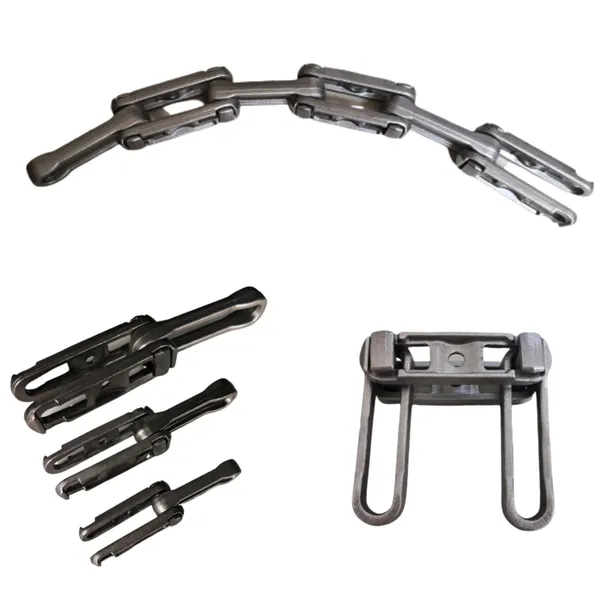
| Name | Factory Direct Sale Steel Detachable Link Chain Detachable Chain |
| Materiaal | Steel |
| Surface | Painted or Others |
| Haven | HangZhou in China |
| Steekproef | Sample is free of charge, freight covered by customer |
| Packing | Carton,Bag,Pallet Or Others |
| D/T | 30 days after order confirmation |
Veelgestelde vragen
>> 1.Are you a factory or a trading company?
We are a factory. We have been focused on forging nearly 30 years.
>> 2.How do you control your quality?
1: Design control
2:Incoming inspection
3:Dimensional control
4:Tensile tests
5:Quality inspection before delivery
| Gebruik: | Transmission Chain, Conveyor Chain |
|---|---|
| Materiaal: | Steel |
| Functie: | Heat Resistant |
| Structuur: | Detachable Chain |
| Kleur: | Black |
| Technology: | Forging |
| Voorbeelden: |
US$ 0/Piece
1 stuk (minimale bestelling) | |
|---|
| Aanpassing: |
Beschikbaar
| Aanvraag op maat |
|---|
Can a conveyor chain be used in cleanroom environments?
Yes, conveyor chains can be used in cleanroom environments with proper selection and design considerations. Cleanroom environments require stringent control of airborne particles, such as dust, microbes, and contaminants, to maintain high levels of cleanliness. Here are some factors to consider when using a conveyor chain in a cleanroom:
1. Materiaalselectie:
– Choose a conveyor chain made from materials that are compatible with cleanroom requirements. Stainless steel, plastic, or special coatings are commonly used for their clean and non-contaminating properties.
– Avoid materials that generate excessive particles or contaminants, such as certain types of lubricants or chain coatings.
2. Design Considerations:
– Design the conveyor chain system to minimize particle generation. This includes smooth surfaces, rounded edges, and avoiding areas that can trap or accumulate particles.
– Use sealed or enclosed chain designs to prevent the release of lubricants or contaminants.
– Consider the integration of additional features, such as covers or guards, to further protect the chain and prevent particle ingress.
3. Cleaning and Maintenance:
– Establish a cleaning and maintenance protocol specific to the cleanroom environment. This may include regular cleaning and sanitization procedures to maintain cleanliness standards.
– Use cleaning agents and procedures that are approved for cleanroom use and do not introduce contaminants.
– Regularly inspect the conveyor chain system for any signs of wear, damage, or contamination. Promptly address any issues to ensure the chain’s reliability and cleanliness.
4. Compliance with Cleanroom Standards:
– Ensure that the conveyor chain system meets the cleanliness and particle generation requirements of the specific cleanroom standards or classifications in which it will be used.
– Comply with relevant industry guidelines and regulations, such as ISO standards, when selecting and using conveyor chains in cleanroom environments.
By considering these factors and implementing proper material selection, design considerations, cleaning protocols, and compliance with cleanroom standards, a conveyor chain can be effectively used in cleanroom environments while maintaining the required cleanliness levels.

Kan een transportketting worden gebruikt voor zware toepassingen?
Ja, een transportketting kan worden gebruikt voor zware toepassingen. Transportkettingen zijn speciaal ontworpen om zware lasten te hanteren en betrouwbaar transport te garanderen in industriële omgevingen.
Hieronder volgen enkele factoren die transportkettingen geschikt maken voor zware toepassingen:
1. Robuuste constructie: Transportkettingen worden doorgaans gemaakt van zeer sterke materialen zoals gelegeerd staal, roestvrij staal of gehard koolstofstaal. Deze materialen bieden een uitstekende duurzaamheid en zijn bestand tegen de zware belastingen en zware bedrijfsomstandigheden die vaak voorkomen bij zware toepassingen.
2. Hoog draagvermogen: Transportkettingen zijn ontworpen om aanzienlijke lasten te verwerken, waaronder zware producten, bulkmaterialen of grote onderdelen. De kettingen zijn ontworpen met de juiste steek, schakelafmetingen en sterkte om betrouwbaar transport van zware items te garanderen.
3. Vermoeidheidsweerstand: Transportkettingen zijn ontworpen om de herhaalde belasting en vermoeidheid te weerstaan die ontstaan door continu gebruik onder zware lasten. Ze ondergaan specifieke warmtebehandelingen en oppervlaktehardingsprocessen om hun weerstand tegen slijtage, vermoeidheid en vervorming te verbeteren.
4. Aanpassingsmogelijkheden: Transportkettingen kunnen worden aangepast aan de specifieke eisen van zware toepassingen. Dit omvat de selectie van het juiste kettingtype, steek, bevestigingsontwerp en oppervlaktecoating voor verbeterde prestaties en een langere levensduur.
5. Compatibiliteit met zware apparatuur: Transportkettingen zijn ontworpen om naadloos te integreren met zware transportsystemen, inclusief grote motoren, aandrijvingen en ondersteunende constructies. Dit garandeert een correcte krachtoverbrenging en een soepele werking, zelfs in veeleisende omgevingen.
6. Veiligheidsvoorzieningen: Transportkettingen voor zware toepassingen zijn vaak voorzien van veiligheidsvoorzieningen zoals overbelastingsbeveiliging, noodstops en bewakingssystemen om de veiligheid van de operators te garanderen en schade aan de apparatuur te voorkomen.
Het is belangrijk om een gekwalificeerde ingenieur of transportbandfabrikant te raadplegen bij de selectie van de juiste transportketting en systeemcomponenten voor de specifieke zware toepassing. Zij kunnen advies geven over de kettingkeuze, het systeemontwerp en de onderhoudsprocedures om optimale prestaties en betrouwbaarheid te garanderen.
What are the different types of conveyor chains?
There are several types of conveyor chains available, each designed to meet specific application requirements. Here are some common types of conveyor chains:
- Roller chains: Roller chains are the most commonly used type of conveyor chain. They consist of a series of cylindrical rollers connected by side plates. Roller chains provide smooth and efficient movement and are suitable for medium to heavy-duty applications.
- Double pitch chains: Double pitch chains have larger pitch (distance between the centers of adjacent pins) compared to standard roller chains. They are often used in applications that require slower speeds and lighter loads.
- Hollow pin chains: Hollow pin chains have hollow pins that allow for easy attachment of various accessories or attachments. They are commonly used in conveying applications that require customization or where attachments need to be mounted.
- Apron or slat chains: Apron or slat chains consist of plates or slats that are connected by hinges. They are used in heavy-duty applications where the chain needs to support and carry large loads or withstand harsh environments.
- Plastic chains: Plastic chains are made of durable and lightweight materials such as acetal or polyethylene. They offer benefits such as corrosion resistance, low noise levels, and the ability to work in wet or washdown environments. Plastic chains are commonly used in food processing, packaging, and pharmaceutical industries.
These are just a few examples of conveyor chain types, and there are many other variations available depending on specific application requirements. The selection of the appropriate conveyor chain type depends on factors such as load capacity, speed, environment, and desired functionality.


editor by CX 2023-10-24