Описание продукта
| Номер модели. | 06C/08A/10A/12A/16A/20A/24A/28A/32A/40A/06B/08B/10B/12B/16B/20B/24B/28B/32B/40B-1/2/3 Сверхпрочный |
| Цепная модель | Роликовые цепи |
| Структура (для цепи) | Роликовая цепь |
| Спецификация | ГБ/Т, DIN, ANSI, ISO, BS, JIS. |
| Источник | Ханчжоу, Чжэцзян |
| Цвет | Однотонный цвет |
| Цвет цепи | Индивидуальный |
Наша компания
Компания Wolff Chain Co. является одним из профессиональных производителей цепей в Китае. Мы специализируемся на исследованиях, производстве и торговле цепными приводами известных брендов — «DOVON» и «DECHO». Мы также предоставляем услуги OEM для многих известных предприятий, таких как SUZUKI, XIHU (WEST LAKE) DIS., FAW, AGCO, JUMING.
Wolff mainly producing the Transmission chains,Conveyor chains,Dragging Chains,Silent chains,Leaf chains,Roller chains,Special chain and many other series of chain products. Our technicians a have improved the chains quality to the world-level. High quality material selection, powerful and precise heat-treatment technology and excellent assembly methods ensure Wolff chains meet the tough and strict requirements for machines and vehicles.
All of our products completely conform to the international standard such as ISO\DIN\ANSI\BS\JIS, etc. Wolff has been successfully certified by ISO9001 Quality Management System,SGS inspection and BV inspection. Wolff chains can be widely applied to many industries including automobile, motorcycle, forklift, wood processing machine, constructure machine, packing machine, food machine,tobacco machine and agricultural equipments. Wolff chains are popular in America,South America,Europe,Middle East, South East Asia and Africa markets.
Наша мастерская
Наша сертификация
Добро пожаловать на нашу выставку!
Часто задаваемые вопросы
В1. Каковы ваши условия упаковки?
А: Обычно мы упаковываем наши товары в одноцветные коробки. Если у вас есть особые пожелания по упаковке, пожалуйста, обсудите это с нами заранее, мы сможем упаковать товар в соответствии с вашими требованиями.
В2. Каковы ваши условия оплаты?
A: Предоплата банковским переводом 30%, и 70% перед доставкой. Мы покажем вам фотографии продукции и упаковки.
Перед оплатой остатка. Другие условия оплаты, пожалуйста, обсудите с нами заранее, мы можем это обсудить.
В3. Каковы ваши условия доставки?
A: EXW, FOB, CFR, CIF.
Вопрос 4. Каковы сроки доставки?
А: Как правило, доставка занимает от 25 до 30 дней после получения предоплаты. Конкретное время доставки зависит от...
о товарах и количестве вашего заказа.
В5. Можете ли вы производить продукцию по образцам?
А: Да, мы можем производить продукцию по вашим образцам или техническим чертежам. Мы можем изготовить пресс-формы и оснастку.
В6. Какой у вас примерный страховой полис?
А: Мы можем предоставить образец, если у нас есть готовые детали на складе, но стоимость образца оплачивает клиент.
Стоимость курьерской доставки. Мы приветствуем заказы образцов.
В7. Проверяете ли вы все свои товары перед отправкой?
А: Да, перед отправкой мы проводим тест 100%.
В8: Как вы можете построить долгосрочные и хорошие деловые отношения с нами?
1. Мы поддерживаем высокое качество и конкурентоспособные цены, чтобы обеспечить выгоду для наших клиентов;
2. Мы относимся к каждому клиенту как к другу и искренне ведем с ними бизнес и заводим дружеские отношения.
no matter where they come from.
| Стандартный или нестандартный: | Стандарт |
|---|---|
| Приложение: | Текстильное оборудование, швейное оборудование, конвейерное оборудование, упаковочное оборудование, пищевое оборудование, морское оборудование, горнодобывающее оборудование |
| Обработка поверхности: | Масляный цветение |
| Структура: | Роликовая цепь |
| Материал: | Углеродистая сталь |
| Тип: | Короткая цепочка шагов |
| Образцы: |
US$ 0/штука
1 штука (минимальный заказ) | |
|---|
| Настройка: |
Доступный
| Индивидуальный запрос |
|---|
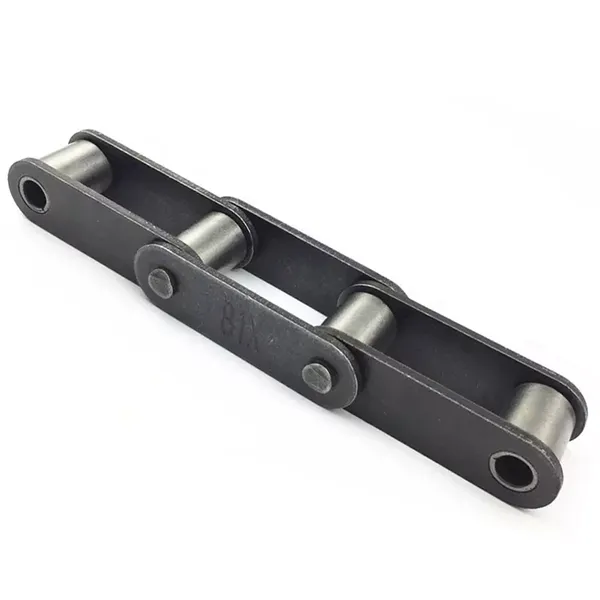
Как конвейерная цепь справляется с движением грузов под наклоном или вниз?
Конвейерная цепь предназначена для транспортировки различных грузов, включая грузы, перемещающиеся под наклоном или вниз. Вот как конвейерная цепь справляется с такими ситуациями:
1. Наклонная транспортировка: Когда для перемещения материалов вверх по склону требуется конвейерная система, используется наклонная конвейерная цепь. Конструкция цепи включает специальные крепления или защелки, которые обеспечивают дополнительное сцепление и предотвращают проскальзывание или скольжение материала назад. Эти крепления стратегически расположены вдоль цепи для обеспечения эффективной транспортировки на наклонных поверхностях.
2. Наклонная конвейерная система: Для конвейеров, перемещающих материалы вниз по склону, используется наклонная конвейерная цепь. Подобно наклонной конвейерной системе, цепь может иметь специальные приспособления или защелки, которые помогают контролировать скорость и предотвращают слишком быстрое скольжение материала. Эти приспособления удерживают материал на месте и обеспечивают контролируемый и эффективный поток вниз.
Как для наклонных, так и для нисходящих конвейерных систем необходимо тщательно продумать конструкцию цепи, включая тип и расположение креплений. Размер, форма и вес транспортируемого материала также играют роль в определении подходящей конфигурации цепи. Важно проконсультироваться с производителями конвейерных цепей или специалистами, чтобы выбрать правильную цепь и крепления для конкретных условий наклонной или нисходящей транспортировки.
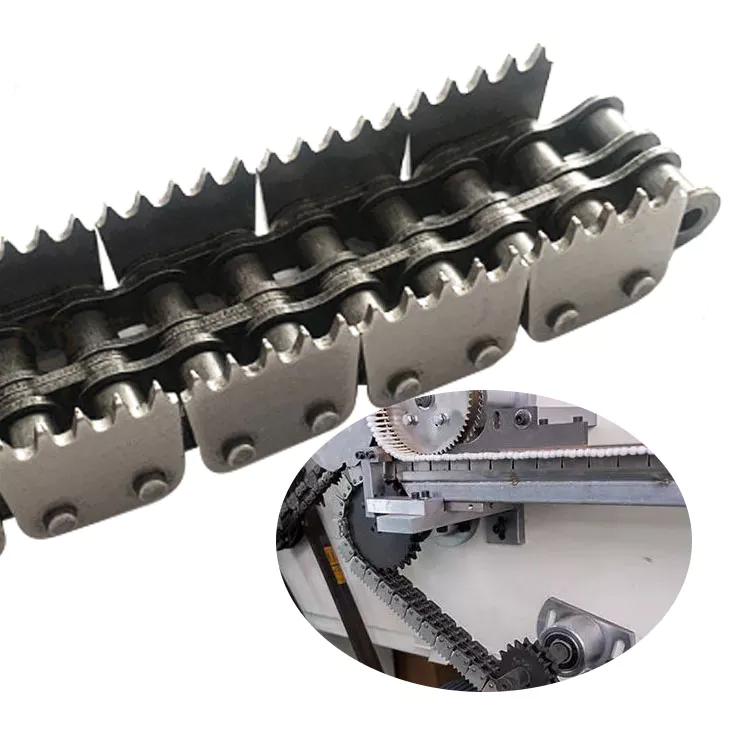
How do you select the appropriate lubricant for a conveyor chain?
Selecting the right lubricant is crucial for maintaining the performance and longevity of a conveyor chain. Here are the key factors to consider when choosing a lubricant:
1. Chain Type and Material: Different conveyor chains may have specific requirements for lubrication based on their construction materials and design. Consult the manufacturer’s recommendations or specifications to determine the lubricant compatibility.
2. Operating Conditions: Consider the operating environment, such as temperature, humidity, and presence of contaminants. For high-temperature applications, choose a lubricant with a higher temperature tolerance. In wet or dusty environments, opt for lubricants that offer excellent resistance to water washout and provide effective protection against contaminants.
3. Load and Speed: Evaluate the load capacity and speed of the conveyor chain. Higher loads and speeds may require lubricants with better film strength and anti-wear properties to reduce friction and prevent premature wear.
4. Lubrication Method: Determine the lubrication method that will be used for the conveyor chain. Lubricants can be applied through drip systems, brushes, spray nozzles, or automatic lubrication systems. Consider the viscosity and consistency of the lubricant to ensure proper application and distribution.
5. Food-Grade Requirements: In food processing or pharmaceutical applications, where direct contact with the product may occur, it’s essential to use food-grade lubricants that meet industry regulations and requirements for safety and hygiene.
6. Maintenance Schedule: Consider the desired maintenance intervals and the lubricant’s longevity. Some lubricants may require more frequent reapplication, while others provide longer-lasting lubrication.
7. Compatibility with Other Materials: Take into account the compatibility of the lubricant with other materials in the conveyor system, such as seals, gaskets, and paints. Ensure that the lubricant does not cause any adverse effects on these components.
It is recommended to consult with lubricant manufacturers or industry experts to select the most suitable lubricant for your specific conveyor chain application. They can provide guidance based on their expertise and knowledge of lubricant formulations and performance characteristics.
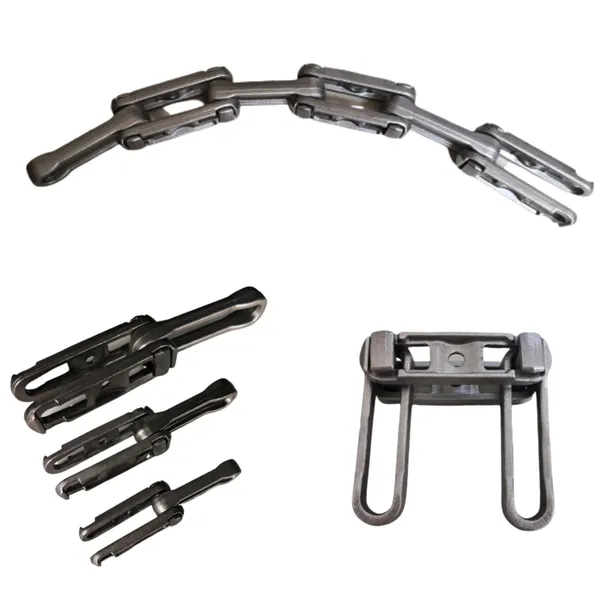
What are the signs of wear and tear in a conveyor chain?
Over time, a conveyor chain may experience wear and tear due to the demanding nature of material handling operations. Several signs indicate the need for maintenance or replacement of a conveyor chain. These signs of wear and tear include:
- Chain Elongation: One of the common signs of wear in a conveyor chain is elongation. As the chain wears, the pitch between the chain links gradually increases, resulting in a longer chain length. Excessive elongation can cause improper engagement with sprockets, leading to slippage or chain derailment.
- Chain Link Plate Wear: The link plates of a conveyor chain can experience wear on their surfaces. This wear is typically caused by friction against sprockets, guide rails, or other components. Signs of plate wear include thinning or deformation of the link plates, which can affect the overall strength and integrity of the chain.
- Sprocket Tooth Wear: The teeth of the sprockets that engage with the conveyor chain can also exhibit signs of wear. Over time, the teeth may become worn down, rounded, or have irregular shapes. This wear can cause improper chain engagement, resulting in reduced efficiency and potential chain slipping or skipping.
- Чрезмерный шум: Increased noise during the operation of the conveyor system can indicate wear and tear in the chain. Excessive wear can lead to metal-to-metal contact, resulting in noisy operation. Unusual squeaking, grinding, or rattling sounds are indicators that the chain may require inspection or maintenance.
- Visible Damage: Any visible damage to the chain, such as cracked or broken link plates, bent pins, or missing attachments, is a clear sign of wear and tear. These damages compromise the chain’s structural integrity and should be addressed promptly to prevent further issues or chain failure.
- Inconsistent Movement: If the conveyor chain starts to exhibit jerky or uneven movement, it may be a sign of wear or misalignment. Misalignment can occur due to worn chain links, damaged sprockets, or improper tensioning. Inconsistent movement can lead to reduced efficiency, increased wear, and potential chain failure.
Regular inspection and maintenance of the conveyor chain system are essential to identify these signs of wear and tear. Timely replacement of worn components and proper lubrication can help prolong the life of the chain and maintain efficient operation.


editor by CX 2023-10-07