
Описание продукта
We offer a full and compete line of high-quality roller chain attachments.
| ISO NO. |
ANSI NO. |
PITCH | PLATE | DIMENSION | |||||
| П | Т | G | ЧАС | f | Ф | d3min | h | ||
| mm | mm | mm | mm | mm | mm | mm | mm | ||
| C208A | C2040 | 25.40 | 1.50 | 19.10 | 9.52 | 25.40 | 37.70 | 3.33 | 9.12 |
| C208AL | C2042 | ||||||||
| C210A | C2050 | 31.75 | 2.00 | 23.80 | 11.91 | 31.75 | 48.00 | 5.08 | 11.13 |
| C210AL | C2052 | ||||||||
| C212A | C2060 | 38.10 | 2.35 | 28.60 | 14.27 | 42.90 | 67.80 | 5.08 | 14.68 |
| C212AL | C2062 | ||||||||
| C216A | C2080 | 50.80 | 3.20 | 38.10 | 19.05 | 55.60 | 87.80 | 6.63 | 19.05 |
| C216AL | C2082 | ||||||||
| C220A | C2100 | 63.50 | 4.00 | 47.60 | 23.83 | 66.60 | 107.50 | 8.20 | 23.42 |
| C220AL | C2102 | ||||||||
| C224A | C2120 | 76.20 | 4.70 | 57.20 | 28.58 | 79.30 | 121.40 | 9.80 | 27.79 |
| C224AL | C2122 | ||||||||
| C232A | C2160 | 101.60 | 6.40 | 76.20 | 38.10 | 104.70 | 151.60 | 13.11 | 36.53 |
| C232AL | C2162 | ||||||||
| Применение: | Transmission Chain, Conveyor Chain, Attachments |
|---|---|
| Материал: | Легированная/углеродистая сталь |
| Обработка поверхности: | Полировка |
| Особенность: | Термостойкий |
| Размер цепочки: | 1"*2 1/2" |
| Структура: | Stamping |
| Образцы: |
US$ 1/Pcs
1 Pcs(Min.Order) | |
|---|
| Настройка: |
Доступный
| Индивидуальный запрос |
|---|
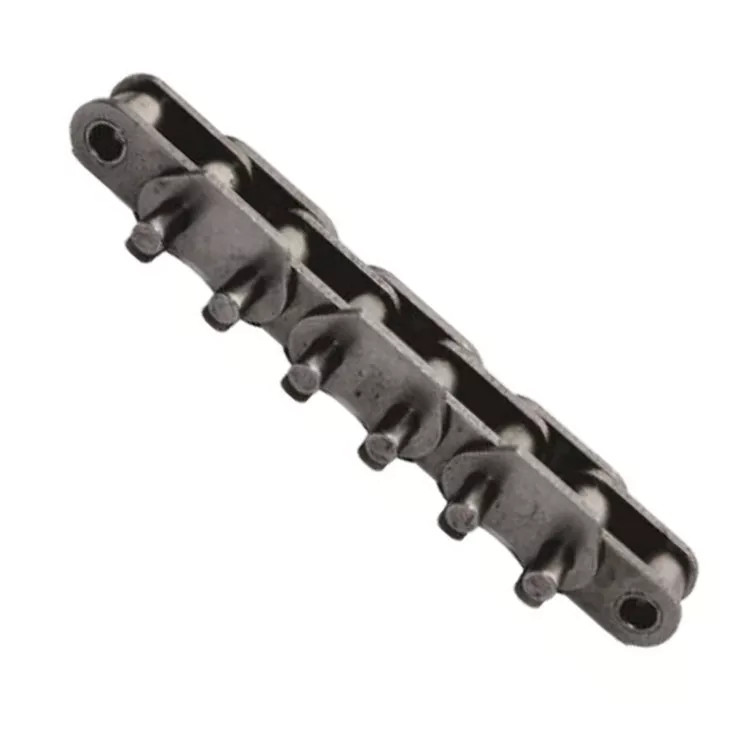
Как конвейерная цепь влияет на энергоэффективность системы?
Конвейерная цепь играет важную роль в повышении энергоэффективности конвейерной системы. Вот как она влияет на энергоэффективность:
1. Сниженное энергопотребление:
– Грамотно спроектированная конвейерная цепь с низким коэффициентом трения позволяет минимизировать энергопотребление. За счет снижения сопротивления трения между цепью и компонентами конвейера требуется меньше энергии для перемещения цепи и транспортировки материалов по конвейерной системе.
2. Эффективная передача электроэнергии:
– Конструкция конвейерной цепи способствует эффективной передаче мощности. Цепи с оптимизированным шагом, диаметром роликов и профилем зубьев звездочки обеспечивают плавную и эффективную передачу мощности, минимизируя потери энергии во время работы.
3. Правильное натяжение цепи:
– Поддержание надлежащего натяжения цепи имеет решающее значение для энергоэффективности. Адекватно натянутая цепь обеспечивает оптимальный контакт между цепью и звездочками, минимизируя проскальзывание и потери мощности. Регулярные проверки и регулировка натяжения цепи помогают максимально повысить энергоэффективность.
4. Выравнивание и отслеживание:
– Правильное выравнивание и отслеживание конвейерной цепи имеют решающее значение для энергоэффективности. Неправильное выравнивание или плохое отслеживание цепей может привести к увеличению трения, что, в свою очередь, увеличивает энергопотребление. Регулярный контроль и регулировка выравнивания цепи обеспечивают плавную и эффективную работу.
5. Регулярное техническое обслуживание:
– Регулярное техническое обслуживание конвейерной цепи, включая смазку, очистку и осмотр, помогает поддерживать оптимальную производительность и энергоэффективность. Адекватная смазка снижает трение и износ, минимизируя потери мощности и продлевая срок службы цепи.
6. Оптимизация проектирования системы:
– Учет энергоэффективности на этапе проектирования конвейерной системы может существенно повлиять на ее общую эффективность. Правильный выбор компонентов конвейерной цепи, таких как материалы с низким коэффициентом трения и эффективные приводные системы, может помочь минимизировать энергопотребление и повысить энергоэффективность системы.
Внедряя эти методы и используя энергоэффективные конвейерные технологии, предприятия могут сократить затраты на электроэнергию, минимизировать воздействие на окружающую среду и повысить общую устойчивость своей деятельности.
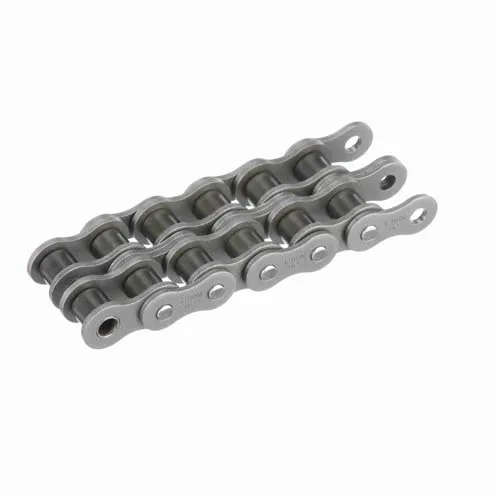
What are the benefits of using a modular conveyor chain system?
A modular conveyor chain system offers several benefits in terms of flexibility, efficiency, and ease of maintenance. Here are some key advantages:
1. Versatility: Modular conveyor chains are designed with interlocking modules that can be easily connected and disconnected. This allows for flexibility in configuring the conveyor system according to specific layout requirements, production needs, or space limitations. Modules can be added, removed, or repositioned to accommodate changing production processes or product variations.
2. Customizability: The modular design of the conveyor chain system enables customization to meet specific application requirements. Different types of modules are available, including straight sections, curves, inclines, declines, merges, and diverters. Accessories such as side guides, cleats, or product hold-downs can be easily integrated into the system.
3. Quick Installation and Modification: Modular conveyor chains are designed for easy installation and modification. With their snap-in or snap-on connections, modules can be rapidly assembled or disassembled, reducing downtime during system setup or reconfiguration. This feature also facilitates maintenance, repairs, or future expansions.
4. Enhanced Efficiency: The modularity of the conveyor chain system allows for efficient material handling and optimized workflow. The smooth transfer between modules minimizes product jams or misalignments, ensuring a continuous and consistent flow of materials. The ability to incorporate curves or inclines in the system enables efficient use of floor space and facilitates the movement of products through different elevations.
5. Easy Maintenance: Modular conveyor chain systems are designed for ease of maintenance. Individual modules can be easily accessed and replaced without disassembling the entire system. This reduces maintenance time and costs. Additionally, the open structure of the modules allows for easy cleaning, debris removal, and inspection.
6. Durability and Reliability: Modular conveyor chains are typically made from high-quality materials such as plastic or stainless steel, ensuring durability and long-lasting performance. They are resistant to wear, corrosion, and chemical damage, making them suitable for various industrial environments. The interlocking design provides stability and prevents chain slippage during operation.
7. Safety Features: Modular conveyor chain systems can incorporate safety features such as emergency stop buttons, safety guarding, or sensors for detecting blockages or excessive loads. These features help maintain a safe working environment for operators and protect the integrity of the products being transported.
Overall, a modular conveyor chain system offers versatility, customizability, efficiency, and ease of maintenance. It is a reliable solution for material handling in industries such as manufacturing, packaging, distribution, and logistics.

What are the cost considerations when purchasing a conveyor chain?
When purchasing a conveyor chain, there are several cost considerations that need to be taken into account to ensure an optimal investment and operational efficiency.
1. Initial Cost: The initial cost of the conveyor chain includes the cost of the chain itself, as well as any additional components such as sprockets, attachments, and connecting links. It is important to compare prices from different suppliers and evaluate the overall value for the money.
2. Maintenance and Repair Costs: Consider the long-term maintenance and repair costs associated with the conveyor chain. Some chains may require more frequent lubrication or replacement of components, which can add to the overall operating expenses.
3. Service Life: The service life of the conveyor chain is an essential factor in determining its cost-effectiveness. Chains with longer service life may have a higher initial cost but can result in lower replacement and downtime costs in the long run.
4. Energy Efficiency: Energy consumption is an ongoing cost to consider. Conveyor chains that offer lower friction and efficient power transmission can contribute to energy savings and reduce operating expenses.
5. Maintenance Ease: Consider the ease of maintenance when selecting a conveyor chain. Chains that are easier to clean, inspect, and maintain can reduce labor costs and increase operational efficiency.
6. Compatibility and Integration: Ensure that the selected conveyor chain is compatible with the existing conveyor system or equipment. Retrofitting or modifying the system to accommodate a specific chain may incur additional costs.
7. Supplier Support and Warranty: Evaluate the level of technical support provided by the supplier and the warranty coverage offered for the conveyor chain. This can impact the overall cost of ownership and provide peace of mind in case of any unforeseen issues.
It is important to consider these factors holistically and make a cost-benefit analysis based on the specific requirements of the application. Choosing a conveyor chain that aligns with the budget, performance needs, and long-term cost considerations will help optimize the investment and ensure efficient material handling operations.


Редактор: CX, 05.09.2023