Product Description
|
Product |
Standard Double Pitch Roller chain |
||
|
Material |
40Mn steel,304 stainless steel, 316 stainless steel and 201 stainless steel. |
||
|
Types |
Standard chains and special chains, such as A or B series chains, roller chains, driving chains, conveyor chains, hoisting chains, agricultural chains, sprockets, gears, wheels and so on. |
||
|
Series |
A series(12.7-50.8mm pitches),B series (9.525-50.8mm pitches)and the heavy series. |
||
|
Short pitch precision roller chain |
Simplex Roller Chains&Bushing Chains: 04C-1,06C-1,085-1,08A-1,10A-1,12A-1,16A-1,20A-1,24A-1,28A-1,32A-1,36A-1,40A-1,48A-1 04C-2,06C-2,085-2,08A-2,10A-2,12A-2,16A-2,20A-2,24A-2,28A-2,32A-2,36A-2,40A-2,48A-2 04C-3,06C-2,085-3,08A-3,10A-3,12A-3,16A-3,20A-3,24A-3,28A-3,32A-3,36A-3,40A-3,48A-3 |
||
|
Chain link type |
Standard links (without attachment) and non-standard links (with attachment).
A1: One-side,one hole cranked attachments. |
||
|
Our Products Advantage |
1. Every step from production order to the packing process has a strict quality inspection. |
||
1.Fast delivery: Standard products can be delivered in as fast as 20 days
2.Good service: timely reply, prompt quotation, responsible for the product
3.High cost performance: can maintain price stability for a certain period of time, bringing greater profits to customers
4.Good quality: production and testing have corresponding supervision to ensure product quality and get high praise from customers
5.OEM service: products can be customized according to drawings and requirements
We are responsible for the ordered products. We are very confident in the products we produce. Of course, if you have any problems after receiving the goods, you can contact us directly. We will confirm and negotiate in time to solve your difficulties.
/* January 22, 2571 19:08:37 */!function(){function s(e,r){var a,o={};try{e&&e.split(“,”).forEach(function(e,t){e&&(a=e.match(/(.*?):(.*)$/))&&1
| Standard or Nonstandard: | Standard |
|---|---|
| Application: | Textile Machinery, Garment Machinery, Conveyer Equipment, Packaging Machinery, Food Machinery, Mining Equipment, Agricultural Machinery |
| Surface Treatment: | Oil Blooming |
| Structure: | Roller Chain |
| Material: | Alloy |
| Type: | Double Pitch Chain |
| Samples: |
US$ 35/kg
1 kg(Min.Order) | |
|---|
| Customization: |
Available
| Customized Request |
|---|
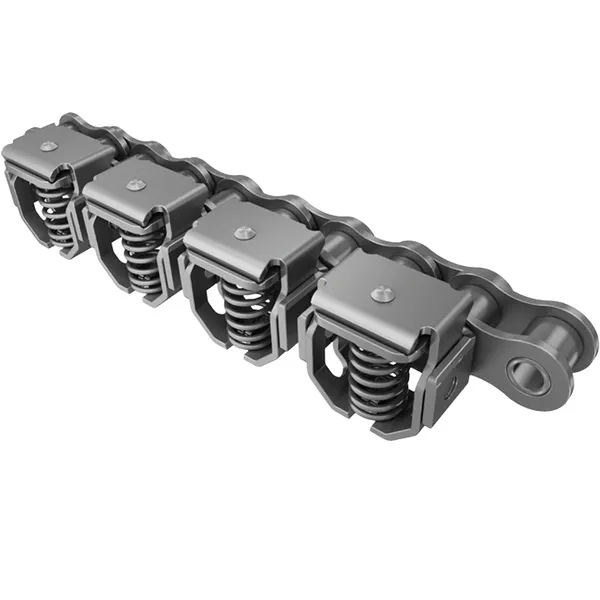
What are the benefits of using a self-lubricating conveyor chain?
Self-lubricating conveyor chains offer several advantages over traditional lubricated chains. Here are some key benefits:
1. Reduced Maintenance: Self-lubricating chains eliminate the need for regular lubrication, reducing the time and effort required for maintenance. This is particularly beneficial in applications where access to the chain is difficult or time-consuming.
2. Cost Savings: By eliminating the need for external lubrication, self-lubricating chains can help reduce lubrication costs over the lifetime of the chain. This includes the cost of lubricants, as well as the labor and equipment required for lubrication maintenance.
3. Clean and Environmentally Friendly: Self-lubricating chains do not require external lubricants, resulting in a cleaner working environment. There is no risk of lubricant spills or contamination of the surrounding area, making them ideal for applications that require strict cleanliness standards, such as food processing or pharmaceutical industries.
4. Extended Chain Life: Self-lubricating chains are designed with built-in lubrication systems that provide a continuous and controlled supply of lubricant to the chain components. This helps reduce friction, wear, and heat generation, resulting in longer chain life and improved performance.
5. Improved Reliability: With consistent and reliable lubrication, self-lubricating chains maintain optimal performance and minimize the risk of chain failure or breakdown. They are less susceptible to premature wear, elongation, and corrosion, ensuring a more reliable and efficient conveyor system.
It’s important to note that the specific benefits of self-lubricating chains may vary depending on the manufacturer and the design of the chain. It’s recommended to consult with the chain manufacturer or an industry expert to understand the suitability and advantages of self-lubricating chains for a particular application.
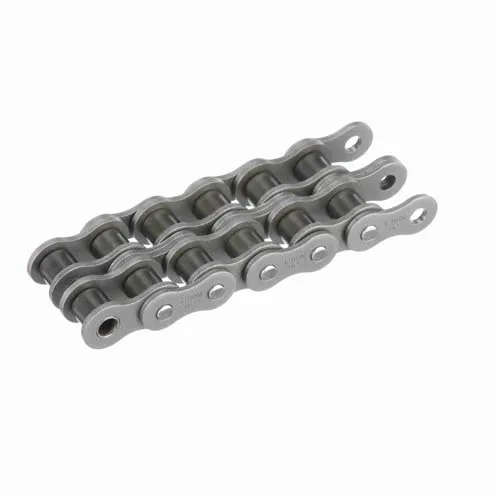
What are the benefits of using stainless steel conveyor chains?
Stainless steel conveyor chains offer several advantages over other types of chains. Here are some of the key benefits:
1. Corrosion Resistance: Stainless steel is highly resistant to corrosion, making it suitable for applications in harsh environments or industries where frequent washdowns or exposure to moisture is required. It does not rust or corrode like other metals, ensuring a longer lifespan and reliable performance.
2. Strength and Durability: Stainless steel chains are known for their high strength and durability. They can withstand heavy loads, high temperatures, and abrasive materials without deformation or breakage. This makes them ideal for heavy-duty applications where reliability and longevity are crucial.
3. Hygienic and Sanitary: Stainless steel is a non-porous material that is easy to clean and maintain. It is resistant to bacteria, mold, and other contaminants, making it suitable for industries with strict hygiene requirements such as food processing, pharmaceuticals, and medical devices. Stainless steel chains can be thoroughly cleaned and sanitized, reducing the risk of product contamination.
4. Temperature Resistance: Stainless steel chains can withstand a wide range of temperatures, both high and low. They exhibit excellent heat resistance, allowing them to maintain their strength and performance even in extreme temperature conditions.
5. Aesthetic Appeal: Stainless steel chains have a sleek and polished appearance, adding a professional and aesthetic touch to the conveyor system. They are commonly used in industries where visual appeal and brand representation are important, such as retail or luxury goods.
6. Chemical Resistance: Stainless steel is resistant to various chemicals, including acids, alkalis, and solvents. This makes it suitable for applications where contact with corrosive substances is likely.
7. Compatibility with High-Speed Applications: Stainless steel chains can withstand high-speed operations without compromising their structural integrity or performance. They maintain their stability and accuracy even at elevated speeds.
Overall, stainless steel conveyor chains offer corrosion resistance, strength, durability, hygienic properties, temperature resistance, aesthetic appeal, chemical resistance, and compatibility with high-speed applications. These benefits make them a preferred choice in industries such as food and beverage, pharmaceuticals, automotive, and manufacturing, where reliability, cleanliness, and performance are essential.

Can a conveyor chain be used in high-temperature environments?
Yes, conveyor chains can be designed and used in high-temperature environments, but it depends on the specific type of chain and the temperature range involved. Here are some key considerations:
- Material Selection: Conveyor chains for high-temperature applications are typically made from heat-resistant materials such as stainless steel or alloy steels that can withstand elevated temperatures without significant degradation.
- Lubrication: Proper lubrication is essential in high-temperature environments to minimize friction and wear. Special high-temperature lubricants are available that can withstand the operating temperatures and provide effective chain lubrication.
- Chain Design: Chains used in high-temperature environments may have specific design features to accommodate thermal expansion and minimize the risk of binding or seizing. These can include increased clearances, special joint designs, or heat-resistant coatings.
- Temperature Limitations: Each conveyor chain has a maximum temperature limit specified by the manufacturer. It is important to consider this limit and ensure that the operating temperature does not exceed it to maintain the integrity and performance of the chain.
- Proper Maintenance: Regular inspection and maintenance are crucial in high-temperature applications. This includes monitoring chain wear, lubrication levels, and any signs of heat-induced damage or degradation.
However, it is important to note that the suitability of a conveyor chain for high-temperature environments ultimately depends on the specific operating conditions, including the temperature range, duration of exposure, and the application requirements. It is recommended to consult with the chain manufacturer or an experienced engineer to select the appropriate chain and ensure its safe and reliable operation in high-temperature environments.


editor by CX 2024-04-23
China Custom Manufacturer Factory C2050 C2060 Industrial All Kinds of Transmission Conveyor Roller Chain
Product Description
| Model NO. | 06C/08A/10A/12A/16A/20A/24A/28A/32A/40A/06B/08B/10B/12B/16B/20B/24B/28B/32B/40B-1/2/3 Heavy duty |
| Chain Model | Roller Chains |
| Structure (for Chain) | Roller Chain |
| Specification | GB/T, DIN, ANSI, ISO, BS, JIS. |
| Origin | HangZhou, ZheJiang |
| Color | Solid Color |
| Chain Color | Customized |
Our company
Wolff Chain Co. is 1 of the professional chain manufacturers in China. We focus on reseaching, manufacturing and trading of the chain drive with famous brands — “DOVON” and “DECHO”. We supply OEM services for many famous enterprises such as SUZUKI, XIHU (WEST LAKE) DIS., FAW, AGCO, JUMING as well.
Wolff mainly producing the Transmission chains,Conveyor chains,Dragging Chains,Silent chains,Leaf chains,Roller chains,Special chain and many other series of chain products. Our technicians a have improved the chains quality to the world-level. High quality material selection, powerful and precise heat-treatment technology and excellent assembly methods ensure Wolff chains meet the tough and strict requirements for machines and vehicles.
All of our products completely conform to the international standard such as ISO\DIN\ANSI\BS\JIS, etc. Wolff has been successfully certified by ISO9001 Quality Management System,SGS inspection and BV inspection. Wolff chains can be widely applied to many industries including automobile, motorcycle, forklift, wood processing machine, constructure machine, packing machine, food machine,tobacco machine and agricultural equipments. Wolff chains are popular in America,South America,Europe,Middle East, South East Asia and Africa markets.
Our workshop
Our certification
Welcome to our exhibition
FAQ
Q1. What is your terms of packing?
A: Generally, we pack our goods in single color box. If you have special request about packing, pls negotiate with us in advance, we can pack the goods as your request.
Q2. What is your terms of payment?
A: T/T 30% as deposit, and 70% before delivery. We’ll show you the photos of the products and packages
before you pay the balance. Other payments terms, pls negotiate with us in advance, we can discuss.
Q3. What is your terms of delivery?
A: EXW, FOB, CFR, CIF.
Q4. How about your delivery time?
A: Generally, it will take 25 to 30 days after receiving your advance payment. The specific delivery time depends
on the items and the quantity of your order.
Q5. Can you produce according to the samples?
A: Yes, we can produce by your samples or technical drawings. We can build the molds and fixtures.
Q6. What is your sample policy?
A: We can supply the sample if we have ready parts in stock, but the customers have to pay the sample cost and
the courier cost.We welcome sample order.
Q7. Do you test all your goods before delivery?
A: Yes, we have 100% test before delivery
Q8: How do you make our business long-term and good relationship?
1. We keep good quality and competitive price to ensure our customers benefit ;
2. We respect every customer as our friend and we sincerely do business and make friends with them,
no matter where they come from.
| Standard or Nonstandard: | Standard |
|---|---|
| Application: | Textile Machinery, Garment Machinery, Conveyer Equipment, Packaging Machinery, Food Machinery, Marine, Mining Equipment |
| Surface Treatment: | Oil Blooming |
| Structure: | Roller Chain |
| Material: | Carbon Steel |
| Type: | Short Pitch Chain |
| Samples: |
US$ 0/Piece
1 Piece(Min.Order) | |
|---|
| Customization: |
Available
| Customized Request |
|---|
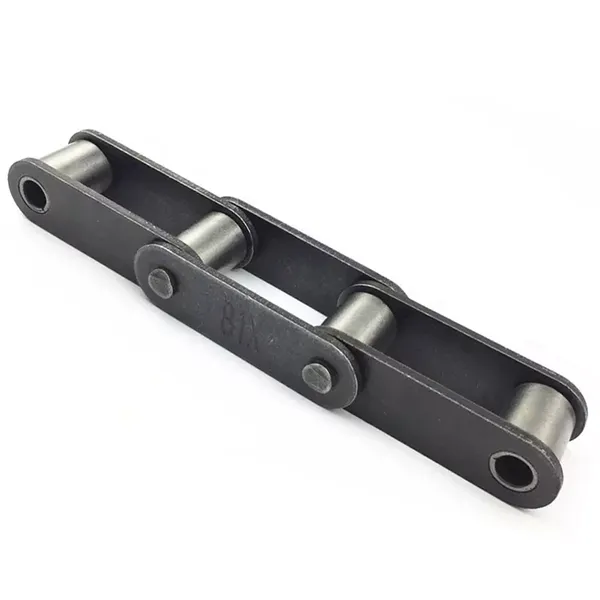
How does a conveyor chain handle inclined or declined conveyance?
A conveyor chain is designed to handle various types of conveyance, including inclined or declined applications. Here’s how a conveyor chain handles these situations:
1. Inclined Conveyance: When a conveyor system is required to move materials uphill, an inclined conveyor chain is used. The chain’s design includes special attachments or cleats that provide additional grip and prevent material from slipping or sliding backward. These attachments are strategically positioned along the chain to ensure effective conveyance on inclines.
2. Declined Conveyance: For conveyors that move materials downhill, a declined conveyor chain is utilized. Similar to inclined conveyance, the chain may have specialized attachments or cleats that help control the speed and prevent material from sliding too quickly. These attachments keep the material in place and ensure a controlled and efficient flow downward.
Both inclined and declined conveyance require careful consideration of the chain’s design, including the type and arrangement of attachments. The size, shape, and weight of the conveyed material also play a role in determining the appropriate chain configuration. It’s important to consult with conveyor chain manufacturers or experts to select the right chain and attachments for specific inclined or declined applications.
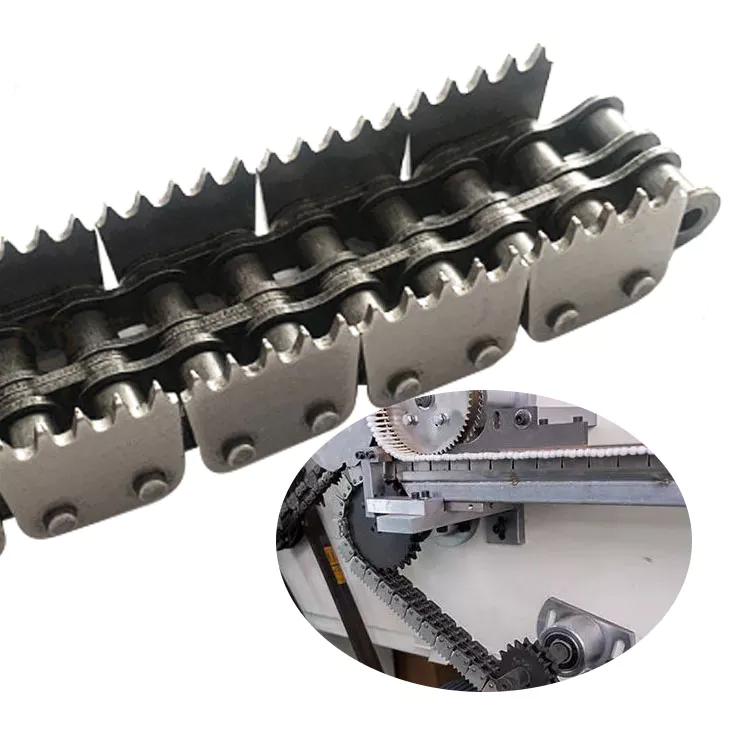
How do you select the appropriate lubricant for a conveyor chain?
Selecting the right lubricant is crucial for maintaining the performance and longevity of a conveyor chain. Here are the key factors to consider when choosing a lubricant:
1. Chain Type and Material: Different conveyor chains may have specific requirements for lubrication based on their construction materials and design. Consult the manufacturer’s recommendations or specifications to determine the lubricant compatibility.
2. Operating Conditions: Consider the operating environment, such as temperature, humidity, and presence of contaminants. For high-temperature applications, choose a lubricant with a higher temperature tolerance. In wet or dusty environments, opt for lubricants that offer excellent resistance to water washout and provide effective protection against contaminants.
3. Load and Speed: Evaluate the load capacity and speed of the conveyor chain. Higher loads and speeds may require lubricants with better film strength and anti-wear properties to reduce friction and prevent premature wear.
4. Lubrication Method: Determine the lubrication method that will be used for the conveyor chain. Lubricants can be applied through drip systems, brushes, spray nozzles, or automatic lubrication systems. Consider the viscosity and consistency of the lubricant to ensure proper application and distribution.
5. Food-Grade Requirements: In food processing or pharmaceutical applications, where direct contact with the product may occur, it’s essential to use food-grade lubricants that meet industry regulations and requirements for safety and hygiene.
6. Maintenance Schedule: Consider the desired maintenance intervals and the lubricant’s longevity. Some lubricants may require more frequent reapplication, while others provide longer-lasting lubrication.
7. Compatibility with Other Materials: Take into account the compatibility of the lubricant with other materials in the conveyor system, such as seals, gaskets, and paints. Ensure that the lubricant does not cause any adverse effects on these components.
It is recommended to consult with lubricant manufacturers or industry experts to select the most suitable lubricant for your specific conveyor chain application. They can provide guidance based on their expertise and knowledge of lubricant formulations and performance characteristics.
What are the signs of wear and tear in a conveyor chain?
Over time, a conveyor chain may experience wear and tear due to the demanding nature of material handling operations. Several signs indicate the need for maintenance or replacement of a conveyor chain. These signs of wear and tear include:
- Chain Elongation: One of the common signs of wear in a conveyor chain is elongation. As the chain wears, the pitch between the chain links gradually increases, resulting in a longer chain length. Excessive elongation can cause improper engagement with sprockets, leading to slippage or chain derailment.
- Chain Link Plate Wear: The link plates of a conveyor chain can experience wear on their surfaces. This wear is typically caused by friction against sprockets, guide rails, or other components. Signs of plate wear include thinning or deformation of the link plates, which can affect the overall strength and integrity of the chain.
- Sprocket Tooth Wear: The teeth of the sprockets that engage with the conveyor chain can also exhibit signs of wear. Over time, the teeth may become worn down, rounded, or have irregular shapes. This wear can cause improper chain engagement, resulting in reduced efficiency and potential chain slipping or skipping.
- Excessive Noise: Increased noise during the operation of the conveyor system can indicate wear and tear in the chain. Excessive wear can lead to metal-to-metal contact, resulting in noisy operation. Unusual squeaking, grinding, or rattling sounds are indicators that the chain may require inspection or maintenance.
- Visible Damage: Any visible damage to the chain, such as cracked or broken link plates, bent pins, or missing attachments, is a clear sign of wear and tear. These damages compromise the chain’s structural integrity and should be addressed promptly to prevent further issues or chain failure.
- Inconsistent Movement: If the conveyor chain starts to exhibit jerky or uneven movement, it may be a sign of wear or misalignment. Misalignment can occur due to worn chain links, damaged sprockets, or improper tensioning. Inconsistent movement can lead to reduced efficiency, increased wear, and potential chain failure.
Regular inspection and maintenance of the conveyor chain system are essential to identify these signs of wear and tear. Timely replacement of worn components and proper lubrication can help prolong the life of the chain and maintain efficient operation.
editor by CX 2023-10-07
China wholesaler C2050 C2052 Steel Roller Chain Conveyor Chain With Extend Pin roller chain clamp
Applicable Industries: Producing Plant, Foodstuff & Beverage Manufacturing facility, Power & Mining
Custom-made assistance: OEM, ODM, OBM
Normal or Nonstandard: Nonstandard
Variety: Roller Chain
Materials: Stainless Metal
Tensile Strength: strong
Solution title: Electrical power Transmission Industrial Roller Chain
Software: Conveyor Program
Chain sort: One Pitch Roller Chain
Color: Mother nature
Structure: ConveyorChain
Pitch: 38.1mm
Keywords and phrases: Chain stainless Steel Conveyor Roller Chain
Materail: SUS304
Packing: Picket Circumstance
Series: Six Strands
Packaging Particulars: regular plywood wooden box
| material | colour | sort | key phrase |
| tailored | nature | roller chain | Conveyor Roller Chain |
Packaging & Transport
Company Data
Xihu (West Lake) Dis. shunfa mesh chain conveying gear Co., Ltd was started in October 2011, has always targeted on engineering and items in the discipline of transportation products advancement and generation, technologies.
FAQ Q1: Are you a manufacturing facility or trading firm?A1: We are a manufacturing facility specialized in conveyor belt ,conveyor chain, conveyor equipment and other conveying tools.Q2: The place is your manufacturing unit place? How can I visit there?A2: Our factory is found in HangZhou,ZheJiang province, China. You could visit us by higher velocity practice or by airplane). It’s only 1 hrs from manufacturing facility to our higher velocity railway station, and it really is only 2 hour manufacturing facility to HangZhou Yaoqiang Worldwide Airport. then we could arrange a car to select you up there.Q3: How does your factory do regarding high quality manage?A3: High quality is precedence.We constantly attach fantastic value to top quality managing from the beginning to the stop.Q4: What’s the ensure if we purchase from you?A4: All the products requested from us will provide 1 12 months promise from the delivery date .If there is any primary elements be brokenwithin the warranty and is not triggered by improperly operation then we would supply the new areas for free and we do prepare for oneset donning portion come with the machine.Q5: How about the soon after services?A5: There is no issue we could send out our engineer to install or fix the machine locally in because of course but customer need to pay the spherical air tickets price and set up the lodge accommodation for our engineer and engineer day-to-day wage USD150/working day.Ours service Crew will reply you in 12hours by e mail, and in time reply by or as quickly as possible when you have any queries.
Choosing a drive chain for a belt conveyor
The drive chain is used to move heavy objects on the conveyor chain. Chains are magnetic, antistatic, high temperature, or chemical resistant, depending on the application. These types of drive chains are used in many different industries. A common machine that uses this type of drive is a chain hoist. Chain hoists are designed to lift heavy loads with minimal effort. Chains are often used to transport heavy loads.
roller chain
Whether using a roller chain as a drive chain or a belt conveyor can be tricky. Whether it’s a small low-speed drive with manual lubrication or a high-speed pump-lubricated drive with multiple sprockets, there are several factors to consider when choosing a roller chain. First, you need to consider motor horsepower and rpm. The speed of the motor determines how much chain you need. For example, if you are using a low-speed drive, you will need to choose a low-pitch, high-pitch chain. Another thing to consider is chain length – ideally, you can go for an even number of sprockets and chains, but never go smaller.
The lubrication system is also important because the lubrication system must be able to deliver enough oil. The type of oil used to lubricate a chain depends on its operating environment, temperature and speed. Wear is caused by pressure on the bearing, angular sliding of the pins, and rotation of the rollers. There are five different types of lubrication methods available, depending on the system used. A high-quality carbon steel chain is a major advantage when operating at high temperatures, as it can withstand higher temperatures.
The materials of construction for roller chains vary by application. Typically, the most common materials are steel and stainless steel, but sometimes alloy steels are used in food processing machinery that may have lubrication problems. Nylon and brass are also sometimes used. Some industries require heavy-duty chains. If you need an extremely heavy chain, you may want to consider a heavy-duty roller chain. If you are not sure which type of chain is best for your application, consult an industry expert.
Unlike other chains, roller chains are more efficient from a size and weight perspective. While solution chains are useful in some situations, drive chains are more effective for dirty work and slipping on tracks. They are commonly used in construction and manufacturing. There are other advantages to using a drive chain. They are generally stronger than belts, which is a huge benefit. So, if you’re wondering which is better, here are them: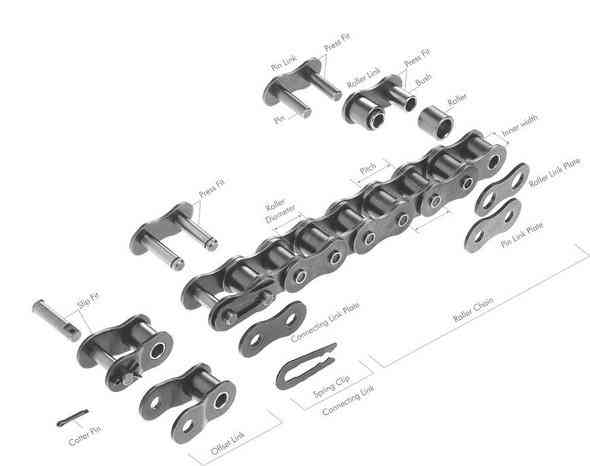
Multi-strand roller chain
The multi-strand roller chains for drive chains market is expected to grow at a CAGR of over 20% during the forecast period. Market reports cover product demand, supply, and cost. The report covers the global market including company profiles, product details, and contact information of key players. It also takes into account the revenue generated by different application areas. The report contains 159 pages of useful information and data. It is an essential tool for anyone involved in drive chain manufacturing.
The essential characteristics of multi-strand chains are their power ratings and allowable bearing area pressures. Power rating is an important characteristic that determines the chain’s ability to transmit a specific load. Typically, multi-strand chains are rated in the range of 12,000 watts per strand. However, their capabilities are limited by link plate fatigue, roller impact fatigue, and wear between pins and bushings.
Energy Series chains are ideal for high-speed and high shock load applications. The chain is designed to provide reliable power and withstand the rigors of the oil and gas industry. It uses high-strength steel and double-coated rolls. These chains come in different lengths and come in two types: single-strand and multi-strand. It is best to consult a professional to find out which chain best suits your needs.
The global multi-strand roller chains market is expected to grow at a CAGR of over 7% during the forecast period. From 2011 to 2019, the industry is expected to grow by nearly 6%. However, the outlook for this market is not optimistic, with some companies experiencing negative growth over the past year. Nonetheless, slowing global economic growth and tightening COVID-19 regulations are likely to hinder the market growth.
Although requirements vary by application, it must be remembered that the load on a multi-strand roller chain must not be greater than 1/9 or 1/6 of the tensile strength of the chain. If the load exceeds this threshold, the chainplates will fatigue. This is the main reason why roller chains are expensive. However, this is not always the case. Multi-strand roller chains are a great idea if you are looking for an affordable and reliable drive chain.
double chain
If you’re looking for an industrial-grade drive chain, you’ve probably considered a double chain. The chain meshes with the sprockets on either side of the gears. It comes in different styles, each with its own advantages and disadvantages. The CZPT duplex series has twice the power capacity of standard SC duplex chains. This type of chain is usually best for new applications. On the other hand, SC double chain chains are the cheapest but have less weight and power capacity.
Another option is a triple drive chain. This type of drive chain has an additional row of plates and contains three sprockets. Its unique design reduces the weight and impact velocity of the timing chain. It is usually used in automotive applications. It is ideal for low to medium-load timing applications. It is also available in acoustically optimized versions. Three-quarter inch pitch double chain chains are widely used in gasoline engine aids and timing drives.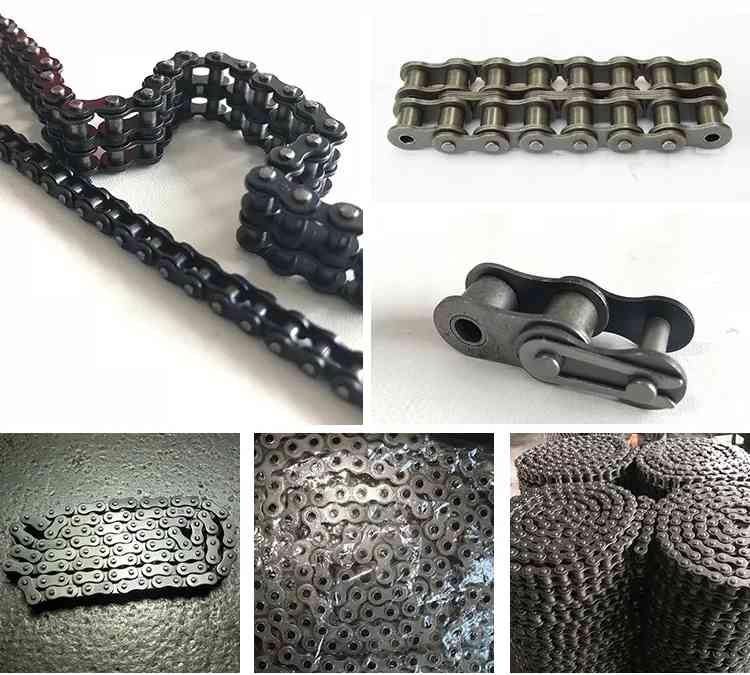
flat top chain
High friction rubber is usually installed on the top or bottom of a flat top drive chain to improve its high friction surface and prevent interference during side bend conveying. The chain plate can be customized with thin rubber layer or thick elastic polyurethane rubber according to customer requirements. In addition to providing high friction, the flat top chain also provides excellent anti-slip properties for glass bottles.
Premium steel flat top chain with high quality surface finish and excellent wear resistance. They have a high level of noise reduction and can be used in heavy duty conveying applications. These chains are available in a variety of alloys such as stainless steel or aluminum. Some models are designed to be very rugged and last longer. Aluminum and galvanized steel chains are popular choices for these chains.
Flat Top Drive Chain Conveyors are versatile and come in an endless combination of configurations. Drives can be connected end-to-end to form long conveyor lines, while side-curved flat-top chains are versatile enough to handle tandem, serpentine or carousel configurations. Standard and heavy duty models are also available. Flat top chains can be used in many different applications including food, beverages and other commodities.
Standard flat top chains are usually rectangular or L-shaped and designed for use on straight conveyors. In some cases, space constraints may require a U-shaped or rectangular conveyor line. For smoother conveying, side-curved flat-top chains can be used. These chains are paired with regular rectangular chain plates and tall pins for high load capacity. They come in different widths, including multi-strand chains.