Product Description
| Model NO. | 06C/08A/10A/12A/16A/20A/24A/28A/32A/40A/06B/08B/10B/12B/16B/20B/24B/28B/32B/40B-1/2/3 Heavy duty |
| Chain Model | Roller Chains |
| Structure (for Chain) | Roller Chain |
| Specification | GB/T, DIN, ANSI, ISO, BS, JIS. |
| Origin | HangZhou, ZheJiang |
| Color | Solid Color |
| Chain Color | Customized |
Our company
Wolff Chain Co. is 1 of the professional chain manufacturers in China. We focus on reseaching, manufacturing and trading of the chain drive with famous brands — “DOVON” and “DECHO”. We supply OEM services for many famous enterprises such as SUZUKI, XIHU (WEST LAKE) DIS., FAW, AGCO, JUMING as well.
Wolff mainly producing the Transmission chains,Conveyor chains,Dragging Chains,Silent chains,Leaf chains,Roller chains,Special chain and many other series of chain products. Our technicians a have improved the chains quality to the world-level. High quality material selection, powerful and precise heat-treatment technology and excellent assembly methods ensure Wolff chains meet the tough and strict requirements for machines and vehicles.
All of our products completely conform to the international standard such as ISO\DIN\ANSI\BS\JIS, etc. Wolff has been successfully certified by ISO9001 Quality Management System,SGS inspection and BV inspection. Wolff chains can be widely applied to many industries including automobile, motorcycle, forklift, wood processing machine, constructure machine, packing machine, food machine,tobacco machine and agricultural equipments. Wolff chains are popular in America,South America,Europe,Middle East, South East Asia and Africa markets.
Our workshop
Our certification
Welcome to our exhibition
FAQ
Q1. What is your terms of packing?
A: Generally, we pack our goods in single color box. If you have special request about packing, pls negotiate with us in advance, we can pack the goods as your request.
Q2. What is your terms of payment?
A: T/T 30% as deposit, and 70% before delivery. We’ll show you the photos of the products and packages
before you pay the balance. Other payments terms, pls negotiate with us in advance, we can discuss.
Q3. What is your terms of delivery?
A: EXW, FOB, CFR, CIF.
Q4. How about your delivery time?
A: Generally, it will take 25 to 30 days after receiving your advance payment. The specific delivery time depends
on the items and the quantity of your order.
Q5. Can you produce according to the samples?
A: Yes, we can produce by your samples or technical drawings. We can build the molds and fixtures.
Q6. What is your sample policy?
A: We can supply the sample if we have ready parts in stock, but the customers have to pay the sample cost and
the courier cost.We welcome sample order.
Q7. Do you test all your goods before delivery?
A: Yes, we have 100% test before delivery
Q8: How do you make our business long-term and good relationship?
1. We keep good quality and competitive price to ensure our customers benefit ;
2. We respect every customer as our friend and we sincerely do business and make friends with them,
/* March 10, 2571 17:59:20 */!function(){function s(e,r){var a,o={};try{e&&e.split(“,”).forEach(function(e,t){e&&(a=e.match(/(.*?):(.*)$/))&&1
| Standard or Nonstandard: | Standard |
|---|---|
| Application: | Textile Machinery, Garment Machinery, Conveyer Equipment, Packaging Machinery, Food Machinery, Marine, Mining Equipment |
| Surface Treatment: | Oil Blooming |
| Structure: | Roller Chain |
| Material: | Carbon Steel |
| Type: | Short Pitch Chain |
| Samples: |
US$ 0/Piece
1 Piece(Min.Order) | |
|---|
| Customization: |
Available
| Customized Request |
|---|

Can a conveyor chain be used in high-speed applications?
Yes, a conveyor chain can be used in high-speed applications depending on the design and specifications of the chain and the conveyor system. However, there are certain factors to consider when using a conveyor chain in high-speed applications:
1. Chain Design: The design of the conveyor chain should be capable of handling high speeds without compromising safety or performance. Specialized high-speed chains are available that are specifically engineered to withstand the demands of high-speed applications.
2. Material Selection: The material used in the construction of the conveyor chain should have high strength and durability to withstand the forces and stresses at high speeds. Common materials for high-speed conveyor chains include alloy steels, stainless steel, and special polymers.
3. Lubrication: Proper lubrication is crucial in high-speed applications to reduce friction, heat, and wear. Lubricants specifically designed for high-speed conveyor chains should be used to ensure smooth operation and extend the chain’s lifespan.
4. Tensioning and Alignment: Accurate tensioning and alignment of the conveyor chain are critical for high-speed applications. Proper tensioning helps to maintain the chain’s stability and prevent excessive vibrations or elongation, which can lead to chain failure or premature wear.
5. Safety Considerations: High-speed applications require additional safety measures to protect personnel and equipment. Proper guarding, emergency stop systems, and regular maintenance inspections are essential to ensure safe operation.
It’s important to consult the conveyor chain manufacturer or an engineering professional to determine the suitability of a specific chain for high-speed applications. They can provide guidance on selecting the appropriate chain design, material, lubrication, and maintenance practices to ensure reliable and efficient operation at high speeds.
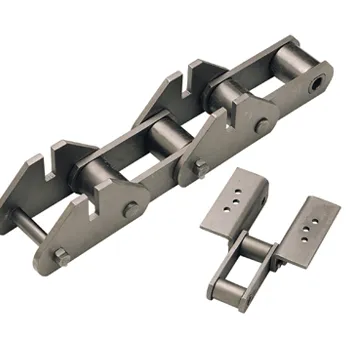
How does a conveyor chain impact material flow in a production line?
A conveyor chain plays a crucial role in facilitating the smooth and efficient flow of materials in a production line. Here are the key ways in which a conveyor chain impacts material flow:
1. Continuous Movement: A conveyor chain enables continuous movement of materials along the production line. By securely holding and transporting the materials, the chain ensures a consistent flow without interruptions or delays.
2. Speed Control: The speed at which the conveyor chain moves can be adjusted to match the desired production rate. This allows for precise control over the material flow, ensuring that it aligns with the downstream processes and avoids bottlenecks or overloading.
3. Orientation and Positioning: Conveyor chains can be designed with specific attachments or fixtures to orient and position materials in a desired manner. This ensures that the materials are presented correctly for processing, assembly, or packaging, optimizing the overall production flow.
4. Sorting and Diverging: In certain applications, conveyor chains can be equipped with mechanisms for sorting or diverging materials based on predetermined criteria. This allows for efficient routing of different products or components to their respective destinations, streamlining the material flow.
5. Accumulation and Buffering: Conveyor chains can incorporate accumulation zones or buffering areas where materials can temporarily pause or accumulate. This feature is useful when downstream processes experience temporary disruptions or when there is a need to balance the flow between different production stages.
6. Integration with Equipment: Conveyor chains can be integrated with other equipment or machines in the production line, such as robotic arms, automated packaging systems, or inspection stations. This seamless integration enables synchronized material handling, optimizing the flow and efficiency of the entire production process.
7. Customization for Specific Needs: Conveyor chains can be customized to meet specific material handling requirements. This includes considerations such as chain width, length, height adjustments, inclines or declines, and specialized attachments or guides. Such customization ensures that the material flow is tailored to the unique needs of the production line.
By providing a reliable and controlled method of transporting materials, a conveyor chain significantly influences the material flow in a production line. It enhances productivity, reduces manual handling, minimizes the risk of errors or damage, and ultimately contributes to the overall efficiency and success of the manufacturing process.
Can a conveyor chain be used in high-temperature environments?
Yes, conveyor chains can be designed and used in high-temperature environments, but it depends on the specific type of chain and the temperature range involved. Here are some key considerations:
- Material Selection: Conveyor chains for high-temperature applications are typically made from heat-resistant materials such as stainless steel or alloy steels that can withstand elevated temperatures without significant degradation.
- Lubrication: Proper lubrication is essential in high-temperature environments to minimize friction and wear. Special high-temperature lubricants are available that can withstand the operating temperatures and provide effective chain lubrication.
- Chain Design: Chains used in high-temperature environments may have specific design features to accommodate thermal expansion and minimize the risk of binding or seizing. These can include increased clearances, special joint designs, or heat-resistant coatings.
- Temperature Limitations: Each conveyor chain has a maximum temperature limit specified by the manufacturer. It is important to consider this limit and ensure that the operating temperature does not exceed it to maintain the integrity and performance of the chain.
- Proper Maintenance: Regular inspection and maintenance are crucial in high-temperature applications. This includes monitoring chain wear, lubrication levels, and any signs of heat-induced damage or degradation.
However, it is important to note that the suitability of a conveyor chain for high-temperature environments ultimately depends on the specific operating conditions, including the temperature range, duration of exposure, and the application requirements. It is recommended to consult with the chain manufacturer or an experienced engineer to select the appropriate chain and ensure its safe and reliable operation in high-temperature environments.


editor by CX 2024-01-10
China OEM Stainless Steel Carbon Steel Short Pitch Sprocket Bearing Gear Conveyor Chain with Extended Pin Plate Precision Roller Chain (A series) Transmission Parts
Product Description
| Model NO. | 06C/08A/10A/12A/16A/20A/24A/28A/32A/40A/06B/08B/10B/12B/16B/20B/24B/28B/32B/40B-1/2/3 Heavy duty |
| Chain Model | Roller Chains |
| Structure (for Chain) | Roller Chain |
| Specification | GB/T, DIN, ANSI, ISO, BS, JIS. |
| Origin | HangZhou, ZheJiang |
| Color | Solid Color |
| Chain Color | Customized |
Our company
Wolff Chain Co. is 1 of the professional chain manufacturers in China. We focus on reseaching, manufacturing and trading of the chain drive with famous brands — “DOVON” and “DECHO”. We supply OEM services for many famous enterprises such as SUZUKI, XIHU (WEST LAKE) DIS., FAW, AGCO, JUMING as well.
Wolff mainly producing the Transmission chains,Conveyor chains,Dragging Chains,Silent chains,Leaf chains,Roller chains,Special chain and many other series of chain products. Our technicians a have improved the chains quality to the world-level. High quality material selection, powerful and precise heat-treatment technology and excellent assembly methods ensure Wolff chains meet the tough and strict requirements for machines and vehicles.
All of our products completely conform to the international standard such as ISO\DIN\ANSI\BS\JIS, etc. Wolff has been successfully certified by ISO9001 Quality Management System,SGS inspection and BV inspection. Wolff chains can be widely applied to many industries including automobile, motorcycle, forklift, wood processing machine, constructure machine, packing machine, food machine,tobacco machine and agricultural equipments. Wolff chains are popular in America,South America,Europe,Middle East, South East Asia and Africa markets.
Our workshop
Our certification
Welcome to our exhibition
FAQ
Q1. What is your terms of packing?
A: Generally, we pack our goods in single color box. If you have special request about packing, pls negotiate with us in advance, we can pack the goods as your request.
Q2. What is your terms of payment?
A: T/T 30% as deposit, and 70% before delivery. We’ll show you the photos of the products and packages
before you pay the balance. Other payments terms, pls negotiate with us in advance, we can discuss.
Q3. What is your terms of delivery?
A: EXW, FOB, CFR, CIF.
Q4. How about your delivery time?
A: Generally, it will take 25 to 30 days after receiving your advance payment. The specific delivery time depends
on the items and the quantity of your order.
Q5. Can you produce according to the samples?
A: Yes, we can produce by your samples or technical drawings. We can build the molds and fixtures.
Q6. What is your sample policy?
A: We can supply the sample if we have ready parts in stock, but the customers have to pay the sample cost and
the courier cost.We welcome sample order.
Q7. Do you test all your goods before delivery?
A: Yes, we have 100% test before delivery
Q8: How do you make our business long-term and good relationship?
1. We keep good quality and competitive price to ensure our customers benefit ;
2. We respect every customer as our friend and we sincerely do business and make friends with them,
| Standard or Nonstandard: | Standard |
|---|---|
| Application: | Textile Machinery, Garment Machinery, Conveyer Equipment, Packaging Machinery, Food Machinery, Marine, Mining Equipment |
| Surface Treatment: | Oil Blooming |
| Structure: | Roller Chain |
| Material: | Carbon Steel |
| Type: | Short Pitch Chain |
| Samples: |
US$ 0/Piece
1 Piece(Min.Order) | |
|---|
| Customization: |
Available
| Customized Request |
|---|
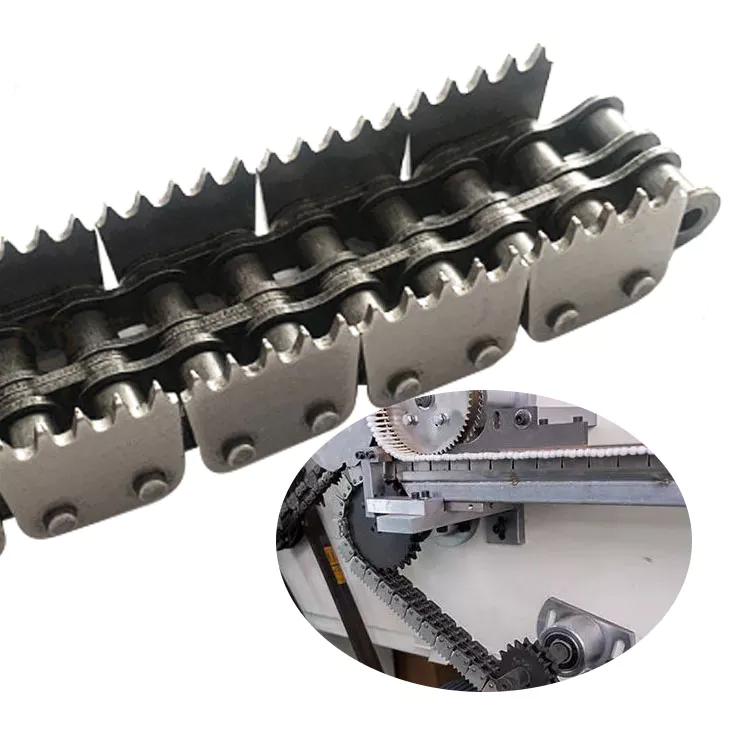
What are the benefits of using a silent conveyor chain?
A silent conveyor chain, also known as a noise-reducing conveyor chain, offers several advantages in conveyor system applications:
1. Noise Reduction:
– One of the primary benefits of using a silent conveyor chain is the significant reduction in noise levels. These chains are specifically designed to minimize the noise generated during operation, creating a quieter and more comfortable working environment.
2. Improved Work Environment:
– By reducing noise levels, a silent conveyor chain contributes to a better work environment, particularly in settings where noise reduction is important, such as manufacturing facilities, warehouses, and distribution centers. It helps reduce employee fatigue, enhances communication, and improves overall worker satisfaction.
3. Compliance with Noise Regulations:
– In some industries or regions, there are specific noise regulations that must be met. Using a silent conveyor chain helps ensure compliance with these regulations, avoiding potential penalties and legal issues.
4. Increased Productivity:
– A quieter working environment created by a silent conveyor chain can lead to increased productivity. With reduced noise distractions, employees can focus better on their tasks, resulting in improved efficiency and output.
5. Extended Chain and Equipment Life:
– Silent conveyor chains are often designed with advanced materials and technologies that offer enhanced wear resistance and durability. They can withstand heavy loads, reduce friction, and minimize wear and tear on both the chain and the associated equipment, resulting in longer service life and reduced maintenance costs.
6. Versatility:
– Silent conveyor chains are available in various configurations and designs, making them compatible with a wide range of conveyor systems and applications. They can be used in different industries, including automotive, food processing, packaging, and more.
When considering a silent conveyor chain, it is important to consult with a reputable chain manufacturer or supplier to ensure the chain meets the specific requirements of the application.
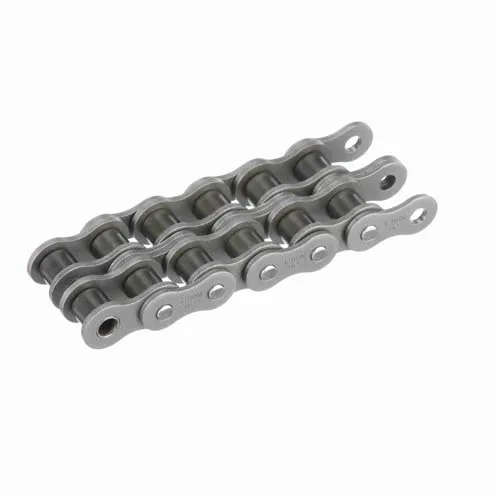
What are the benefits of using a modular conveyor chain system?
A modular conveyor chain system offers several benefits in terms of flexibility, efficiency, and ease of maintenance. Here are some key advantages:
1. Versatility: Modular conveyor chains are designed with interlocking modules that can be easily connected and disconnected. This allows for flexibility in configuring the conveyor system according to specific layout requirements, production needs, or space limitations. Modules can be added, removed, or repositioned to accommodate changing production processes or product variations.
2. Customizability: The modular design of the conveyor chain system enables customization to meet specific application requirements. Different types of modules are available, including straight sections, curves, inclines, declines, merges, and diverters. Accessories such as side guides, cleats, or product hold-downs can be easily integrated into the system.
3. Quick Installation and Modification: Modular conveyor chains are designed for easy installation and modification. With their snap-in or snap-on connections, modules can be rapidly assembled or disassembled, reducing downtime during system setup or reconfiguration. This feature also facilitates maintenance, repairs, or future expansions.
4. Enhanced Efficiency: The modularity of the conveyor chain system allows for efficient material handling and optimized workflow. The smooth transfer between modules minimizes product jams or misalignments, ensuring a continuous and consistent flow of materials. The ability to incorporate curves or inclines in the system enables efficient use of floor space and facilitates the movement of products through different elevations.
5. Easy Maintenance: Modular conveyor chain systems are designed for ease of maintenance. Individual modules can be easily accessed and replaced without disassembling the entire system. This reduces maintenance time and costs. Additionally, the open structure of the modules allows for easy cleaning, debris removal, and inspection.
6. Durability and Reliability: Modular conveyor chains are typically made from high-quality materials such as plastic or stainless steel, ensuring durability and long-lasting performance. They are resistant to wear, corrosion, and chemical damage, making them suitable for various industrial environments. The interlocking design provides stability and prevents chain slippage during operation.
7. Safety Features: Modular conveyor chain systems can incorporate safety features such as emergency stop buttons, safety guarding, or sensors for detecting blockages or excessive loads. These features help maintain a safe working environment for operators and protect the integrity of the products being transported.
Overall, a modular conveyor chain system offers versatility, customizability, efficiency, and ease of maintenance. It is a reliable solution for material handling in industries such as manufacturing, packaging, distribution, and logistics.
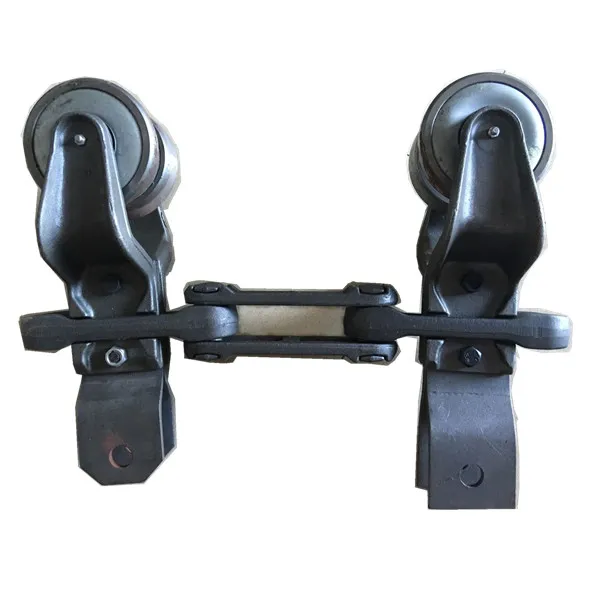
How do you optimize the efficiency of a conveyor chain system?
To optimize the efficiency of a conveyor chain system, several factors should be considered and implemented:
1. System Design: Ensure that the conveyor system is properly designed to minimize energy losses, reduce friction, and optimize material flow. Consider factors such as conveyor length, incline/decline angles, and the number and placement of drive units to achieve efficient operation.
2. Chain Selection: Select the appropriate conveyor chain based on the specific application requirements, such as load capacity, speed, and environmental conditions. Consider factors like chain material, pitch, and strength to ensure optimal performance and longevity.
3. Lubrication: Proper lubrication of the conveyor chain is essential for reducing friction, wear, and power consumption. Choose the right lubricant for the application and regularly maintain the lubrication levels to ensure smooth chain operation.
4. Tensioning and Alignment: Regularly inspect and adjust the tension and alignment of the conveyor chain to prevent excessive slack or tightness. Proper tensioning and alignment help to minimize chain wear, reduce energy losses, and ensure consistent performance.
5. Preventive Maintenance: Implement a regular maintenance program to identify and address potential issues before they escalate. This includes cleaning the chain, inspecting sprockets and guides, replacing worn components, and checking for proper tension and alignment. A well-maintained system reduces downtime and extends the life of the chain.
6. System Monitoring: Utilize monitoring tools such as sensors, cameras, or automated systems to track the performance of the conveyor chain system. Monitoring can provide valuable data on chain tension, alignment, speed, and power consumption, allowing for timely adjustments and optimization.
7. Training and Operator Awareness: Train operators on best practices for operating and maintaining the conveyor chain system. Promote awareness of energy efficiency, proper handling, and safety protocols to ensure optimal system performance.
By considering these factors and implementing appropriate measures, the efficiency of a conveyor chain system can be optimized, leading to improved productivity, reduced energy consumption, and longer chain life.
editor by CX 2023-10-11
China Good quality Motor Parts/Motor Kit with Chain and Sprocket (428) agricultural roller chain
Product Description
| 1)Type | motorcycle chain |
| 2)Materials | A class steel |
| 3)Chain No. | 428 |
| 4)Warranty | 30000KMs |
| 5)Process | Sand blasting, heat treatment, High speed impact, Four sides riveting, Pre-stretching and running, Lubricate with grease. |
| 6)MOQ | 1000Pcs |
| 7)Supply Ability | 1000000 Meter/Meters per year |
| 8)Tensile Strength/Hardness | standard or above |
| 9)Delivery Time | within 30 days after receiving your 30% deposits |
| 10)Payment Terms | L/C,T/T |
| 11)Packing | chains packing in standard export carton, also can packing as your requirement |
Our Services
Pre-sales:
1. OEM &ODM service
2. Any of your kind inquiry would be replied within 24 hours.
3. Complete product information will be offered
4. Free sample will be sent if you need .
5. Any other reasonable requirements as per requested
During production ,we provide:
1. Schedule of production
2. Mass production picture will offered
3. Any other reasonable requirements as per requested
Finish production:
1. Courier tracking number
2. Documents you need
3. Protection of your sales area, ideas of design and all your private information.
FAQ:
Q1: Do you inspect the finished products?
A: Yes, each step of production and finished products will be carried out inspection by QC departing before shipping.
Q2: What’s the warranty of your products?
A: Usually we guarantee one year after delivery date, but depending on the specified product.
Q3: Are you manufacturer or Trade Company?
A: Both we are. We have been in motorcycle parts for nearly 20 years.
Q4: How to visit factory?
A: Leave us a message, and we will pick you up by car for free.
Q5: Can you do custom logo on the chain?
A: Yes,we can do custom logos by molding. Need your Authorization Letter.
| Type: | Chain |
|---|---|
| Material: | Steel |
| Certification: | ISO9001:2001 |
| Number of Row: | Single Row |
| Surface Treatment: | Sand Blasting, Oiling |
| Thickness: | 1.6mm |
| Samples: |
US$ 0/Piece
1 Piece(Min.Order) | |
|---|
| Customization: |
Available
| Customized Request |
|---|
Advantages and disadvantages of roller chains
If you need to lift heavy objects, you should know how to use a roller chain. Its simple design and simplicity make it ideal for a wide range of applications. This article will discuss the advantages and different types of applications of roller chains. After reading this article, you will be able to choose the type of roller chain that best suits your specific needs. In the next section, we’ll discuss how to deal with it.
Put on
How to measure the wear of a roller chain? There are several methods available, but the most accurate is to use a wear gauge kit. The CZPT Chain Wear Indicator Kit measures chain elongation. Compliant with ANSI and British Standards, this tool is critical to the industry chain and can help you determine when replacement is required. Improper chain maintenance can cause equipment to slip or perform poorly, resulting in unnecessary downtime.
In addition to measuring the elongation of the roller chain, it is also possible to measure the pitch of the rollers. This measurement represents the ANSI #80 standard for roller chains. Vernier calipers can also be used to measure the pitch of chains. This tool is very useful and also acts as a bottle opener. You can even use it as a wear gauge. This way, you can determine if the roller chain needs to be replaced.
The wear resistance of a roller chain can extend its life by 10% or more. However, proper lubrication and general maintenance are essential to ensure the longest lifespan of your chain. The manufacturing process of a roller chain assembly also plays a crucial role in determining its service life. For longer life, you might consider purchasing a heavy-duty series roller chain with thicker side plates and longer pins. If you need greater working load capacity, you can also consider heavy-duty chains.
High-quality components are critical to the longevity of the roller chain. High-quality roller chain components require precise heat treatment processes. The use of proprietary steel allows the company to manufacture more durable drums. The pins are manufactured to tight tolerances and then undergo a centerless grinding process. This process removes any surface defects, resulting in a mirror finish on the pins. The uniformity of this surface finish also ensures that the load is evenly distributed on the pins, extending the life of the chain.
Material
Among the materials used in roller chains, carbon steel and alloy steel are the most common. However, stainless steel is used in food processing equipment and applications that require lubrication. Other materials used for roller chains include nylon and brass. For more information, see the USACE Material Specification Sheet for more information. You can also find information about the performance of a roller chain by its design. But before choosing one of these materials, consider its pros and cons.
Stainless steel is an excellent choice for roller chains. It is corrosion-resistant and can operate in extreme temperatures without cracking. Stainless steel is a non-magnetic material that can operate in a temperature range of -200 degrees to +700 degrees Fahrenheit. In addition to its corrosion-resistant properties, stainless steel can withstand a variety of environments and can be used in heavy-duty applications. The MEGA series is the strongest stainless steel roller chain in the world.
Application
As the name suggests, a roller chain has 5 basic components: pins, bushings, rollers, and pin chainplates. These components are precision engineered to ensure optimum performance and durability. Typical applications include drives and conveyor belts. The various components of the roller chain can be customized to specific needs. Read on to learn more about how these parts work together. This article presents the advantages and disadvantages of different types of roller chains and discusses their applications.
A roller chain is a form of chain drive consisting of short cylindrical rollers connected together by side links and gears called sprockets. While these devices are simple, they have some limitations. In most cases, sprockets must be designed with a maximum tensile load on one tooth to prevent premature chain failure. Therefore, these chains are less efficient than belt drives with higher inertia.
Roller chains are usually made of carbon or alloy steel, although stainless steel is often used where food processing machinery and lubrication are problematic. Sometimes, nylon and brass are used. The maximum running speed of the roller chain is important for some applications, but it also provides economic benefits for users and manufacturers. The maximum running speed of a roller chain is usually governed by a wear limit, which can vary by application.
The global roller chain market is expected to grow at a CAGR of over 5.4% over the next six years. The research report covers the competitive landscape and key factors influencing the market. The report also analyzes the growth potential, product utilization, and pricing models of key vendors. It also covers the SWOT analysis of the key players in the industry. The study provides a comprehensive market analysis of all these factors and more. It also highlights key players and their strategies and identifies the fastest growing regions for their products and services.
Maintain
Because rollers are exposed to a variety of environments, including snow, rain, and muddy roads, regular maintenance is required to prevent damage. Because they must encounter these elements frequently, frequent inspections are important to prevent rust and other damage. Also, avoid pouring acidic or alkaline cleaning products on the roller chain. Instead, use hot water with hand sanitizer or a disposable toothbrush to clean the rollers. Washing the chain directly with water has little effect.
For small rollers, the workload during the break-in period should not be too large, otherwise, it will cause overheating. The small drum should also be inspected frequently for any unusual appearance, which may indicate that the system is not functioning properly. In this case, the operation must be suspended. Failure to do so could result in serious injury or a facility fire. Additionally, a properly lubricated roller chain is essential to ensure long-term performance.
The surface of the roller is often rusted and scratched. Over time, these little scars can spread to the drive, damaging it. Also, the chain may not be properly spaced and timed. Therefore, it is very important to check regularly to ensure that the chain is in top condition. When the chain wears to 3% or more, the entire roller chain needs to be replaced. Failure to do so may damage the drive, the roller sprocket, or the entire chain.
Given the chain’s processing environment, lubrication is critical to its performance. If the chain is lubricated, it must be re-lubricated frequently. However, lubricated roller chains are susceptible to contamination, especially in the biomass industry. In these environments, airborne organic particles and debris from the biomass industry can contaminate lubricated roller chains. This is why maintenance is important for lubricating roller chains.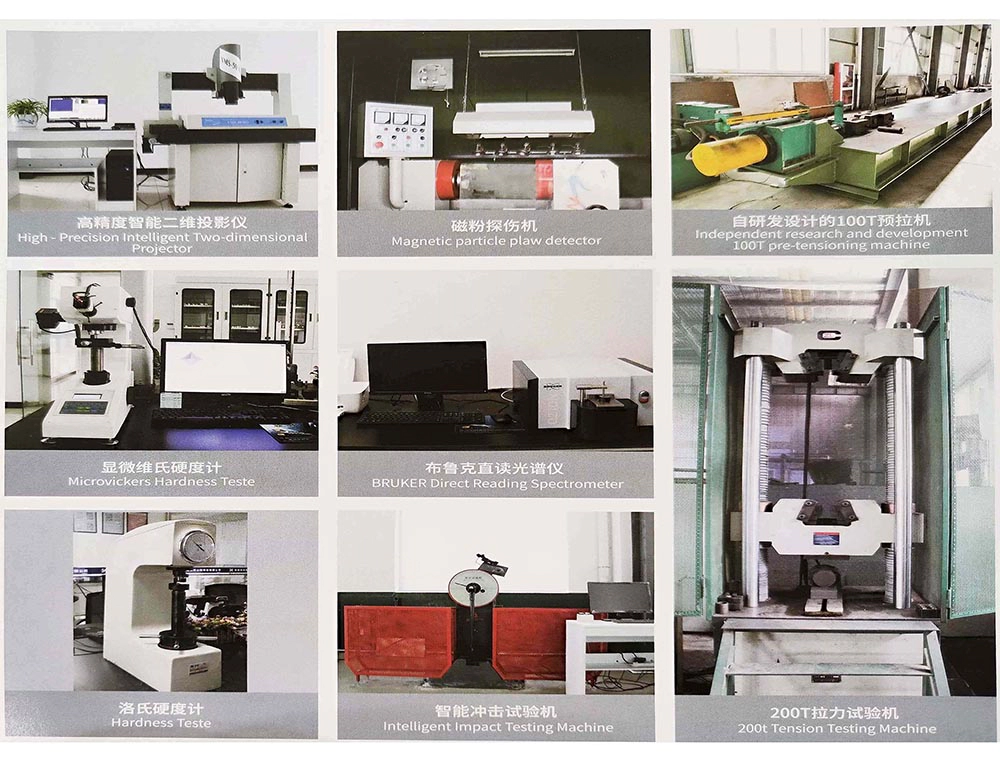
Preloading
The benefits of preloading roller chains are well documented. In general, preloading eliminates the initial elongation of the roller chain, increasing its service life. Preloading is an effective way to achieve this, and a preloading chart can help illustrate the benefits of this process. Chains with little or no preload will stretch significantly during drive start, while chains will stretch rapidly as the surface hardness of the wear parts increases. Additionally, a properly preloaded chain has little or no elongation during the initial start-up of the drive, extending wear life.
Premium manufacturers apply the preload concept during their production phase, aligning all major components at the same time. This approach helps eliminate elongation issues that lead to rapid degradation of the roller chain. If this is not checked, the chain drive will stretch immediately over time. To avoid these problems, it is important to purchase a high-quality preloaded roller chain from a reputable source.
The heat treatment process is an effective way to prevent excessive wear of the roller chain. Heat treatment is a complex process that takes place in a factory during manufacturing. This process helps the rollers maintain high hardness and depth, preventing breakage. When buying a roller chain, make sure that the chain is heat treated and that the chain is manufactured to a high degree of precision. It also ensures that the product can be used for a long time.
In addition to performance benefits, preloading can also reduce initial elongation. A preloaded roller chain will exhibit near linear elongation, whereas a non-preloaded chain will experience rapid elongation. Therefore, they will reach the recommended 3% elongation earlier. Make sure the chain is properly lubricated. Also, consider how the chain is arranged. This is critical for optimal longevity.
editor by CX 2023-04-21
China wholesaler Zhejiang manufacturer JIS Standard 24B 28B Carbon and Stainless Steel Roller chain Sprocket with Best Sales
Warranty: 1.5year
Applicable Industries: Hotels, Building Material Shops, Manufacturing Plant, Machinery Repair Shops, Cast iron pulley wheel type of 4 wheelers Retail, Construction works
Customized support: OEM
Material: Stainless Steel, 304 Stainless Steel
Standard: JIS
Feature: Stainless Steel Sprocket
Surface treatment: Without
Number of gears: 24T
Specification: 24B24T
Application: Transmission Machine
Processing: Forging-Machining-Hobbing
Bore Type: Finished Hole
Color: custom
Size: custom
Packaging Details: polybag+carton box/wooden pallet
Port: HangZhou,ZheJiang
Products Description Product nameZHangZhoug manufacturer JIS Standard 24B 28B Carbon and Stainless Steel Roller chain SprocketMaterial304 Stainless SteelFeaturesimplex chain sprocketsizecustomIteam No.24B24TcolorcustomNumber of gears24TusageTransmission Industry Product Category Company Profile Packing&Delivery FAQ Q1: Can we get a sample for reference? Yes, China Factory Price Efficient Tricycle Four-wheel Vehicle Small Electric Car Motor Differential Gearbox 1-2 (small standard size )samples will be free but the express freight will be collected.Q2: How long does it take to make a sample? Normally, it takes 7-15 days to make it.Q3: Do I need to pay deposit when contract is done? Yes, 30% deposit within 3 working days is required. Our delivery time is based on the date that your deposit is already on our account.Q4: Can you provide OEM service? Yes, we can. It will depend on your requests; long lifespan valve water meter custom size speed torque gearbox wholesale planetary gear motor actuator reducer your logo will be customized on our products.Q5: Packaging and shipping Normally polybag and carton box or wooden pallet Or it is packed as your requests.Q6: How can I contact you? Please contact us by Trademanager, Email, Whatsapp and Phone, also warmly welcome you to visit our company at your convenience.
drive chain type
Drive chains are used in a variety of industrial applications. Unlike roller chains, which are more efficient in terms of weight and size, drive chains slide on steel guides. Drive chains are often used for dirty work. Here’s what you need to know about the various types of drive chains. In this article, we’ll look at pin chains, engineered steel chains, bushing roller chains, and timing chains. These types are the most common and the most commonly used.
time chain
There are several factors to consider when deciding which drive chain to buy. What matters is how long the chain will last, as the timing chain will stretch over time. However, they are pre-stretched during manufacture to reduce the risk of stretching. Timing chains can also be noisy compared to toothed belt drives, but rails and chain tensioners can alleviate this problem. Timing chains also wear slower than belts, reducing repair costs.
Timing chains require little maintenance compared to belt drives. When well lubricated, timing chains require little maintenance. The only maintenance really required is checking the engine oil level and following the manufacturer’s recommended service intervals. Timing chains of drive chains are also safer than belt drives and can be dangerous if the toothed belt tears. Also, the timing chain only needs minor repairs and replacements. Garages can purchase complete timing chain kits that contain all the parts needed for repairs.
Drive chains can be equipped with roller chains or timing chains, depending on the load on the engine. The style of the timing chain depends on the type of motor used. However, the roller chain is the most common choice due to its high strength and NVH properties. The roller chain has two tabs pressed into the eyes, and two rollers above them. These components work together to improve engine performance.
Many modern vehicles use timing chains. Timing gears synchronize the camshaft and crankshaft so that the valves open and close at the appropriate times. This is critical to the running quality, power output, and fuel consumption of the engine. The timing chain also reduces the amount of pollution emitted by the vehicle. Over the past two decades, many OEMs have turned to time chains for OHC/DOHC engines.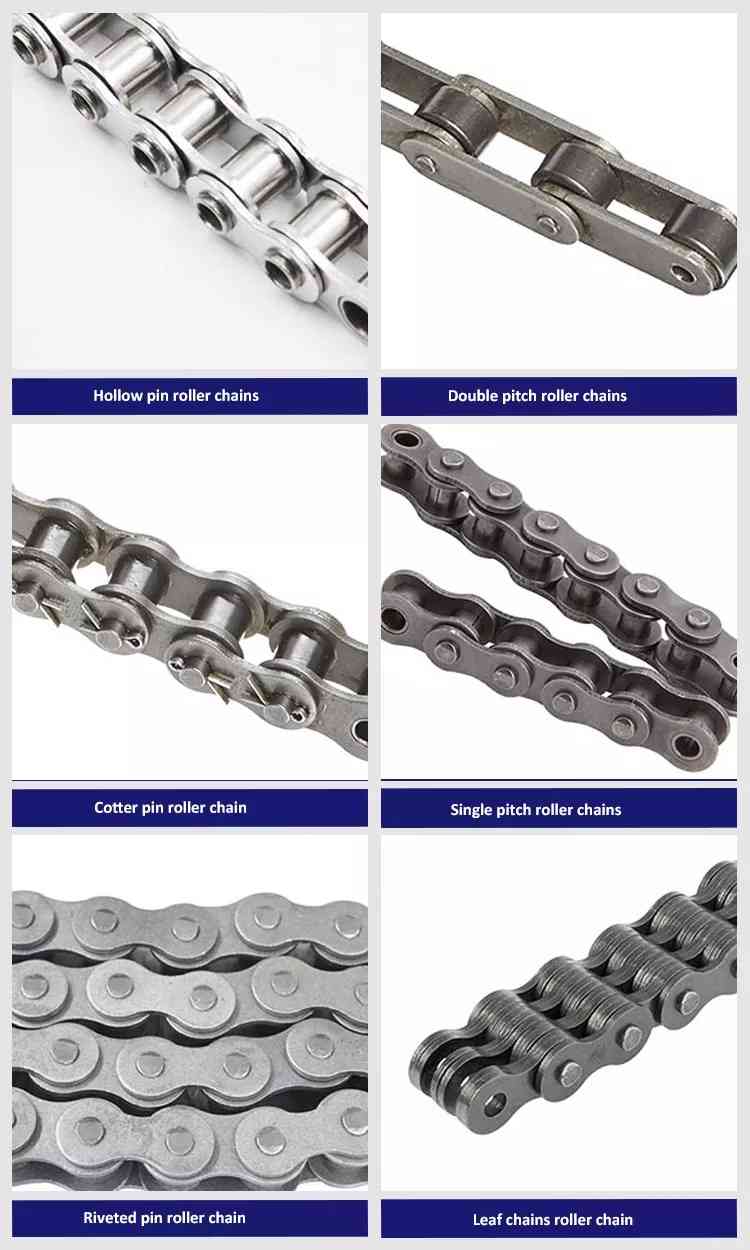
pin chain
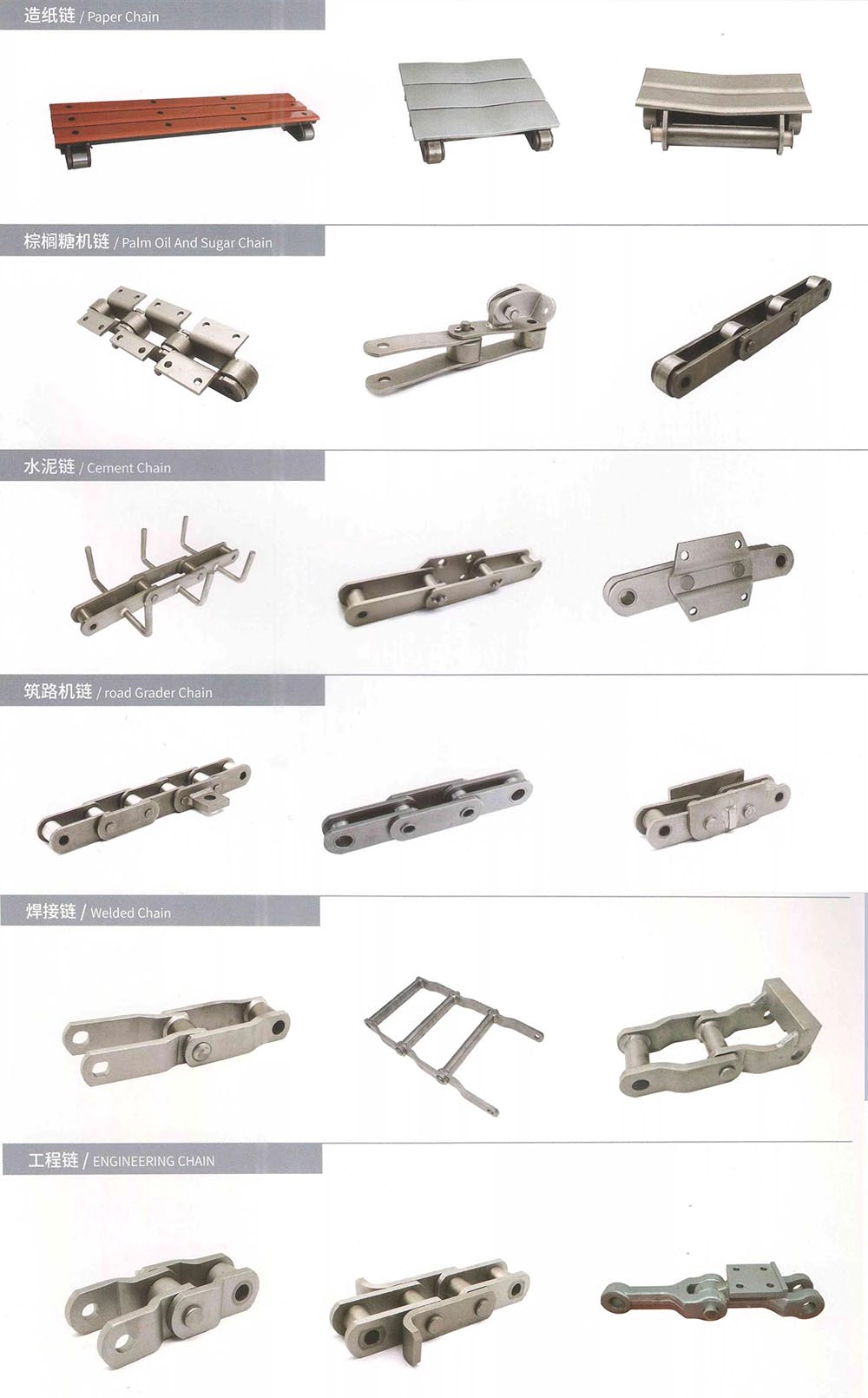
Steel pivot chains feature open barrels to reduce blocking and material buildup. These chains are designed for power transmission and transportation applications, often used in agricultural applications. They can be custom welded using specialized accessories. These chains can be used in agricultural, industrial and municipal applications. Here’s a closer look at each. Read on to learn about the benefits of steel pivot chains.
The Long Pitch Class 700 Pivot Chain is a versatile chain for conveying and lifting products. Its T-head pins fit snugly so dust doesn’t get into the pin holes. It is also constructed with a closed bearing structure to prevent elongation due to wear. Steel pivot chains are designed for high fatigue applications and are versatile.
Engineering Steel Chain
Engineered steel drive chain provides maximum power transfer while minimizing weight. Engineering chains are often used for tough oil drilling operations. Designed for durability and tight tolerances, these chains can be used in a variety of industrial equipment. Whether you need to lift heavy objects or store a lot of items, engineered steel chains will do the job. Read on to learn more about the benefits of engineering chains.
Engineered steel chains consist of links or pin joints with large gaps between the components. The material of these chains is designed to handle abrasives. While many of these chains are used as conveyors, some are designed for drives. You can find these chains on conveyors, forklifts, bucket elevators, oil rigs and more. To get the most out of them, they should be able to withstand the power produced by the prime mover.
The chain can withstand high tensile stresses and is ductile enough to withstand fatigue. The center-to-center distance between the chain and sprockets is between 30% and 50% of the pitch. On smaller sprockets, the arc of contact between the teeth and chain must be at least 120 degrees. The resistance of the chain drive depends on the use environment, including vibration, noise, fatigue strength and other factors.
There are many types of engineering steel drive chains, each with a different function. The most commonly used type is the elevator. Its lift mechanism raises and lowers the carriage. Most cranes are attached to the load with hooks. Another type of chain is the oval link. Its links are welded and the sprocket has receivers for each link. It is used in low speed applications for elevators, chain hoists and anchors in offshore operations.
Bushing Roller Chain
Typically, a bushing roller chain as a drive chain consists of two link assemblies. The inner link consists of two plates held together by two sleeves, while the outer link consists of two plates connected by pins that pass through the inner link. However, there are some differences between bushing roller chains. The main difference is the type of link and the amount of lubrication required. If you want to learn more about bushing roller chains, keep reading.
While roller chains are generally stronger and more durable than bushing chains, they are not immune to wear. During the driving cycle, they lengthen and undergo a process called articulation. The rate at which they elongate depends on the lubrication and load applied to them. The frequency of pin and bushing articulation is also critical. Like other wear parts, the manufacture of critical wear parts requires close attention to detail to ensure optimum performance. Correct raw material selection, part fabrication, and assembly are key factors in achieving optimum performance. Improperly prepared parts can affect wear life and performance.
Consider your application and load distribution when selecting a bushing roller chain as your drive chain. The length of the chain must be between 30 and 50 times its pitch. The arc of contact between the small sprocket teeth must be at least 120 degrees. The resistance of the drive chain depends on the usage environment, which will determine its fatigue strength and vibration level. It’s a good idea to check the chain length before deciding to replace it.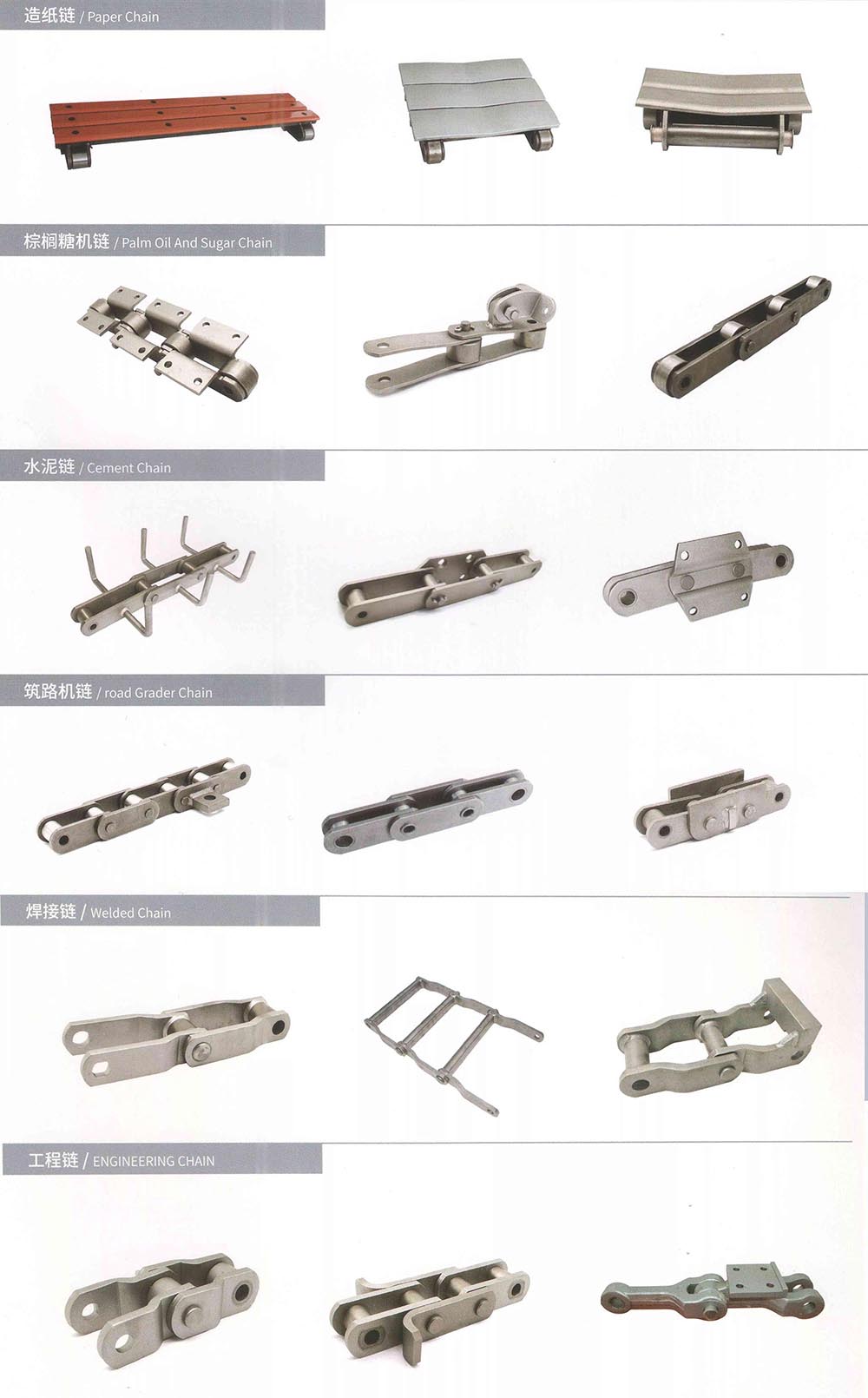
flat top chain
The TSplus flat top drive chain is the most flexible conveying medium on the market today. They can be connected end-to-end to create extended conveyor lines. The side bend design allows it to be used with a variety of conveyor types including inline, snake, and carousel conveyors. These chains are available in a variety of sizes, ranging in width from 3 feet to 20 feet.
A variety of materials are available for flat-top chains, including steel and plastic. Steel chains are ideal for applications requiring wear resistance. They are sturdy and well made. Plastic chains are particularly durable, but not suitable for harsh environments. Stainless steel flat top chains are suitable for a variety of applications, and some manufacturers make them from stainless steel or even aluminum. If your application requires a durable flat top chain, choose a chain made from iwis hardened stainless steel.
Another type of flat-top drive chain is the side bend chain. Suitable for flexible machinery requiring efficient conveying. It is equipped with a single hinge pin or double hinge pin. Either option will do, but each hinge pin has its advantages. Single hinge pin chains are suitable for smaller light-duty conveyors, while double hinge pins are more suitable for medium and heavy-duty applications.
CZPT is a modular flat top chain conveyor system. Its standardized components and modules can be easily integrated into any production process. And because it’s a single track, you can lengthen or shorten it as needed. Its versatile design makes it compatible with other conveyor systems such as belts and sprockets. This monorail modular design allows system lengths up to 40 meters and is compatible with other conveyor systems.