Product Description
About Factory
With more than 18 years’ histiory, we are a professinal manufacturer for drop forged products such as forged chain (X348 X458 X658 X678 X698 F100 F160), scraper chain (10160, 14218, 14226, 142N), conveyor trolley (X348, X458, X678, XT160), and drive chain (X348, X458, X678), and so forth standard moulds of chain.
Besides, we can also produce as per your drawing or sample, special link chain, pusher, pin and plate, according to customers’ unique requirements.
Product Description
1) Material: Alloy steel, 40Cr, 42CrMo and so on.
2) Types: 10160, 14218, 14226, 2571, 26014, 142N, 150D, S30, and so on. (Or as per your drawing)
3) Process: Moulding→Forging→Polishing & Blasting→Fine machining→Heat treatment→Blasting→Inspecting & testing→Packing
Product Show
Technical Data
| Model | Pitch | Dimension | Lateral Corner | Standard Measured Length (mm) | Measured Quantity | Tensile Strength (KN) | Weight (Kg/m) | |||||
| A | F | G | J | K | S | |||||||
| 80H | 80 | 73 | 42 | 18.4 | 20 | 34.5 | 19.5 | 7 | 3032/3058 | 38 | 250 | 7.8 |
| X348 | 76.6 | 46 | 27 | 12.7 | 12.7 | 20.6 | 13.5 | 9 | 3050.5/3095.2 | 40 | 110 | 3.2 |
| X458 | 102.4 | 57 | 37 | 16 | 16 | 26.5 | 17.5 | 9 | 3063.1/3090.2 | 30 | 210 | 5.2 |
| 468H | 102.4 | 84.1 | 47.8 | 18 | 29.5 | 42.9 | 22.2 | 9 | 3063.1/3090.2 | 30 | 318 | 11.5 |
| X658 | 153.2 | 55.6 | 35 | 16 | 16 | 57.2 | 17.5 | 7 | 3055.1/3082.8 | 20 | 210 | 4 |
| X678 | 153.2 | 77 | 50.8 | 22.2 | 21 | 34.2 | 25 | 7 | 3055.1/3082.8 | 20 | 320 | 9.5 |
| 678 | 153.2 | 77 | 50.8 | 22.2 | 21 | 34.2 | 25 | 7 | 3055.1/3082.8 | 20 | 320 | 9.5 |
| 698 | 153.2 | 95.25 | 64 | 28 | 25.4 | 41.3 | 32 | 5 | 3055.1/3082.8 | 20 | 515 | 17 |
| 998 | 229.4 | 95.25 | 67.5 | 28 | 25.4 | 41.3 | 32 | 5 | 3205/3232.4 | 13 | 515 | 14.8 |
| 9118 | 229.4 | 123.8 | 76.2 | 35 | 33.5 | 52 | 38.1 | 5 | 3205/3232.4 | 13 | 832 | 24.2 |
| S348 | 76.6 | 38.9 | 28.6 | 12.7 | 12.7 | 20.6 | 13.5 | 9 | 3050.5/3095.2 | 40 | 110 | 3.2 |
| S458 | 102.4 | 52.1 | 35 | 16 | 16 | 26.5 | 17.5 | 9 | 3063.1/3090.2 | 30 | 210 | 5.2 |
| S678 | 153.2 | 69.8 | 50.8 | 22.2 | 21 | 34.2 | 25 | 7 | 3055.1/3082.8 | 20 | 320 | 9.5 |
| S698 | 153.2 | 73 | 68.3 | 28 | 25.4 | 41.3 | 32 | 5 | 3055.1/3082.8 | 20 | 515 | 17 |
| S9118 | 229.4 | 98.4 | 77.8 | 35 | 33.5 | 52 | 38.1 | 5 | 3205/3232.4 | 13 | 832 | 24.2 |
| F100 | 100 | 57 | 37 | 16 | 16 | 26.5 | 17.5 | 9 | 2991.3/3018.3 | 30 | 210 | 5.2 |
| F160 | 160 | 78 | 54 | 24 | 20.5 | 36 | 28 | 7 | 3190.7/3219.5 | 20 | 318 | 10.3 |
Products & Testing Equipments
Products Application
Packing & Delivery
Why Choose Us?
1. We are engaged in chain industry over 15 years with rich market experience. We keep improving production techniques. All the products have longer working life and have passed the market test.
2. We can design the correct chains with high quality material, good abrasion resistance, good corrosion, high strengthen and etc as per your request or the chain application.
3. We are the chain manufacturer; you can directly purchase the product from us with low price and high quality.
4. We have a professional team for international trade, they have abundant experiences and are always ready to solve problems for customers. So you have nothing to worry about.
5. We have the long-term cooperative forwarder who can give us the lowest freight. And it can help you to save the freight. What’s more, for the FCL, we will design the packages as per the container sizes with the largest capacity to save the shipping cost for both of us.
| Material: | Alloy |
|---|---|
| Structure: | Combined Chain |
| Surface Treatment: | Polishing |
| Chain Size: | 1/2"*11/128" |
| Feature: | Fire Resistant, Oil Resistant, Heat Resistant |
| Certificate: | SGS and ISO Standard |
| Samples: |
US$ 5/Piece
1 Piece(Min.Order) | |
|---|
| Customization: |
Available
| Customized Request |
|---|
How do you calculate the chain pull force in a conveyor chain system?
The chain pull force, also known as the chain tension, is an important parameter to determine in a conveyor chain system. It represents the force required to move the conveyed load along the conveyor. The calculation of chain pull force involves several factors:
1. Weight of the Load: Determine the weight of the load being conveyed. This includes the weight of the product, packaging materials, and any additional equipment or components carried by the conveyor.
2. Friction Coefficients: Identify the friction coefficients between the load and the conveyor components. This includes the friction between the product and the conveyor chain, as well as the friction between the product and the conveyor bed or guides. These coefficients are typically provided by the manufacturer or can be obtained through testing.
3. Incline or Decline Angle: Consider the angle at which the conveyor operates. If the conveyor has an incline or decline, the angle will affect the force required to move the load.
4. Acceleration and Deceleration: Account for any acceleration or deceleration requirements in the conveyor system. If the conveyor needs to start or stop abruptly or if there are changes in speed, these factors will impact the chain pull force.
Once these factors are determined, the chain pull force can be calculated using the following formula:
Chain Pull Force = (Weight of Load + Friction Force) × (1 + Incline or Decline Factor) × (1 + Acceleration or Deceleration Factor)
It’s important to note that the accuracy of the calculation depends on the accuracy of the input values. Therefore, it’s recommended to consult the conveyor manufacturer or an engineering professional to ensure precise calculations and proper sizing of the conveyor chain.

What are the factors to consider when selecting the pitch of a conveyor chain?
When selecting the pitch of a conveyor chain, several factors need to be considered to ensure optimal performance and efficiency. Here are the key factors:
1. Load Capacity: The pitch of the conveyor chain should be selected based on the anticipated load capacity of the system. Consider the weight and size of the conveyed materials to ensure the chain can handle the required load without exceeding its capacity.
2. Speed and Application: The operating speed of the conveyor system and the specific application play a role in determining the pitch. Higher speeds may require smaller pitch chains to maintain smooth and reliable operation.
3. Conveyor Length: The length of the conveyor system affects the selection of the chain pitch. Longer conveyors may require larger pitch chains to distribute the load and reduce tension on individual chain links.
4. Space Constraints: Consider the available space for the conveyor system. Smaller pitch chains may be preferred in applications with limited space to minimize the overall footprint of the conveyor.
5. Wear and Maintenance: The pitch selection should also consider the anticipated wear and maintenance requirements. Smaller pitch chains often provide better wear resistance and may require less frequent lubrication and maintenance.
6. Speed Regulation: If the conveyor system requires speed regulation or precise positioning, the pitch selection should align with the control capabilities of the drive system. Smaller pitch chains can offer finer control and accuracy.
7. Compatibility: Ensure that the selected pitch is compatible with other components of the conveyor system, including sprockets, guides, and attachments. They should be designed to work together smoothly and efficiently.
8. Application Environment: Consider the environmental conditions in which the conveyor will operate. Factors such as temperature, humidity, corrosive substances, or abrasive materials may influence the choice of chain pitch and material to ensure durability and longevity.
By considering these factors, you can select the appropriate pitch for the conveyor chain, ensuring optimal performance, longevity, and reliable operation of the system.
What safety precautions should be followed when working with conveyor chains?
Working with conveyor chains involves potential hazards, and it is essential to follow proper safety precautions to ensure the well-being of workers and prevent accidents. Here are some important safety measures to consider:
- Proper Training: Ensure that workers operating or maintaining conveyor chains receive proper training on safe practices, including chain handling, maintenance procedures, and emergency protocols.
- Personal Protective Equipment (PPE): Workers should wear appropriate PPE, such as safety glasses, gloves, and steel-toed shoes, to protect themselves from potential hazards, including flying debris, pinch points, or entanglement.
- Lockout/Tagout: Before performing any maintenance or repair tasks on conveyor chains, follow lockout/tagout procedures to isolate and de-energize the equipment to prevent accidental startup or release of stored energy.
- Guarding: Ensure that conveyor chains are adequately guarded to prevent access to moving parts, such as pinch points and rotating sprockets. Guards should be securely in place and not interfere with the chain’s operation.
- Housekeeping: Keep the work area clean and free of debris, tools, or other objects that could cause tripping hazards or interfere with the operation of the conveyor chain.
- Regular Inspections: Regularly inspect the conveyor chains for any signs of wear, damage, or misalignment. Address any issues promptly to prevent potential safety hazards.
- Safe Loading and Unloading: When loading or unloading materials onto the conveyor, follow safe lifting techniques and ensure the load is evenly distributed to prevent overloading or imbalance.
- Emergency Stop Devices: Install and clearly mark emergency stop devices along the conveyor system to enable immediate shutdown in case of an emergency or hazardous situation.
- Clear Communication: Establish clear communication protocols, including signals or signs, to ensure effective communication between workers operating different sections of the conveyor system.
These safety precautions are general guidelines, and it’s important to consult and adhere to specific safety regulations and guidelines provided by the equipment manufacturer and relevant safety authorities. Regular safety training, awareness, and a proactive safety culture are crucial in maintaining a safe working environment when working with conveyor chains.


editor by CX 2023-10-08
China best Symmetric Bilateral Carbon Steel 3/8 Inch Biz 0 Center Guide Inverted Tooth Transmission Silent Chain for Multi Shaft Drives roller chain design
Product Description
|
Name |
BIZ 0 Inverted Tooth Transmission Silent Chain |
|
Pitch |
3/8 Inch, 9.525mm |
|
Feature |
Anti-Noise, Symmetrical Link Plates, Compatible with Multi-Shaft Drives. |
|
Surface Treatment |
Shot Peening Bluing Chrome Plating Zinc Plating Nickel Plating All the above treatments are available according to your requirements. |
|
Plate Widths |
12mm to 65mm |
|
Assembly Method |
Single Centre Xihu (West Lake) Dis. Other choices, such as Double/Triple Centre Xihu (West Lake) Dis. and Single/Double Side Xihu (West Lake) Dis., are also available. |
Detailed Photos
BIZ Chains feature symmetrically toothed link plates on both sides, enabling equal performance and precision during bilateral use. This design makes it an ideal solution for applications with changes in the direction of rotation or for multi-shaft drives. Their flexibility ensures they can easily handle these situations, providing reliable and consistent performance.
The chain is designed to provide reliable and consistent performance in demanding environments, making them an excellent choice for businesses in industrial sectors such as mining, agriculture, and construction.
They can handle high-stress levels and loads. This makes them ideal for heavy machinery, conveyors, and other industrial equipment. The chains are designed to reduce downtime and improve operational efficiency, which can result in cost savings for businesses.
Besides outstanding durability, the chain offers excellent wear resistance and fatigue strength. This means they can withstand continuous wear and tear and remain reliable.
Product Parameters
When you need a specific design, we can provide customised solutions based on what you need. Whether you require specific features, plans, materials, or specifications, our team can work to ensure you get a chain that fully meets your needs. We are committed to providing the best solutions for our customers, so we are more than happy to work with you to ensure that our products match your expectations.
Please feel free to reach out to us. We will get back to you as soon as possible.
|
Shipping Cost:
Estimated freight per unit. |
To be negotiated|
|
|---|
| Standard or Nonstandard: | Standard |
|---|---|
| Application: | Textile Machinery, Garment Machinery, Conveyer Equipment, Packaging Machinery, Food Machinery, Marine, Mining Equipment, Agricultural Machinery |
| Structure: | Tooth Chain |
| Samples: |
US$ 100/Meter
1 Meter(Min.Order) | Order Sample |
|---|
| Customization: |
Available
| Customized Request |
|---|
Three important aspects of the drive chain
One of the advantages of a drive chain is that it is relatively light. It sends nearly all of the engine’s power to the rear wheels, even if it loses some power along the way. Engine power on a dyno is different than on the road. Therefore, the chain is the most efficient way to transmit power to the rear wheel. Let’s look at three important aspects of the drive chain. Here are some facts about them.
roller chain drive
When choosing a roller chain drive, consider your application and how much horsepower your system requires. For applications requiring more horsepower, a multi-strand drive is an option. If your horsepower is limited, single-strand drives are a good choice. Otherwise, you may need to choose the smallest pitch chain. However, this may not always be possible. You should also consider sprocket size. In many cases, choosing a smaller chain pitch can increase the number of options.
While proper lubrication and maintenance can last a roller chain drive for years, regular inspections are essential to prolonging its life. After the drive has been operating for 100 hours, a thorough inspection every 500 hours is recommended. During this inspection, look for key elements such as 3% elongation and chain wear. If the chain is not preloaded, elongation will happen very quickly. In either case, the industry-recommended 3% elongation will be achieved faster.
flat top chain
The flat-top chain system consists of hinge pins that support the chain to ensure efficient conveying. There are different types of hinge pins available, namely single and double. The single hinge pin is suitable for short chainplates and lightly loaded products. Dual hinge pins provide increased stability and load capacity. Flat top drive chains can be used in many different industries. In this article, we will learn about some important properties of flat-top chains.
Plastic flat top chains can transport medium to large workpiece pallets. They have a circular arc function that enables continuous drive combinations involving curved circular arcs. Plastic flat top chains are also recommended for workpiece pallets with PA wear pads. Steel flat-top chains can withstand surface loads up to 1.5 kg/cm, and HD profiles are suitable for steel chains. This chain is used in a variety of applications, including packaging machines.
mute chain
There are several types of mufflers that can silence your drive chain. One is the Ramsay silent chain, also known as the inverted tooth chain. These chains can be custom designed for specific needs. Exclusive Australian distributor of CZPT products that can help you find the most effective and affordable silent chain. In addition to silent chains, CZPT also manufactures sprockets and other hardware required for the drive.
Another type of mute chain is the CZPT chain. CZPT chains have involute teeth, while the ANSI standard specifies straight teeth. The advantage of silent chains is reduced noise and vibration output, and wider chains are more economical than multi-strand roller chains. The downside of silent chains is that they wear out quickly without lubrication.
The mute chain consists of two main parts, the pin and the plate. The pins are rotated in the same direction and positioned so that they can only engage the sprocket from one direction. Therefore, mute links are not recommended for reverse applications. To find out if your chain will work in reverse, consult the manufacturer’s catalog. CZPT chain.
conveyor chain
Drive chains and conveyor chains are essentially the same, but they are very different. The transmission chain is mainly used to transport heavy objects, and the conveyor chain is used to transport light objects. On the other hand, drive chains are usually driven by belts. Both types of chains can be used for the same purpose. This article will cover both types of chains. You can use them to convey various types of materials and products.
There are some differences between belts and chains, but both types can perform similar functions. The drive chain is used to drive the rollers, while the belt is used to move the object horizontally. The drive chain usually drives the rollers that move the conveyor belt. For a wide range of applications, conveyors and drive chains can be customized to meet specific needs. Here are some common uses of these two chains: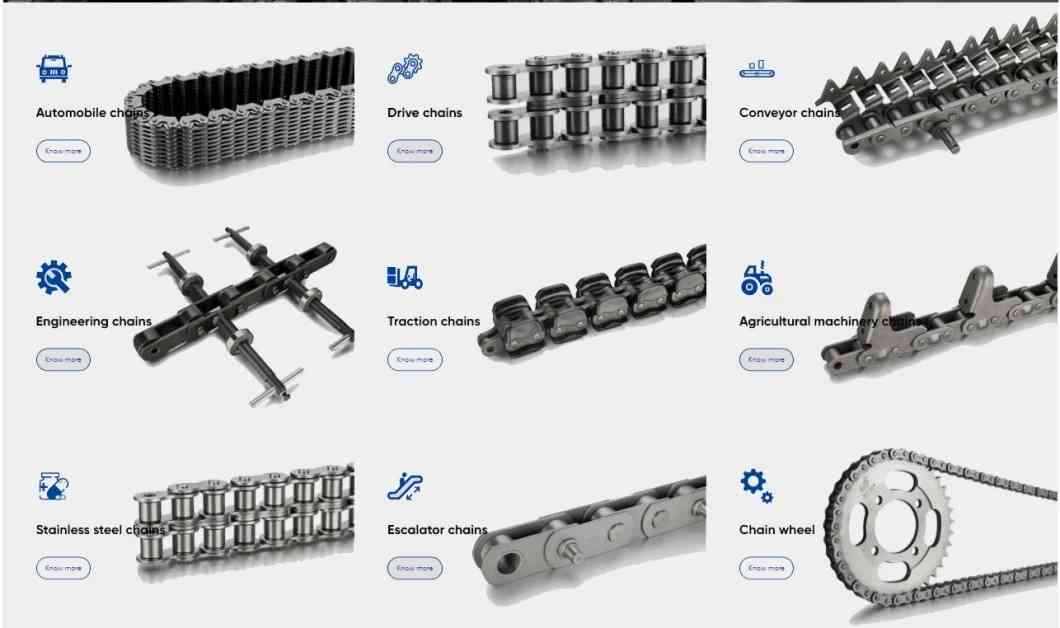
time chain
Timing chains fail for two reasons: complete damage and fatigue. Fatigue occurs when a timing chain reaches its breaking strength, and eventually, failure occurs when a timing chain exceeds its design life and suffers mechanical damage. Most timing chain failures are a combination of mechanical failure and fatigue. Chain chatter, engine misfires, and VVT systems can accelerate chain fatigue. If these causes of premature timing chain failure are not addressed, the timing chain could be permanently damaged.
In the past, the timing chain was the only drive chain available. Timing belts are a quieter alternative, but they are prone to failure and damage to valves and the engine. In recent years, OEM manufacturers have begun to return to the OHC/DOHC drive chain of the timing chain. This type of drive chain has many advantages, including the ability to simulate knock sensor vibrations. Additionally, the chain has better NVH performance, making it the drive chain of choice for automakers.
Timing Chains in Internal Combustion Engines
Internal combustion engines use timing chains to control intake and exhaust valves. The chain turns the camshaft at the right time and coordinates the movement of the valves on the cylinder head. This in turn allows the engine to generate power. The timing chain also controls the position of the intake and exhaust valves, ensuring that fuel and exhaust gases are expelled at the correct time. Incorrect timing in the vehicle can lead to misfires and other problems.
Chain drives in internal combustion engines are a common feature of many modern cars. It transmits rotational force from the crankshaft to the camshaft, which in turn controls the opening and closing of valves. The chain is lubricated with oil to prevent wear. Therefore, timing chains are often used in high-capacity engines, including trucks and motorcycles. But they do have some drawbacks.
A weakened timing chain can cause the engine to misfire, causing it to skip gears and lose coordination. A clicking sound may also indicate a problem. If the chain is too loose, it can also cause the engine to stall. If the chain is too loose, metal chips will appear in the oil. A clicking sound may also be heard when the engine is running. If you hear the engine stalling, it’s likely that the timing chain is the culprit.
Silent chains in internal combustion engines
The pitch difference between the drive sprocket and the silent chain reduces resonance sound, meshing shock, and accelerated wear at the chain and sprocket interface. The difference in pitch between the drive sprocket and the silent chain determines the loudness of the sound, and the system described here helps reduce it. The present invention is suitable for power transmission in internal combustion engines.
The earliest designs for silent chains come from the 1500s when Leonardo da Vinci sketched them. The SS Britannia propels the boat across the Atlantic using huge silent chains. By the mid-19th century, silent chains were used in nearly all types of industrial applications and as timing chains for early automobile engines. Due to their durability, these chains are durable and have smooth action.
In order to understand the mechanism of frictional losses in chains, various parameters must be considered. Speed, pitch, temperature and tension are the main parameters affecting friction loss. This test uses two types of chains to compare the frictional behavior between these two components. The results show that a single chain with a high pitch can increase the friction torque of another chain with the same pitch. These results provide an important basis for understanding the role of friction torque in internal combustion engines.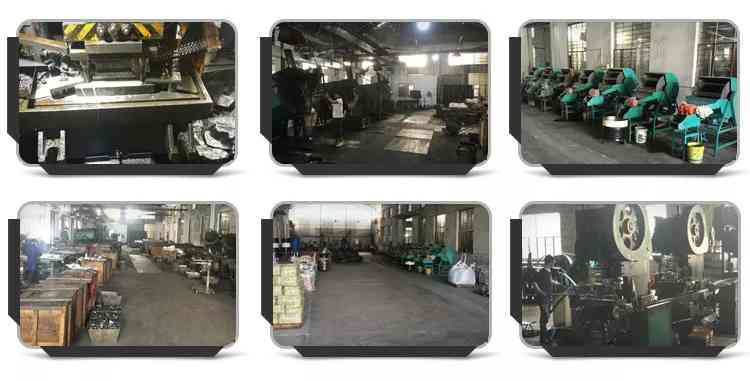
lifting chain
Lift chairs are designed to lift heavy objects and can be used with a variety of lifting equipment, including forklifts and cranes. Hoist chains are also used in warehouses and ports of all sizes and consist of a series of pins and plates that mesh with each other to move heavy loads. CZPT Chain manufactures high-precision lifting chains. Here are some of the benefits of hoist chains for drive chains.
Blade Chain: This type of drive chain has a patented U-profile that turns the flexible chain into a highly stable outer post during the push phase. This design is designed to minimize linkage tangling and provide better pressure transfer. These chains are used for cranes, anchors and straddle carriers. Blade chains are more durable than other types of drive chains and are especially useful in heavy duty applications.
The drive chain is also available in a variety of materials. For example, square link chains are commonly used in cranes and hoists. They are cheap to manufacture but more prone to overloading. Conveyor chains are specially designed for chain conveyor systems. It consists of a series of interconnected rectangular links. Oval links tend to kink and are usually only used at low speeds.
editor by CX 2023-05-15