
وصف المنتج
وصف المنتج
Free Flow Chian
BS25
| Chain Number | model | يقذف | Roller Dia. (D) | Roller Dia.(d) | Weight(kg/m) |
| BS25-C206B | SKVR25-1905 | 19.05 | 18.3 | 11.91 | 0.52 |
| BS25-C208A | SKVR25-2540 | 25.4 | 24.6 | 15.88 | 0.79 |
| BS25-C212A | SKVR25-3810 | 38.1 | 36.6 | 22.23 | 2.19 |
BS30
| Chain Number | model | يقذف | Roller Dia. (D) | Roller Dia.(d) | Weight(kg/m) |
| BS30-C212A | SKVR30-3810 | 38.1 | 38 | 18 | 2.14 |
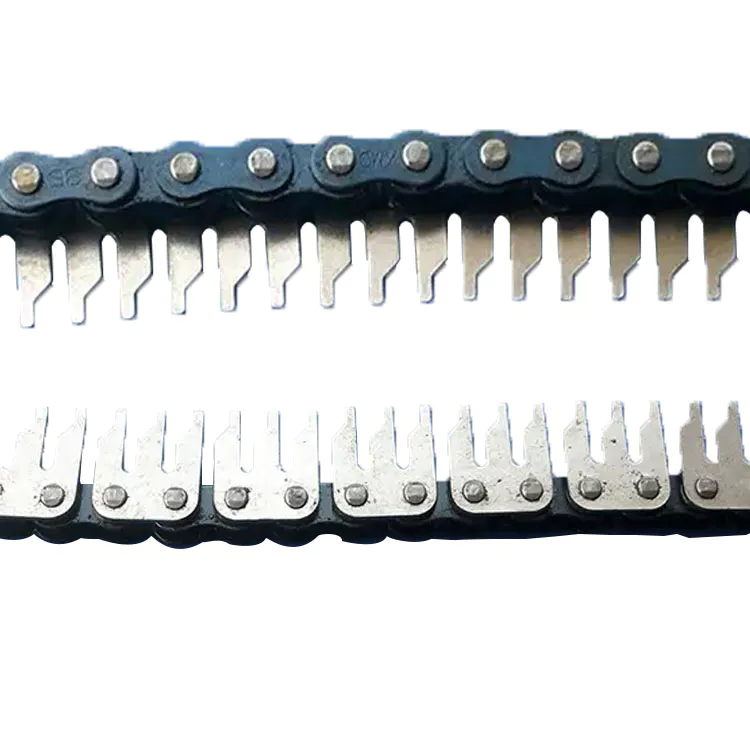
Free flow chian, also called plus speed chain, accumulation chain, Differential chain.
Free flow chian, also called plus speed chain, accumulation chain, Differential chain.
It is a popular chain used in pallet/tray conveyor system.
Free flow chian, also called plus speed chain, accumulation chain, Differential chain.
Free flow chain is 1 of the major products of Seikonveyor. Its production is finished in automatic factory. In every month CHINAMFG factory supplys over 500000 CHINAMFG free flow chain to the market. Include different materials types: Nylon, steel, stainless steel. and different color: black, blue, brown. Our free flow chain is widely used in automatic conveyor system, especially for different kinds of assembly lines
BS25 free flow chain production view
Free flow chian, also called plus speed chain, accumulation chain, Differential chain.
BS30 free flow chain production view
Free flow chian, also called plus speed chain, accumulation chain, Differential chain.
We pick perfect rollers to assemble the free flow chain, to ensure the chain run smooth
Free flow chian, also called plus speed chain, accumulation chain, Differential chain.
Bulk production makes our free flow chain with competitive price in the martke.
Free flow chian, also called plus speed chain, accumulation chain, Differential chain.
For bulk order, we provide plywood crate package to protect it from damage during transportation.
| مادة: | البلاستيك |
|---|---|
| بناء: | سلسلة بكرات |
| معالجة السطح: | الطلاء الكهربائي |
| ميزة: | مقاوم للحريق، مقاوم للزيوت، مقاوم للحرارة |
| Chain 3: | 3 Speed Chain |
| Chain 2: | Speed Chain |
| أمثلة: |
US$ 20/متر
متر واحد (الحد الأدنى للطلب) | |
|---|
| التخصيص: |
متاح
| طلب مخصص |
|---|

هل يمكن استخدام سلسلة ناقلة في التطبيقات عالية السرعة؟
نعم، يمكن استخدام سلسلة النقل في التطبيقات عالية السرعة، وذلك بحسب تصميم ومواصفات السلسلة ونظام النقل. مع ذلك، توجد بعض العوامل التي يجب مراعاتها عند استخدام سلسلة النقل في التطبيقات عالية السرعة:
1. تصميم السلسلة: يجب أن يكون تصميم سلسلة النقل قادراً على التعامل مع السرعات العالية دون المساس بالسلامة أو الأداء. تتوفر سلاسل متخصصة عالية السرعة مصممة خصيصاً لتلبية متطلبات التطبيقات عالية السرعة.
2. اختيار المواد: يجب أن تتمتع المواد المستخدمة في تصنيع سلسلة النقل بقوة ومتانة عاليتين لتحمل القوى والإجهادات عند السرعات العالية. تشمل المواد الشائعة لسلاسل النقل عالية السرعة سبائك الصلب، والفولاذ المقاوم للصدأ، والبوليمرات الخاصة.
3. التشحيم: يُعدّ التشحيم السليم أمراً بالغ الأهمية في التطبيقات عالية السرعة لتقليل الاحتكاك والحرارة والتآكل. ينبغي استخدام مواد تشحيم مصممة خصيصاً لسلاسل النقل عالية السرعة لضمان التشغيل السلس وإطالة عمر السلسلة.
4. الشد والمحاذاة: يُعدّ الشد والمحاذاة الدقيقان لسلسلة النقل أمراً بالغ الأهمية للتطبيقات عالية السرعة. يساعد الشد المناسب على الحفاظ على استقرار السلسلة ومنع الاهتزازات المفرطة أو الاستطالة، مما قد يؤدي إلى تلف السلسلة أو تآكلها المبكر.
5. اعتبارات السلامة: تتطلب التطبيقات عالية السرعة تدابير سلامة إضافية لحماية الأفراد والمعدات. وتُعدّ الحواجز الواقية المناسبة وأنظمة إيقاف الطوارئ وعمليات الفحص الدورية للصيانة ضرورية لضمان التشغيل الآمن.
من المهم استشارة الشركة المصنعة لسلاسل النقل أو مهندس متخصص لتحديد مدى ملاءمة سلسلة معينة للتطبيقات عالية السرعة. بإمكانهم تقديم إرشادات حول اختيار تصميم السلسلة المناسب، والمواد، والتشحيم، وممارسات الصيانة لضمان التشغيل الموثوق والفعال عند السرعات العالية.
What are the advantages of using a plastic conveyor chain?
Plastic conveyor chains offer several advantages over traditional metal chains. Here are some of the key advantages:
1. Corrosion Resistance: Plastic chains are highly resistant to corrosion, making them ideal for applications in humid or corrosive environments. They do not rust or deteriorate when exposed to moisture or chemicals.
2. Lightweight: Plastic chains are significantly lighter than metal chains, making them easier to handle and install. Their lightweight nature reduces the overall weight of the conveyor system and can result in energy savings during operation.
3. Low Noise Operation: Plastic chains generate less noise compared to metal chains, leading to a quieter working environment. This can be particularly beneficial in industries where noise reduction is important, such as food processing or packaging.
4. Reduced Friction and Wear: Plastic chains have self-lubricating properties, which reduce friction and wear. This results in lower maintenance requirements and longer chain life. The smooth surface of plastic chains also minimizes the risk of product damage during transportation.
5. Flexibility and Modularity: Plastic chains can be easily customized and designed to fit specific conveyor system requirements. They offer flexibility in terms of length, width, and configuration. Additionally, plastic chains are often modular, allowing for easy replacement of damaged or worn-out sections without replacing the entire chain.
6. Cost-Effective: Plastic conveyor chains are generally more cost-effective compared to metal chains. They are often less expensive to manufacture and offer a longer lifespan with minimal maintenance requirements, resulting in lower overall costs.
7. Chemical Resistance: Plastic chains are resistant to a wide range of chemicals, making them suitable for applications where exposure to aggressive substances is a concern. They can withstand contact with oils, acids, alkalis, and various cleaning agents.
Overall, the advantages of using a plastic conveyor chain include corrosion resistance, lightweight design, low noise operation, reduced friction and wear, flexibility, cost-effectiveness, and chemical resistance. These benefits make plastic chains a popular choice in various industries, including food processing, packaging, pharmaceuticals, and logistics.

ما هي سلسلة النقل وكيف تعمل؟
سلسلة النقل هي نوع من السلاسل الميكانيكية المصممة خصيصًا للاستخدام في أنظمة النقل. تتكون من سلسلة من الحلقات المتصلة التي تشكل حلقة متصلة. عادةً ما تكون هذه الحلقات مصنوعة من المعدن، وترتبط ببعضها البعض بواسطة دبابيس أو عناصر توصيل أخرى.
تعمل سلاسل النقل عن طريق نقل الطاقة والحركة من آلية الدفع، مثل المحرك أو العجلة المسننة، إلى نظام النقل لنقل المواد أو المنتجات على طول مسار محدد مسبقًا. توضع السلسلة على مسار أو قضبان توجيه، وأثناء حركتها، تحمل الحمل الموضوع عليها.
تتضمن عملية تشغيل سلسلة النقل الخطوات التالية:
- نقل الطاقة:
تقوم آلية القيادة بنقل الطاقة الدورانية إلى سلسلة النقل، عادةً من خلال محرك وعجلات مسننة. يوفر المحرك عزم الدوران اللازم لتحريك السلسلة.
- الجر والحركة:
عندما تدور آلية القيادة العجلات المسننة، تتعشق أسنانها مع حلقات سلسلة النقل. ويولد هذا التفاعل قوة جر، مما يؤدي إلى تحرك السلسلة على طول المسار المطلوب.
- حمل الأحمال:
تُوضع الحمولة المراد نقلها على سلسلة النقل. قد تكون الحمولة منتجات أو مواد أو غيرها. ومع تحرك السلسلة، تحمل الحمولة على طول نظام النقل، مما يتيح نقلها أو مناولتها بكفاءة.
- الدعم والتوجيه:
يتم دعم وتوجيه سلسلة النقل بواسطة مكونات مختلفة، مثل قضبان التوجيه والبكرات وشرائط التآكل. تضمن هذه المكونات المحاذاة الصحيحة والحركة السلسة للسلسلة على طول نظام النقل.
تُستخدم سلاسل النقل بشكل شائع في صناعات مثل التصنيع والخدمات اللوجستية والتعبئة والتغليف ومناولة المواد. وهي توفر طريقة موثوقة وفعالة لنقل المنتجات أو المواد بطريقة آلية ومتحكم بها.


editor by CX 2023-10-10