
وصف المنتج
نبذة عن المصنع
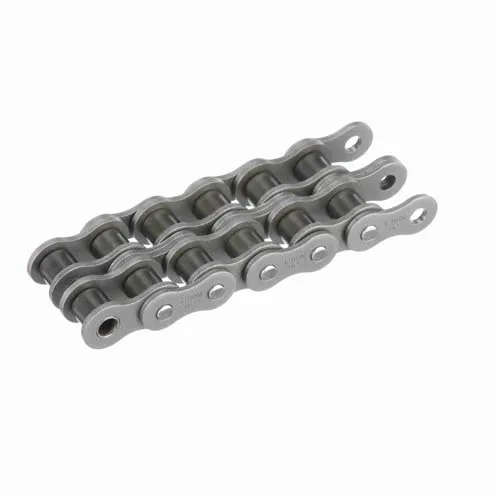
مع أكثر من تاريخ يمتد لـ 18 عامًانحن شركة تصنيع محترفة للمنتجات المطروقة مثل السلاسل المطروقة (X348 X458 X658 X678 X698 F100 F160)، وسلاسل الكاشطات (10160، 14218، 14226، 142N)، وعربات النقل (X348، X458، X678، XT160)، وسلاسل القيادة (X348، X458، X678)، وما إلى ذلك من قوالب السلاسل القياسية.
إلى جانب ذلك، يمكننا أيضًا الإنتاج وفقًا لرسمك أو عينتك، سلسلة وصلات خاصة، دافع، دبوس ولوحة، وفقًا لمتطلبات العملاء الفريدة.
وصف المنتج
1) المادة: فولاذ سبيكي، 40Cr، 42CrMo وما إلى ذلك.
2) الأنواع: الأنواع القياسية، X348، X458، X678، وما إلى ذلك. (أو حسب الرسم الخاص بك)
3) العملية: التشكيل ← التشكيل بالدق ← التلميع والتفجير ← التشغيل الدقيق ← المعالجة الحرارية ← التفجير ← الفحص والاختبار ← التعبئة
معرض المنتجات
البيانات الفنية
| نموذج | الأبعاد | الوزن (كجم) | مادة | صلابة | الحمل التشغيلي (كيلو نيوتن) | الحد الأقصى للحمل (كيلو نيوتن) | ||||||
| P | تي | ج | S | F | R | د | ||||||
| 10160B | 101.6 | 24 | 36 | 13 | 14 | 6 | 14 | 0.32 | 20CrMnTi | سطح HRC56-64° العمق 0.6-1.2 مم |
18 | 100 |
| 10160 | 101.6 | 30 | 36 | 13 | 14.5 | 9 | 14 | 0.36 | 20CrMnTi | صلابة السطح HRC56-64°، العمق 0.6-1.2 مم | 21.6 | 120 |
| 14218 | 142 | 42 | 50 | 19 | 20.5 | 11 | 25 | 1.15 | 20CrMnTi | صلابة السطح HRC56-64°، العمق 0.6-1.2 مم | 48.6 | 270 |
| 14226 | 142 | 62 | 50 | 28 | 30 | 15 | 25 | 1.75 | 20CrMnTi | صلابة السطح HRC56-64°، العمق 0.6-1.2 مم | 61.2 | 340 |
| 2571 | 200 | 66 | 60 | 30 | 32 | 18 | 30 | 2.8 | 20CrMnTi | صلابة السطح HRC56-64°، العمق 0.6-1.2 مم | 72 | 400 |
| 26014 | 260 | 70 | 75 | 31 | 33 | 20 | 34 | 5.2 | 20CrMnTi | صلابة السطح HRC56-64°، العمق 0.6-1.2 مم | 135 | 750 |
| 142 شمالاً | 142 | 43 | 50 | 19 | 22 | 12.5 | 25 | 1.2 | 40 كرور | التبريد HRC36-44° | 75.6 | 420 |
| 150D | 142 | 42 | 50 | 19 | 20.5 | 11 | 25 | 1.15 | 40 كرور | التبريد HRC36-44° | 75.6 | 420 |
| MG20 | 200 | 70 | 50 | 27 | 29 | 17 | 35 | 3.78 | 40 كرور | التبريد HRC36-44° | 144 | 800 |
| MG20B | 200 | 70 | 50 | 27 | 29 | 17 | 30 | 3.82 | 40 كرور | التبريد HRC36-44° | 140.4 | 780 |
| MG20C | 200 | 70 | 50 | 27 | 29 | 17 | 28 | 3.85 | 40 كرور | التبريد HRC36-44° | 122.4 | 680 |
| MS32 | 200 | 42 | 50 | 20 | 22 | 12 | 25 | 1.4 | 40 كرور | التبريد HRC36-44° | 75.6 | 420 |
| MS55 | 200 | 80 | 70 | 35 | 38 | 25 | 28 | 4.36 | 40 كرور | التبريد HRC36-44° | 138.6 | 770 |
| 3006 | 200 | 65 | 70 | 30 | 33 | 24 | 32 | 3.6 | 40 كرور | التبريد HRC36-44° | 160.2 | 890 |
| MS63 | 250 | 70 | 80 | 30 | 33 | 20 | 32 | 4.93 | 40 كرور | التبريد HRC36-44° | 147.6 | 820 |
| S16 | 100 | 30 | 27 | 15 | 16 | 8 | 14 | 0.3 | 40 كرور | التبريد HRC36-44° | 16 | 88 |
| S20 | 125 | 34 | 33 | 17 | 18 | 8 | 17 | 0.37 | 40 كرور | التبريد HRC36-44° | 19.4 | 108 |
| S25 | 160 | 48 | 39 | 23 | 25 | 13 | 20 | 1.28 | 40 كرور | التبريد HRC36-44° | 55.8 | 310 |
| S30 | 142 | 46 | 49 | 22 | 23.5 | 14 | 25 | 1.3 | 40 كرور | التبريد HRC36-44° | 91.8 | 510 |
| Z16 | 100 | 40 | 35 | 18 | 20 | 12 | 17 | 0.4 | 40 كرور | التبريد HRC36-44° | 32.4 | 180 |
| Z20 | 125 | 50 | 46 | 24 | 26 | 15 | 20 | 0.67 | 40 كرور | التبريد HRC36-44° | 59.4 | 330 |
| Z20D | 125 | 52 | 60 | 24 | 26 | 16 | 26 | 1.15 | 40 كرور | التبريد HRC36-44° | 82.8 | 460 |
| Z25 | 160 | 58 | 55 | 28 | 30 | 18 | 25 | 2.25 | 40 كرور | التبريد HRC36-44° | 82.8 | 460 |
| Z25D | 160 | 66 | 64 | 29 | 31 | 22 | 28 | 2.6 | 40 كرور | التبريد HRC36-44° | 120.6 | 670 |
| Z30 | 142 | 64 | 50 | 29 | 30.5 | 18 | 25 | 1.8 | 40 كرور | التبريد HRC36-44° | 111.6 | 620 |
المنتجات ومعدات الاختبار
تطبيقات المنتجات
التعبئة والتوصيل
لماذا تختارنا؟
1. نعمل في مجال صناعة السلاسل منذ أكثر من 15 عامًا، ولدينا خبرة واسعة في السوق. نحرص باستمرار على تطوير تقنيات الإنتاج. تتميز جميع منتجاتنا بعمر افتراضي طويل، وقد اجتازت اختبارات السوق بنجاح.
2. يمكننا تصميم السلاسل الصحيحة بمواد عالية الجودة، ومقاومة جيدة للتآكل، ومقاومة جيدة للتآكل، وقوة عالية، وما إلى ذلك حسب طلبك أو استخدام السلسلة.
3. نحن مصنعو السلاسل؛ يمكنك شراء المنتج مباشرة منا بسعر منخفض وجودة عالية.
4. لدينا فريق متخصص في التجارة الدولية، يتمتع بخبرة واسعة وهو على أتم الاستعداد لحل مشاكل العملاء. لذا لا داعي للقلق.
٥. لدينا وكيل شحن متعاون معنا منذ فترة طويلة، مما يُمكّننا من الحصول على أقل تكلفة شحن. وهذا بدوره يُساعدكم على توفير تكاليف الشحن. علاوة على ذلك، بالنسبة للشحنات الكاملة (FCL)، سنُصمّم العبوات وفقًا لأحجام الحاويات ذات السعة الأكبر لتوفير تكاليف الشحن لكلينا.
|
تكلفة الشحن:
تكلفة الشحن المقدرة لكل وحدة. |
سيتم التفاوض عليه |
|---|
| قياسي أم غير قياسي: | معيار |
|---|---|
| طلب: | آلات النسيج، آلات الملابس، معدات النقل، آلات التعبئة والتغليف، السيارات الكهربائية، الدراجات النارية، آلات تصنيع الأغذية، معدات التعدين، الآلات الزراعية، الطلاء، الرش، التعدين، الذبح، التجميع |
| معالجة السطح: | تلميع |
| أمثلة: |
US$ 5/قطعة
قطعة واحدة (الحد الأدنى للطلب) | اطلب عينة |
|---|
| التخصيص: |
متاح
| طلب مخصص |
|---|

ما هي الاعتبارات التي يجب مراعاتها عند اختيار سلسلة ناقلة مقاومة للتآكل؟
عند اختيار سلسلة ناقلة مقاومة للتآكل، يجب مراعاة عدة عوامل لضمان عمر السلسلة وأدائها في البيئات المسببة للتآكل. فيما يلي بعض الاعتبارات الرئيسية:
1. اختيار المادة: اختر مادة سلسلة مقاومة للتآكل بطبيعتها. يُعد الفولاذ المقاوم للصدأ، مثل AISI 304 أو AISI 316، خيارًا شائعًا نظرًا لخصائصه الممتازة في مقاومة التآكل. كما يمكن النظر في مواد أخرى مثل السلاسل البلاستيكية أو السبائك الخاصة بناءً على متطلبات التطبيق المحددة.
٢. الطلاءات ومعالجات الأسطح: في بعض الحالات، يمكن تطبيق طلاءات واقية إضافية أو معالجات للأسطح لتعزيز مقاومة السلسلة للتآكل. تُشكل هذه الطلاءات، مثل طلاء الزنك أو الجلفنة أو طلاءات الإيبوكسي، حاجزًا بين مادة السلسلة والمواد المسببة للتآكل، مما يمنع التلامس المباشر ويقلل من خطر التآكل.
3. التوافق البيئي: يجب مراعاة العوامل المسببة للتآكل الموجودة في البيئة التي ستُستخدم فيها سلسلة النقل. تتطلب المواد المسببة للتآكل المختلفة، مثل الأحماض والقلويات والمياه المالحة، خصائص مقاومة محددة. تأكد من أن مادة السلسلة المختارة والطلاءات متوافقة مع العوامل المسببة للتآكل الموجودة في بيئة التشغيل.
٤. الصيانة والتشحيم: تلعب الصيانة والتشحيم السليمان دورًا حاسمًا في منع التآكل وإطالة عمر سلسلة النقل. يساعد التنظيف والفحص المنتظمين، بالإضافة إلى استخدام مواد التشحيم المناسبة، على إزالة الملوثات المسببة للتآكل وحماية سطح السلسلة من التلف.
5. الاختبار والاعتماد: يُنصح باختيار السلاسل التي خضعت لاختبارات وحصلت على شهادات مقاومة للتآكل وفقًا لمعايير الصناعة ذات الصلة. ابحث عن شهادات مثل ISO 9227 (اختبار رذاذ الملح) أو ASTM B117 (اختبار مقاومة التآكل) لضمان أداء السلسلة في البيئات المسببة للتآكل.
من خلال دراسة هذه العوامل بعناية والتشاور مع مصنعي سلاسل النقل أو خبراء مقاومة التآكل، يمكنك اختيار سلسلة مناسبة تمامًا لبيئتك المسببة للتآكل، مما يقلل من مخاطر المشكلات المتعلقة بالتآكل ويضمن الأداء الأمثل وطول العمر.

Can a conveyor chain be used for heavy-duty applications?
Yes, a conveyor chain can be used for heavy-duty applications. Conveyor chains are specifically designed to handle heavy loads and provide reliable transportation in industrial environments.
Here are some factors that make conveyor chains suitable for heavy-duty applications:
1. Robust construction: Conveyor chains are typically made from high-strength materials such as alloy steel, stainless steel, or hardened carbon steel. These materials offer excellent durability and can withstand the heavy loads and harsh operating conditions commonly found in heavy-duty applications.
2. High load-carrying capacity: Conveyor chains are designed to handle significant loads, including heavy products, bulk materials, or large components. The chains are engineered with appropriate pitch, link dimensions, and strength to ensure reliable transport of heavy items.
3. Fatigue resistance: Conveyor chains are built to withstand repetitive stress and fatigue caused by continuous operation under heavy loads. They undergo specific heat treatments and surface hardening processes to enhance their resistance to wear, fatigue, and deformation.
4. Customization options: Conveyor chains can be customized to meet the specific requirements of heavy-duty applications. This includes selecting the appropriate chain type, pitch, attachment design, and surface coating for improved performance and longevity.
5. Compatibility with heavy-duty equipment: Conveyor chains are designed to integrate seamlessly with heavy-duty conveyor systems, including large motors, drives, and supporting structures. This ensures proper power transmission and smooth operation even in demanding environments.
6. Safety features: Conveyor chains for heavy-duty applications often incorporate safety features such as overload protection, emergency stops, and monitoring systems to ensure the safety of operators and prevent damage to the equipment.
It’s important to consult with a qualified engineer or conveyor manufacturer to select the appropriate conveyor chain and system components for the specific heavy-duty application. They can provide guidance on chain selection, system design, and maintenance practices to ensure optimal performance and reliability.
What safety precautions should be followed when working with conveyor chains?
Working with conveyor chains involves potential hazards, and it is essential to follow proper safety precautions to ensure the well-being of workers and prevent accidents. Here are some important safety measures to consider:
- Proper Training: Ensure that workers operating or maintaining conveyor chains receive proper training on safe practices, including chain handling, maintenance procedures, and emergency protocols.
- Personal Protective Equipment (PPE): Workers should wear appropriate PPE, such as safety glasses, gloves, and steel-toed shoes, to protect themselves from potential hazards, including flying debris, pinch points, or entanglement.
- Lockout/Tagout: Before performing any maintenance or repair tasks on conveyor chains, follow lockout/tagout procedures to isolate and de-energize the equipment to prevent accidental startup or release of stored energy.
- Guarding: Ensure that conveyor chains are adequately guarded to prevent access to moving parts, such as pinch points and rotating sprockets. Guards should be securely in place and not interfere with the chain’s operation.
- Housekeeping: Keep the work area clean and free of debris, tools, or other objects that could cause tripping hazards or interfere with the operation of the conveyor chain.
- Regular Inspections: Regularly inspect the conveyor chains for any signs of wear, damage, or misalignment. Address any issues promptly to prevent potential safety hazards.
- Safe Loading and Unloading: When loading or unloading materials onto the conveyor, follow safe lifting techniques and ensure the load is evenly distributed to prevent overloading or imbalance.
- Emergency Stop Devices: Install and clearly mark emergency stop devices along the conveyor system to enable immediate shutdown in case of an emergency or hazardous situation.
- Clear Communication: Establish clear communication protocols, including signals or signs, to ensure effective communication between workers operating different sections of the conveyor system.
These safety precautions are general guidelines, and it’s important to consult and adhere to specific safety regulations and guidelines provided by the equipment manufacturer and relevant safety authorities. Regular safety training, awareness, and a proactive safety culture are crucial in maintaining a safe working environment when working with conveyor chains.


editor by CX 2023-08-23