
وصف المنتج
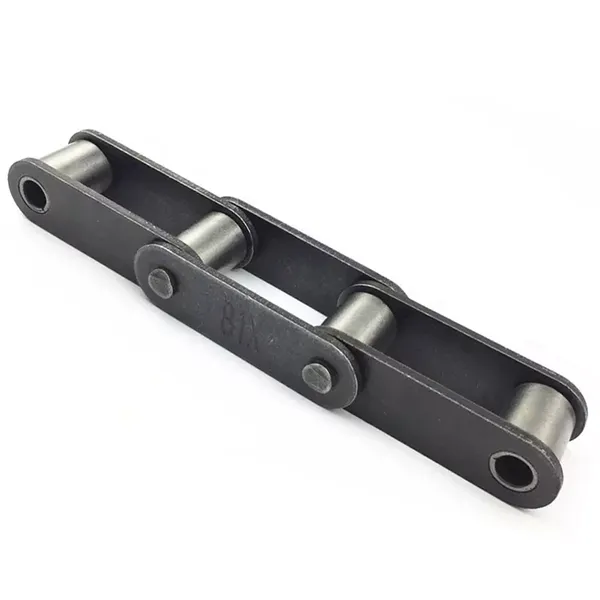
Drop forged lin chain and Engineer Class Driving Chain, with alloy steel and stainless steel selection according to your requirement
1, Chain types: drop forged rivetless chain, Roller Chain, conveyor chain, agricultural chain, sugar industry chain, palm oil industry chain, asphalt industry chain,elevator conveyor industry chain, double flex chain, pintle chain, weld steel drag chains, malleable chain etc;
2, Main materials: It is 40Mn. 40Cr, 45Mn alloy steel or SUS304 for plates, 10#, 20#, 20CrMnMo, 30CrMnTi for pins and rollers;
3, Heat treatment: Carburizing, Austemper Stressing, nitro-caburizing harden etc;
4, Surface: Shot peening, black, blue or original;
5, Package way: Plastic bag+ carton box+ plywood case
صور تفصيلية
معايير المنتج
التعبئة والتغليف والشحن
1. Inner packing: Poly bag, air bubble bag, carton according to buyer’s request.
2. Outer packing: OSB case or pallet.
3. Please remember to leave the correct contact ADDRESS information for delivery.
مزايانا
نبذة عن الشركة
We are a leading manufacturer of mechanical transmission spare parts, as well as several years 1 of reliable and trustworthy vendors. Our main items are roller chain, conveyor chain, agricultural chain, sugar industry chain, palm oil industry chain, asphalt industry chain,elevator conveyor industry chain etc.
At present, For South American, European, and Asian market, our superior products are fabricated according to your requirement and our quality meets ISO, ASME, DIN standard.
Please watch our process steps as below
(1) punch its outer plate and inner plates
(2)Shot peening workshop
(3) heat treatment workshop
(4) assembly preparation
(5) pins process
(6) Tensile Properties Test before shipment
After Sales Service
Our products can be repaired or replaced the new parts with free cost in six months.
التعليمات
Question:
1.Q:How about mould cost?
A: primarily depend on : 1.Drawing, 2.material, 3.weight and quantity.
We need to know the structure of each parts to analyze the mold solution by:
1) –Complete design drawing, product model or actual sample —– the best way
–PDF drawing with complete dimension for each parts
–Clearly photos for each parts with more angle-views to show every features.
2)The materials, technical parameters and surface treatments.
technical parameters: tell us about its model, pitch, roller diameter, width between inner plates, attachment type, outside drawing etc.
3)The quantity of order.
2.Q:How to control the product processing?
A: The processing report or pictures will be sent to the customer every week/ each month for review.
3.Q:Who will own the mould?
A:Customer, also the mould can be kept in our factory for future order.
4.Q:How long do you make your quotation?
A:After receiving detail informations we will quote in 1 to 3 days.
5.Q: MOQ? —
small chain type: if its pitch is less than 38.10mm and its thickness is less than 5mm, MOQ is 1500 CHINAMFG on these roller chains or conveyor chains;
middle chain type: if its pitch belongs (38.10mm
big chain type: if its pitch is more than 76.20mm and its thickness is more than 10mm, MOQ is 200 CHINAMFG on these roller chains or conveyor chains;
I hope we can do business together, and look CHINAMFG to hearing from you soon
/* 22 يناير 2571 19:08:37 */!function(){function s(e,r){var a,o={};try{e&&e.split(“,").forEach(function(e,t){e&&(a=e.match(/(.*?):(.*)$/))&&1
| مادة: | سبيكة |
|---|---|
| بناء: | سلسلة مركبة |
| معالجة السطح: | Shop Peening |
| حجم السلسلة: | 76.60inch |
| ميزة: | مقاوم للحرارة |
| Pitch: | 76.60mm |
| أمثلة: |
US$ 15.82/Piece
قطعة واحدة (الحد الأدنى للطلب) | |
|---|
| التخصيص: |
متاح
| طلب مخصص |
|---|

ما هي الاعتبارات التي يجب مراعاتها عند اختيار سلسلة ناقلة مقاومة للتآكل؟
When selecting a corrosion-resistant conveyor chain, several considerations should be taken into account to ensure optimal performance and longevity in corrosive environments. Here are the key factors to consider:
– Material Selection:
Choose a conveyor chain material that is resistant to the specific corrosive agents present in the environment. Stainless steel, plastic, and special coatings such as zinc or nickel plating are commonly used for their corrosion resistance properties.
– Corrosion Resistance Ratings:
Review the corrosion resistance ratings of different chain materials and coatings. Look for industry standards such as ASTM or ISO ratings that indicate the material’s resistance to specific corrosive substances or environmental conditions.
– Environmental Factors:
Consider the specific environmental factors that contribute to corrosion, such as humidity, temperature, presence of chemicals or solvents, and exposure to saltwater or acids. Evaluate how these factors may impact the chain’s corrosion resistance requirements.
– Coating or Surface Treatment:
If using a metal chain, consider applying additional coatings or surface treatments to enhance its corrosion resistance. Options may include electroplating, powder coating, or using specialized anti-corrosion coatings.
– Compatibility with Cleaning Methods:
Ensure that the selected chain material is compatible with the cleaning methods and chemicals used in the application. Some corrosive-resistant materials may require specific cleaning procedures to maintain their performance and longevity.
– Operational Considerations:
Take into account the load capacity, speed, and operational requirements of the conveyor system. Ensure that the corrosion-resistant chain can withstand the mechanical stresses and operational demands without compromising its corrosion resistance properties.
– Cost-Effectiveness:
Weigh the initial cost and long-term benefits of using a corrosion-resistant conveyor chain. While corrosion-resistant materials may have a higher upfront cost, they can significantly reduce maintenance, replacement, and downtime costs associated with corrosion-related failures.
By considering these factors, you can select a corrosion-resistant conveyor chain that is well-suited for the specific corrosive environment, ensuring reliable and durable performance in applications such as chemical processing, food production, wastewater treatment, or outdoor environments.
ما هي الاتجاهات والتطورات المستقبلية في تكنولوجيا سلاسل النقل؟
يشهد مجال تكنولوجيا سلاسل النقل تطوراً مستمراً، مدفوعاً بالحاجة إلى تحسين الكفاءة والإنتاجية والاستدامة. فيما يلي بعض الاتجاهات والتطورات المستقبلية في تكنولوجيا سلاسل النقل:
1. الأتمتة والروبوتات: يُعدّ دمج سلاسل النقل مع أنظمة الأتمتة والروبوتات اتجاهاً متنامياً. ويشمل ذلك استخدام أجهزة استشعار متطورة، ورؤية آلية، وذكاء اصطناعي لتمكين التشغيل الذاتي، وتحديد المواقع بدقة، ومناولة المواد بكفاءة.
٢. الأنظمة الذكية والمتصلة: تتزايد ترابط سلاسل النقل عبر تقنية إنترنت الأشياء (IoT). يتيح ذلك المراقبة الآنية، وجمع البيانات، وتحليل مختلف معايير الأداء مثل تآكل السلسلة، والشد، ودرجة الحرارة، واستهلاك الطاقة. يمكن للأنظمة الذكية تحسين جداول الصيانة، والكشف عن الأعطال المحتملة، ورفع كفاءة النظام بشكل عام.
3. مواد خفيفة الوزن وعالية المتانة: يُعدّ تطوير مواد خفيفة الوزن وعالية المتانة محورًا رئيسيًا في تكنولوجيا سلاسل النقل. توفر السبائك المتقدمة والمواد المركبة والبلاستيك المُهندس نسبًا محسّنة بين القوة والوزن، مما يقلل من استهلاك الطاقة ويزيد من قدرة تحمل أنظمة النقل.
4. كفاءة الطاقة: تُعدّ كفاءة الطاقة أحد الاعتبارات الرئيسية في تصميم سلاسل النقل. وتهدف التطورات المستقبلية إلى تقليل استهلاك الطاقة إلى أدنى حدّ ممكن من خلال استخدام أنظمة قيادة فعّالة، وأنظمة كبح متجددة، وخوارزميات تحكم ذكية تُحسّن من سرعة وتسارع الحركة. كما يمكن لتقنيات استعادة الطاقة، مثل أنظمة القيادة المتجددة، التقاط الطاقة وإعادة استخدامها أثناء التباطؤ أو الكبح.
5. الاستدامة والمراعاة البيئية: تتجه تكنولوجيا سلاسل النقل نحو حلول أكثر استدامة وصديقة للبيئة. ويشمل ذلك استخدام مواد صديقة للبيئة، وتقنيات تشحيم محسّنة لتقليل الأثر البيئي، واعتماد مكونات وأنظمة موفرة للطاقة. كما تكتسب مفاهيم إعادة التدوير والاقتصاد الدائري أهمية متزايدة في تصميم وتصنيع سلاسل النقل.
٦. مراقبة التآكل المتقدمة والصيانة التنبؤية: يكمن مستقبل تكنولوجيا سلاسل النقل في أنظمة مراقبة التآكل المتقدمة التي يمكنها التنبؤ بدقة بالعمر المتبقي للسلاسل والمكونات. وهذا يُمكّن من التخطيط الاستباقي للصيانة ويقلل من وقت التوقف غير المخطط له. تقوم خوارزميات الصيانة التنبؤية بتحليل البيانات المُجمّعة من أجهزة الاستشعار وتُقدّم تنبيهات في الوقت المناسب لاستبدال السلسلة أو إصلاحها.
هذه مجرد أمثلة قليلة على التوجهات والتطورات المستقبلية في تكنولوجيا سلاسل النقل. ومع استمرار التقدم التكنولوجي، نتوقع المزيد من الابتكارات التي تعزز الأداء والكفاءة والموثوقية والاستدامة في أنظمة النقل.
What industries commonly use conveyor chains?
Conveyor chains are widely used in various industries for efficient material handling and transportation. Here are some of the industries commonly using conveyor chains:
- Manufacturing: Conveyor chains are extensively used in manufacturing industries such as automotive, electronics, appliances, and machinery. They facilitate the movement of components, parts, and finished products along assembly lines.
- Food and Beverage: The food and beverage industry relies heavily on conveyor chains for conveying and processing food products, including packaging, sorting, and distribution. Conveyor chains in this industry often have specific requirements such as sanitary design and resistance to contaminants.
- Logistics and Warehousing: Conveyor chains are integral to logistics and warehousing operations for efficient handling of goods, including sorting, loading, unloading, and distribution. They are commonly used in distribution centers, airports, and postal facilities.
- Mining and Quarrying: Conveyor chains play a crucial role in mining and quarrying operations by transporting bulk materials such as coal, ore, gravel, and aggregates. They are designed to withstand heavy loads and harsh environments.
- Agriculture: In the agricultural sector, conveyor chains are used for handling crops, grains, seeds, and livestock feed. They are employed in processing plants, grain elevators, and animal feed production facilities.
- Automotive: The automotive industry extensively uses conveyor chains in assembly plants for transporting vehicle components, body frames, engines, and other parts throughout the production process.
- Pharmaceutical and Healthcare: Conveyor chains are utilized in pharmaceutical and healthcare facilities for the automated movement of medical supplies, pharmaceutical products, and laboratory specimens.
- Chemical and Petrochemical: Conveyor chains are employed in chemical and petrochemical industries for the handling of hazardous materials, bulk chemicals, and raw materials during production and storage.
- Construction and Building Materials: Conveyor chains are used in construction sites and building material production facilities for conveying materials such as cement, bricks, aggregates, and roofing materials.
These are just a few examples, and conveyor chains are also utilized in many other industries where efficient material handling and transportation are essential for the production and distribution processes.


editor by CX 2024-04-19