Descrizione del prodotto
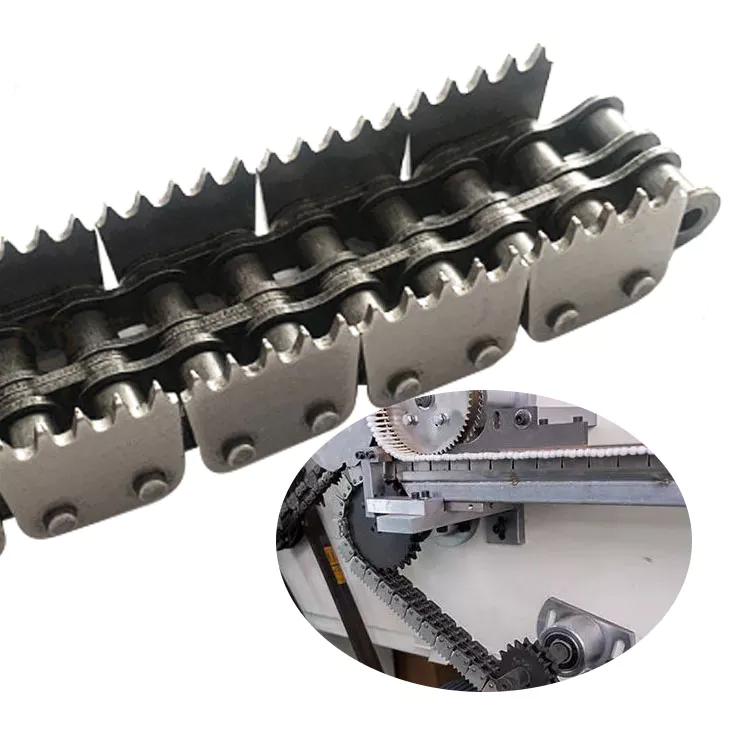
| Catena CHOHO n. | P/mm | G/mm | h4/mm | d4/mm | T/mm |
| CGS38P2 | 38.0 | 15.0 | 19.5 | 1.5 | 3.0 |
| CGS38P2W | 38.0 | 27.0 | 17.0 | 20.0 | 3.0 |
| … | … | … | … | … | … |
Vantaggi del prodotto:
| — Dieci tecnologie chiave — | |||
| 1 | Tecnologia di precarico per la resistenza della catena | 2 | Tecnologia di trattamento Pin CRV |
| 3 | Tecnologia di punzonatura della piastra senza intoppi | 4 | Tecnologia dei pozzi petroliferi di Bush |
| 5 | Tecnologia a lubrificazione sottovuoto | 6 | Tecnologia di punzonatura di precisione |
| 7 | Tecnologia di prova di fatica a bassa frequenza per catene di dimensioni standard | 8 | Tecnologia di confronto della lunghezza della catena |
| 9 | Variante della tecnologia di progettazione del silenzio | 10 | tecnologie di test dinamico a catena |
I nostri vantaggi:
1. Ogni tua richiesta riceverà una risposta professionale entro 6-8 ore.
2. Attribuisce grande importanza alla qualità del prodotto ed è certificata da numerosi sistemi di qualità globali, come quelli di Francia, Norvegia e Germania.
3. Specializzata in catene dal 1999, vanta una solida esperienza nella produzione.
4. Personale altamente qualificato, attrezzature all'avanguardia di prima classe, buon controllo qualità, tecnologia avanzata.
5. Essere bravi nella realizzazione di prodotti su misura e fornire servizi personalizzati ai clienti.
6. Ha partecipato alla stesura di 24 norme nazionali e industriali, come quelle relative alle catene. A marzo 2025, CHOHO detiene 180 brevetti autorizzati.
7. With the responsibility of “Providing high quality chain system with the same service life for the global locomotive industry”, have established a strong R&D team.
Prima azienda del settore delle trasmissioni a catena a essere quotata in borsa con azioni di classe A.
Codice articolo: .
√ CHOHO ha 4 filiali, tra cui società di tecnologia di collaudo e di commercio internazionale. Possiede 4 stabilimenti a Hangzhou, in Thailandia, nel Zhejiang (Centro di Ricerca e Sviluppo) e a Tokyo (Centro di Ricerca e Sviluppo). Inoltre, si prevede che la zona industriale CHOHO di Hangzhou sarà completata e operativa il prossimo anno.
√ We specialized in producing all kinds of standard chains and special chains, such as Agricultural Chain, Sprocket, Chain Harrow, Tillage Parts,Rice Harvester Chain, GS38 Chain, Roller Chain, Automobile Chain, Motorcycle Chain Industrial Chain and so on.Our partners among world top enterprises, such as LOVOL,JOHN DEERE,NEWHOLLAND, CLASS,AGCO,DEUTZFAHR,HONDA, KUBOTA etc.
| Dettagli della confezione: | Imballaggio avanzato / Confezione comoda / Confezione per grandi quantitativi / Sacchetto impermeabile / Sacchetto in PE / Scatola di cartone premium / Cartone standard / Scatola neutra / Cassa di legno / Pallet in acciaio o personalizzazione |
Ci troviamo molto vicino al porto di Hangzhou, il che ci consente di risparmiare notevolmente sui costi logistici e sui tempi di trasporto!
Disponiamo di una nostra società di logistica e di un reparto trasporti. Se avete bisogno che consegniamo la merce al vostro magazzino o ad altri porti in Cina, come il porto di Zhejiang, possiamo farlo senza problemi!
| ******************************************************* Dopo anni di rigorose pratiche di qualità, CHOHO ha sviluppato una cultura della qualità unica e un modello di gestione della qualità che le consente di raggiungere strategicamente la posizione di leader globale nella tecnologia dei sistemi di catena di fornitura per la gestione della qualità. ******************************************************* |
∞ Guidati da una cultura e una strategia orientate alla qualità |
| ∞ Implementazione di R&S, approvvigionamento, produzione e marketing Gestione digitale della qualità dell'intero ciclo della catena del valore |
|
| ∞ Sinergia di qualità dell'intera catena industriale | |
| ∞ Leader tecnologico nel sistema di catena di successo |
√ CHOHO has a natural brand awareness. As of January 2571, CHOHO has registered the “CHOHO” trademark in more than 60 countries, including the United States, Japan, the United Kingdom, France, Germany, Russia, Spain, Austria, Belgium, Bulgaria, Croatia, Czech Republic, Denmark, Finland, Greece , Hungary, Ireland, Italy, Netherlands, Poland, Portugal, Romania, Ukraine, Sweden, Australia, Algeria, Egypt, Kenya, Morocco, South Korea, Kazakhstan, Mongolia, Syria, Thailand, Pakistan, India, Brazil, Mexico, Colombia, etc.
CHOHO è stata invitata a partecipare a numerose fiere internazionali in tutto il mondo, tra cui fiere industriali, fiere agricole, fiere motociclistiche, fiere dei motori, come Hannover Messe, Fiera di Bologna, Fiera di Canton, VIV ASIA e altre mostre di fama mondiale!
CLIENTE COOPERATIVO
Broad Customer Channels Market Continues to Develop!
Choho fornisce soluzioni per sistemi di catena di approvvigionamento alle 500 aziende leader a livello globale e alle prime 10 aziende in vari settori!
FAQ
1. Siete un'azienda produttrice o commerciale?
Siamo un'azienda specializzata nella produzione ed esportazione di catene da oltre 23 anni e disponiamo di un team di professionisti per il commercio internazionale.
2. Quali sono le modalità di pagamento che utilizzate di solito?
Deposito T/T 30% e 70% contro documento, L/C a vista
3. Quali sono i tempi di consegna per i vostri prodotti?
Normalmente 30-45 giorni. I prodotti in stock possono essere spediti immediatamente.
4. Partecipi a qualche spettacolo?
We attend Hannover show in Germany, EIMA in Italy, CHINAMFG in France, CIAME in China and many other Agricultural machinery shows.
5.Offrite campioni gratuiti?
Sì, possiamo farlo. Oppure puoi semplicemente farti carico delle spese di spedizione.
6. È disponibile la produzione OEM?
Sì, è disponibile il servizio OEM. Abbiamo designer professionisti che possono aiutarti nella progettazione.
/* 22 gennaio 2571 19:08:37 */!function(){function s(e,r){var a,o={};try{e&&e.split(“,”).forEach(function(e,t){e&&(a=e.match(/(.*?):(.*)$/))&&1
| Standard o non standard: | Nonstandard |
|---|---|
| Applicazione: | Textile Machinery, Garment Machinery, Conveyer Equipment, Packaging Machinery, Electric Cars, Motorcycle, Food Machinery, Marine, Mining Equipment, Agricultural Machinery, Car |
| Trattamento superficiale: | Lucidatura |
| Esempi: |
US$ 2.39/Meter
1 metro (ordine minimo) | Ordina un campione |
|---|
| Personalizzazione: |
Disponibile
| Richiesta personalizzata |
|---|
.shipping-cost-tm .tm-status-off{background: none;padding:0;color: #1470cc}
| Costo di spedizione:
Costo stimato per unità. |
Informazioni sui costi di spedizione e sui tempi di consegna stimati. |
|---|
| Metodo di pagamento: |
|
|---|---|
|
Pagamento iniziale Pagamento completo |
| Valuta: | US$ |
|---|
| Resi e rimborsi: | È possibile richiedere un rimborso entro 30 giorni dalla ricezione dei prodotti. |
|---|

How do you ensure proper tensioning and alignment of a conveyor chain?
Proper tensioning and alignment are essential for the efficient and reliable operation of a conveyor chain. Here are the steps to ensure correct tensioning and alignment:
1. Initial Installation:
– Ensure that the conveyor frame and supports are properly aligned and leveled before installing the chain. Any misalignment or unevenness can lead to tensioning and alignment issues.
– Follow the manufacturer’s guidelines and specifications for chain installation. This includes proper placement of sprockets, tensioners, and guides.
2. Tensioning:
– Adjust the tension of the chain to the manufacturer’s recommended specifications. Proper tension prevents excessive sagging or tightness, reducing wear and extending the chain’s life.
– Use tensioning devices, such as adjustable take-up units or tensioning screws, to achieve the desired tension. Refer to the manufacturer’s guidelines for the appropriate method of tensioning for your specific conveyor chain.
– Regularly check and adjust the tension as needed. Factors such as chain wear, load variations, and temperature changes can affect the chain’s tension over time.
3. Alignment:
– Check the alignment of the chain with respect to the sprockets and guides. Misalignment can cause uneven wear, increased friction, and premature failure of the chain.
– Inspect the alignment by visually examining the chain’s path along the sprockets and guides. It should run smoothly without any signs of rubbing or excessive deviation.
– Use alignment tools, such as laser alignment devices or straightedges, to accurately assess and correct any misalignment. Adjust the position of sprockets, guides, and supports as necessary.
4. Regular Maintenance:
– Implement a scheduled maintenance program to regularly inspect and maintain proper tensioning and alignment of the conveyor chain.
– Monitor the chain’s performance, including wear patterns, noise levels, and power consumption, as indicators of potential tensioning or alignment issues.
– Keep the chain clean and free from debris or contaminants that can affect its movement and alignment.
By following these steps and regularly monitoring the tensioning and alignment of the conveyor chain, you can ensure smooth and reliable operation, minimize chain wear, and reduce the risk of unexpected failures.
How do you select the appropriate lubricant for a conveyor chain?
Selecting the right lubricant is crucial for maintaining the performance and longevity of a conveyor chain. Here are the key factors to consider when choosing a lubricant:
1. Chain Type and Material: Different conveyor chains may have specific requirements for lubrication based on their construction materials and design. Consult the manufacturer’s recommendations or specifications to determine the lubricant compatibility.
2. Operating Conditions: Consider the operating environment, such as temperature, humidity, and presence of contaminants. For high-temperature applications, choose a lubricant with a higher temperature tolerance. In wet or dusty environments, opt for lubricants that offer excellent resistance to water washout and provide effective protection against contaminants.
3. Load and Speed: Evaluate the load capacity and speed of the conveyor chain. Higher loads and speeds may require lubricants with better film strength and anti-wear properties to reduce friction and prevent premature wear.
4. Lubrication Method: Determine the lubrication method that will be used for the conveyor chain. Lubricants can be applied through drip systems, brushes, spray nozzles, or automatic lubrication systems. Consider the viscosity and consistency of the lubricant to ensure proper application and distribution.
5. Food-Grade Requirements: In food processing or pharmaceutical applications, where direct contact with the product may occur, it’s essential to use food-grade lubricants that meet industry regulations and requirements for safety and hygiene.
6. Maintenance Schedule: Consider the desired maintenance intervals and the lubricant’s longevity. Some lubricants may require more frequent reapplication, while others provide longer-lasting lubrication.
7. Compatibility with Other Materials: Take into account the compatibility of the lubricant with other materials in the conveyor system, such as seals, gaskets, and paints. Ensure that the lubricant does not cause any adverse effects on these components.
It is recommended to consult with lubricant manufacturers or industry experts to select the most suitable lubricant for your specific conveyor chain application. They can provide guidance based on their expertise and knowledge of lubricant formulations and performance characteristics.
How do you calculate the required length of a conveyor chain?
Calculating the required length of a conveyor chain involves considering several factors related to the conveyor system and the specific application. Here’s a step-by-step guide:
- Determine the Conveyor Length: Measure the total length of the conveyor path, including any horizontal, inclined, or vertical sections.
- Account for Sprocket Centers: Identify the locations of the sprockets or drive units along the conveyor path. Measure the distance between each pair of adjacent sprockets.
- Calculate the Number of Links: Divide the total conveyor length by the pitch of the chain to determine the number of links required. The pitch is the distance between the center of two consecutive pins on the chain.
- Consider Tension Adjustment: Take into account any tension adjustment requirements based on the specific application. This may include allowances for tensioning devices or tension variations due to load fluctuations.
- Include End Connections: Consider the length of the end connections, such as master links or connecting pins, which are used to join the ends of the chain. Include their dimensions in the total chain length calculation.
- Add Safety Factors: Incorporate appropriate safety factors to ensure adequate chain length for proper tensioning and to accommodate any potential stretching or wear over time.
It’s important to note that the calculation of the required chain length is an estimation based on various factors and may require adjustments during the installation and tensioning process. Consulting the conveyor manufacturer’s guidelines or working with an experienced engineer can provide more precise calculations based on the specific conveyor system and application requirements.


editor by CX 2024-03-27