製品説明
詳細写真
製品パラメータ
| タイプ | 頑丈な鉱山用平床トラック連結装置 | 軽作業用鉱山用平床トラック接続 デバイス | ||
| モデル | BRLJφ130-60/DK | BRLJφ130-60/SK | BRLJφ90-35/DK | BRLJφ90-35/SK |
| BRLJφ130-60/DMK | BRLJφ130-60/SMK | |||
| BRLJφ130-60/DMK-01 | ||||
| 接続ヘッドの直径 | 130mm | 90mm | ||
| コネクティングロッドの直径 | 60mm | 35mm | ||
| 中心距離 | 500~3000mm(カスタマイズ対応) | 500~750mm | ||
| 定格牽引力 | 140kN | 67KN | ||
| ブレーキングロード | ≥1400KN | ≥670KN | ||
| 適用勾配 | ≤12° | ≤24° | ≤12° | ≤24° |
製品説明
鉱山用平床トラック用のハードカップリング装置は、上り坂、下り坂、旋回など、地下トンネル内の複雑で変化に富んだ輸送条件に対応できます。多車両輸送時にソフトカップリングが原因で発生する車両間の衝突問題を克服し、通常のハードカップリング使用時に発生する上り坂、下り坂、旋回時の前方の浮き上がり、後方の圧縮、および逸脱による事故の欠点を解決します。特殊なユニバーサルジョイント構造と加工技術を採用し、仕様が充実しており、シングルヘッドとダブルヘッドの2種類があり、凹面構造と凸面構造を備えています。0~±24°の傾斜範囲内で、様々なタイプの鉱山車両の使用に対応できます。高い牽引力(通常の3リンクリングの1.75倍)、優れた柔軟性、幅広い用途、安全性、実用性、信頼性などの利点があります。
資格認定
会社概要
よくある質問
Q:御社は商社ですか、それとも製造業者ですか?
A:はい、弊社は工場であり、すべての機械は自社で製造しており、お客様のご要望に応じてカスタマイズサービスを提供できます。
Q:機械を受け取った後の設置手順書はありますか?
A:
1. 本機には1年間の保証が付いています。
2.製品カタログと取扱説明書を送付してください。
3. ご質問がございましたら、オンラインでお問い合わせいただくか、メールをお送りください。すぐに返信させていただきます!
4. 直接のお電話やご訪問も大歓迎です。
サービスの販売:
1. 私たちは誠実かつ公正な対応をお約束します。お客様の購買コンサルタントとしてお役に立てることを光栄に思います。
2. 当社は、納期厳守、品質、数量を契約条件を厳守して保証します。
/* 2571 年 1 月 22 日 19:08:37 */!function(){function s(e,r){var a,o={};try{e&&e.split(“,”).forEach(function(e,t){e&&(a=e.match(/(.*?):(.*)$/))&&1
| アフターサービス: | 1年 |
|---|---|
| 保証: | 1年 |
| 仕上げる: | 黒く塗装された |
| 構造: | 溶接済み |
| 関数: | マイニングカーコネクション |
| カスタマイズ: | カスタマイズ可能 |
| カスタマイズ: |
利用可能
| カスタマイズされたリクエスト |
|---|

Can a conveyor chain be used in extreme temperature environments?
Yes, conveyor chains can be designed and manufactured to withstand extreme temperature environments. The suitability of a conveyor chain for high or low-temperature applications depends on the material composition and construction of the chain.
1. High-Temperature Environments: For applications involving high temperatures, conveyor chains made of heat-resistant materials such as stainless steel or special alloys are commonly used. These chains can withstand elevated temperatures without significant deformation or loss of strength. They are designed to resist oxidation, corrosion, and thermal expansion, ensuring reliable performance in hot environments.
2. Low-Temperature Environments: Similarly, conveyor chains can also be engineered for low-temperature applications. In cold environments, chains made of materials that remain ductile and strong at low temperatures are utilized. These chains are designed to withstand the effects of cold temperatures without becoming brittle or losing their mechanical properties.
It’s important to consult with conveyor chain manufacturers or experts who specialize in extreme temperature applications to select the most suitable chain material and design. They can provide guidance on factors such as material selection, lubrication, and operational considerations to ensure the conveyor chain performs effectively and reliably in extreme temperature environments.
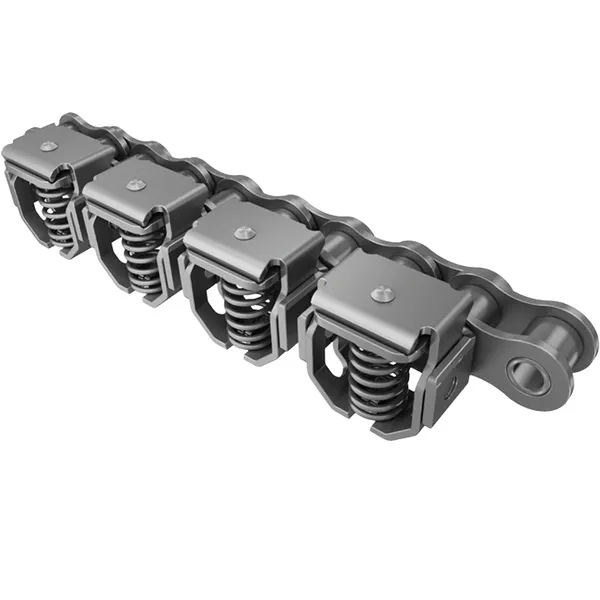
What are the best practices for storing and handling conveyor chains?
Proper storage and handling of conveyor chains are essential to maintain their performance, prevent damage, and prolong their lifespan. Here are some best practices to consider:
1. Clean and dry storage area: Store conveyor chains in a clean and dry environment to prevent the accumulation of dirt, dust, moisture, or contaminants that can affect their performance and cause corrosion.
2. Adequate support: Ensure that the stored conveyor chains are properly supported to prevent excessive bending or deformation. Use pallets, racks, or designated storage containers that can accommodate the weight and length of the chains.
3. Avoid excessive heat or cold: Conveyor chains should be stored in an area with a moderate temperature range to avoid extreme heat or cold that can affect the material properties or lubrication of the chains.
4. Protection against impacts and vibrations: Protect the stored chains from impacts or excessive vibrations that can cause damage or deformation. Use suitable packaging or covers to shield the chains from any potential physical damage.
5. Lubrication: Apply a thin layer of appropriate lubricant to the chains before storage to prevent corrosion and maintain their smooth operation. Follow the manufacturer’s recommendations for lubrication type and quantity.
6. Regular inspections: Periodically inspect the stored conveyor chains to ensure there are no signs of damage, corrosion, or deformation. If any issues are identified, take appropriate actions such as cleaning, lubricating, or replacing the chains.
7. Proper handling techniques: When handling conveyor chains, use appropriate lifting equipment or tools to avoid excessive strain or bending. Avoid dragging or dropping the chains, as this can cause damage to the chain links or attachments.
8. Training and awareness: Provide training to personnel involved in handling and storing conveyor chains to ensure they understand the proper procedures and best practices. Promote awareness of the importance of careful handling and storage to prevent accidents and maintain chain integrity.
By following these best practices, you can ensure the longevity and reliable performance of your conveyor chains, reducing the risk of downtime and costly repairs.
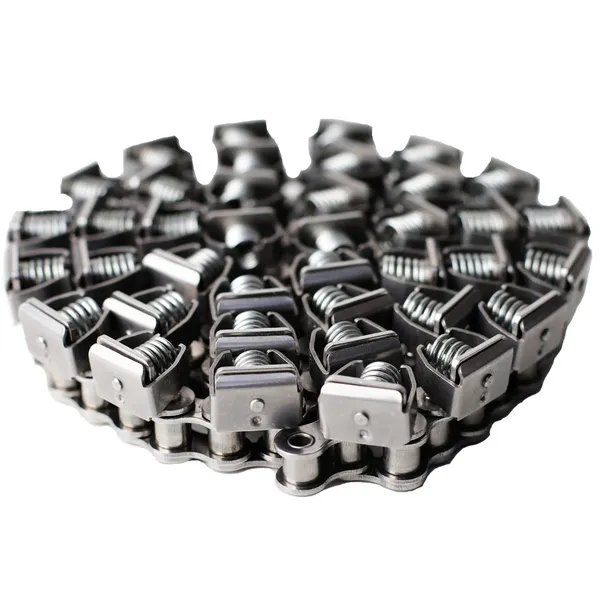
コンベアチェーンの耐荷重はどれくらいですか?
コンベヤチェーンの耐荷重は、チェーンの設計、材質、サイズ、運転条件など、さまざまな要因によって決まります。コンベヤチェーンの耐荷重を決定する際には、具体的な用途要件を考慮することが非常に重要です。以下に、考慮すべき主な要因をいくつか示します。
- チェーン設計: コンベヤチェーンには様々な種類があり、それぞれ耐荷重が異なります。チェーンの設計には、リンクの種類、構成、アタッチメントやローラーの有無といった要素が含まれます。
- 材料: コンベヤチェーンの製造に使用される材料は、その耐荷重能力に大きく影響します。一般的な材料としては、鋼、ステンレス鋼、プラスチックなどがあります。鋼製のチェーンは一般的に頑丈で、より高い耐荷重能力を備えています。
- チェーンサイズ: コンベヤチェーンのサイズ(ピッチと幅を含む)は、耐荷重を決定する上で重要な要素となります。リンク幅の広い大型チェーンほど、耐荷重が高くなる傾向があります。
- 動作条件: コンベアの速度、搬送される材料の種類と重量、環境条件(温度、湿度など)といった要因は、チェーンの耐荷重能力に影響を与える可能性があります。
- メーカー仕様: 使用するコンベヤチェーンの種類に応じて、製造元の仕様書やガイドラインを確認することが不可欠です。製造元は通常、チェーンの設計に基づいた耐荷重表やチャートを提供しています。
コンベヤチェーンの耐荷重は、通常、最大許容使用荷重または破断強度で規定されます。これらの値は、厳密な試験と工学的計算によって決定されます。安全かつ効率的な運転を確保するためには、用途に適した耐荷重を持つコンベヤチェーンを選択することが重要です。推奨耐荷重を超えると、早期摩耗、チェーンの破損、および潜在的な安全上の危険につながる可能性があります。


editor by CX 2024-05-02