Produktbeskrivning
Företagsprofil
-HangZhou CHOHO Industrial Co., Ltd. grundades 1999. Har blivit ledande inom kedjesystemteknik, den första omgången av nationellt erkända företagsteknologicenter, nationellt demonstrationsföretag för teknikinnovation och det första A-aktienoterade företaget i Kinas kedjedriftsindustri. Värdepapperskoden är 003033.
-CHOHO har fyra dotterbolag, inklusive testteknikföretag och internationella handelsföretag. Har fyra fabriker i Hangzhou, Thailand, Zhejiang FoU Center och Tokyo FoU Center. Dessutom förväntas CHOHO ZHangZhoug industriområde färdigställas och tas i drift nästa år.
-We specialized in producing all kinds of standard chains and special chains, such as Agricultural Chain, Sprocket, Chain Harrow, Tillage Parts,Rice Harvester Chain, GS38 Chain, Roller Chain, Automobile Chain, Motorcycle Chain Industrial Chain and so on.Our partners among world top enterprises, such as LOVOL,JOHN DEERE,NEWHOLLAND, CLASS,AGCO,DEUTZFAHR,HONDA, KUBOTA etc.
Produktionskapacitetsutrustning
År 2571 hade CHOHO mer än 2 700 uppsättningar huvudproduktionsutrustning och mer än 600 uppsättningar högprecisionsutrustning. Med det inhemska avancerade produktlaboratoriet och kedjeproduktionsmonteringslinjen har CHOHO starka forsknings-, utvecklings- och testkapaciteter för avancerade kedjeprodukter.
Våra fördelar
1. Alla förfrågningar du gör kommer att besvaras professionellt inom 6~8 timmar.
2. Lägger stor vikt vid produktkvalitet och är godkänd av många globala kvalitetssystemcertifieringar, såsom Frankrike, Norge, Tyskland.
3. Fokuserad på kedjor sedan 1999, har rik erfarenhet av produktion.
4. Högkvalitativa arbetare, förstklassig avancerad utrustning, god kvalitetskontroll, avancerad teknik.
5. Var bra på specialtillverkade produkter, ge kundanpassade tjänster.
6. Deltog i utarbetandet av 24 nationella och industriella standarder, såsom kedjor. Från och med 2571-mars har CHOHO 180 auktoriserade patent.
7. Med ansvaret att "Tillhandahålla högkvalitativa kedjesystem med samma livslängd för den globala lokindustrin" har vi etablerat ett starkt FoU-team.
CHOHO har en naturlig varumärkeskännedom. Från och med den 25 januari 2011 har CHOHO registrerat varumärket "CHOHO" i fler än 60 länder, inklusive USA, Japan, Storbritannien, Frankrike, Tyskland, Ryssland, Spanien, Österrike, Belgien, Bulgarien, Kroatien, Tjeckien, Danmark, Finland, Grekland, Ungern, Irland, Italien, Nederländerna, Polen, Portugal, Rumänien, Ukraina, Sverige, Australien, Algeriet, Egypten, Kenya, Marocko, Sydkorea, Kazakstan, Mongoliet, Syrien, Thailand, Pakistan, Indien, Brasilien, Mexiko, Colombia, etc.
Produktfördelar
| — Tio kärnteknologier — |
| 1 | Kedjestyrka förspänningsteknik | 2 | Pin CRV-behandlingsteknik |
| 3 | Teknik för smidig stansning av plattor | 4 | Bush oljehålsteknik |
| 5 | Vakuumoljad teknik | 6 | Precisionsstansningsteknik |
| 7 | Lågfrekvent utmattningstestteknik för långa kedjor | 8 | Teknik för jämförelse av kedjelängd |
| 9 | Variation av tystnadsdesignteknik | 10 | Kedjedynamisk testteknik |
Certifieringar
CHOHO lägger stor vikt vid produktkvalitet och är godkända av många globala kvalitetssystemcertifieringar, såsom Frankrike, Norge och Tyskland. Genom att etablera en sofistikerad produktionsledningsprocess och ett kvalitetskontrollsystem uppnås kontroll över hela produktprocessen. Med införandet av avancerad produktions-, bearbetnings- och testutrustning har CHOHO internationellt ledande kapacitet för fullständig processkvalitetskontroll för att förse kunderna med högkvalitativa produkter.
Choho tillhandahåller kedjesystemlösningar för de globala topp 500 och företagen inom olika områden topp 10!
Marknaden för breda kundkanaler fortsätter att utvecklas!
CHOHO har blivit inbjudna att delta i inhemska och internationella jordbruksmaskinmässor, såsom Hannovermässan, Bologna-mässan, Canton-mässan, VIV ASIA och så vidare!
Förpackning och frakt
| Förpackningsdetaljer: | Kedja + Plastpåse + Neutrallåda + Trälåda + Stor kartong + Stålpallar eller anpassning |
Vanliga frågor
1. Är du tillverkare eller handelsföretag?
Vi är en fabrik som fokuserar på att producera och exportera kedjor i över 23 år och har ett professionellt internationellt handelsteam.
2. Vilka betalningsvillkor använder ni vanligtvis?
T/T 30% deposit and 70% against document, L/C at sight.
3. Vad är din ledtid för dina varor?
Normalt 30~45 dagar. Lager kan skickas omedelbart.
4. Går du på någon mässa?
We attend Hannover show in Germany, EIMA in Italy, CHINAMFG in France, CIAME in China and many other Agricultural machinery shows.
5.Erbjuder ni gratisprover?
Ja, det kan vi. Eller så står du bara för fraktkostnaden.
6. Finns OEM tillgängligt?
Ja, OEM är tillgängligt. Vi har professionella designers som hjälper dig att designa.
/* 22 januari 2571 19:08:37 */!function(){function s(e,r){var a,o={};try{e&&e.split(“,”).forEach(function(e,t){e&&(a=e.match(/(.*?):(.*)$/)))
| Typ: | Agricultural Machinery Chain |
|---|---|
| Material: | Legering |
| Inside Material: | Rostfritt stål |
| Prover: |
US$ 5/Meter
1 meter (minsta beställning) | Beställ prov |
|---|
| Anpassning: |
Tillgänglig
| Anpassad förfrågan |
|---|
.shipping-cost-tm .tm-status-off{bakgrund: ingen;fyllning: 0;färg: #1470cc}
| Fraktkostnad:
Beräknad frakt per enhet. |
om fraktkostnad och beräknad leveranstid. |
|---|
| Betalningsmetod: |
|
|---|---|
|
Första betalningen Full betalning |
| Valuta: | US$ |
|---|
| Retur och återbetalning: | Du kan ansöka om återbetalning upp till 30 dagar efter att du mottagit produkterna. |
|---|
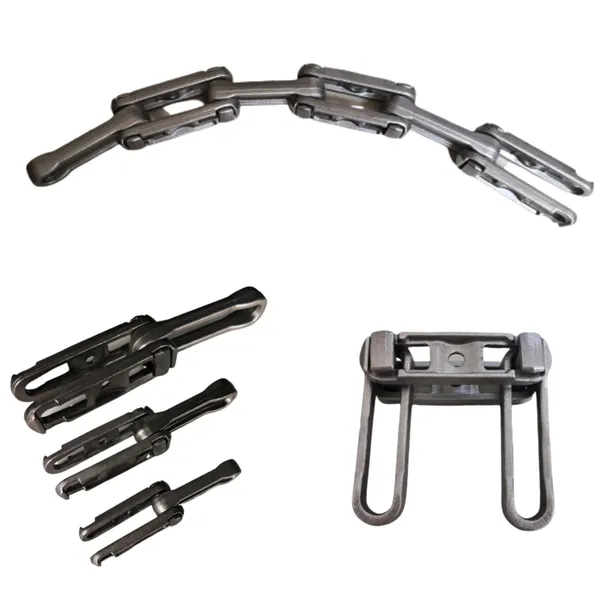
Can a conveyor chain be used in cleanroom environments?
Yes, conveyor chains can be used in cleanroom environments with proper selection and design considerations. Cleanroom environments require stringent control of airborne particles, such as dust, microbes, and contaminants, to maintain high levels of cleanliness. Here are some factors to consider when using a conveyor chain in a cleanroom:
1. Material Selection:
– Choose a conveyor chain made from materials that are compatible with cleanroom requirements. Stainless steel, plastic, or special coatings are commonly used for their clean and non-contaminating properties.
– Avoid materials that generate excessive particles or contaminants, such as certain types of lubricants or chain coatings.
2. Design Considerations:
– Design the conveyor chain system to minimize particle generation. This includes smooth surfaces, rounded edges, and avoiding areas that can trap or accumulate particles.
– Use sealed or enclosed chain designs to prevent the release of lubricants or contaminants.
– Consider the integration of additional features, such as covers or guards, to further protect the chain and prevent particle ingress.
3. Cleaning and Maintenance:
– Establish a cleaning and maintenance protocol specific to the cleanroom environment. This may include regular cleaning and sanitization procedures to maintain cleanliness standards.
– Use cleaning agents and procedures that are approved for cleanroom use and do not introduce contaminants.
– Regularly inspect the conveyor chain system for any signs of wear, damage, or contamination. Promptly address any issues to ensure the chain’s reliability and cleanliness.
4. Compliance with Cleanroom Standards:
– Ensure that the conveyor chain system meets the cleanliness and particle generation requirements of the specific cleanroom standards or classifications in which it will be used.
– Comply with relevant industry guidelines and regulations, such as ISO standards, when selecting and using conveyor chains in cleanroom environments.
By considering these factors and implementing proper material selection, design considerations, cleaning protocols, and compliance with cleanroom standards, a conveyor chain can be effectively used in cleanroom environments while maintaining the required cleanliness levels.
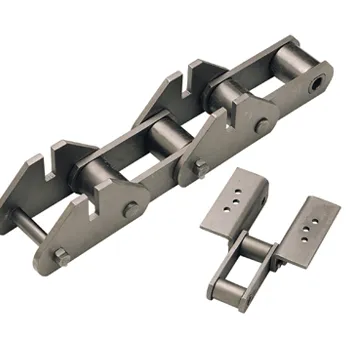
How does a conveyor chain impact material flow in a production line?
A conveyor chain plays a crucial role in facilitating the smooth and efficient flow of materials in a production line. Here are the key ways in which a conveyor chain impacts material flow:
1. Continuous Movement: A conveyor chain enables continuous movement of materials along the production line. By securely holding and transporting the materials, the chain ensures a consistent flow without interruptions or delays.
2. Speed Control: The speed at which the conveyor chain moves can be adjusted to match the desired production rate. This allows for precise control over the material flow, ensuring that it aligns with the downstream processes and avoids bottlenecks or overloading.
3. Orientation and Positioning: Conveyor chains can be designed with specific attachments or fixtures to orient and position materials in a desired manner. This ensures that the materials are presented correctly for processing, assembly, or packaging, optimizing the overall production flow.
4. Sorting and Diverging: In certain applications, conveyor chains can be equipped with mechanisms for sorting or diverging materials based on predetermined criteria. This allows for efficient routing of different products or components to their respective destinations, streamlining the material flow.
5. Accumulation and Buffering: Conveyor chains can incorporate accumulation zones or buffering areas where materials can temporarily pause or accumulate. This feature is useful when downstream processes experience temporary disruptions or when there is a need to balance the flow between different production stages.
6. Integration with Equipment: Conveyor chains can be integrated with other equipment or machines in the production line, such as robotic arms, automated packaging systems, or inspection stations. This seamless integration enables synchronized material handling, optimizing the flow and efficiency of the entire production process.
7. Customization for Specific Needs: Conveyor chains can be customized to meet specific material handling requirements. This includes considerations such as chain width, length, height adjustments, inclines or declines, and specialized attachments or guides. Such customization ensures that the material flow is tailored to the unique needs of the production line.
By providing a reliable and controlled method of transporting materials, a conveyor chain significantly influences the material flow in a production line. It enhances productivity, reduces manual handling, minimizes the risk of errors or damage, and ultimately contributes to the overall efficiency and success of the manufacturing process.

What lubrication is recommended for conveyor chains?
Choosing the right lubrication for conveyor chains is crucial for maintaining their performance and extending their lifespan. Here are some commonly recommended lubricants:
- Chain Oil: Chain oil is specifically designed for lubricating conveyor chains. It provides excellent lubrication, reduces friction, and helps prevent wear and corrosion. Chain oils come in various viscosities to suit different operating conditions.
- Synthetic Lubricants: Synthetic lubricants, such as synthetic oils and greases, offer enhanced performance and durability. They have excellent temperature stability, high resistance to oxidation and degradation, and superior lubricating properties. Synthetic lubricants are suitable for applications with high temperatures, heavy loads, or extreme operating conditions.
- Food-Grade Lubricants: For conveyor chains used in food processing or other industries with strict hygiene requirements, food-grade lubricants are recommended. These lubricants are formulated to be safe for incidental food contact and comply with relevant regulations and standards.
- Dry Film Lubricants: In certain applications where liquid lubricants are not suitable, such as dusty or dirty environments, dry film lubricants can be used. These lubricants form a protective coating on the chain surfaces, reducing friction and preventing wear.
When selecting a lubricant, consider the operating conditions, such as temperature, speed, load, and environmental factors. Consult the manufacturer’s recommendations and guidelines to ensure you choose the appropriate lubrication product for your specific conveyor chain. Regularly monitor the lubrication levels and reapply as needed to maintain optimal chain performance.


editor by CX 2024-04-16