Product Description
Product Description
Welcome to HangZhou Vision Chain Transmission Co., Ltd.
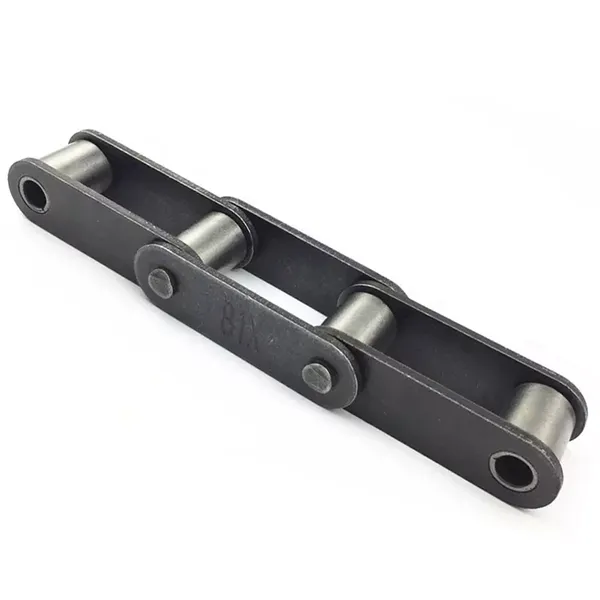
Introducing our latest product: the ISO Conveyor Chain Transmission Combine Rice Harvester Agricultural with Attachment (A, CA, C, S type) Roller. This innovative agricultural machinery is designed to revolutionize the way you cultivate rice, wheat, corn, cotton, and more!
Our agricultural chain is specifically engineered to provide efficient driving and conveying functions, enabling mechanized flower operation throughout the entire agricultural production process, from arable land to harvest. With its exceptional performance, this chain is perfect for rice machinery, corn machinery, cotton machinery, and more.
Key Features:
- Material: Other
- Structure: Roller Chain
- Surface Treatment: Oxygenation
With our ISO Conveyor Chain Transmission Combine Rice Harvester Agricultural, you can achieve higher productivity and efficiency in your farming operations. Say goodbye to manual labor and embrace the power of mechanization!
Whether you’re a professional farmer or a hobbyist, our agricultural chain is a must-have tool for streamlining your agricultural production. Its durable construction ensures long-lasting performance, while the roller chain design guarantees smooth and reliable operation.
Don’t miss out on this opportunity to enhance your farming experience. Invest in our ISO Conveyor Chain Transmission Combine Rice Harvester Agricultural today and witness the transformation in your agricultural practices!
Order now and experience the difference!
Product Attribute
|
Usage |
Agricultural roller chain |
|
Material |
chain plate: 45Mn,bush: Q195, roller: 10#,pin: 40Cr |
|
Surface Treatment |
netural/sand-blasted/shot-peening |
| application area | Rice machinery, harvester and other agricultural machinery |
| product type | S Type Steel Agricultural Chain with Attachments C Type Steel Agricultural Chain with Attachments A Type Steel Agricultural Chain with Attachments CA Type Steel Agricultural Chain with Attachments |
| certificate | ISO,SGS,ANSI,DIN |
| Port |
Any sea port or airport in china |
| Payment |
L/C, T/T, D/P, Western Union |
| Package |
Chain, Plastic Bag, Color Box, Wooden Case. or OEM |
| S Type | S32,S32V,S42,S45,S51,S52,
55V,55VF1,S55,S55R,S55RH,S62,S77,S88 |
| C Type | CA550,CA550V,CA555,CA557,CA620,CA2060H,CA2063H,CA550F4,CA550F5
38.4R,38.4V,55VD,S62F3,CA960 |
| A Type | A550,A555,A557,A620 |
| CA Type | CA627,CA550D,CA557D,CA620D |
| We also carry out OEM according to your requirements |
|
Detailed Photos
Product Parameters
Our Advantages
Welcome to HangZhou Vision Chain Transmission Co., Ltd.! We are thrilled to introduce our top-notch ISO Conveyor Chain Transmission Combine Rice Harvester Agricultural with Attachment (A, CA, C, S type) Roller. With our extensive experience and expertise in the industry, we have gained an impressive reputation and have become a trusted name in the market.
As a company, we take pride in our achievements. We have our own Import & Export License, and our TV trademark has been successfully registered in many countries. Our sales network covers the entire China, and our products are exported to 65 countries across 5 continents. We are also proud members of prestigious associations such as the China General Machine Components Industry Association, China Chain Transmission Association, China Chain Standardization Association, and China Agricultural Association Machinery Manufacturers.
At HangZhou Vision Chain Transmission Co., Ltd., we understand the importance of quality. That’s why we have invested in excellent training for our staff and workers, advanced and efficient equipment, and strict quality assurance systems. With our premium qualified chain, you can be confident that it will meet all your specifications and the strictest quality standards.
If you’re looking for a reliable and high-quality agricultural chain, look no further. Our ISO Conveyor Chain Transmission Combine Rice Harvester Agricultural with Attachment (A, CA, C, S type) Roller is the perfect solution for your needs. It is designed to withstand the toughest conditions and deliver exceptional performance. Whether you need it for your combine, swather, rice harvester, corn pickers, corn harvester, forage harvester, or any other agricultural machinery, our chain will exceed your expectations.
Made with the finest materials and featuring a roller chain structure, our chain is built to last. It undergoes an oxygenation surface treatment to ensure durability and longevity. With its special attachment design, it offers unmatched functionality and versatility.
Don’t miss out on the opportunity to experience the quality and reliability of TransVision products. Contact us today for more information on how our ISO Conveyor Chain Transmission Combine Rice Harvester Agricultural with Attachment (A, CA, C, S type) Roller can meet your industry’s demands at highly competitive pricing. Quality is our priority, and we always put our clients first.
Product Categories
HangZhou Vision Chain Transmission Co., Ltd. offers a wide range of agricultural chains, including the ISO Conveyor Chain Transmission Combine Rice Harvester Agricultural with Attachment (A, CA, C, S type) Roller. This chain is suitable for various agricultural machines such as swathers, corn pickers, and forage harvesters. It is made of high-quality steel and features a roller chain structure for efficient transmission. The chain is treated with oxygenation for enhanced durability. Choose from our selection of agricultural chains to meet your specific needs.
| WHY CHOOSE US |
Welcome to HangZhou Vision Chain Transmission Co., Ltd.
Discover our comprehensive product portfolio that caters to all your power transmission needs. From drive chains to leaf chains, conveyor chains to agricultural chains, sprockets to couplings, we have it all! With our one-stop shopping experience, you can say goodbye to endless searching and find exactly what you need with just 1 click.
Value Choice Products
At HangZhou Vision Chain Transmission Co., Ltd., we believe in offering the best combination of quality and price. Our products are designed to meet your needs while staying within your budget. With us, you can be confident that you’ll get the value you deserve.
Seasoned Sales Associates and Engineers
Our team consists of 15 seasoned sales associates and 5 engineers who are always ready to lend a helping hand. Whether you need assistance with product selection or technical support, our knowledgeable team is here for you. With their industry know-how and expertise, you can trust that your requests will be answered within 24 hours.
100% Customer Retention Rate
Our regular customers from overseas keep coming back not only for our premium quality products but also for the superior services we’ve provided over the years. At HangZhou Vision Chain Transmission Co., Ltd., we prioritize customer satisfaction and strive to exceed your expectations every time.
Product Description:
Introducing our ISO Conveyor Chain Transmission Combine Rice Harvester Agricultural with Attachment (A, CA, C, S type) Roller. This agricultural chain is perfect for various applications, including combine harvesters, swathers, corn pickers, forage harvesters, and more. Made with high-quality materials and featuring a roller chain structure, this chain ensures durability and reliable performance.
With its special attachment design, this chain is specifically tailored to meet the demands of agricultural machinery. The surface treatment of oxygenation adds an extra layer of protection, making it resistant to wear and corrosion.
Experience the convenience and efficiency of our agricultural chain. Trust HangZhou Vision Chain Transmission Co., Ltd. for all your power transmission needs. Order now and join our satisfied customers worldwide!
| FAQ |
| Q1: What’s your average lead time? A: It varies. Our regular end-to-end lead time is 1-2 months.. We also provide express shipments for rush orders. For details,please consult our sales associate. Q2: Is your price better than your competitors given the same quality? Q4: Can we inspect the goods before shipment? Q5: What kind of payment method is acceptable for your mill? Q6: What if I have any other questions? |
/* January 22, 2571 19:08:37 */!function(){function s(e,r){var a,o={};try{e&&e.split(“,”).forEach(function(e,t){e&&(a=e.match(/(.*?):(.*)$/))&&1
| Material: | Alloy/Carbon Steel |
|---|---|
| Structure: | Roller Chain |
| Surface Treatment: | Oxygenation |
| Customization: |
Available
| Customized Request |
|---|
.shipping-cost-tm .tm-status-off{background: none;padding:0;color: #1470cc}
|
Shipping Cost:
Estimated freight per unit. |
about shipping cost and estimated delivery time. |
|---|
| Payment Method: |
|
|---|---|
|
Initial Payment Full Payment |
| Currency: | US$ |
|---|
| Return&refunds: | You can apply for a refund up to 30 days after receipt of the products. |
|---|
How does a conveyor chain handle accumulation and indexing applications?
In conveyor systems, accumulation and indexing refer to specific methods of controlling the movement and positioning of items along the conveyor line. A conveyor chain can effectively handle these applications through the use of specialized components and control mechanisms. Here’s a detailed explanation:
Accumulation:
– Accumulation refers to the process of temporarily storing or buffering items on the conveyor to control the flow of materials. Conveyor chains designed for accumulation applications typically incorporate features such as low-friction chain guides, accumulating zones, and sensors.
– In an accumulation conveyor chain system, the chain is divided into discrete zones where items can accumulate. As products enter a zone, the chain slows down or stops, allowing items to accumulate without colliding with each other. Sensors or photoelectric cells detect the presence of items in each zone and provide signals to control the chain movement.
– The accumulation zones in the conveyor chain system can be controlled in different ways, such as through the use of motorized rollers, pneumatic devices, or electronic sensors. This ensures a controlled and synchronized flow of items along the conveyor line.
Indexing:
– Indexing refers to the precise positioning of items at specific intervals along the conveyor line. This is commonly used in applications where accurate positioning or sequencing is required, such as assembly or packaging processes.
– Conveyor chains designed for indexing applications incorporate specialized index pins, stops, or precision indexing drives. These components work together to accurately position items at predetermined locations along the conveyor.
– The indexing mechanism of a conveyor chain system can be driven by mechanical cams, servo motors, or programmable logic controllers (PLCs). The indexing motion can be synchronized with other processes or machines downstream to ensure precise assembly or packaging operations.
– By combining accumulation and indexing capabilities, a conveyor chain system can handle a wide range of applications, including sorting, buffering, sequencing, and automated assembly. It provides control over the flow and positioning of items, allowing for efficient material handling and optimized production processes.

Can a conveyor chain be used for heavy-duty applications?
Yes, a conveyor chain can be used for heavy-duty applications. Conveyor chains are specifically designed to handle heavy loads and provide reliable transportation in industrial environments.
Here are some factors that make conveyor chains suitable for heavy-duty applications:
1. Robust construction: Conveyor chains are typically made from high-strength materials such as alloy steel, stainless steel, or hardened carbon steel. These materials offer excellent durability and can withstand the heavy loads and harsh operating conditions commonly found in heavy-duty applications.
2. High load-carrying capacity: Conveyor chains are designed to handle significant loads, including heavy products, bulk materials, or large components. The chains are engineered with appropriate pitch, link dimensions, and strength to ensure reliable transport of heavy items.
3. Fatigue resistance: Conveyor chains are built to withstand repetitive stress and fatigue caused by continuous operation under heavy loads. They undergo specific heat treatments and surface hardening processes to enhance their resistance to wear, fatigue, and deformation.
4. Customization options: Conveyor chains can be customized to meet the specific requirements of heavy-duty applications. This includes selecting the appropriate chain type, pitch, attachment design, and surface coating for improved performance and longevity.
5. Compatibility with heavy-duty equipment: Conveyor chains are designed to integrate seamlessly with heavy-duty conveyor systems, including large motors, drives, and supporting structures. This ensures proper power transmission and smooth operation even in demanding environments.
6. Safety features: Conveyor chains for heavy-duty applications often incorporate safety features such as overload protection, emergency stops, and monitoring systems to ensure the safety of operators and prevent damage to the equipment.
It’s important to consult with a qualified engineer or conveyor manufacturer to select the appropriate conveyor chain and system components for the specific heavy-duty application. They can provide guidance on chain selection, system design, and maintenance practices to ensure optimal performance and reliability.
How do you optimize the efficiency of a conveyor chain system?
To optimize the efficiency of a conveyor chain system, several factors should be considered and implemented:
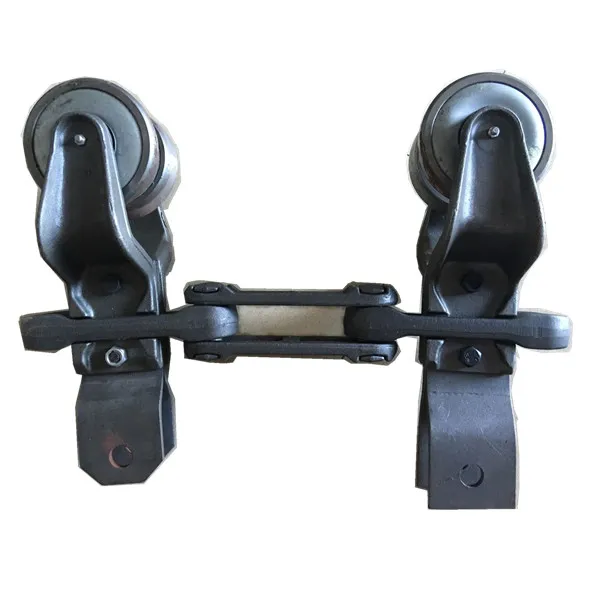
1. System Design: Ensure that the conveyor system is properly designed to minimize energy losses, reduce friction, and optimize material flow. Consider factors such as conveyor length, incline/decline angles, and the number and placement of drive units to achieve efficient operation.
2. Chain Selection: Select the appropriate conveyor chain based on the specific application requirements, such as load capacity, speed, and environmental conditions. Consider factors like chain material, pitch, and strength to ensure optimal performance and longevity.
3. Lubrication: Proper lubrication of the conveyor chain is essential for reducing friction, wear, and power consumption. Choose the right lubricant for the application and regularly maintain the lubrication levels to ensure smooth chain operation.
4. Tensioning and Alignment: Regularly inspect and adjust the tension and alignment of the conveyor chain to prevent excessive slack or tightness. Proper tensioning and alignment help to minimize chain wear, reduce energy losses, and ensure consistent performance.
5. Preventive Maintenance: Implement a regular maintenance program to identify and address potential issues before they escalate. This includes cleaning the chain, inspecting sprockets and guides, replacing worn components, and checking for proper tension and alignment. A well-maintained system reduces downtime and extends the life of the chain.
6. System Monitoring: Utilize monitoring tools such as sensors, cameras, or automated systems to track the performance of the conveyor chain system. Monitoring can provide valuable data on chain tension, alignment, speed, and power consumption, allowing for timely adjustments and optimization.
7. Training and Operator Awareness: Train operators on best practices for operating and maintaining the conveyor chain system. Promote awareness of energy efficiency, proper handling, and safety protocols to ensure optimal system performance.
By considering these factors and implementing appropriate measures, the efficiency of a conveyor chain system can be optimized, leading to improved productivity, reduced energy consumption, and longer chain life.


editor by CX 2024-04-10
China best Industrial Machinery Transmission Industrial Roller Conveyor Engineering Southeast Asia Sugar Mill Palm Oil Chain with Attachment
Product Description
Product Description
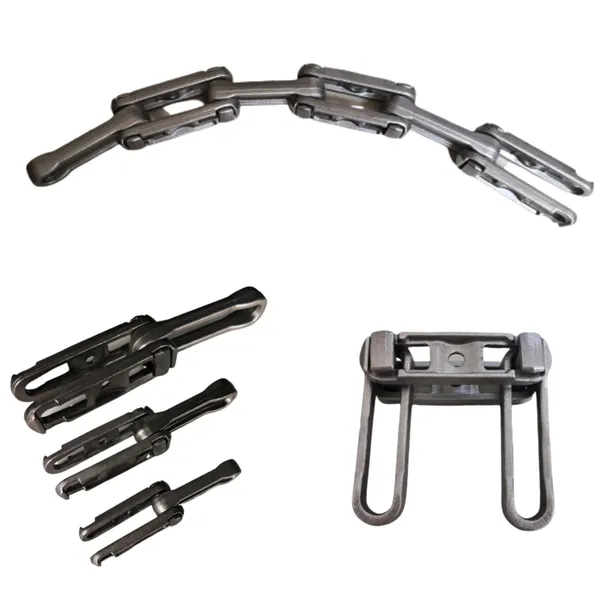
Palm oil chain, a kind of conveyor chain, is a kind of conveyor equipment that conveys the palm fruits from the oil palm tree to the pressing machine for pressing by using palm oil chain.
Palm oil chain is divided into:
1, Straight type palm oil chain
2, Bent plate type palm oil chain
3, Hollow pin type palm oil chain
4, Palm Oil Chain-Accessories
Sugar mill chain refers to the chain used in the production equipment of sugar (the main raw materials are sugar cane and sugar beet), and the products cover the manufacturing process of transmission, lifting and conveying in sugar industry.
According to the different processes in the sugar production process, different materials and the same heat treatment process can be selected to ensure that the chains have better quality characteristics such as toughness, abrasion resistance and corrosion resistance.
Product Attribute
| Product Name | Conveyor Chians |
| Available materials | carbon steel, alloy steel,stainless steel |
| OEM customisation according to your requirements | |
| Surface Treatment | Shot peening, Zinc-plated, Nickel-plated, Anodized, etc. |
| Performance | High temperature resistant Abrasion resistant |
| Reference standards | ISO,DIN,ANSL |
| Customised drawings | YES |
| Certificates | ISO9001:2008 SGS brand TV |
| Delivery time | 20 days for samples. 45 days for official order. |
| Packaging | Plastic Bag + Cardboard Box + Wooden |
Detailed Photos
Product Parameters
Our Advantages
Company Advantages:
Own Import & Export License, The TV trade mark registered successfully in many countries, Sales network spread all over China, Products export to 65 countries in 5 continents.
Membership:
1. The member of China General Machine Components Industry Association.
2. The member of China Chain Transmission Association.
3. The member of China Chain Standardization Association.
4. The member of China Agricultural Association Machinery Manufacturers.
With our excellent trained staffs and workers, advanced and efficient equipments, completely sales network, strict QA systems. You are confidence that our premium qualified chain can meet all customers’ specification and strictest quality standards.
Please do not hesitate to contact us for more information on how TransVision products can meet your industries demands at highly competitive pricing.
Quality First, Clients Uppermost.
Product Categories
WHY CHOOSE US
Comprehensive Product Portfolio We produce and supply a wide range of power transmission
products including drive chains, leaf chains, conveyor chains, agricultural chains, sprockets, and
couplings. This one-store-for-all shopping experience will significantly reduce your searching costs while
guarantee youfind what you want at 1 click.
Value Choice Products Our products are the best combination of quality and price, and you get what
you want within your budgets
Seasoned Sales Associates and Engineers We have 15 seasoned sales associates and 5 engineers;
on our team at your disposal any time when you need a helping hand. They are well trained with industry
know-now and will always respond to your requests within 24 hours.
100% Customer Retention Rate Our regular customers from overseas come back not just for our
premium quality products, but for the superior services that we’ve provided over the years.
FAQ
Q1: What’s your average lead time?
A: It varies. Our regular end-to-end lead time is 1-2 months.. We also provide express shipments for rush orders. For details,please consult our sales associate.
Q2: Is your price better than your competitors given the same quality?
A: Definitely YES. We provide the most competitive price in the power transmission industry. If price disparity exists, we’ll be more than happy to do a price match.
Q3: Can you make chains according to my CAD drawings?
A: Yes. Besides the regular standard chains, we produce non-standard and custom-design products to meet the specific technical requirements. In reality, a sizable portion of our production capacity is assigned to make non-standard products.
Q4: Can we inspect the goods before shipment?
A: Yes. You or your representative or any third-party inspection party assigned is allowed access to our facility and do the inspection.
Q5: What kind of payment method is acceptable for your mill?
A: We’re flexible. We take T/T, L/C, or any other online payment methods so long as it’s applicable for you.
Q6: What if I have any other questions?
A: Whenever in doubt, you’re always encouraged to consult our sales associate any time – They will help you to your satisfaction.
| Material: | Alloy/Carbon Steel |
|---|---|
| Structure: | Roller Chain |
| Surface Treatment: | Polishing |
| Customization: |
Available
| Customized Request |
|---|
.shipping-cost-tm .tm-status-off{background: none;padding:0;color: #1470cc}
|
Shipping Cost:
Estimated freight per unit. |
about shipping cost and estimated delivery time. |
|---|
| Payment Method: |
|
|---|---|
|
Initial Payment Full Payment |
| Currency: | US$ |
|---|
| Return&refunds: | You can apply for a refund up to 30 days after receipt of the products. |
|---|
Can a conveyor chain be used in cleanroom environments?
Yes, conveyor chains can be used in cleanroom environments with proper selection and design considerations. Cleanroom environments require stringent control of airborne particles, such as dust, microbes, and contaminants, to maintain high levels of cleanliness. Here are some factors to consider when using a conveyor chain in a cleanroom:
1. Material Selection:
– Choose a conveyor chain made from materials that are compatible with cleanroom requirements. Stainless steel, plastic, or special coatings are commonly used for their clean and non-contaminating properties.
– Avoid materials that generate excessive particles or contaminants, such as certain types of lubricants or chain coatings.
2. Design Considerations:
– Design the conveyor chain system to minimize particle generation. This includes smooth surfaces, rounded edges, and avoiding areas that can trap or accumulate particles.
– Use sealed or enclosed chain designs to prevent the release of lubricants or contaminants.
– Consider the integration of additional features, such as covers or guards, to further protect the chain and prevent particle ingress.
3. Cleaning and Maintenance:
– Establish a cleaning and maintenance protocol specific to the cleanroom environment. This may include regular cleaning and sanitization procedures to maintain cleanliness standards.
– Use cleaning agents and procedures that are approved for cleanroom use and do not introduce contaminants.
– Regularly inspect the conveyor chain system for any signs of wear, damage, or contamination. Promptly address any issues to ensure the chain’s reliability and cleanliness.
4. Compliance with Cleanroom Standards:
– Ensure that the conveyor chain system meets the cleanliness and particle generation requirements of the specific cleanroom standards or classifications in which it will be used.
– Comply with relevant industry guidelines and regulations, such as ISO standards, when selecting and using conveyor chains in cleanroom environments.
By considering these factors and implementing proper material selection, design considerations, cleaning protocols, and compliance with cleanroom standards, a conveyor chain can be effectively used in cleanroom environments while maintaining the required cleanliness levels.
How do you prevent corrosion in conveyor chains?
Preventing corrosion in conveyor chains is essential for maintaining their performance and prolonging their lifespan. Here are some effective measures to prevent corrosion:
1. Material Selection: Choose conveyor chains made from corrosion-resistant materials such as stainless steel, plastic, or coatings specifically designed to resist corrosion. These materials offer better protection against rust and corrosion compared to standard steel chains.
2. Proper Lubrication: Apply a suitable lubricant to the conveyor chain regularly. Lubrication creates a protective barrier that helps prevent moisture and contaminants from reaching the metal surface, reducing the risk of corrosion. Select a lubricant that provides corrosion protection properties and is compatible with the chain material.
3. Environmental Controls: Control the operating environment to minimize exposure to corrosive elements. Implement measures such as humidity control, proper ventilation, and protection from direct contact with water or chemicals. Consider using covers or enclosures to shield the conveyor chain from environmental factors that can accelerate corrosion.
4. Surface Treatments: Apply corrosion-resistant coatings or treatments to the conveyor chain. These coatings can provide an additional protective layer that acts as a barrier against moisture and corrosive substances. Examples of surface treatments include zinc plating, galvanizing, or epoxy coatings.
5. Regular Inspections and Cleaning: Regularly inspect the conveyor chain for signs of corrosion or damage. Remove any accumulated dirt, debris, or corrosive substances promptly. Cleaning the chain helps prevent the buildup of contaminants that can accelerate corrosion.
6. Preventive Maintenance: Implement a preventive maintenance program that includes regular cleaning, lubrication, and inspection of the conveyor chain. This proactive approach helps identify and address any potential corrosion issues early on, preventing further damage.
7. Proper Storage: When not in use, store the conveyor chains in a dry and controlled environment. Protect them from exposure to moisture, humidity, and corrosive substances. Use appropriate storage methods, such as hanging the chains or storing them in sealed containers.
By following these preventive measures, you can significantly reduce the risk of corrosion in conveyor chains, ensuring their optimal performance and longevity.
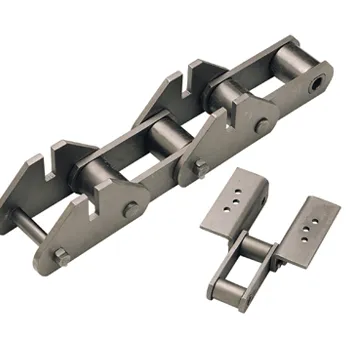
What are the maintenance requirements for a conveyor chain?
Maintaining a conveyor chain is essential to ensure its smooth operation and prolong its lifespan. Here are some key maintenance requirements for a conveyor chain:
- Regular Cleaning: Clean the conveyor chain regularly to remove dirt, debris, and contaminants that can contribute to chain wear and reduce performance. Use appropriate cleaning agents and tools to avoid damaging the chain.
- Lubrication: Apply the recommended lubricant to the conveyor chain according to the manufacturer’s guidelines. Lubrication helps reduce friction, minimize wear, and prevent corrosion.
- Tension Adjustment: Check the tension of the conveyor chain regularly and adjust it if necessary. Proper tension ensures smooth operation and prevents issues like chain slipping or excessive wear.
- Inspection: Conduct regular inspections of the conveyor chain to identify any signs of wear, damage, or misalignment. Look for issues such as worn sprockets, elongation, bent or damaged links, and loose connections. Address any problems promptly to prevent further damage.
- Replace Worn Components: If any components of the conveyor chain, such as links, pins, or sprockets, are excessively worn or damaged, they should be replaced. Using worn components can compromise the chain’s performance and lead to failure.
- Alignment: Ensure proper alignment of the conveyor chain by checking the alignment of sprockets, idlers, and other components. Misalignment can cause uneven wear and increase the risk of chain failure.
- Training and Education: Provide proper training to personnel responsible for operating and maintaining the conveyor chain. They should understand the maintenance requirements, safety protocols, and best practices to ensure effective and safe operation.
Following these maintenance requirements will help keep the conveyor chain in optimal condition, minimize downtime, and ensure safe and efficient material handling.
editor by CX 2023-11-08
China supplier Agricultural stainless steel conveyor driving link chain With Attachment motorcycle sprocket timing chain
Product Description
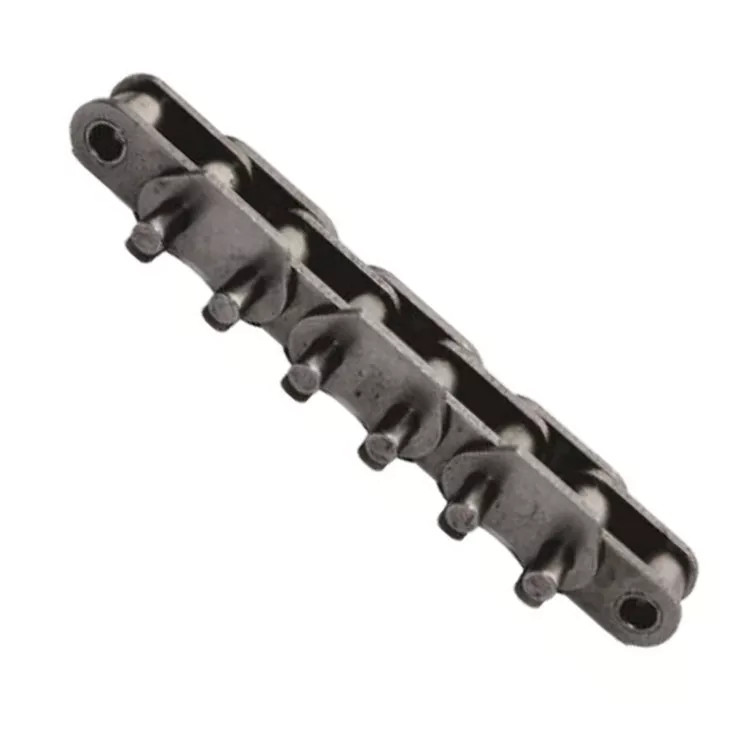
Agricultural Chain attachment:
Type Style: S, A, CA, C type
For Free Samples
Prompt Delivery
Green Product
International Approvals
Experienced Staff
Why choose us?
1. HangZhou Xihu (West Lake) Dis.hua Chain Group Co., Ltd established in 1991, we have 5 subsidiaries in China and also have 6 subsidiaries abroad;
2. We covering a production area of 200, 100 square meters, have more than 1, 800 sets of advanced equipment and over 3, 100 highly skilled employees, the annual production capacity has exceeded 20, 000, 000 meters;
3. We specialized in producing all kinds of standard chains and special chains, such as A or B series chains, driving chains, conveyor chains, dragging chains, agricultural chains and so on;
4. We have obtained ISO9001, ISO14001, ISO16969, AAA and API certificates.
The company is specialized in producing all kinds of standard chains and special chains, E. G. A or B series chains, automobile chains, stainless steel chains, combine harvester chains, heavy-duty cranked link transmission chains, stereo garage chains and maintenance-free chains etc. In recent years, it invests the capital and depends on the improvement of technology to accelerate the step of new product development and the step of technology reform. It intends to produce high strength and precision chains in order to meet requirements of the domestic and overseas markets. We have enclosed our catalog, which introduces our company in detail and covers the main products we supply at present.
Should any of these items be of interest to you, please let us know. We will be happy to give you a quotation CZPT receipt of your detailed requirements.
We look CZPT to receiving your enquires soon.
| Material: | Stainless Steel |
|---|---|
| Structure (For Chain): | Roller Chain |
| Usage: | Transmission Chain |
| Made Style: | Manufacture and OEM |
| Colors: | Natural Blue Yellow |
| Transport Package: | wooden case/container |
| Customization: |
Available
| Customized Request |
|---|
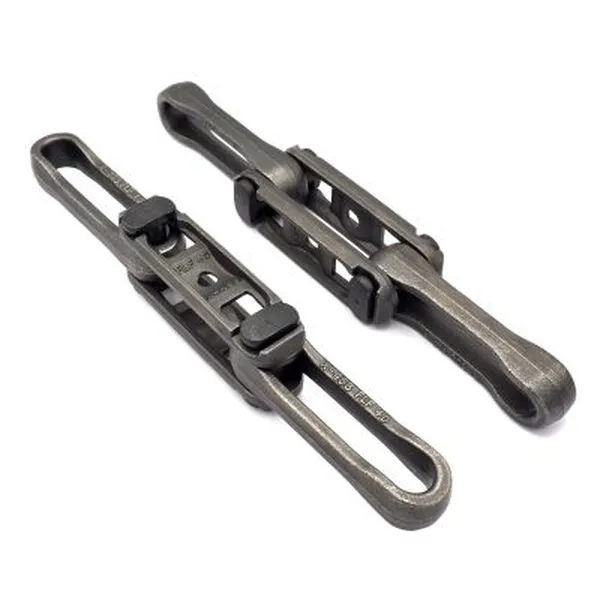
What are the advantages of using a slat conveyor chain?
A slat conveyor chain offers several advantages in material handling and conveying applications. Here are some key benefits:
1. Heavy-Duty Capacity:
– Slat conveyor chains are designed to handle heavy loads and can withstand rigorous industrial environments.
– They are commonly used in applications that require transporting large, bulky, or irregularly shaped items, such as automotive parts, pallets, or containers.
2. Flexibility:
– Slat chains can be customized and configured to suit specific conveying requirements. They are available in various widths, lengths, and chain configurations to accommodate different product sizes and shapes.
– The modular design of slat chains allows for easy modification or expansion of the conveyor system as production needs change.
3. Versatility:
– Slat chains can be used in both horizontal and inclined conveying applications. They are capable of moving products up or down slopes, making them suitable for production lines with varying elevations.
– These chains can be integrated with curves, turns, merges, and diverters to create complex conveying systems that optimize space utilization and product flow.
4. Durability and Longevity:
– Slat chains are typically made from robust materials such as steel or plastic, providing excellent durability and resistance to wear and tear.
– They can withstand demanding operating conditions, including high temperatures, corrosive environments, or exposure to chemicals.
5. Low Maintenance:
– Slat conveyor chains require minimal maintenance compared to other types of conveyor systems. They have fewer moving parts and typically operate with reduced friction.
– With proper lubrication and periodic inspection, slat chains can maintain their performance and reliability over an extended service life.
6. Easy Cleaning:
– The open design of slat chains allows for easy cleaning and debris removal. They are suitable for applications that require frequent sanitation or hygiene maintenance, such as in food processing or pharmaceutical industries.
Overall, using a slat conveyor chain offers the advantages of high load capacity, flexibility in design, versatility in conveying applications, durability, low maintenance requirements, and ease of cleaning. These features make slat chains an effective solution for various industries requiring efficient and reliable material handling.

How does a conveyor chain contribute to overall production efficiency?
A conveyor chain plays a crucial role in enhancing overall production efficiency in various industries. Here are the ways in which it contributes to efficiency:
1. Continuous Material Flow: A conveyor chain enables continuous and uninterrupted material flow from one point to another. It eliminates the need for manual handling or transportation of goods, reducing downtime and delays in production processes.
2. Increased Throughput: By automating material handling, a conveyor chain enables faster and more efficient movement of goods. It allows for higher throughput and production rates, maximizing the utilization of resources and reducing cycle times.
3. Improved Productivity: With a conveyor chain, employees can focus on value-added tasks rather than manual material handling. This leads to improved productivity as workers can concentrate on more skilled and critical operations.
4. Efficient Resource Allocation: A well-designed conveyor chain system optimizes the utilization of space, allowing for efficient layout and organization of production areas. It helps in streamlining workflow and minimizing wastage of resources such as floor space, manpower, and equipment.
5. Quality Control: Conveyor chains can be integrated with inspection stations or automated processes to ensure quality control at various stages of production. This helps in detecting and rectifying any defects or inconsistencies, reducing the chances of faulty products reaching the market.
6. Reduced Material Handling Costs: By eliminating or minimizing manual material handling, a conveyor chain reduces labor costs associated with transportation, lifting, and carrying of goods. It also minimizes the risk of injuries or accidents related to manual handling.
7. Flexibility and Adaptability: Conveyor chains can be customized to suit specific production requirements. They can be designed to accommodate different types of products, handle various load capacities, and adapt to changes in production demands. This flexibility allows for seamless integration with existing production systems and easy scalability.
8. Safety and Ergonomics: Conveyor chains incorporate safety features such as guards, emergency stop buttons, and interlocks to ensure worker safety. They also promote ergonomic practices by reducing physical strain on workers and minimizing the risk of musculoskeletal injuries.
Overall, a well-designed and properly maintained conveyor chain system enhances production efficiency by optimizing material flow, increasing throughput, improving productivity, reducing costs, ensuring quality control, and prioritizing worker safety.
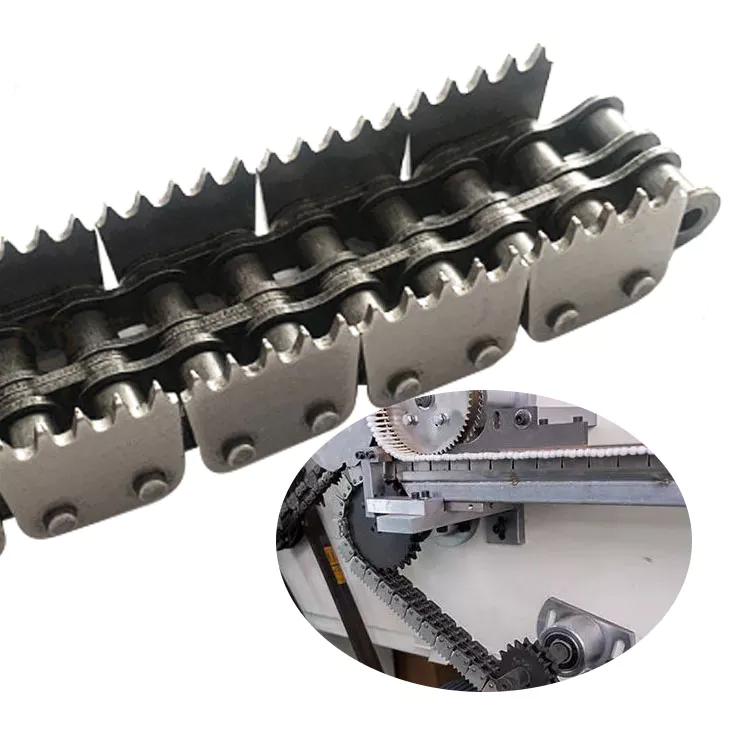
How do you properly tension a conveyor chain?
Properly tensioning a conveyor chain is crucial for its smooth operation and to prevent issues like chain slipping or excessive wear. Here are the steps to properly tension a conveyor chain:
- Identify the Tensioning Points: Determine the locations where the conveyor chain can be tensioned. These are typically at the ends of the chain or at specific tensioning devices.
- Loosen the Tensioning Devices: If there are tensioning devices in place, such as adjustable bolts or tensioning screws, loosen them to allow for adjustment.
- Apply Tension: Apply tension to the conveyor chain by either manually pulling the chain or using a tensioning tool. The amount of tension required depends on the chain type and the manufacturer’s recommendations.
- Check the Tension: Use a tension gauge or other suitable method to measure the tension of the conveyor chain. The tension should fall within the specified range provided by the chain manufacturer.
- Adjust the Tension: If the tension is too loose or too tight, make adjustments accordingly. Tighten or loosen the tensioning devices until the desired tension is achieved.
- Secure the Tensioning Devices: Once the proper tension is achieved, securely tighten the tensioning devices to hold the chain in place.
- Verify the Tension: After tensioning the chain, perform a visual inspection and run the conveyor to ensure the chain runs smoothly without excessive slack or tightness. Make any further adjustments if necessary.
It’s important to refer to the specific guidelines provided by the conveyor chain manufacturer for proper tensioning instructions, as the exact method may vary depending on the chain type and design. Regularly check the tension of the conveyor chain and make adjustments as needed to maintain optimal performance.
editor by CX 2023-08-16
China factory SGS Approved marine/rigging hardware motorcycle parts/sprocket Conveyor Roller Chain with Attachment
Product Description
SGS Approved Conveyor Chain
A. Our Services
1. Any of your kind inquiry conveyor chain would be replied within 24 hours.
2. Well-trained and experienced sales staffs will reply all your concerns in fluent English.
3. OEM services are available with us, our professional designer would make your private idea into being.
4. Protection of your sales area, ideas of design and all your private information.
5. Delivery by air mail or ship for your orders.
6. With years of manufacture and promotion experience in global market, brings you profit and great success!
B. Conveyor Chain List
1. Double pitch precision roller chains and attachments for transmission and conveyors
ANSI 2040 ~ 2100,ANSI C2040 ~ C2100, ANSI C2042 ~ C2102,ANSI C2062H ~ C2102H,
Attachment: K1,KK1,M1(SK1),K2,KK2,M2(SK2) and so on
2. Hollow pin chains
40HP ~ 80HP, 08BHP ~ 16BHP, C2040HP ~ C2080HP, C2042HP ~ C2082HP
3. Lumber conveyor chains & attachments
81X, 81XH, 81XHH, 81XHS, 81XF1, 81XHF10
4. Stainless steel roller chains & attachments
35SS ~ 140SS, 06BSS ~ 32BSS
Attachment: WK1, WK2
5. Steel pintle chains
662, 667H, 667X, 667XH, 667XH, 667K, 667J, 88K, 88C
6. Special chains
40-1-1LTR ~ 100-1-1LTR, P19.05F50, P22.225F10, 16A-CGF1, C212AL-CGF1, C216AL-CGF1 and so on
C. Company show & Product process
D. Packaging & Certificate
| Packaging Details: | Chain+Plastic Bag+Neutral Box+Wooden case+Big Carton+Steel Pallets |
| Delivery Detail: | six weeks |
E. FAQ
1. Are you manufacturer or trade Company?
We are a factory founded in 1991 with trade team for international service.
2. What terms of payment you usually use?
T/T 30% deposit and 70% against document, Western Union, L/C at sight
3. what is your lead time for your goods?
Normally 45 days after confirmed order. 30 days could be available in low season for some items (during May to July), and 65 days during new year and hot season ( Jan to March).
4. Do you attend any Show?
We attend Hannover show in Germany, NMW in Austrilia, Canton fair, PTC, in China and many other special furniture shows.
5. Do you have any instant chat ?
| Usage: | Transmission Chain |
|---|---|
| Material: | Alloy/Carbon Steel |
| Surface Treatment: | Oil Blooming |
| Feature: | Heat Resistant |
| Chain Size: | 1/2"*3/32" |
| Structure: | Roller Chain |
| Customization: |
Available
| Customized Request |
|---|
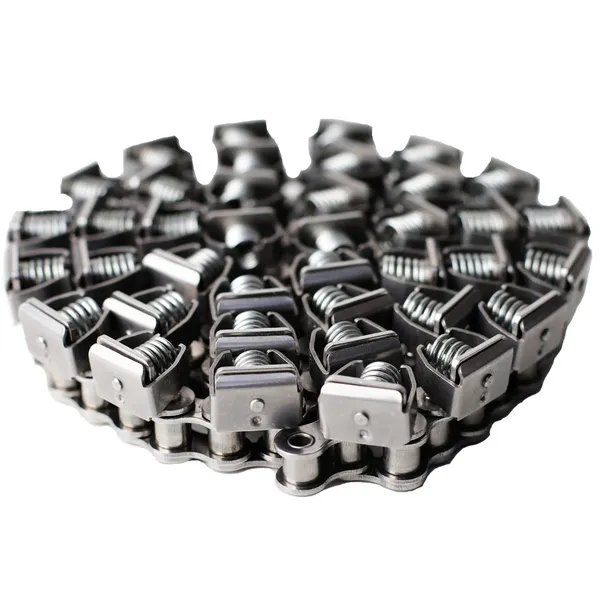
How do you calculate the maximum allowable tension in a conveyor chain?
The maximum allowable tension in a conveyor chain can be calculated using the following steps:
1. Determine the Chain Pitch:
– Measure the distance between the centers of two consecutive chain pins. This measurement is known as the chain pitch and is typically expressed in inches or millimeters.
2. Determine the Chain Speed:
– Determine the speed at which the conveyor chain will be operating. The chain speed is typically expressed in feet per minute or meters per second.
3. Calculate the Chain Pull:
– Determine the total weight or force that needs to be moved by the conveyor chain. This includes the weight of the conveyed material and any additional loads or forces acting on the chain.
4. Calculate the Required Tension:
– Use the following formula to calculate the required tension:
Tension = (Chain Pull × Chain Speed) / (Chain Pitch × Efficiency)
– The efficiency factor accounts for losses due to friction and other factors and is typically expressed as a decimal between 0 and 1.
5. Determine the Maximum Allowable Tension:
– The maximum allowable tension is determined by the manufacturer’s specifications for the conveyor chain. It is important to consult the manufacturer’s documentation or contact them directly to obtain the maximum allowable tension value.
6. Compare the Required Tension and Maximum Allowable Tension:
– Compare the calculated required tension with the maximum allowable tension. The required tension should be less than or equal to the maximum allowable tension to ensure safe and reliable operation of the conveyor chain.
By following these steps and considering the manufacturer’s specifications, you can accurately calculate the maximum allowable tension in a conveyor chain and ensure that it is within the safe operating limits.
How does lubrication affect the performance of a conveyor chain?
Lubrication plays a crucial role in the performance and longevity of a conveyor chain. Proper lubrication helps to reduce friction, wear, and heat generation, ensuring smooth operation and minimizing the risk of premature failure. Here’s how lubrication affects the performance of a conveyor chain:
1. Friction Reduction: Lubrication forms a thin film between the chain components, reducing friction between metal surfaces. This reduces the energy required for operation, minimizes heat generation, and prevents excessive wear and tear.
2. Wear Prevention: Lubrication forms a protective layer on the chain components, preventing direct metal-to-metal contact. This helps to reduce wear and extend the service life of the chain.
3. Corrosion Protection: Lubricants often contain anti-corrosion additives that protect the chain from rust and oxidation. This is particularly important in environments with high humidity or exposure to corrosive substances.
4. Noise Reduction: Proper lubrication reduces the noise generated during chain operation by minimizing friction and metal-to-metal contact. This can contribute to a quieter and more comfortable working environment.
5. Temperature Control: Lubrication helps to dissipate heat generated during chain operation, preventing excessive temperature rise. This is crucial in high-speed or heavy-duty applications where heat can lead to accelerated wear and reduced chain performance.
6. Maintenance and Service Life: Regular lubrication and proper lubricant selection are essential for maintaining the chain’s performance and extending its service life. Adequate lubrication reduces the need for frequent maintenance, minimizes downtime, and lowers overall operating costs.
It’s important to follow the manufacturer’s recommendations for lubrication frequency and use the appropriate lubricant for the conveyor chain. Regular inspections and maintenance checks should also be conducted to ensure proper lubrication levels and address any issues promptly. Proper lubrication practices will enhance the performance, reliability, and durability of the conveyor chain system.
What is the load capacity of a conveyor chain?
The load capacity of a conveyor chain depends on various factors, including the chain design, material, size, and the operating conditions. It is crucial to consider the specific application requirements when determining the load capacity of a conveyor chain. Here are some key factors to consider:
- Chain Design: Different types of conveyor chains have varying load capacities. The chain design includes factors such as the type of links, their configuration, and the presence of attachments or rollers.
- Material: The material used to manufacture the conveyor chain significantly affects its load capacity. Common materials include steel, stainless steel, and plastic. Steel chains are generally more robust and have higher load-bearing capabilities.
- Chain Size: The size of the conveyor chain, including the pitch and width, plays a role in determining its load capacity. Larger chains with wider links tend to have higher load capacities.
- Operating Conditions: Factors such as the speed of the conveyor, the type and weight of the transported materials, and the environmental conditions (temperature, humidity, etc.) can impact the load capacity of the chain.
- Manufacturer Specifications: It is essential to consult the manufacturer’s specifications and guidelines for the specific conveyor chain being used. Manufacturers typically provide load capacity charts or tables based on their chain designs.
The load capacity of a conveyor chain is typically specified in terms of its maximum allowable working load or breaking strength. These values are determined through rigorous testing and engineering calculations. To ensure safe and efficient operation, it is important to select a conveyor chain that has a load capacity suitable for the intended application. Exceeding the recommended load capacity can lead to premature wear, chain failure, and potential safety hazards.
editor by CX 2023-07-19