
Mô tả sản phẩm
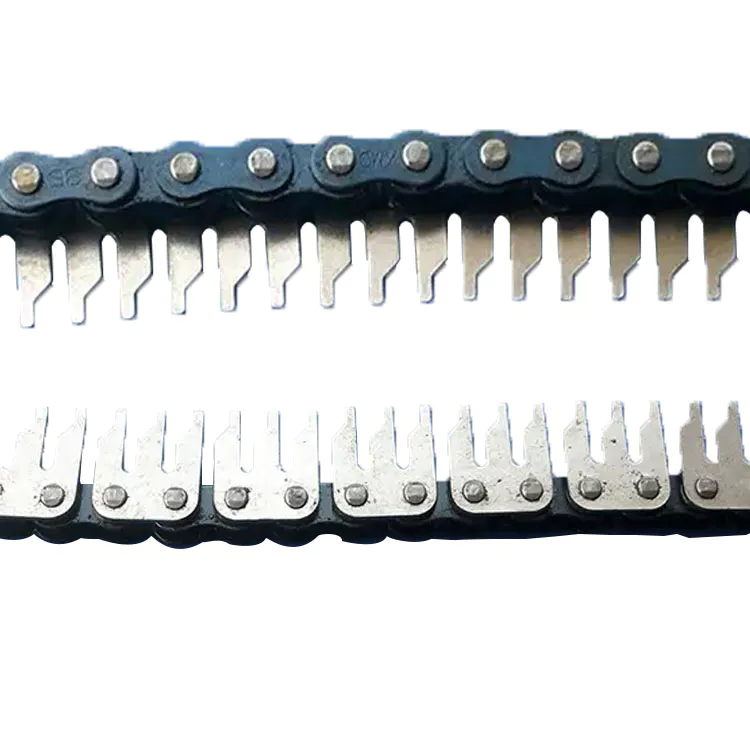
| Item | Leaf Chains | Ứng dụng | Machinery Parts |
| Surface Teatment | Self-color/Sand-blasted/Shot-peening | Brand | OEM |
| Bưu kiện | Poly bag, then box, finally poly-wooden case | Port | Any sea port or airport in China |
| Kích cỡ | LH: LH0822,LH0823,LH571,LH0844,LH0846,LH0866,LH 0571 ,LH1571,LH1571,LH1034,LH1044, LH1046,LH1066,LH1088,LH1222,LH1223,LH1234,LH1244,LH1246,LH1266,LH1288,LH1622, LH1623,LH1634,LH1644,LH1646,LH1666,LH1688,LH2571,LH2571,LH2034,LH2044,LH2046, LH2066,LH2088,LH2422,LH2423,LH2434,LH2444,LH2446,LH2466,LH2488,LH2822,LH2823, LH2834,LH2844,LH2846,LH2866,LH2888,LH3222,LH3223,LH3234,LH3244,LH3246,LH3266, LH3288,LH4571,LH4571,LH4034,LH4044,LH4046,LH4066,LH4088 BL: BL422,BL423,BL434,BL444,BL446,BL488,BL522,BL523,BL534,BL544,BL546,BL566,BL588, BL622,BL623,BL634,BL644,BL646,BL688,BL822,BL823,BL834,BL844,BL846,BL866,BL888, BL1571,BL1571,BL1034,BL1044,BL1046,BL1088,BL1222,BL1223,BL1234,BL1244,BL1246, BL1266,BL1288,BL1422,BL1423,BL1434,BL1444,BL1446,BL1488,BL1622,BL1623,BL1634, BL1644,BL1646,BL1666,BL1888,BL2571,BL2571,BL2034,BL2044,BL2046,BL2088 LL: LL0622,LL0644,LL0666,LL0822,LL0844,LL0866,LL 0571 ,LL1571,LL1044,LL1066,LL1088,LL1222 LL1244,LL1266,LL1288,LL1622,LL1644,LL1666,LL1688,LL2571,LL2044,LL2066,LL2088,LL2422 LL2444,LL2466,LL2488,LL2822,LL2844,LL2866,LL2888,LL3222,LL3244,LL3266,LL3288,LL4571 LL4044,LL4066,LL4088,LL4822,LL4844,LL4866,LL4888 AL: AL322,AL344,AL422,AL444,AL466,AL522,AL534,AL544,AL566,AL622,AL644,AL666,AL688 AL822,AL844,AL866,AL888,AL1571,AL1044,AL1066,AL1088,AL1222,AL1244,AL1266,AL1288, AL1444,AL1466,AL1644,AL1666,AL1688 FL: FL644,FL666,FL688,FL523,FL844,FL922,FL944,FL945,FL956,FL966,FL988 |
||
| Vật liệu: | Iron |
|---|---|
| Kết cấu: | Leaf Chain |
| Xử lý bề mặt: | Đánh bóng |
| Kích thước dây chuyền: | P9.525-P76.20 |
| Tính năng: | Fire Resistant, Oil Resistant, Heat Resistant |
| Transport Package: | Poly Bag, Box, Poly-Wooden Case |
| Mẫu: |
US$ 10/Several Links
1 Several Links(Min.Order) | |
|---|
| Tùy chỉnh: |
Có sẵn
| Yêu cầu tùy chỉnh |
|---|
Liệu xích tải có thể được sử dụng trong dây chuyền lắp ráp ô tô không?
Đúng vậy, xích tải có thể được sử dụng hiệu quả trong dây chuyền lắp ráp ô tô. Dưới đây là những lý do:
1. Vận chuyển vật liệu hiệu quả:
– Hệ thống băng tải cung cấp phương tiện vận chuyển đáng tin cậy và hiệu quả các linh kiện và phụ tùng ô tô dọc theo dây chuyền lắp ráp. Chúng có thể chịu được tải trọng nặng và đáp ứng các yêu cầu khắt khe của ngành sản xuất ô tô.
2. Tính đa năng:
– Hệ thống xích tải mang lại tính linh hoạt về thiết kế và cấu hình. Chúng có thể được tùy chỉnh để phù hợp với nhiều quy trình lắp ráp khác nhau, chẳng hạn như hàn thân xe, sơn, lắp ráp và kiểm tra cuối cùng.
3. Định vị chính xác:
– Hệ thống băng tải cho phép định vị và đồng bộ hóa chính xác các linh kiện ô tô, đảm bảo lắp ráp và căn chỉnh chính xác trong quá trình sản xuất. Điều này giúp duy trì chất lượng ổn định và giảm thiểu sai sót.
4. Tích hợp tự động hóa:
– Hệ thống băng tải có thể dễ dàng tích hợp với các hệ thống tự động hóa trong dây chuyền lắp ráp ô tô. Chúng có thể hoạt động cùng với cánh tay robot, hệ thống thị giác và các thiết bị tự động khác để tối ưu hóa quy trình sản xuất và nâng cao hiệu quả.
5. Tính linh hoạt của dây chuyền lắp ráp:
– Hệ thống băng tải mang lại sự linh hoạt về cấu hình và bố trí dây chuyền. Chúng có thể được thiết kế để phù hợp với nhiều bố cục dây chuyền lắp ráp khác nhau, bao gồm các đoạn thẳng, đường cong, đoạn dốc lên và dốc xuống, nhằm đáp ứng các yêu cầu cụ thể của quy trình lắp ráp ô tô.
6. Tối ưu hóa không gian:
– Hệ thống băng tải giúp tối ưu hóa việc sử dụng không gian trong các nhà máy lắp ráp ô tô. Chúng có thể được thiết kế để di chuyển xung quanh các thiết bị và cơ sở hạ tầng hiện có, tận dụng hiệu quả diện tích sàn.
7. An toàn:
– Hệ thống băng tải được thiết kế với các tính năng an toàn để bảo vệ người vận hành và ngăn ngừa tai nạn. Các bộ điều khiển dừng khẩn cấp, tấm chắn bảo vệ và cơ cấu khóa liên động đảm bảo hoạt động an toàn của dây chuyền lắp ráp.
8. Tăng tốc độ sản xuất:
– Bằng cách sử dụng băng tải xích, dây chuyền lắp ráp ô tô có thể đạt được tốc độ sản xuất cao hơn, cho phép chu kỳ sản xuất nhanh hơn và sản lượng tăng lên.
Nhìn chung, hệ thống băng tải đóng vai trò quan trọng trong việc nâng cao hiệu quả, năng suất và độ an toàn của dây chuyền lắp ráp ô tô, góp phần vào quá trình sản xuất xe diễn ra suôn sẻ và hiệu quả.
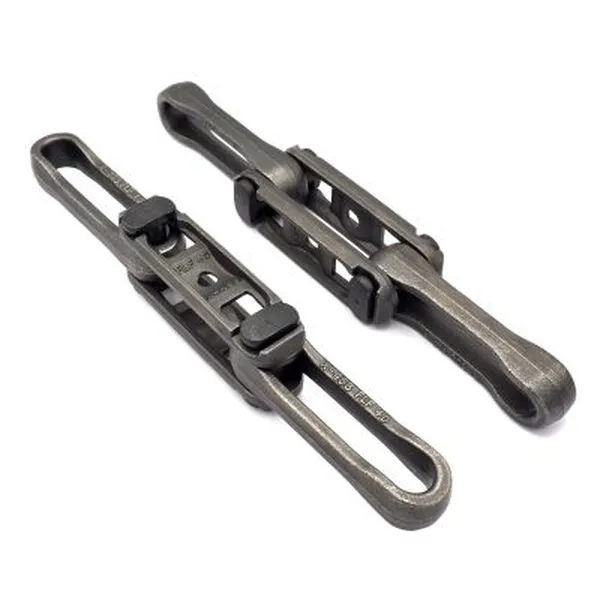
What are the safety measures for working with heavy-duty conveyor chains?
Working with heavy-duty conveyor chains requires strict adherence to safety measures to protect the workers and maintain a safe working environment. Here are some important safety measures to consider:
1. Proper Training: All personnel involved in working with conveyor chains should receive comprehensive training on the safe operation and maintenance of the equipment. This includes understanding the potential hazards, safety procedures, and proper use of personal protective equipment (PPE).
2. Equipment Inspection: Regular inspection of the conveyor chain and associated components is crucial to identify any signs of wear, damage, or malfunction. This includes checking for loose fasteners, worn sprockets, misalignment, and any other potential hazards. Any issues should be addressed promptly to prevent accidents.
3. Lockout/Tagout: Before performing any maintenance or repair tasks on the conveyor chain, proper lockout/tagout procedures must be followed. This ensures that the equipment is de-energized and isolated from any power source to prevent accidental startup or movement.
4. Personal Protective Equipment (PPE): Workers should wear appropriate PPE, including safety glasses, gloves, steel-toed boots, and hearing protection. The specific PPE requirements may vary depending on the nature of the work and the potential hazards involved.
5. Safe Work Practices: Workers should follow safe work practices, such as avoiding loose clothing or jewelry that can get caught in the chain, keeping hands and clothing clear of moving parts, and using proper lifting techniques when handling heavy loads.
6. Emergency Stop Systems: Conveyor systems should be equipped with emergency stop buttons or pull cords that allow workers to quickly stop the chain in case of an emergency or hazardous situation.
7. Regular Maintenance: Scheduled maintenance and lubrication of the conveyor chain should be performed according to the manufacturer’s recommendations. This helps to ensure optimal performance and minimize the risk of unexpected failures.
8. Clear Warning Signs and Labels: Proper signage, warning labels, and safety instructions should be clearly displayed near the conveyor chain system to remind workers of potential hazards and safe operating procedures.
9. Regular Safety Training and Communication: Ongoing safety training and communication among the workforce are vital to reinforce safe practices and raise awareness of any changes or updates to safety protocols.
By implementing these safety measures and fostering a safety-conscious culture, the risks associated with working with heavy-duty conveyor chains can be minimized, ensuring the well-being of the workers and the efficient operation of the equipment.

What is a conveyor chain and how does it work?
A conveyor chain is a type of mechanical chain specifically designed for use in conveyor systems. It is composed of a series of interconnected links that form a continuous chain loop. The links are typically made of metal and are joined together through pins or other connecting elements.
Conveyor chains work by transferring power and motion from the driving mechanism, such as a motor or sprocket, to the conveyor system to move materials or products along a predetermined path. The chain is placed on a track or guide rails, and as it moves, it carries the load placed on it.
The operation of a conveyor chain involves the following steps:
- Power transmission:
The driving mechanism transfers rotational power to the conveyor chain, typically through a motor and sprockets. The motor provides the necessary torque to drive the chain.
- Traction and motion:
As the driving mechanism rotates the sprockets, the teeth of the sprockets engage with the links of the conveyor chain. This interaction creates traction, causing the chain to move along the desired path.
- Load carrying:
The load to be transported is placed on the conveyor chain. The load can be in the form of products, materials, or other items. As the chain moves, it carries the load along the conveyor system, allowing for efficient transportation or handling.
- Support and guidance:
The conveyor chain is supported and guided by various components, such as guide rails, rollers, or wear strips. These components ensure the proper alignment and smooth movement of the chain along the conveyor system.
Conveyor chains are commonly used in industries such as manufacturing, logistics, packaging, and material handling. They offer a reliable and efficient method for moving products or materials in a controlled and automated manner.


editor by CX 2023-08-11