
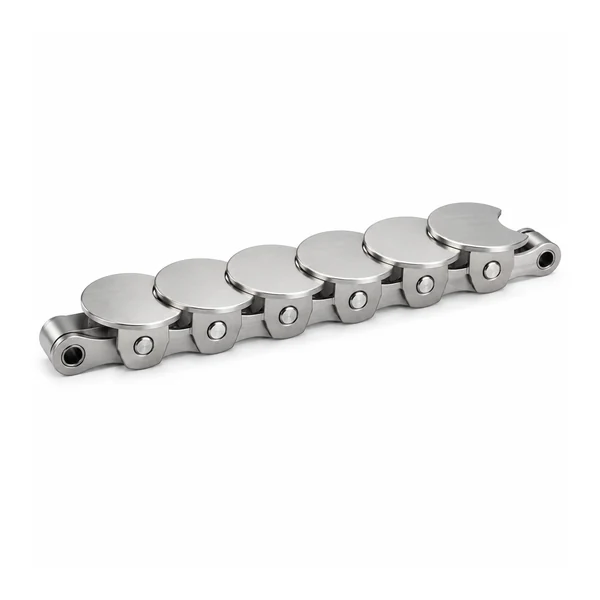
SSSC76.2A Sushi Conveyor Chain
SSSC76.2A stainless steel sushi conveyor chain with pitch, top-plate and chain-width dimensions for rotary restaurant conveyor replacement and OEM projects.
SSSC76.2A Sushi Conveyor Chain
This stainless steel sushi conveyor chain is built around a dedicated crescent-shaped top plate rather than a generic flat plastic module. The top plate creates a continuous carrying surface around curves while the central chain body supplies pitch control and articulation. For replacement work, the buyer should treat pitch, top-plate width, chain width and the interface to the guide track as one geometry set; matching only the nominal model name is not enough when the restaurant conveyor or guide rail has been modified. The series specification identifies the material family as 300, 400 and 600 series stainless steel. A quotation should therefore state the required material series or the existing material if known, together with photographs of the installed track and return path.
For replacement work, treat the crescent top plate, central chain body, guide track and drive sprocket as one interface. The part should be compared with the conveyor that exists today, including any guide, carrier or sprocket modifications made after the original machine was commissioned.
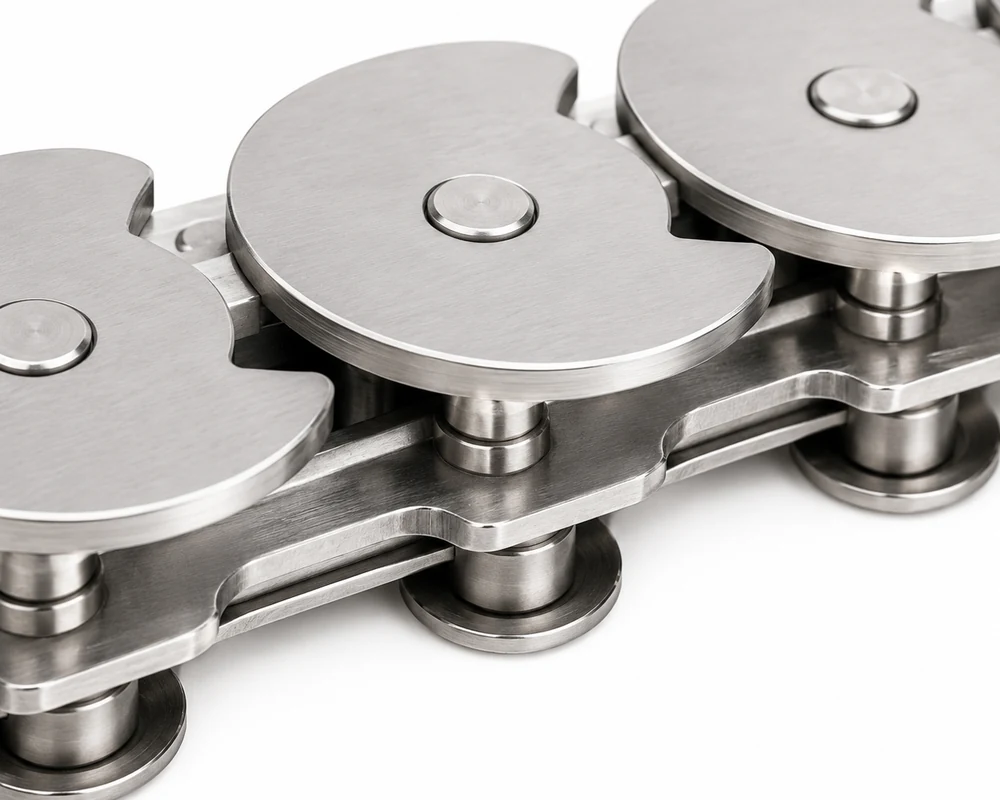
Kiểm tra các tính năng điều chỉnh độ vừa vặn và chuyển động.
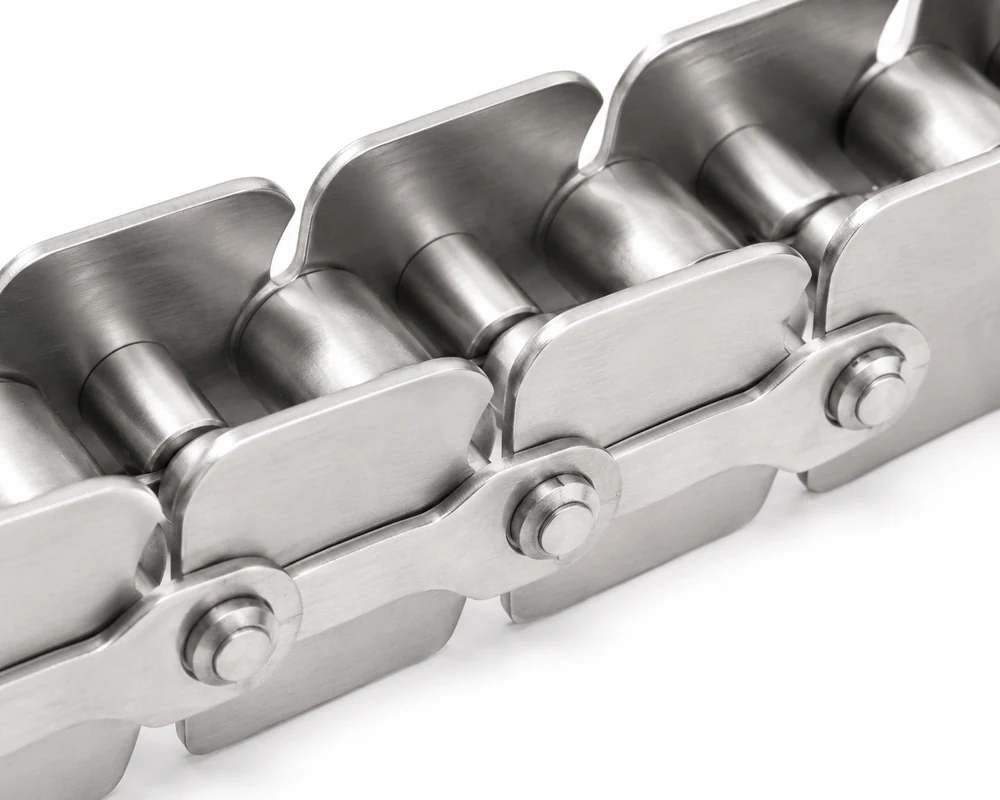
The key review points are curve clearance, return-path support and sprocket engagement. Measure several repeating features where possible instead of relying on one worn joint, rod or attachment. Photograph the component while it is still installed so running direction, guide contact and drive engagement are visible.
Selection starts with two measurements that are easy to verify on an installed line: center-to-center pitch and the effective top-plate width. Measure several pitches over a straight section to reduce single-joint error, then verify the overall chain width and roller diameter. Also record the smallest curve radius in the conveyor, the plate support arrangement, direction of travel and whether plates must pass under covers, dish guides or transfer points. If an existing chain runs quietly on the straight but binds in curves, the problem may be guide geometry, side clearance or accumulated pitch error rather than nominal pitch alone. For OEM projects, send a section drawing of the track and the mating sprocket before production approval.
Khi kích thước không chắc chắn, hãy ghi rõ chúng được đo từ mẫu đã qua sử dụng thay vì làm tròn thành giá trị danh nghĩa giả định. Điều này giúp dễ dàng phân biệt sự khác biệt về kích thước thực sự với hao mòn thông thường trong quá trình sử dụng khi kiểm tra kỹ thuật.
Bản vẽ kỹ thuật và thông số kỹ thuật
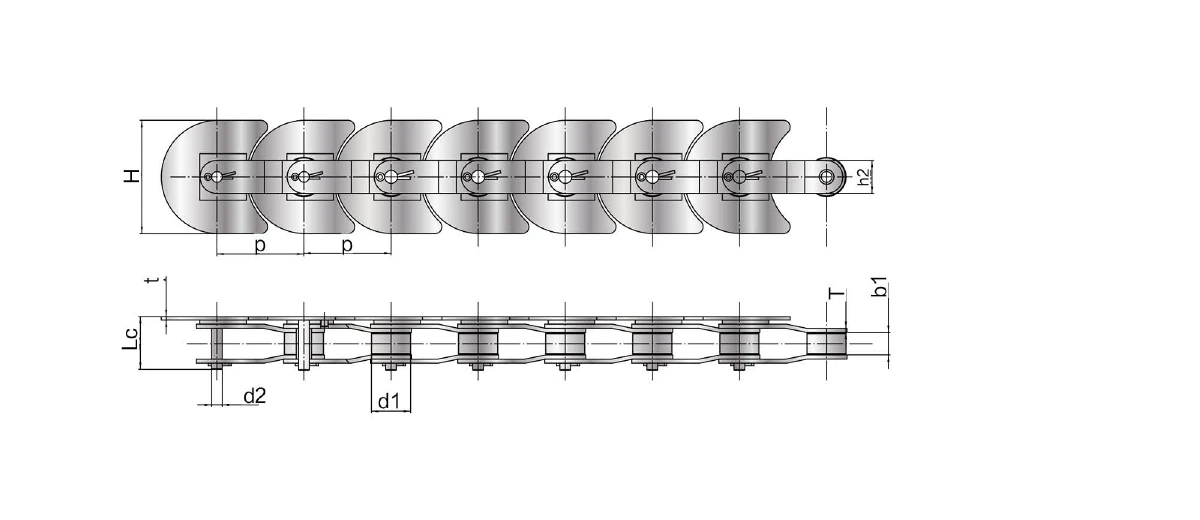
Chú thích kích thước: P = pitch; d1 = roller diameter; b1 = width between inner plates; d2 = pin diameter; H = top plate width; h2 = inner plate height; T = plate thickness; t = top plate thickness; Lc = chain width.
| Người mẫu | Bước ren P (mm) | Roller Diameter d1 (mm) | Width Between Inner Plates b1 (mm) | Pin Diameter d2 (mm) | Top Plate Width H (mm) | Inner Plate Height h2 (mm) | Plate Thickness T (mm) | Top Plate Thickness t (mm) | Chain Width Lc (mm) |
|---|---|---|---|---|---|---|---|---|---|
| SSSC76.2A | 76.20 | 49.50 | 19.00 | 7.92 | 175.00 | 22.00 | 2.50 | 3.00 | 42.50 |
Bảng này thể hiện dữ liệu cấu hình/mẫu có sẵn cho trang sản phẩm này. Các giá trị không được liệt kê ở đây cần được xác nhận từ bản vẽ dự án, linh kiện hiện tại hoặc giao diện máy móc chứ không phải suy luận từ dòng sản phẩm khác.
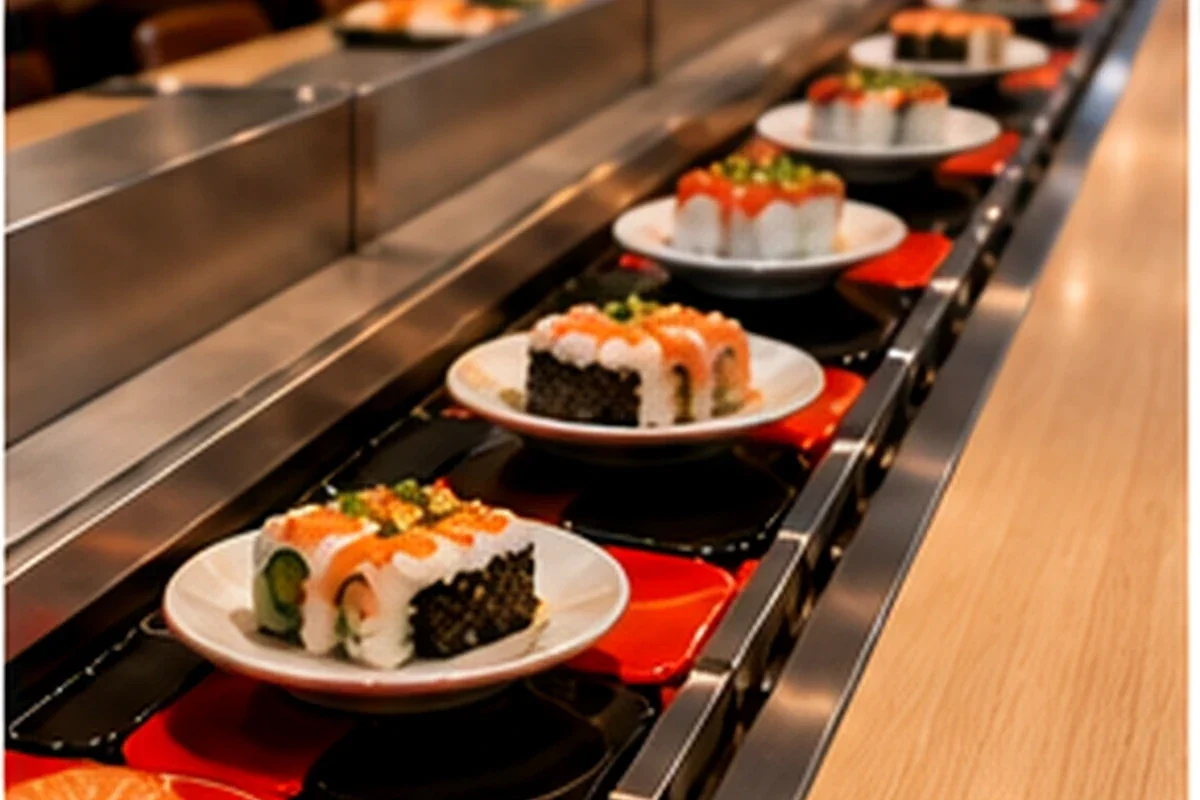
Đánh giá các bộ phận bên trong toàn bộ đường dẫn băng tải.
SSSC76.2A Sushi Conveyor Chain is considered for rotary sushi and plate-conveyor systems. In addition to the component dimensions, state the product being conveyed, spacing, line speed, starts and stops, curve or incline conditions, process zones and sanitation method. These operating inputs help identify the interfaces that deserve extra attention during approval.
Kiểm tra hệ thống truyền động, các bộ phận hỗ trợ, điểm truyền động và đường dẫn hồi xem có bị mòn hoặc thay đổi gì không. Nếu hư hỏng lặp lại ở một vị trí máy, hãy khắc phục sự cố ở điểm giao tiếp đó trước khi đánh giá việc thay thế xích hoặc dây đai mới. Một bộ phận thay thế không thể bù đắp cho các lỗi như gờ, thanh dẫn hướng bị lệch, bánh răng bị hỏng hoặc điểm truyền động không được hỗ trợ.
Where the project is considering a different conveying architecture, compare the complete machine interface rather than making a visual substitution. A related reference on tabletop conveyor chain architectures can help frame the architecture comparison; final suitability still depends on the actual conveyor.
Vận hành thử ở tốc độ thấp trước khi sản xuất bình thường.
During installation, clean the track and return rail before laying in the new chain, then verify that the chain can articulate freely through the tightest curve without forcing the top plates against fixed guides. Sprocket engagement should be checked by hand over several revolutions before powered commissioning. Initial testing should be performed empty, followed by representative dish loads distributed around the loop. Watch for localized lift, plate-to-guide contact, cyclic noise and changes in chain tension as the loop moves through transitions. These observations are more useful than simply checking that the conveyor can run at full speed.
Sau lần chạy thử ban đầu không tải, hãy so sánh các điểm quan sát tương tự dưới tải trọng đại diện. Ghi lại bất kỳ thay đổi nào về vị trí ngang, khớp nối, tác động truyền tải, tiếng ồn hoặc vị trí thu gọn. Một bản ghi vận hành ngắn gọn, có thể lặp lại sẽ giúp dễ dàng phân biệt quá trình chạy rà bình thường với sự cố giao diện máy móc cần được khắc phục trước khi sản xuất thường xuyên.
Làm sạch và kiểm tra các bánh răng, thanh dẫn hướng, giá đỡ và bộ truyền động trước khi lắp đặt linh kiện mới.
Xác nhận hướng chạy, vị trí ngang và sự ăn khớp mà không cần dùng lực ép bộ phận vào rãnh.
Hãy đi theo khớp nối hoặc hàng dây đai đã được đánh dấu xuyên suốt toàn bộ vòng lặp với tốc độ thấp nhất có thể.
Giới thiệu các yếu tố đại diện như tải trọng và kiểm tra lại quá trình truyền tải, đường cong, theo dõi và hành vi đường dẫn trở lại.
Giữ cho bề mặt tiếp xúc và các điểm khớp nối luôn trong tầm quan sát.
For food-service duty, cleaning access is part of the mechanical design. Remove product debris from the plate interfaces and guide path without levering the plates sideways. Use cleaning chemistry that is compatible with the specified stainless steel and any non-metallic guide components in the conveyor. After washdown, inspect the pin and roller zones for trapped residue, confirm that guide clearances have not been disturbed, and run the line slowly to detect a plate that was reinstalled out of alignment. Lubrication practice depends on the complete conveyor design and food-contact zone; the RFQ should therefore state whether the existing system is dry-running, centrally lubricated or manually lubricated rather than assuming a universal method.
Ghi lại bất kỳ dấu hiệu mài mòn cạnh, tiếp xúc dẫn hướng bị đánh bóng, biến dạng bộ phận gắn kết, chuyển động của chốt, lệch móc hoặc biến dạng lưới nào lặp đi lặp lại. Việc chụp ảnh có ghi ngày tháng tại cùng một điểm kiểm tra giúp dễ dàng nhận biết các thay đổi theo xu hướng hơn so với việc kiểm tra riêng lẻ khi kết thúc vòng đời sản phẩm.
Cố định các kích thước và kiểm tra quan trọng cho các đơn hàng lặp lại.
After the first acceptable sample or production batch is confirmed, retain the model/designation, current dimension record, approved photographs and the machine position where the component is used. For SSSC76.2A Sushi Conveyor Chain, include the features that control curve clearance, return-path support and sprocket engagement. If the conveyor is modified later, update the interface record instead of assuming the historical part number still describes the machine.
Đối với yêu cầu mới, hãy giữ mỗi mẫu sản phẩm như một dòng kỹ thuật riêng biệt, ngay cả khi nhiều mẫu được kết hợp về mặt thương mại. Ghi rõ số lượng mẫu và số lượng sản xuất riêng biệt. Nếu một loại vật liệu, điều kiện bề mặt hoặc quy trình đặc biệt nào đó là bắt buộc, hãy xác định nó như một yêu cầu để có thể xem xét so với mức tối thiểu của quy trình.
Các câu hỏi cần được giải đáp trước khi phê duyệt sản xuất
Confirm crescent top plate, central chain body, guide track and drive sprocket against the current machine. Record where the part is supported, guided and driven, and identify any feature that has been repaired or modified.
Describe product footprint, spacing, orientation and transfer points for rotary sushi and plate-conveyor systems. Note curves, inclines or hanging sections that change the clearance requirement.
Photograph recurring wear and identify the machine position where it occurs. Check curve clearance, return-path support and sprocket engagement before deciding that the old component itself caused the problem.
Đối với kiểm tra đầu vào, hãy chọn các kích thước có thể đo được một cách nhất quán và đối chiếu chúng với bản vẽ hoặc mẫu đã được phê duyệt. Không nên chỉ dựa vào hình thức bên ngoài làm tiêu chí chấp nhận khi hai cấu hình có hình dạng tổng thể tương tự nhau. Đối với việc vận hành thử, hãy ghi lại kết quả ở tốc độ thấp trước khi sản xuất bình thường để sau này việc bảo trì có cơ sở để so sánh.
Khi đặt hàng số lượng lặp lại, hãy cho biết máy móc, định dạng sản phẩm hoặc quy trình làm sạch có thay đổi so với lô hàng trước đó hay không. Một thay đổi nhỏ đối với các thanh dẫn hướng, bộ phận truyền tải hoặc khoảng cách giữa các sản phẩm có thể làm thay đổi giao diện điều khiển hiệu suất ngay cả khi kiểu linh kiện danh nghĩa vẫn giữ nguyên.
Confirm SSSC76.2A Sushi Conveyor Chain against the current conveyor before production quantity
A dimensional table identifies the listed product, but replacement approval should also compare the crescent top plate, central chain body, guide track and drive sprocket with the machine that will receive the part. For SSSC76.2A Sushi Conveyor Chain, record curve clearance, plate overlap, chain width and sprocket engagement using the same datums that will be used for incoming inspection. If an old component is worn, measure several repeats and photograph the least-damaged reference area rather than selecting one convenient value.
Ảnh chụp cần thể hiện nhiều hơn chỉ là bộ phận bị lỏng. Bao gồm đường dẫn truyền và đường hồi, cả hai mép băng tải, đoạn chuyển tiếp hẹp nhất và bất kỳ vị trí nào có hiện tượng mài mòn lặp lại. Thêm một ảnh chụp tổng thể máy để hướng vận hành và đường đi của sản phẩm được rõ ràng. Khi một bộ phận dẫn hướng, bánh răng, giá đỡ hoặc bộ phận truyền động đã được sửa chữa, hãy ghi chú sự thay đổi đó vì giao diện hiện tại của bộ phận thay thế phải khớp với giao diện đã được thiết kế.
Để phê duyệt mẫu, cần thống nhất các kích thước quan trọng và cấu hình hiển thị trước khi sản xuất mẫu. Trong quá trình thử nghiệm tốc độ thấp, hãy theo dõi một khớp nối, giá đỡ hoặc hàng dây đai đã được đánh dấu qua một vòng quay hoàn chỉnh và ghi nhận bất kỳ hiện tượng cọ xát, nâng lên, lệch, tiếng ồn tuần hoàn hoặc thay đổi vị trí sản phẩm nào. Nếu triệu chứng xuất hiện tại một vị trí cố định trên máy, hãy kiểm tra các bộ phận xung quanh trước khi thay đổi thông số kỹ thuật của linh kiện.
Đối với các đơn đặt hàng lặp lại, hãy giữ nguyên mẫu sản phẩm đã được chấp nhận, bản ghi kích thước và vị trí máy. Điều này giúp giảm sự mơ hồ khi cùng một cơ sở sử dụng các linh kiện tương tự trên nhiều dây chuyền. Nếu định dạng sản phẩm, bố trí dây chuyền hoặc quy trình làm sạch thay đổi, hãy bao gồm sự thay đổi đó trong yêu cầu tiếp theo ngay cả khi ký hiệu linh kiện không thay đổi.
SSSC76.2A Sushi Conveyor Chain FAQ
Are SSSC76.2A, SSSC76.2B and SSSC100 interchangeable?
No. They differ in pitch and/or top-plate and chain-width dimensions. Confirm the full dimension set and track interface before substitution.
What should I measure on an old sushi chain?
Measure multiple pitches, roller diameter, inner width, pin diameter, top-plate width and overall chain width, then photograph the curve and sprocket engagement.
Is the top plate a plastic attachment?
The series specification depicts this sushi chain as a stainless steel chain with a crescent-shaped metal top plate. Do not substitute a generic plastic tabletop chain without checking the complete conveyor design.
Can you quote from a sample or drawing?
Yes. A physical sample, dimensional drawing or clear photographs with measured reference dimensions make replacement identification more reliable.
What operating details help with selection?
Share conveyor speed, loop length, smallest curve radius, dish or carrier load, cleaning method, guide material and current sprocket information.
Kiểm tra các tính năng có thể đo lường được trước khi phát hành sản phẩm.
Sử dụng kích thước có thể tái tạo và hình ảnh máy móc hiện tại để kiểm tra hàng nhập và phê duyệt thay thế.

Khi dự án là thay thế hoặc nâng cấp, cần bao gồm cả đường dẫn băng tải hiện tại và điều kiện vận hành.