وصف المنتج
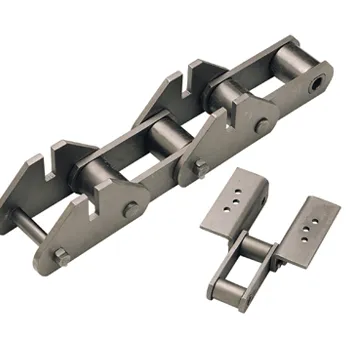
CZPT rollers enhance rotation on the bushing while reducing impact loads on the sprocket tooth during operation.
All components are heat treated to achieve maximum strength. All components are heat treated to achieve maximum strength.
Pre-loaded during the manufacturing process to minimize initial elongation.
Hot dipped lubrication ensures 100% lubrication of all chain components to extend wear life and reduce maintenance costs.
| ISO NO. |
ANSI NO. |
PITCH | ROLLER LINK WIDTH |
ROLLER DIA |
PIN | PLATE | MIN. TENSILE STRENGTH |
AVG. TENSILE STRENGTH |
MAX. ALLOWABLE LOAD |
Pt | |||
| P | W | د | d | Lc | L | تي | H | ||||||
| mm | mm | mm | mm | mm | mm | mm | mm | kgf | kgf | kgf | mm | ||
| 08AH | 40H | 12.700 | 7.850 | 7.850 | 3.980 | 19.000 | 20.100 | 12.00 | 2.00 | 1,700 | 2,100 | 400 | NIL |
| 10AH | 50H | 15.875 | 9.400 | 9.400 | 5.090 | 21.800 | 23.700 | 15.00 | 2.40 | 2,670 | 3,300 | 670 | NIL |
| 12AH | 60H | 19.050 | 12.580 | 12.580 | 5.960 | 30.200 | 34.800 | 18.00 | 3.20 | 3,830 | 4,550 | 980 | NIL |
| 16AH | 80H | 25.400 | 15.750 | 15.750 | 7.940 | 37.400 | 42.800 | 24.10 | 4.00 | 8,000 | 9,400 | 1,700 | NIL |
| 20AH | 100H | 31.750 | 18.900 | 18.900 | 9.540 | 44.500 | 50.600 | 30.10 | 4.80 | 10,650 | 13,700 | 2,500 | NIL |
| 24AH | 120H | 38.100 | 25.230 | 25.230 | 11.110 | 55.000 | 61.600 | 36.20 | 5.60 | 15,320 | 19,000 | 3,350 | NIL |
| 28AH | 140H | 44.450 | 25.230 | 25.230 | 12.710 | 59.000 | 66.400 | 42.20 | 6.40 | 20,850 | 23,000 | 4,400 | NIL |
| 32AH | 160H | 50.800 | 31.550 | 31.550 | 14.290 | 69.400 | 77.300 | 48.20 | 7.10 | 27,240 | 31,000 | 5,750 | NIL |
| 36AH | 180H | 57.150 | 35.490 | 35.490 | 17.460 | 77.300 | 86.400 | 54.30 | 7.90 | 30,040 | 34,500 | 6,600 | NIL |
| 40AH | 200H | 63.500 | 37.850 | 37.850 | 19.850 | 87.100 | 97.300 | 60.30 | 9.50 | 42,550 | 59,000 | 7,750 | NIL |
| 48AH | 240H | 76.200 | 47.350 | 47.350 | 23.810 | 111.400 | 121.900 | 72.40 | 12.70 | 63,730 | 71,000 | 10,500 | NIL |
| 12AH-2 | 60H-2 | 19.050 | 12.580 | 12.580 | 5.960 | 56.300 | 60.900 | 18.00 | 3.20 | 7,660 | 9,300 | 1,650 | 26.11 |
| 16AH-2 | 80H-2 | 25.400 | 16.760 | 15.750 | 7.940 | 70.000 | 75.400 | 24.10 | 4.00 | 16,000 | 18,800 | 2,800 | 32.59 |
| 20AH-2 | 100H-2 | 31.750 | 18.900 | 18.900 | 9.540 | 83.600 | 89.700 | 30.10 | 4.80 | 21,300 | 27,400 | 4,250 | 39.09 |
| 24AH-2 | 120H-2 | 38.100 | 25.230 | 25.230 | 11.110 | 103.900 | 110.500 | 36.20 | 5.60 | 30,640 | 38,000 | 5,650 | 48.87 |
| 28AH-2 | 140H-2 | 44.450 | 25.230 | 25.230 | 12.710 | 111.200 | 118.600 | 42.20 | 6.40 | 41,700 | 45,000 | 7,400 | 52.20 |
| 32AH-2 | 160H-2 | 50.800 | 31.550 | 31.550 | 14.290 | 131.300 | 139.200 | 48.20 | 7.10 | 54,480 | 62,000 | 9,600 | 61.90 |
| 36AH-2 | 180H-2 | 57.150 | 35.490 | 35.490 | 14.760 | 146.500 | 155.600 | 54.30 | 7.90 | 60,080 | 69,000 | 11,000 | 69.16 |
| 40AH-2 | 200H-2 | 53.500 | 37.850 | 37.850 | 19.860 | 165.400 | 175.600 | 60.30 | 9.50 | 85,100 | 98,000 | 12,850 | 78.31 |
| 48AH-2 | 240H-2 | 76.200 | 47.350 | 47.350 | 23.810 | 212.600 | 223.100 | 72.40 | 12.70 | 127,460 | 142,000 | 17,700 | 101.22 |
| الاستخدام: | Transmission Chain, Conveyor Chain, Heavy Type Short Pitch Roller Chain |
|---|---|
| مادة: | سبائك/فولاذ كربوني |
| معالجة السطح: | تلميع |
| ميزة: | مقاوم للحرارة |
| حجم السلسلة: | 1/2"*3" |
| بناء: | سلسلة بكرات |
| أمثلة: |
US$ 10/Meter
متر واحد (الحد الأدنى للطلب) | |
|---|
| التخصيص: |
متاح
| طلب مخصص |
|---|

ما هي الاعتبارات التي يجب مراعاتها عند اختيار سلسلة ناقلة مقاومة للتآكل؟
When selecting a corrosion-resistant conveyor chain, several considerations should be taken into account to ensure optimal performance and longevity in corrosive environments. Here are the key factors to consider:
– Material Selection:
Choose a conveyor chain material that is resistant to the specific corrosive agents present in the environment. Stainless steel, plastic, and special coatings such as zinc or nickel plating are commonly used for their corrosion resistance properties.
– Corrosion Resistance Ratings:
Review the corrosion resistance ratings of different chain materials and coatings. Look for industry standards such as ASTM or ISO ratings that indicate the material’s resistance to specific corrosive substances or environmental conditions.
– Environmental Factors:
Consider the specific environmental factors that contribute to corrosion, such as humidity, temperature, presence of chemicals or solvents, and exposure to saltwater or acids. Evaluate how these factors may impact the chain’s corrosion resistance requirements.
– Coating or Surface Treatment:
If using a metal chain, consider applying additional coatings or surface treatments to enhance its corrosion resistance. Options may include electroplating, powder coating, or using specialized anti-corrosion coatings.
– Compatibility with Cleaning Methods:
Ensure that the selected chain material is compatible with the cleaning methods and chemicals used in the application. Some corrosive-resistant materials may require specific cleaning procedures to maintain their performance and longevity.
– Operational Considerations:
Take into account the load capacity, speed, and operational requirements of the conveyor system. Ensure that the corrosion-resistant chain can withstand the mechanical stresses and operational demands without compromising its corrosion resistance properties.
– Cost-Effectiveness:
Weigh the initial cost and long-term benefits of using a corrosion-resistant conveyor chain. While corrosion-resistant materials may have a higher upfront cost, they can significantly reduce maintenance, replacement, and downtime costs associated with corrosion-related failures.
By considering these factors, you can select a corrosion-resistant conveyor chain that is well-suited for the specific corrosive environment, ensuring reliable and durable performance in applications such as chemical processing, food production, wastewater treatment, or outdoor environments.
كيف تؤثر سلسلة النقل على تدفق المواد في خط الإنتاج؟
تلعب سلسلة النقل دورًا حاسمًا في تسهيل التدفق السلس والفعال للمواد في خط الإنتاج. فيما يلي أهم الطرق التي تؤثر بها سلسلة النقل على تدفق المواد:
1. الحركة المستمرة: تُمكّن سلسلة النقل من الحركة المستمرة للمواد على طول خط الإنتاج. ومن خلال تثبيت المواد ونقلها بأمان، تضمن السلسلة تدفقًا ثابتًا دون انقطاعات أو تأخيرات.
٢. التحكم في السرعة: يمكن تعديل سرعة حركة سلسلة النقل لتتناسب مع معدل الإنتاج المطلوب. يتيح ذلك تحكمًا دقيقًا في تدفق المواد، مما يضمن توافقه مع العمليات اللاحقة وتجنب الاختناقات أو التحميل الزائد.
3. التوجيه والوضع: يمكن تصميم سلاسل النقل بملحقات أو تجهيزات خاصة لتوجيه المواد ووضعها بالشكل المطلوب. وهذا يضمن عرض المواد بشكل صحيح للمعالجة أو التجميع أو التعبئة، مما يُحسّن تدفق الإنتاج بشكل عام.
4. الفرز والتوزيع: في بعض التطبيقات، يمكن تجهيز سلاسل النقل بآليات لفرز المواد أو توزيعها بناءً على معايير محددة مسبقًا. وهذا يسمح بتوجيه المنتجات أو المكونات المختلفة بكفاءة إلى وجهاتها المحددة، مما يُحسّن تدفق المواد.
5. التجميع والتخزين المؤقت: يمكن أن تتضمن سلاسل النقل مناطق تجميع أو مناطق تخزين مؤقتة حيث يمكن للمواد أن تتوقف أو تتراكم مؤقتًا. تُعد هذه الميزة مفيدة عندما تتعرض العمليات اللاحقة لاضطرابات مؤقتة أو عندما تكون هناك حاجة إلى موازنة التدفق بين مراحل الإنتاج المختلفة.
٦. التكامل مع المعدات: يمكن دمج سلاسل النقل مع معدات أو آلات أخرى في خط الإنتاج، مثل الأذرع الروبوتية، وأنظمة التعبئة والتغليف الآلية، أو محطات الفحص. يتيح هذا التكامل السلس مناولة المواد بشكل متزامن، مما يحسن انسيابية وكفاءة عملية الإنتاج بأكملها.
٧. التخصيص لتلبية الاحتياجات الخاصة: يمكن تخصيص سلاسل النقل لتلبية متطلبات مناولة المواد المحددة. ويشمل ذلك اعتبارات مثل عرض السلسلة وطولها وتعديلات الارتفاع والميول الصاعدة أو الهابطة والملحقات أو الموجهات المتخصصة. يضمن هذا التخصيص أن يكون تدفق المواد مصممًا خصيصًا لتلبية الاحتياجات الفريدة لخط الإنتاج.
من خلال توفير طريقة موثوقة ومضبوطة لنقل المواد، تؤثر سلسلة النقل بشكل كبير على تدفق المواد في خط الإنتاج. فهي تعزز الإنتاجية، وتقلل من المناولة اليدوية، وتقلل من مخاطر الأخطاء أو التلف، وتساهم في نهاية المطاف في الكفاءة والنجاح الشاملين لعملية التصنيع.
How does a conveyor chain compare to other types of conveyor systems?
Conveyor chains are one of the common types of conveyor systems used in various industries. They offer specific advantages and characteristics that differentiate them from other types of conveyor systems.
1. Versatility: Conveyor chains are highly versatile and can be used for a wide range of applications, including horizontal, inclined, and vertical conveying. They can handle various types of materials, from bulk solids to individual items.
2. High Load Capacity: Conveyor chains are known for their high load-carrying capacity. They are designed to handle heavy loads and can be used in applications where other conveyor systems may not be suitable.
3. Durability: Conveyor chains are built to withstand harsh operating conditions and heavy-duty use. They are made from strong and durable materials, such as steel or alloy, that can withstand abrasion, impact, and wear.
4. Flexibility: Conveyor chains offer flexibility in terms of layout and design. They can be configured to accommodate complex conveyor paths, curves, and multiple discharge points, allowing for efficient material flow and system customization.
5. Cost-Effective: Conveyor chains often provide a cost-effective solution for material handling compared to other conveyor systems. They have a relatively low initial cost, require less maintenance, and have a longer service life.
However, it’s important to note that conveyor chains may not be suitable for every application. Other types of conveyor systems, such as belt conveyors, screw conveyors, or pneumatic conveyors, may offer specific advantages depending on the application requirements, material characteristics, or environmental factors.
Ultimately, the selection of the appropriate conveyor system depends on factors such as load capacity, material properties, layout constraints, cost considerations, and specific application needs.


editor by CX 2023-07-21