Mô tả sản phẩm
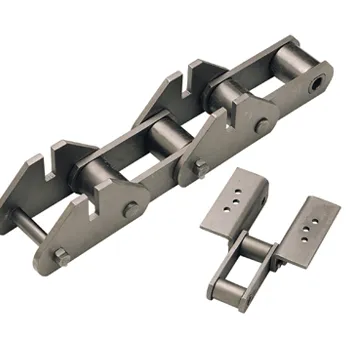
CZPT rollers enhance rotation on the bushing while reducing impact loads on the sprocket tooth during operation.
All components are heat treated to achieve maximum strength. All components are heat treated to achieve maximum strength.
Pre-loaded during the manufacturing process to minimize initial elongation.
Hot dipped lubrication ensures 100% lubrication of all chain components to extend wear life and reduce maintenance costs.
| ISO NO. |
ANSI NO. |
PITCH | ROLLER LINK WIDTH |
ROLLER DIA |
PIN | PLATE | MIN. TENSILE STRENGTH |
AVG. TENSILE STRENGTH |
MAX. ALLOWABLE LOAD |
Pt | |||
| P | W | D | d | Lc | L | T | H | ||||||
| mm | mm | mm | mm | mm | mm | mm | mm | kgf | kgf | kgf | mm | ||
| 08AH | 40H | 12.700 | 7.850 | 7.850 | 3.980 | 19.000 | 20.100 | 12.00 | 2.00 | 1,700 | 2,100 | 400 | NIL |
| 10AH | 50H | 15.875 | 9.400 | 9.400 | 5.090 | 21.800 | 23.700 | 15.00 | 2.40 | 2,670 | 3,300 | 670 | NIL |
| 12AH | 60H | 19.050 | 12.580 | 12.580 | 5.960 | 30.200 | 34.800 | 18.00 | 3.20 | 3,830 | 4,550 | 980 | NIL |
| 16AH | 80H | 25.400 | 15.750 | 15.750 | 7.940 | 37.400 | 42.800 | 24.10 | 4.00 | 8,000 | 9,400 | 1,700 | NIL |
| 20AH | 100H | 31.750 | 18.900 | 18.900 | 9.540 | 44.500 | 50.600 | 30.10 | 4.80 | 10,650 | 13,700 | 2,500 | NIL |
| 24AH | 120H | 38.100 | 25.230 | 25.230 | 11.110 | 55.000 | 61.600 | 36.20 | 5.60 | 15,320 | 19,000 | 3,350 | NIL |
| 28AH | 140H | 44.450 | 25.230 | 25.230 | 12.710 | 59.000 | 66.400 | 42.20 | 6.40 | 20,850 | 23,000 | 4,400 | NIL |
| 32AH | 160H | 50.800 | 31.550 | 31.550 | 14.290 | 69.400 | 77.300 | 48.20 | 7.10 | 27,240 | 31,000 | 5,750 | NIL |
| 36AH | 180H | 57.150 | 35.490 | 35.490 | 17.460 | 77.300 | 86.400 | 54.30 | 7.90 | 30,040 | 34,500 | 6,600 | NIL |
| 40AH | 200H | 63.500 | 37.850 | 37.850 | 19.850 | 87.100 | 97.300 | 60.30 | 9.50 | 42,550 | 59,000 | 7,750 | NIL |
| 48AH | 240H | 76.200 | 47.350 | 47.350 | 23.810 | 111.400 | 121.900 | 72.40 | 12.70 | 63,730 | 71,000 | 10,500 | NIL |
| 12AH-2 | 60H-2 | 19.050 | 12.580 | 12.580 | 5.960 | 56.300 | 60.900 | 18.00 | 3.20 | 7,660 | 9,300 | 1,650 | 26.11 |
| 16AH-2 | 80H-2 | 25.400 | 16.760 | 15.750 | 7.940 | 70.000 | 75.400 | 24.10 | 4.00 | 16,000 | 18,800 | 2,800 | 32.59 |
| 20AH-2 | 100H-2 | 31.750 | 18.900 | 18.900 | 9.540 | 83.600 | 89.700 | 30.10 | 4.80 | 21,300 | 27,400 | 4,250 | 39.09 |
| 24AH-2 | 120H-2 | 38.100 | 25.230 | 25.230 | 11.110 | 103.900 | 110.500 | 36.20 | 5.60 | 30,640 | 38,000 | 5,650 | 48.87 |
| 28AH-2 | 140H-2 | 44.450 | 25.230 | 25.230 | 12.710 | 111.200 | 118.600 | 42.20 | 6.40 | 41,700 | 45,000 | 7,400 | 52.20 |
| 32AH-2 | 160H-2 | 50.800 | 31.550 | 31.550 | 14.290 | 131.300 | 139.200 | 48.20 | 7.10 | 54,480 | 62,000 | 9,600 | 61.90 |
| 36AH-2 | 180H-2 | 57.150 | 35.490 | 35.490 | 14.760 | 146.500 | 155.600 | 54.30 | 7.90 | 60,080 | 69,000 | 11,000 | 69.16 |
| 40AH-2 | 200H-2 | 53.500 | 37.850 | 37.850 | 19.860 | 165.400 | 175.600 | 60.30 | 9.50 | 85,100 | 98,000 | 12,850 | 78.31 |
| 48AH-2 | 240H-2 | 76.200 | 47.350 | 47.350 | 23.810 | 212.600 | 223.100 | 72.40 | 12.70 | 127,460 | 142,000 | 17,700 | 101.22 |
| Cách sử dụng: | Transmission Chain, Conveyor Chain, Heavy Type Short Pitch Roller Chain |
|---|---|
| Vật liệu: | Alloy/Carbon Steel |
| Xử lý bề mặt: | Đánh bóng |
| Tính năng: | Chịu nhiệt |
| Kích thước dây chuyền: | 1/2"*3" |
| Kết cấu: | Xích con lăn |
| Mẫu: |
US$ 10/Meter
1 mét (Số lượng đặt hàng tối thiểu) | |
|---|
| Tùy chỉnh: |
Có sẵn
| Yêu cầu tùy chỉnh |
|---|

What are the considerations for selecting a corrosion-resistant conveyor chain?
When selecting a corrosion-resistant conveyor chain, several considerations should be taken into account to ensure optimal performance and longevity in corrosive environments. Here are the key factors to consider:
– Material Selection:
Choose a conveyor chain material that is resistant to the specific corrosive agents present in the environment. Stainless steel, plastic, and special coatings such as zinc or nickel plating are commonly used for their corrosion resistance properties.
– Corrosion Resistance Ratings:
Review the corrosion resistance ratings of different chain materials and coatings. Look for industry standards such as ASTM or ISO ratings that indicate the material’s resistance to specific corrosive substances or environmental conditions.
– Environmental Factors:
Consider the specific environmental factors that contribute to corrosion, such as humidity, temperature, presence of chemicals or solvents, and exposure to saltwater or acids. Evaluate how these factors may impact the chain’s corrosion resistance requirements.
– Coating or Surface Treatment:
If using a metal chain, consider applying additional coatings or surface treatments to enhance its corrosion resistance. Options may include electroplating, powder coating, or using specialized anti-corrosion coatings.
– Compatibility with Cleaning Methods:
Ensure that the selected chain material is compatible with the cleaning methods and chemicals used in the application. Some corrosive-resistant materials may require specific cleaning procedures to maintain their performance and longevity.
– Operational Considerations:
Take into account the load capacity, speed, and operational requirements of the conveyor system. Ensure that the corrosion-resistant chain can withstand the mechanical stresses and operational demands without compromising its corrosion resistance properties.
– Cost-Effectiveness:
Weigh the initial cost and long-term benefits of using a corrosion-resistant conveyor chain. While corrosion-resistant materials may have a higher upfront cost, they can significantly reduce maintenance, replacement, and downtime costs associated with corrosion-related failures.
By considering these factors, you can select a corrosion-resistant conveyor chain that is well-suited for the specific corrosive environment, ensuring reliable and durable performance in applications such as chemical processing, food production, wastewater treatment, or outdoor environments.
Hệ thống băng tải tác động như thế nào đến dòng chảy vật liệu trong dây chuyền sản xuất?
Hệ thống băng tải đóng vai trò quan trọng trong việc tạo điều kiện cho dòng chảy vật liệu trơn tru và hiệu quả trong dây chuyền sản xuất. Dưới đây là những cách chính mà hệ thống băng tải ảnh hưởng đến dòng chảy vật liệu:
1. Chuyển động liên tục: Hệ thống băng tải xích cho phép vận chuyển vật liệu liên tục dọc theo dây chuyền sản xuất. Bằng cách giữ và vận chuyển vật liệu một cách an toàn, hệ thống xích đảm bảo dòng chảy ổn định mà không bị gián đoạn hoặc chậm trễ.
2. Điều khiển tốc độ: Tốc độ di chuyển của băng tải có thể được điều chỉnh để phù hợp với tốc độ sản xuất mong muốn. Điều này cho phép kiểm soát chính xác dòng chảy vật liệu, đảm bảo sự đồng bộ với các quy trình tiếp theo và tránh tắc nghẽn hoặc quá tải.
3. Định hướng và Định vị: Các dây chuyền băng tải có thể được thiết kế với các phụ kiện hoặc đồ gá cụ thể để định hướng và định vị vật liệu theo cách mong muốn. Điều này đảm bảo vật liệu được đưa đến đúng vị trí để xử lý, lắp ráp hoặc đóng gói, tối ưu hóa toàn bộ quy trình sản xuất.
4. Phân loại và phân nhánh: Trong một số ứng dụng, xích băng tải có thể được trang bị các cơ cấu để phân loại hoặc phân nhánh vật liệu dựa trên các tiêu chí đã được xác định trước. Điều này cho phép định tuyến hiệu quả các sản phẩm hoặc linh kiện khác nhau đến các điểm đến tương ứng, giúp tối ưu hóa dòng chảy vật liệu.
5. Tích trữ và đệm: Hệ thống băng tải có thể tích hợp các khu vực tích trữ hoặc khu vực đệm, nơi vật liệu có thể tạm dừng hoặc tích tụ. Tính năng này hữu ích khi các quy trình tiếp theo gặp sự cố tạm thời hoặc khi cần cân bằng lưu lượng giữa các giai đoạn sản xuất khác nhau.
6. Tích hợp với thiết bị: Hệ thống băng tải có thể được tích hợp với các thiết bị hoặc máy móc khác trong dây chuyền sản xuất, chẳng hạn như cánh tay robot, hệ thống đóng gói tự động hoặc trạm kiểm tra. Sự tích hợp liền mạch này cho phép xử lý vật liệu đồng bộ, tối ưu hóa luồng và hiệu quả của toàn bộ quy trình sản xuất.
7. Tùy chỉnh cho nhu cầu cụ thể: Xích băng tải có thể được tùy chỉnh để đáp ứng các yêu cầu xử lý vật liệu cụ thể. Điều này bao gồm các yếu tố như chiều rộng, chiều dài, điều chỉnh chiều cao của xích, độ dốc lên hoặc xuống, và các phụ kiện hoặc dẫn hướng chuyên dụng. Việc tùy chỉnh như vậy đảm bảo rằng dòng chảy vật liệu được điều chỉnh phù hợp với nhu cầu riêng của dây chuyền sản xuất.
Bằng cách cung cấp phương pháp vận chuyển vật liệu đáng tin cậy và được kiểm soát, hệ thống băng tải xích có ảnh hưởng đáng kể đến dòng chảy vật liệu trong dây chuyền sản xuất. Nó giúp tăng năng suất, giảm thao tác thủ công, giảm thiểu rủi ro sai sót hoặc hư hỏng, và cuối cùng góp phần vào hiệu quả và sự thành công chung của quy trình sản xuất.
How does a conveyor chain compare to other types of conveyor systems?
Conveyor chains are one of the common types of conveyor systems used in various industries. They offer specific advantages and characteristics that differentiate them from other types of conveyor systems.
1. Versatility: Conveyor chains are highly versatile and can be used for a wide range of applications, including horizontal, inclined, and vertical conveying. They can handle various types of materials, from bulk solids to individual items.
2. High Load Capacity: Conveyor chains are known for their high load-carrying capacity. They are designed to handle heavy loads and can be used in applications where other conveyor systems may not be suitable.
3. Durability: Conveyor chains are built to withstand harsh operating conditions and heavy-duty use. They are made from strong and durable materials, such as steel or alloy, that can withstand abrasion, impact, and wear.
4. Flexibility: Conveyor chains offer flexibility in terms of layout and design. They can be configured to accommodate complex conveyor paths, curves, and multiple discharge points, allowing for efficient material flow and system customization.
5. Cost-Effective: Conveyor chains often provide a cost-effective solution for material handling compared to other conveyor systems. They have a relatively low initial cost, require less maintenance, and have a longer service life.
However, it’s important to note that conveyor chains may not be suitable for every application. Other types of conveyor systems, such as belt conveyors, screw conveyors, or pneumatic conveyors, may offer specific advantages depending on the application requirements, material characteristics, or environmental factors.
Ultimately, the selection of the appropriate conveyor system depends on factors such as load capacity, material properties, layout constraints, cost considerations, and specific application needs.


editor by CX 2023-07-21