产品描述
CZPT rollers enhance rotation on the bushing while reducing impact loads on the sprocket tooth during operation.
All components are heat treated to achieve maximum strength. All components are heat treated to achieve maximum strength.
Pre-loaded during the manufacturing process to minimize initial elongation.
Hot dipped lubrication ensures 100% lubrication of all chain components to extend wear life and reduce maintenance costs.
| ISO NO. |
ANSI NO. |
PITCH | ROLLER LINK WIDTH |
ROLLER DIA |
PIN | PLATE | MIN. TENSILE STRENGTH |
AVG. TENSILE STRENGTH |
MAX. ALLOWABLE LOAD |
Pt | |||
| P | W | D | d | Lc | L | T | H | ||||||
| 毫米 | 毫米 | 毫米 | 毫米 | 毫米 | 毫米 | 毫米 | 毫米 | kgf | kgf | kgf | 毫米 | ||
| 08AH | 40H | 12.700 | 7.850 | 7.850 | 3.980 | 19.000 | 20.100 | 12.00 | 2.00 | 1,700 | 2,100 | 400 | NIL |
| 10AH | 50H | 15.875 | 9.400 | 9.400 | 5.090 | 21.800 | 23.700 | 15.00 | 2.40 | 2,670 | 3,300 | 670 | NIL |
| 12AH | 60H | 19.050 | 12.580 | 12.580 | 5.960 | 30.200 | 34.800 | 18.00 | 3.20 | 3,830 | 4,550 | 980 | NIL |
| 16AH | 80H | 25.400 | 15.750 | 15.750 | 7.940 | 37.400 | 42.800 | 24.10 | 4.00 | 8,000 | 9,400 | 1,700 | NIL |
| 20AH | 100H | 31.750 | 18.900 | 18.900 | 9.540 | 44.500 | 50.600 | 30.10 | 4.80 | 10,650 | 13,700 | 2,500 | NIL |
| 24AH | 120H | 38.100 | 25.230 | 25.230 | 11.110 | 55.000 | 61.600 | 36.20 | 5.60 | 15,320 | 19,000 | 3,350 | NIL |
| 28AH | 140H | 44.450 | 25.230 | 25.230 | 12.710 | 59.000 | 66.400 | 42.20 | 6.40 | 20,850 | 23,000 | 4,400 | NIL |
| 32AH | 160H | 50.800 | 31.550 | 31.550 | 14.290 | 69.400 | 77.300 | 48.20 | 7.10 | 27,240 | 31,000 | 5,750 | NIL |
| 36AH | 180H | 57.150 | 35.490 | 35.490 | 17.460 | 77.300 | 86.400 | 54.30 | 7.90 | 30,040 | 34,500 | 6,600 | NIL |
| 40AH | 200H | 63.500 | 37.850 | 37.850 | 19.850 | 87.100 | 97.300 | 60.30 | 9.50 | 42,550 | 59,000 | 7,750 | NIL |
| 48AH | 240H | 76.200 | 47.350 | 47.350 | 23.810 | 111.400 | 121.900 | 72.40 | 12.70 | 63,730 | 71,000 | 10,500 | NIL |
| 12AH-2 | 60H-2 | 19.050 | 12.580 | 12.580 | 5.960 | 56.300 | 60.900 | 18.00 | 3.20 | 7,660 | 9,300 | 1,650 | 26.11 |
| 16AH-2 | 80H-2 | 25.400 | 16.760 | 15.750 | 7.940 | 70.000 | 75.400 | 24.10 | 4.00 | 16,000 | 18,800 | 2,800 | 32.59 |
| 20AH-2 | 100H-2 | 31.750 | 18.900 | 18.900 | 9.540 | 83.600 | 89.700 | 30.10 | 4.80 | 21,300 | 27,400 | 4,250 | 39.09 |
| 24AH-2 | 120H-2 | 38.100 | 25.230 | 25.230 | 11.110 | 103.900 | 110.500 | 36.20 | 5.60 | 30,640 | 38,000 | 5,650 | 48.87 |
| 28AH-2 | 140H-2 | 44.450 | 25.230 | 25.230 | 12.710 | 111.200 | 118.600 | 42.20 | 6.40 | 41,700 | 45,000 | 7,400 | 52.20 |
| 32AH-2 | 160H-2 | 50.800 | 31.550 | 31.550 | 14.290 | 131.300 | 139.200 | 48.20 | 7.10 | 54,480 | 62,000 | 9,600 | 61.90 |
| 36AH-2 | 180H-2 | 57.150 | 35.490 | 35.490 | 14.760 | 146.500 | 155.600 | 54.30 | 7.90 | 60,080 | 69,000 | 11,000 | 69.16 |
| 40AH-2 | 200H-2 | 53.500 | 37.850 | 37.850 | 19.860 | 165.400 | 175.600 | 60.30 | 9.50 | 85,100 | 98,000 | 12,850 | 78.31 |
| 48AH-2 | 240H-2 | 76.200 | 47.350 | 47.350 | 23.810 | 212.600 | 223.100 | 72.40 | 12.70 | 127,460 | 142,000 | 17,700 | 101.22 |
| 用法: | Transmission Chain, Conveyor Chain, Heavy Type Short Pitch Roller Chain |
|---|---|
| 材料: | 合金/碳钢 |
| 表面处理: | 抛光 |
| 特征: | 耐热 |
| 链条尺寸: | 1/2"*3" |
| 结构: | 滚子链 |
| 示例: |
US$ 10/Meter
1米(最小起订量) | |
|---|
| 定制化: |
可用的
| 定制请求 |
|---|

选择耐腐蚀输送链时需要考虑哪些因素?
When selecting a corrosion-resistant conveyor chain, several considerations should be taken into account to ensure optimal performance and longevity in corrosive environments. Here are the key factors to consider:
– Material Selection:
Choose a conveyor chain material that is resistant to the specific corrosive agents present in the environment. Stainless steel, plastic, and special coatings such as zinc or nickel plating are commonly used for their corrosion resistance properties.
– Corrosion Resistance Ratings:
Review the corrosion resistance ratings of different chain materials and coatings. Look for industry standards such as ASTM or ISO ratings that indicate the material’s resistance to specific corrosive substances or environmental conditions.
– Environmental Factors:
Consider the specific environmental factors that contribute to corrosion, such as humidity, temperature, presence of chemicals or solvents, and exposure to saltwater or acids. Evaluate how these factors may impact the chain’s corrosion resistance requirements.
– Coating or Surface Treatment:
If using a metal chain, consider applying additional coatings or surface treatments to enhance its corrosion resistance. Options may include electroplating, powder coating, or using specialized anti-corrosion coatings.
– Compatibility with Cleaning Methods:
Ensure that the selected chain material is compatible with the cleaning methods and chemicals used in the application. Some corrosive-resistant materials may require specific cleaning procedures to maintain their performance and longevity.
– Operational Considerations:
Take into account the load capacity, speed, and operational requirements of the conveyor system. Ensure that the corrosion-resistant chain can withstand the mechanical stresses and operational demands without compromising its corrosion resistance properties.
– Cost-Effectiveness:
Weigh the initial cost and long-term benefits of using a corrosion-resistant conveyor chain. While corrosion-resistant materials may have a higher upfront cost, they can significantly reduce maintenance, replacement, and downtime costs associated with corrosion-related failures.
By considering these factors, you can select a corrosion-resistant conveyor chain that is well-suited for the specific corrosive environment, ensuring reliable and durable performance in applications such as chemical processing, food production, wastewater treatment, or outdoor environments.
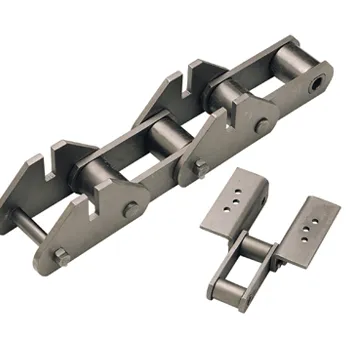
传送链如何影响生产线中的物料流动?
传送链在生产线中发挥着至关重要的作用,它能确保物料流畅高效地流动。以下是传送链影响物料流动的主要方式:
1. 连续运动:输送链可实现物料沿生产线的连续运动。通过牢固地固定和输送物料,输送链确保物料流畅运转,避免中断或延误。
2. 速度控制:传送链的运行速度可以调节,以匹配所需的生产速率。这可以精确控制物料流,确保其与下游工序协调一致,避免出现瓶颈或过载。
3. 定向和定位:输送链可设计有特定的附件或夹具,以按所需方式定向和定位物料。这确保物料能够正确地进行加工、组装或包装,从而优化整体生产流程。
4. 分拣和分流:在某些应用中,输送链可以配备基于预设标准的物料分拣或分流机构。这使得不同产品或组件能够高效地输送到各自的目的地,从而简化物料流。
5. 堆积和缓冲:输送链可以设置堆积区或缓冲区,供物料暂时停留或堆积。当下游工序出现暂时中断,或需要平衡不同生产阶段之间的物料流时,此功能非常有用。
6. 与设备的集成:输送链可以与生产线中的其他设备或机器集成,例如机械臂、自动化包装系统或检测站。这种无缝集成可实现物料的同步处理,从而优化整个生产过程的流程和效率。
7. 定制化满足特定需求:输送链可根据特定的物料搬运要求进行定制。这包括链条宽度、长度、高度调节、倾斜或下降以及专用附件或导轨等因素。这种定制化确保物料流能够满足生产线的独特需求。
通过提供可靠且可控的物料输送方式,输送链对生产线中的物料流动产生显著影响。它提高了生产效率,减少了人工搬运,最大限度地降低了出错或损坏的风险,并最终有助于提高整个制造过程的效率和成功率。
How does a conveyor chain compare to other types of conveyor systems?
Conveyor chains are one of the common types of conveyor systems used in various industries. They offer specific advantages and characteristics that differentiate them from other types of conveyor systems.
1. Versatility: Conveyor chains are highly versatile and can be used for a wide range of applications, including horizontal, inclined, and vertical conveying. They can handle various types of materials, from bulk solids to individual items.
2. High Load Capacity: Conveyor chains are known for their high load-carrying capacity. They are designed to handle heavy loads and can be used in applications where other conveyor systems may not be suitable.
3. Durability: Conveyor chains are built to withstand harsh operating conditions and heavy-duty use. They are made from strong and durable materials, such as steel or alloy, that can withstand abrasion, impact, and wear.
4. Flexibility: Conveyor chains offer flexibility in terms of layout and design. They can be configured to accommodate complex conveyor paths, curves, and multiple discharge points, allowing for efficient material flow and system customization.
5. Cost-Effective: Conveyor chains often provide a cost-effective solution for material handling compared to other conveyor systems. They have a relatively low initial cost, require less maintenance, and have a longer service life.
However, it’s important to note that conveyor chains may not be suitable for every application. Other types of conveyor systems, such as belt conveyors, screw conveyors, or pneumatic conveyors, may offer specific advantages depending on the application requirements, material characteristics, or environmental factors.
Ultimately, the selection of the appropriate conveyor system depends on factors such as load capacity, material properties, layout constraints, cost considerations, and specific application needs.


editor by CX 2023-07-21