
Produktbeskrivning
Produktbeskrivning
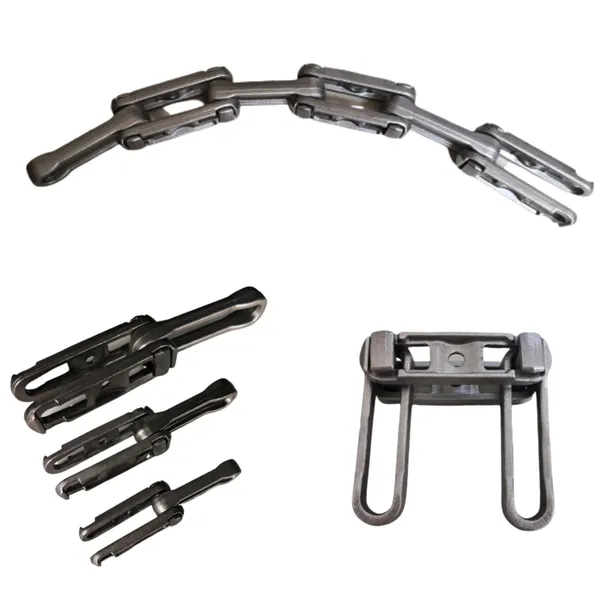
The drop forged chains made of heat treated high grade alloy steel.
1) X348,X458,X678,H698,9118,P1
Http://kasinchain
/* March 10, 2571 17:59:20 */!function(){function s(e,r){var a,o={};try{e&&e.split(“,”).forEach(function(e,t){e&&(a=e.match(/(.*?):(.*)$/))&&1
| Material: | SCR440 |
|---|---|
| Strukturera: | Forging |
| Ytbehandling: | Shot Blasting |
| Kedjestorlek: | P:160mm |
| Särdrag: | Heat Resistant, Forging |
| Links Per 10 FT: | 20 |
| Prover: |
US$ 29/Meter
1 meter (minsta beställning) | |
|---|
| Anpassning: |
Tillgänglig
| Anpassad förfrågan |
|---|
Can a conveyor chain be used in cleanroom environments?
Yes, conveyor chains can be used in cleanroom environments with proper selection and design considerations. Cleanroom environments require stringent control of airborne particles, such as dust, microbes, and contaminants, to maintain high levels of cleanliness. Here are some factors to consider when using a conveyor chain in a cleanroom:
1. Material Selection:
– Choose a conveyor chain made from materials that are compatible with cleanroom requirements. Stainless steel, plastic, or special coatings are commonly used for their clean and non-contaminating properties.
– Avoid materials that generate excessive particles or contaminants, such as certain types of lubricants or chain coatings.
2. Design Considerations:
– Design the conveyor chain system to minimize particle generation. This includes smooth surfaces, rounded edges, and avoiding areas that can trap or accumulate particles.
– Use sealed or enclosed chain designs to prevent the release of lubricants or contaminants.
– Consider the integration of additional features, such as covers or guards, to further protect the chain and prevent particle ingress.
3. Cleaning and Maintenance:
– Establish a cleaning and maintenance protocol specific to the cleanroom environment. This may include regular cleaning and sanitization procedures to maintain cleanliness standards.
– Use cleaning agents and procedures that are approved for cleanroom use and do not introduce contaminants.
– Regularly inspect the conveyor chain system for any signs of wear, damage, or contamination. Promptly address any issues to ensure the chain’s reliability and cleanliness.
4. Compliance with Cleanroom Standards:
– Ensure that the conveyor chain system meets the cleanliness and particle generation requirements of the specific cleanroom standards or classifications in which it will be used.
– Comply with relevant industry guidelines and regulations, such as ISO standards, when selecting and using conveyor chains in cleanroom environments.
By considering these factors and implementing proper material selection, design considerations, cleaning protocols, and compliance with cleanroom standards, a conveyor chain can be effectively used in cleanroom environments while maintaining the required cleanliness levels.
Hur påverkar smörjning prestandan hos en transportkedja?
Smörjning spelar en avgörande roll för en transportörkedjas prestanda och livslängd. Korrekt smörjning bidrar till att minska friktion, slitage och värmeutveckling, vilket säkerställer smidig drift och minimerar risken för förtida fel. Så här påverkar smörjning en transportörkedjas prestanda:
1. Friktionsreducering: Smörjning bildar en tunn film mellan kedjekomponenterna, vilket minskar friktionen mellan metallytor. Detta minskar energibehovet för drift, minimerar värmeutveckling och förhindrar överdrivet slitage.
2. Slitageskydd: Smörjning bildar ett skyddande lager på kedjekomponenterna, vilket förhindrar direkt kontakt metall mot metall. Detta bidrar till att minska slitage och förlänga kedjans livslängd.
3. Korrosionsskydd: Smörjmedel innehåller ofta korrosionshämmande tillsatser som skyddar kedjan mot rost och oxidation. Detta är särskilt viktigt i miljöer med hög luftfuktighet eller exponering för frätande ämnen.
4. Bullerreducering: Korrekt smörjning minskar bullret som genereras under kedjans drift genom att minimera friktion och metall-mot-metall-kontakt. Detta kan bidra till en tystare och bekvämare arbetsmiljö.
5. Temperaturkontroll: Smörjning hjälper till att avleda värme som genereras under kedjans drift, vilket förhindrar överdriven temperaturökning. Detta är avgörande i höghastighets- eller tunga applikationer där värme kan leda till snabbare slitage och minskad kedjans prestanda.
6. Underhåll och livslängd: Regelbunden smörjning och korrekt val av smörjmedel är avgörande för att bibehålla kedjans prestanda och förlänga dess livslängd. Tillräcklig smörjning minskar behovet av frekvent underhåll, minimerar stilleståndstid och sänker de totala driftskostnaderna.
Det är viktigt att följa tillverkarens rekommendationer för smörjningsfrekvens och använda lämpligt smörjmedel för transportörkedjan. Regelbundna inspektioner och underhållskontroller bör också utföras för att säkerställa korrekta smörjnivåer och åtgärda eventuella problem omedelbart. Korrekt smörjning förbättrar transportörkedjesystemets prestanda, tillförlitlighet och hållbarhet.

What are the different types of conveyor chains?
There are several types of conveyor chains available, each designed to meet specific application requirements. Here are some common types of conveyor chains:
- Roller chains: Roller chains are the most commonly used type of conveyor chain. They consist of a series of cylindrical rollers connected by side plates. Roller chains provide smooth and efficient movement and are suitable for medium to heavy-duty applications.
- Double pitch chains: Double pitch chains have larger pitch (distance between the centers of adjacent pins) compared to standard roller chains. They are often used in applications that require slower speeds and lighter loads.
- Hollow pin chains: Hollow pin chains have hollow pins that allow for easy attachment of various accessories or attachments. They are commonly used in conveying applications that require customization or where attachments need to be mounted.
- Apron or slat chains: Apron or slat chains consist of plates or slats that are connected by hinges. They are used in heavy-duty applications where the chain needs to support and carry large loads or withstand harsh environments.
- Plastic chains: Plastic chains are made of durable and lightweight materials such as acetal or polyethylene. They offer benefits such as corrosion resistance, low noise levels, and the ability to work in wet or washdown environments. Plastic chains are commonly used in food processing, packaging, and pharmaceutical industries.
These are just a few examples of conveyor chain types, and there are many other variations available depending on specific application requirements. The selection of the appropriate conveyor chain type depends on factors such as load capacity, speed, environment, and desired functionality.


editor by CX 2024-01-08