Опис продукту
Про завод
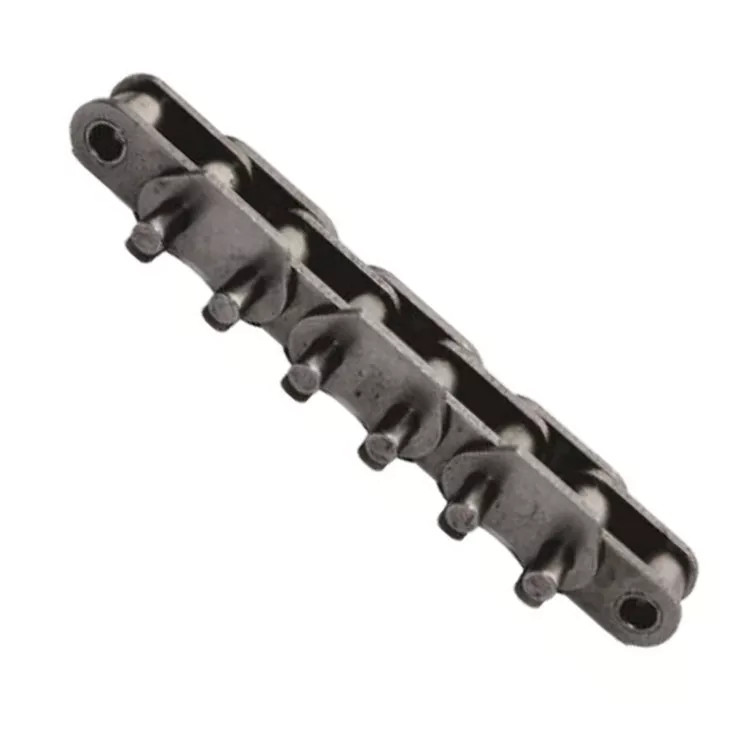
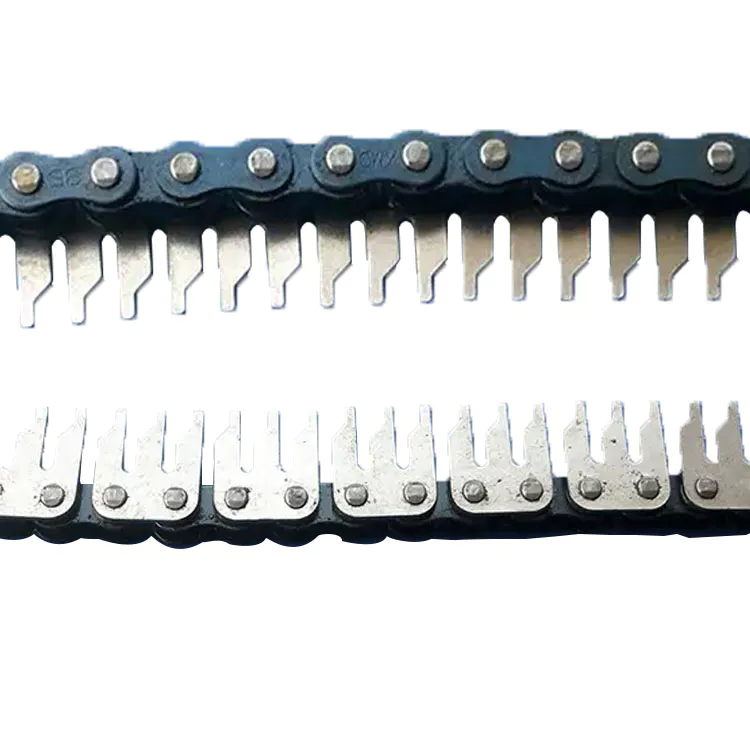
З більш ніж 18-річна історія, ми є професійним виробником кованих виробів, таких як ковані ланцюги (X348 X458 X658 X678 X698 F100 F160), скребкові ланцюги (10160, 14218, 14226, 142N), конвеєрні візки (X348, X458, X678, XT160) та приводні ланцюги (X348, X458, X678) тощо.
Крім того, ми також можемо виготовити за вашим кресленням або зразком спеціальний ланковий ланцюг, штовхач, штифт та пластину відповідно до унікальних вимог замовника.
Опис продукту
1) Матеріал: легована сталь, 40Cr, 42CrMo тощо.
2) Типи: Стандартні типи, X348 X458 X678 тощо. (Або згідно з вашим кресленням)
3) Процес: Лиття → Кування → Полірування та вибухоструминна обробка → Тонка обробка → Термічна обробка → Вибухоструминна обробка → Перевірка та випробування → Упаковка
Виставка продуктів
Технічні дані
| Модель | Вимір | Вага (кг) | Матеріал | Твердість | Робоче навантаження (кН) | Граничне навантаження (кН) | ||||||
| П | Т | С | С | Ф | Р | Д | ||||||
| 10160Б | 101.6 | 24 | 36 | 13 | 14 | 6 | 14 | 0.32 | 20CrMnTi | Поверхня HRC56-64° Глибина 0,6-1,2 мм |
18 | 100 |
| 10160 | 101.6 | 30 | 36 | 13 | 14.5 | 9 | 14 | 0.36 | 20CrMnTi | Поверхня HRC56-64° Глибина 0,6-1,2 мм | 21.6 | 120 |
| 14218 | 142 | 42 | 50 | 19 | 20.5 | 11 | 25 | 1.15 | 20CrMnTi | Поверхня HRC56-64° Глибина 0,6-1,2 мм | 48.6 | 270 |
| 14226 | 142 | 62 | 50 | 28 | 30 | 15 | 25 | 1.75 | 20CrMnTi | Поверхня HRC56-64° Глибина 0,6-1,2 мм | 61.2 | 340 |
| 2571 | 200 | 66 | 60 | 30 | 32 | 18 | 30 | 2.8 | 20CrMnTi | Поверхня HRC56-64° Глибина 0,6-1,2 мм | 72 | 400 |
| 26014 | 260 | 70 | 75 | 31 | 33 | 20 | 34 | 5.2 | 20CrMnTi | Поверхня HRC56-64° Глибина 0,6-1,2 мм | 135 | 750 |
| 142N | 142 | 43 | 50 | 19 | 22 | 12.5 | 25 | 1.2 | 40Кр | Гартування HRC36-44° | 75.6 | 420 |
| 150D | 142 | 42 | 50 | 19 | 20.5 | 11 | 25 | 1.15 | 40Кр | Гартування HRC36-44° | 75.6 | 420 |
| МГ20 | 200 | 70 | 50 | 27 | 29 | 17 | 35 | 3.78 | 40Кр | Гартування HRC36-44° | 144 | 800 |
| МГ20Б | 200 | 70 | 50 | 27 | 29 | 17 | 30 | 3.82 | 40Кр | Гартування HRC36-44° | 140.4 | 780 |
| МГ20С | 200 | 70 | 50 | 27 | 29 | 17 | 28 | 3.85 | 40Кр | Гартування HRC36-44° | 122.4 | 680 |
| МС32 | 200 | 42 | 50 | 20 | 22 | 12 | 25 | 1.4 | 40Кр | Гартування HRC36-44° | 75.6 | 420 |
| МС55 | 200 | 80 | 70 | 35 | 38 | 25 | 28 | 4.36 | 40Кр | Гартування HRC36-44° | 138.6 | 770 |
| 3006 | 200 | 65 | 70 | 30 | 33 | 24 | 32 | 3.6 | 40Кр | Гартування HRC36-44° | 160.2 | 890 |
| МС63 | 250 | 70 | 80 | 30 | 33 | 20 | 32 | 4.93 | 40Кр | Гартування HRC36-44° | 147.6 | 820 |
| С16 | 100 | 30 | 27 | 15 | 16 | 8 | 14 | 0.3 | 40Кр | Гартування HRC36-44° | 16 | 88 |
| С20 | 125 | 34 | 33 | 17 | 18 | 8 | 17 | 0.37 | 40Кр | Гартування HRC36-44° | 19.4 | 108 |
| С25 | 160 | 48 | 39 | 23 | 25 | 13 | 20 | 1.28 | 40Кр | Гартування HRC36-44° | 55.8 | 310 |
| С30 | 142 | 46 | 49 | 22 | 23.5 | 14 | 25 | 1.3 | 40Кр | Гартування HRC36-44° | 91.8 | 510 |
| З16 | 100 | 40 | 35 | 18 | 20 | 12 | 17 | 0.4 | 40Кр | Гартування HRC36-44° | 32.4 | 180 |
| Z20 | 125 | 50 | 46 | 24 | 26 | 15 | 20 | 0.67 | 40Кр | Гартування HRC36-44° | 59.4 | 330 |
| З20Д | 125 | 52 | 60 | 24 | 26 | 16 | 26 | 1.15 | 40Кр | Гартування HRC36-44° | 82.8 | 460 |
| Z25 | 160 | 58 | 55 | 28 | 30 | 18 | 25 | 2.25 | 40Кр | Гартування HRC36-44° | 82.8 | 460 |
| З25Д | 160 | 66 | 64 | 29 | 31 | 22 | 28 | 2.6 | 40Кр | Гартування HRC36-44° | 120.6 | 670 |
| Z30 | 142 | 64 | 50 | 29 | 30.5 | 18 | 25 | 1.8 | 40Кр | Гартування HRC36-44° | 111.6 | 620 |
Продукція та випробувальне обладнання
Застосування продуктів
Упаковка та доставка
Чому варто обрати нас?
1. Ми працюємо в ланцюговій галузі понад 15 років і маємо багатий ринковий досвід. Ми постійно вдосконалюємо технології виробництва. Вся продукція має довший термін служби та пройшла ринкові випробування.
2. Ми можемо розробити правильні ланцюги з високоякісного матеріалу, з хорошою стійкістю до стирання, хорошою стійкістю до корозії, високою міцністю тощо відповідно до вашого запиту або застосування ланцюга.
3. Ми є виробником ланцюгів; ви можете придбати продукт безпосередньо у нас за низькою ціною та високою якістю.
4. У нас є професійна команда з міжнародної торгівлі, вони мають великий досвід і завжди готові вирішити проблеми клієнтів. Тож вам нема про що турбуватися.
5. У нас є довгостроковий експедитор, який може запропонувати нам найнижчу вартість перевезення. Це може допомогти вам заощадити на перевезенні. Більше того, для повного контейнера з вантажем (FCL) ми розробимо упаковку відповідно до розмірів контейнерів з найбільшою місткістю, щоб заощадити на вартості доставки для нас обох.
/* 22 січня 2571 19:08:37 */!function(){function s(e,r){var a,o={};try{e&&e.split(“,”).forEach(function(e,t){e&&(a=e.match(/(.*?):(.*)$/))&&1
| Стандартний або нестандартний: | Стандартний |
|---|---|
| Застосування: | Текстильне обладнання, швейне обладнання, конвеєрне обладнання, пакувальне обладнання, електромобілі, мотоцикли, харчове обладнання, гірничодобувне обладнання, сільськогосподарська техніка, покриття, обприскування, видобуток корисних копалин, забій, складання |
| Обробка поверхні: | Полірування |
| Структура: | Combined Chain |
| Матеріал: | Alloy |
| Тип: | Cranked Link Chain |
| Зразки: |
US$ 5/шт.
1 штука (мінімальне замовлення) | |
|---|
| Налаштування: |
Доступно
| Індивідуальний запит |
|---|

What are the considerations for selecting a low-maintenance conveyor chain?
When selecting a low-maintenance conveyor chain, several considerations should be taken into account:
1. Material Selection:
– Choose a conveyor chain made from materials that are resistant to wear, corrosion, and contamination. Stainless steel, plastic, or self-lubricating chains are commonly used for their durability and low maintenance requirements.
2. Lubrication-Free Design:
– Look for conveyor chains that have a self-lubricating design or are pre-lubricated with materials that reduce friction and eliminate the need for additional lubrication. This helps to minimize maintenance tasks associated with regular lubrication.
3. Sealed Construction:
– Consider conveyor chains with sealed construction to prevent the ingress of dirt, debris, and moisture. Sealed chains require less frequent cleaning and maintenance, making them ideal for low-maintenance applications.
4. Easy Cleaning:
– Opt for conveyor chains that are designed for easy cleaning. Smooth surfaces, open structures, and accessible components allow for quick and efficient cleaning, reducing maintenance time and effort.
5. Resistance to Contamination:
– Select a conveyor chain that is resistant to contamination. This includes resistance to chemicals, oils, greases, and other substances commonly found in the application environment. Chains that can withstand contamination require less frequent cleaning and maintenance.
6. Wear Monitoring:
– Look for conveyor chains that have wear monitoring features, such as wear indicators or sensors. These features help to identify chain wear and provide timely maintenance alerts, allowing for proactive replacement or adjustment.
7. Manufacturer Support:
– Consider the support provided by the chain manufacturer. A reputable manufacturer will offer guidance on maintenance intervals, replacement schedules, and provide technical assistance to ensure the proper functioning of the chain.
By considering these factors, you can select a low-maintenance conveyor chain that minimizes the need for frequent inspections, lubrication, cleaning, and replacement, resulting in reduced maintenance efforts and costs.
How do you prevent corrosion in conveyor chains?
Preventing corrosion in conveyor chains is essential for maintaining their performance and prolonging their lifespan. Here are some effective measures to prevent corrosion:
1. Material Selection: Choose conveyor chains made from corrosion-resistant materials such as stainless steel, plastic, or coatings specifically designed to resist corrosion. These materials offer better protection against rust and corrosion compared to standard steel chains.
2. Proper Lubrication: Apply a suitable lubricant to the conveyor chain regularly. Lubrication creates a protective barrier that helps prevent moisture and contaminants from reaching the metal surface, reducing the risk of corrosion. Select a lubricant that provides corrosion protection properties and is compatible with the chain material.
3. Environmental Controls: Control the operating environment to minimize exposure to corrosive elements. Implement measures such as humidity control, proper ventilation, and protection from direct contact with water or chemicals. Consider using covers or enclosures to shield the conveyor chain from environmental factors that can accelerate corrosion.
4. Surface Treatments: Apply corrosion-resistant coatings or treatments to the conveyor chain. These coatings can provide an additional protective layer that acts as a barrier against moisture and corrosive substances. Examples of surface treatments include zinc plating, galvanizing, or epoxy coatings.
5. Regular Inspections and Cleaning: Regularly inspect the conveyor chain for signs of corrosion or damage. Remove any accumulated dirt, debris, or corrosive substances promptly. Cleaning the chain helps prevent the buildup of contaminants that can accelerate corrosion.
6. Preventive Maintenance: Implement a preventive maintenance program that includes regular cleaning, lubrication, and inspection of the conveyor chain. This proactive approach helps identify and address any potential corrosion issues early on, preventing further damage.
7. Proper Storage: When not in use, store the conveyor chains in a dry and controlled environment. Protect them from exposure to moisture, humidity, and corrosive substances. Use appropriate storage methods, such as hanging the chains or storing them in sealed containers.
By following these preventive measures, you can significantly reduce the risk of corrosion in conveyor chains, ensuring their optimal performance and longevity.
How do you troubleshoot common issues with conveyor chains?
Troubleshooting common issues with conveyor chains involves identifying the problem and taking appropriate steps to resolve it. Here are some common issues and troubleshooting approaches:
- Chain Slippage: If the chain is slipping or not engaging properly with the sprockets, check for proper tensioning, alignment, and lubrication. Adjust the tension if necessary and ensure the chain is properly aligned with the sprockets.
- Chain Jamming: If the chain is frequently jamming or getting stuck, inspect the conveyor for any obstructions or foreign objects that may be causing the issue. Clear any debris or blockages and ensure the chain’s path is clear.
- Excessive Noise: If the chain is making loud or unusual noises, check for proper lubrication. Insufficient lubrication can cause increased friction and noise. Apply the appropriate lubricant according to the manufacturer’s recommendations.
- Chain Breakage: If the chain is breaking frequently, inspect for any damaged or worn-out components. Replace any broken or worn links, pins, or attachments. Also, check for proper tensioning and alignment, as excessive tension or misalignment can lead to chain breakage.
- Chain Wear: If the chain shows signs of wear, such as elongation or corrosion, consider replacing it. Excessive wear can affect the performance and lifespan of the chain. Regularly inspect and measure the chain for wear and replace it when necessary.
It’s important to follow proper maintenance practices, including regular inspection, lubrication, and tensioning, to prevent and address common issues with conveyor chains. Consult the manufacturer’s guidelines and seek professional assistance if needed.


editor by CX 2024-05-03