مصنوعات کی تفصیل
CZPT rollers enhance rotation on the bushing while reducing impact loads on the sprocket tooth during operation.
All components are heat treated to achieve maximum strength. All components are heat treated to achieve maximum strength.
Pre-loaded during the manufacturing process to minimize initial elongation.
Hot dipped lubrication ensures 100% lubrication of all chain components to extend wear life and reduce maintenance costs.
| ISO NO. |
ANSI NO. |
PITCH | ROLLER LINK WIDTH |
ROLLER DIA |
PIN | PLATE | MIN. TENSILE STRENGTH |
AVG. TENSILE STRENGTH |
MAX. ALLOWABLE LOAD |
Pt | |||
| P | W | D | d | Lc | L | T | H | ||||||
| mm | mm | mm | mm | mm | mm | mm | mm | kgf | kgf | kgf | mm | ||
| 08AH | 40H | 12.700 | 7.850 | 7.850 | 3.980 | 19.000 | 20.100 | 12.00 | 2.00 | 1,700 | 2,100 | 400 | NIL |
| 10AH | 50H | 15.875 | 9.400 | 9.400 | 5.090 | 21.800 | 23.700 | 15.00 | 2.40 | 2,670 | 3,300 | 670 | NIL |
| 12AH | 60H | 19.050 | 12.580 | 12.580 | 5.960 | 30.200 | 34.800 | 18.00 | 3.20 | 3,830 | 4,550 | 980 | NIL |
| 16AH | 80H | 25.400 | 15.750 | 15.750 | 7.940 | 37.400 | 42.800 | 24.10 | 4.00 | 8,000 | 9,400 | 1,700 | NIL |
| 20AH | 100H | 31.750 | 18.900 | 18.900 | 9.540 | 44.500 | 50.600 | 30.10 | 4.80 | 10,650 | 13,700 | 2,500 | NIL |
| 24AH | 120H | 38.100 | 25.230 | 25.230 | 11.110 | 55.000 | 61.600 | 36.20 | 5.60 | 15,320 | 19,000 | 3,350 | NIL |
| 28AH | 140H | 44.450 | 25.230 | 25.230 | 12.710 | 59.000 | 66.400 | 42.20 | 6.40 | 20,850 | 23,000 | 4,400 | NIL |
| 32AH | 160H | 50.800 | 31.550 | 31.550 | 14.290 | 69.400 | 77.300 | 48.20 | 7.10 | 27,240 | 31,000 | 5,750 | NIL |
| 36AH | 180H | 57.150 | 35.490 | 35.490 | 17.460 | 77.300 | 86.400 | 54.30 | 7.90 | 30,040 | 34,500 | 6,600 | NIL |
| 40AH | 200H | 63.500 | 37.850 | 37.850 | 19.850 | 87.100 | 97.300 | 60.30 | 9.50 | 42,550 | 59,000 | 7,750 | NIL |
| 48AH | 240H | 76.200 | 47.350 | 47.350 | 23.810 | 111.400 | 121.900 | 72.40 | 12.70 | 63,730 | 71,000 | 10,500 | NIL |
| 12AH-2 | 60H-2 | 19.050 | 12.580 | 12.580 | 5.960 | 56.300 | 60.900 | 18.00 | 3.20 | 7,660 | 9,300 | 1,650 | 26.11 |
| 16AH-2 | 80H-2 | 25.400 | 16.760 | 15.750 | 7.940 | 70.000 | 75.400 | 24.10 | 4.00 | 16,000 | 18,800 | 2,800 | 32.59 |
| 20AH-2 | 100H-2 | 31.750 | 18.900 | 18.900 | 9.540 | 83.600 | 89.700 | 30.10 | 4.80 | 21,300 | 27,400 | 4,250 | 39.09 |
| 24AH-2 | 120H-2 | 38.100 | 25.230 | 25.230 | 11.110 | 103.900 | 110.500 | 36.20 | 5.60 | 30,640 | 38,000 | 5,650 | 48.87 |
| 28AH-2 | 140H-2 | 44.450 | 25.230 | 25.230 | 12.710 | 111.200 | 118.600 | 42.20 | 6.40 | 41,700 | 45,000 | 7,400 | 52.20 |
| 32AH-2 | 160H-2 | 50.800 | 31.550 | 31.550 | 14.290 | 131.300 | 139.200 | 48.20 | 7.10 | 54,480 | 62,000 | 9,600 | 61.90 |
| 36AH-2 | 180H-2 | 57.150 | 35.490 | 35.490 | 14.760 | 146.500 | 155.600 | 54.30 | 7.90 | 60,080 | 69,000 | 11,000 | 69.16 |
| 40AH-2 | 200H-2 | 53.500 | 37.850 | 37.850 | 19.860 | 165.400 | 175.600 | 60.30 | 9.50 | 85,100 | 98,000 | 12,850 | 78.31 |
| 48AH-2 | 240H-2 | 76.200 | 47.350 | 47.350 | 23.810 | 212.600 | 223.100 | 72.40 | 12.70 | 127,460 | 142,000 | 17,700 | 101.22 |
| استعمال: | Transmission Chain, Conveyor Chain, Heavy Type Short Pitch Roller Chain |
|---|---|
| مواد: | کھوٹ/کاربن اسٹیل |
| سطح کا علاج: | پالش کرنا |
| خصوصیت: | گرمی مزاحم |
| سلسلہ کا سائز: | 1/2"*3" |
| ساخت: | رولر چین |
| نمونے: |
US$ 10/Meter
1 میٹر (کم سے کم آرڈر) | |
|---|
| حسب ضرورت: |
دستیاب ہے۔
| اپنی مرضی کے مطابق درخواست |
|---|

What are the considerations for selecting a corrosion-resistant conveyor chain?
When selecting a corrosion-resistant conveyor chain, several considerations should be taken into account to ensure optimal performance and longevity in corrosive environments. Here are the key factors to consider:
– Material Selection:
Choose a conveyor chain material that is resistant to the specific corrosive agents present in the environment. Stainless steel, plastic, and special coatings such as zinc or nickel plating are commonly used for their corrosion resistance properties.
– Corrosion Resistance Ratings:
Review the corrosion resistance ratings of different chain materials and coatings. Look for industry standards such as ASTM or ISO ratings that indicate the material’s resistance to specific corrosive substances or environmental conditions.
– Environmental Factors:
Consider the specific environmental factors that contribute to corrosion, such as humidity, temperature, presence of chemicals or solvents, and exposure to saltwater or acids. Evaluate how these factors may impact the chain’s corrosion resistance requirements.
– Coating or Surface Treatment:
If using a metal chain, consider applying additional coatings or surface treatments to enhance its corrosion resistance. Options may include electroplating, powder coating, or using specialized anti-corrosion coatings.
– Compatibility with Cleaning Methods:
Ensure that the selected chain material is compatible with the cleaning methods and chemicals used in the application. Some corrosive-resistant materials may require specific cleaning procedures to maintain their performance and longevity.
– Operational Considerations:
Take into account the load capacity, speed, and operational requirements of the conveyor system. Ensure that the corrosion-resistant chain can withstand the mechanical stresses and operational demands without compromising its corrosion resistance properties.
– Cost-Effectiveness:
Weigh the initial cost and long-term benefits of using a corrosion-resistant conveyor chain. While corrosion-resistant materials may have a higher upfront cost, they can significantly reduce maintenance, replacement, and downtime costs associated with corrosion-related failures.
By considering these factors, you can select a corrosion-resistant conveyor chain that is well-suited for the specific corrosive environment, ensuring reliable and durable performance in applications such as chemical processing, food production, wastewater treatment, or outdoor environments.
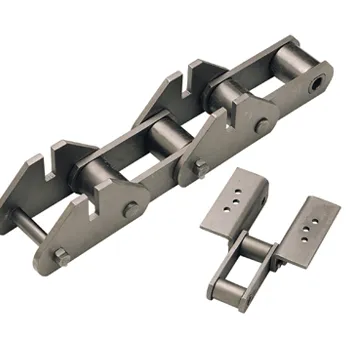
کنویئر چین پروڈکشن لائن میں مواد کے بہاؤ کو کیسے متاثر کرتا ہے؟
ایک کنویئر چین پروڈکشن لائن میں مواد کے ہموار اور موثر بہاؤ کو آسان بنانے میں ایک اہم کردار ادا کرتا ہے۔ یہاں وہ اہم طریقے ہیں جن میں کنویئر چین مواد کے بہاؤ کو متاثر کرتا ہے:
1. مسلسل حرکت: ایک کنویئر چین پروڈکشن لائن کے ساتھ مواد کی مسلسل نقل و حرکت کو قابل بناتا ہے۔ مواد کو محفوظ طریقے سے پکڑنے اور لے جانے سے، سلسلہ بغیر کسی رکاوٹ یا تاخیر کے مستقل بہاؤ کو یقینی بناتا ہے۔
2. سپیڈ کنٹرول: جس رفتار سے کنویئر چین حرکت کرتا ہے اسے مطلوبہ پیداواری شرح سے ملنے کے لیے ایڈجسٹ کیا جا سکتا ہے۔ یہ مواد کے بہاؤ پر قطعی کنٹرول کی اجازت دیتا ہے، اس بات کو یقینی بناتا ہے کہ یہ بہاو کے عمل سے ہم آہنگ ہو اور رکاوٹوں یا زیادہ بوجھ سے بچ جائے۔
3. اورینٹیشن اور پوزیشننگ: کنویئر چینز کو مخصوص اٹیچمنٹ یا فکسچر کے ساتھ ڈیزائن کیا جا سکتا ہے تاکہ مواد کو مطلوبہ انداز میں اورینٹ کیا جا سکے۔ یہ یقینی بناتا ہے کہ مواد کو پروسیسنگ، اسمبلی، یا پیکیجنگ کے لیے صحیح طریقے سے پیش کیا گیا ہے، مجموعی پیداوار کے بہاؤ کو بہتر بنایا گیا ہے۔
4. چھانٹنا اور موڑنا: بعض ایپلی کیشنز میں، کنویئر چینز کو پہلے سے طے شدہ معیار کی بنیاد پر مواد کو چھانٹنے یا ڈائیورنگ کرنے کے طریقہ کار سے لیس کیا جا سکتا ہے۔ یہ مواد کے بہاؤ کو ہموار کرتے ہوئے مختلف مصنوعات یا اجزاء کو ان کی متعلقہ منزلوں تک موثر روٹنگ کی اجازت دیتا ہے۔
5. جمع اور بفرنگ: کنویئر چینز جمع کرنے والے زون یا بفرنگ والے علاقوں کو شامل کر سکتے ہیں جہاں مواد عارضی طور پر روک یا جمع ہو سکتا ہے۔ یہ خصوصیت اس وقت کارآمد ہوتی ہے جب ڈاون اسٹریم کے عمل میں عارضی رکاوٹیں آتی ہیں یا جب پیداوار کے مختلف مراحل کے درمیان بہاؤ کو متوازن کرنے کی ضرورت ہوتی ہے۔
6. سازوسامان کے ساتھ انضمام: کنویئر چینز کو پروڈکشن لائن میں دیگر آلات یا مشینوں کے ساتھ مربوط کیا جا سکتا ہے، جیسے روبوٹک ہتھیار، خودکار پیکیجنگ سسٹم، یا معائنہ اسٹیشن۔ یہ ہموار انضمام مطابقت پذیر مواد کو سنبھالنے کے قابل بناتا ہے، پورے پیداواری عمل کے بہاؤ اور کارکردگی کو بہتر بناتا ہے۔
7. مخصوص ضروریات کے لیے حسب ضرورت: کنویئر چینز کو مخصوص مواد سے نمٹنے کی ضروریات کو پورا کرنے کے لیے اپنی مرضی کے مطابق بنایا جا سکتا ہے۔ اس میں سلسلہ کی چوڑائی، لمبائی، اونچائی کی ایڈجسٹمنٹ، جھکاؤ یا کمی، اور خصوصی منسلکات یا گائیڈز جیسے تحفظات شامل ہیں۔ اس طرح کی تخصیص اس بات کو یقینی بناتی ہے کہ مادی بہاؤ پیداوار لائن کی منفرد ضروریات کے مطابق ہے۔
مواد کی نقل و حمل کا ایک قابل اعتماد اور کنٹرول شدہ طریقہ فراہم کرکے، کنویئر چین پروڈکشن لائن میں مواد کے بہاؤ کو نمایاں طور پر متاثر کرتا ہے۔ یہ پیداواری صلاحیت کو بڑھاتا ہے، دستی ہینڈلنگ کو کم کرتا ہے، غلطیوں یا نقصان کے خطرے کو کم کرتا ہے، اور بالآخر مینوفیکچرنگ کے عمل کی مجموعی کارکردگی اور کامیابی میں حصہ ڈالتا ہے۔
How does a conveyor chain compare to other types of conveyor systems?
Conveyor chains are one of the common types of conveyor systems used in various industries. They offer specific advantages and characteristics that differentiate them from other types of conveyor systems.
1. Versatility: Conveyor chains are highly versatile and can be used for a wide range of applications, including horizontal, inclined, and vertical conveying. They can handle various types of materials, from bulk solids to individual items.
2. High Load Capacity: Conveyor chains are known for their high load-carrying capacity. They are designed to handle heavy loads and can be used in applications where other conveyor systems may not be suitable.
3. Durability: Conveyor chains are built to withstand harsh operating conditions and heavy-duty use. They are made from strong and durable materials, such as steel or alloy, that can withstand abrasion, impact, and wear.
4. Flexibility: Conveyor chains offer flexibility in terms of layout and design. They can be configured to accommodate complex conveyor paths, curves, and multiple discharge points, allowing for efficient material flow and system customization.
5. Cost-Effective: Conveyor chains often provide a cost-effective solution for material handling compared to other conveyor systems. They have a relatively low initial cost, require less maintenance, and have a longer service life.
However, it’s important to note that conveyor chains may not be suitable for every application. Other types of conveyor systems, such as belt conveyors, screw conveyors, or pneumatic conveyors, may offer specific advantages depending on the application requirements, material characteristics, or environmental factors.
Ultimately, the selection of the appropriate conveyor system depends on factors such as load capacity, material properties, layout constraints, cost considerations, and specific application needs.


editor by CX 2023-07-21