
وصف المنتج
Stainless Steel Wire Mesh Belt / Chain Conveyor Belt
وصف المنتج
| Product Name | Conveyor Belt |
| Structure | Mesh-Blet |
| الشهادات | ISO 9001: 2008, GB/T19001-2000IDT, Test Report |
| Work Temp | -40Celsius ~ 90Celsius |
| Material Feature | Heat Resistant |
| مادة | Stainless Steel, SS304/SS201/carbon steel |
| Voltage | 220V 380V |
| Surface Treatment | Galvanized, 3% chromium plate, manganese plated |
| طلب | Frozen Food Machinery, Canned Food Machinery, Seafood Machinery, Powder Metallurgy Machinery |
| Heat Treatment Machinery, Glass Machinery, Chemical Machinery, General Conveying Machinery, etc. |
Products Details
Chain-Driven Metal Mesh Belts
Chain-driven metal mesh belts should be considered whenever timing, transfer, and/or positive belt drive are important … in cases such as travel-up inclines, under heavy loads, for long distances, through quenching liquids, cooking oils, or other slippery conditions.
Chain-driven belts are also the only belts that are self-supporting. They can provide efficient operation in applications where friction-driven belts would not be desirable. Any mesh can be used in a chain-driven construction, but the selection is made on the basis of what is needed to support the product.
Balanced weave should be given first consideration, as it is economical and appropriate for most conditions. Gratex weave provides a closer mesh, while a Duplex weave is a close mesh that also provides strength and a straight-through opening. A conventional weave provides unobstructed openings.
Typical Applications
In food processing, chain-driven belts are used in washing, drying, cooking, freezing, dewatering, and blanching operations. In other applications, metals, electronic parts, chemicals, ceramics, leather, lumber, textiles, rubber, and many other products are moved through a host of processes where the positive drive is needed.
Chain Selection
Chains are normally selected according to the strength and speed required. The most frequently used types of chain for metal mesh conveyors are roller chain, employed for most room-to-medium temperature applications, and pintle chain which is recommended for heavier loads and higher temperatures.
Due to the important and specialized nature of the applications requiring these products, each inquiry is reviewed thoroughly. Our goal is to supply the most suitable belt for your specific application. We strive to provide solutions for each situation, assuring value for our customers. Our engineers and technical support group are involved in every specialty belt inquiry and order.
معرض المنتجات
ميزة
More Products
DETAILS ABOUT CHINAMFG CHAIN
الشهادات
Exhibition
Workshop
طلب
Packaging Details & Shipping
التعليمات
1. Are you a manufacturer or trade Company?
We are a factory founded in 1997 with a trade team for international service.
2. What terms of payment do you usually use?
T/T 30% deposit and 70% against document, Western Union, L/C at sight
3. ما هي المدة الزمنية اللازمة لتسليم بضائعكم؟
Normally 35 days after confirmed order. 30 days could be available in the low season for some items (during May to July), and 45 days during the new year and hot season ( Jan to March).
4. Samples
For customers who need sample confirmation before ordering, please bear in mind that the following policy will be adopted:
1) All samples are free of charge with a maximum value not exceeding USD 100.
2) The courier cost for the first-time sample sending will be charged by the consignee. We will send the samples with freight to be collected. So please inform your account with FedEx, UPS, DHL, or TNT so that we can proceed promptly.
3) The first-time courier cost will be totally deducted from the contract value of the trial cooperation.
| يكتب: | All Sizes |
|---|---|
| مادة: | Steel |
| Inside Material: | Polyester |
| ميزة: | Oil-Resistant, Acid And Alkali Resistant, Tear-Resistant, Heat-Resistant, Cold-Resistant, Wear-Resistant |
| قوة الشد: | Common |
| بناء: | Mesh-Blet |
| التخصيص: |
متاح
| طلب مخصص |
|---|
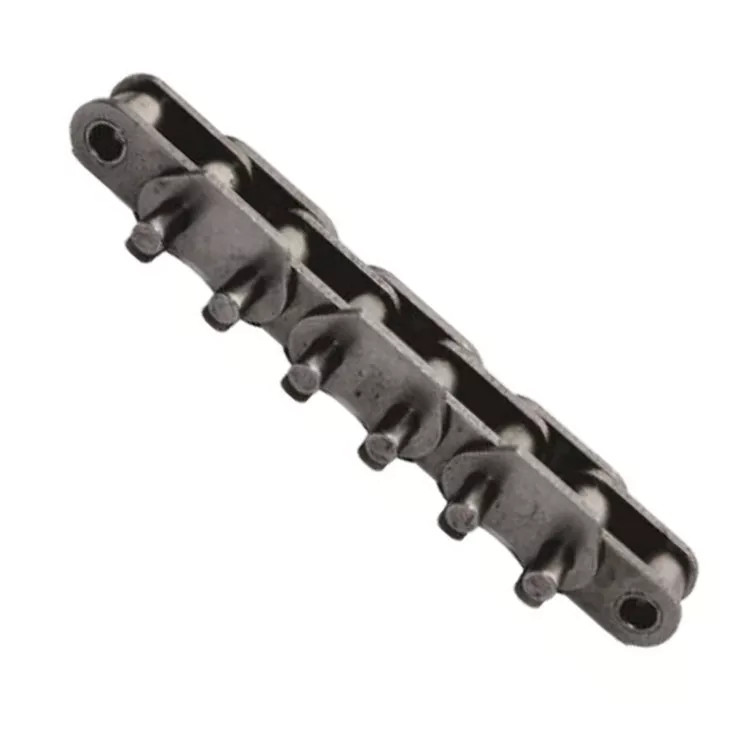
How does a conveyor chain impact energy efficiency in a system?
A conveyor chain plays a significant role in the energy efficiency of a conveyor system. Here are the ways in which it impacts energy efficiency:
1. Reduced Power Consumption:
– A well-designed conveyor chain with low friction characteristics can minimize power consumption. By reducing the frictional resistance between the chain and the conveyor components, less energy is required to move the chain and transport the materials along the conveyor system.
2. Efficient Power Transmission:
– The design and construction of a conveyor chain contribute to efficient power transmission. Chains with optimized pitch, roller diameter, and sprocket tooth profile ensure smooth and effective power transfer, minimizing energy losses during operation.
3. Proper Chain Tensioning:
– Maintaining proper chain tension is crucial for energy efficiency. An adequately tensioned chain ensures optimal contact between the chain and the sprockets, minimizing slippage and power loss. Regular inspections and adjustments of chain tension help maximize energy efficiency.
4. Alignment and Tracking:
– Proper alignment and tracking of the conveyor chain are essential for energy efficiency. Misaligned or poorly tracked chains can cause increased friction, leading to higher energy consumption. Regular monitoring and adjustment of the chain’s alignment ensure smooth and efficient operation.
5. Regular Maintenance:
– Performing routine maintenance on the conveyor chain, including lubrication, cleaning, and inspection, helps maintain optimal performance and energy efficiency. Adequate lubrication reduces friction and wear, minimizing power losses and extending the chain’s lifespan.
6. System Design Optimization:
– Considering energy efficiency during the design phase of a conveyor system can significantly impact its overall efficiency. Proper selection of conveyor chain components, such as low-friction materials and efficient drive systems, can help minimize energy consumption and improve the system’s energy efficiency.
By employing these practices and utilizing energy-efficient conveyor chain technologies, businesses can reduce energy costs, minimize environmental impact, and enhance the overall sustainability of their operations.
كيف يمكن منع التآكل في سلاسل النقل؟
يُعدّ منع التآكل في سلاسل النقل أمرًا بالغ الأهمية للحفاظ على أدائها وإطالة عمرها. فيما يلي بعض التدابير الفعّالة لمنع التآكل:
1. اختيار المواد: اختر سلاسل ناقلة مصنوعة من مواد مقاومة للتآكل مثل الفولاذ المقاوم للصدأ أو البلاستيك أو الطلاءات المصممة خصيصًا لمقاومة التآكل. توفر هذه المواد حماية أفضل ضد الصدأ والتآكل مقارنةً بسلاسل الفولاذ القياسية.
٢. التشحيم المناسب: ضع مادة تشحيم مناسبة على سلسلة النقل بانتظام. يُشكّل التشحيم حاجزًا واقيًا يمنع وصول الرطوبة والملوثات إلى السطح المعدني، مما يقلل من خطر التآكل. اختر مادة تشحيم توفر خصائص الحماية من التآكل وتتوافق مع مادة السلسلة.
3. الضوابط البيئية: تحكم في بيئة التشغيل لتقليل التعرض للعناصر المسببة للتآكل. نفّذ إجراءات مثل التحكم في الرطوبة، والتهوية المناسبة، والحماية من التلامس المباشر مع الماء أو المواد الكيميائية. ضع في اعتبارك استخدام أغطية أو حاويات لحماية سلسلة النقل من العوامل البيئية التي قد تسرّع التآكل.
٤. معالجات الأسطح: تُطبّق طبقات أو معالجات مقاومة للتآكل على سلسلة النقل. توفر هذه الطبقات طبقة حماية إضافية تعمل كحاجز ضد الرطوبة والمواد المسببة للتآكل. تشمل أمثلة معالجات الأسطح الطلاء بالزنك، والجلفنة، أو الطلاءات الإيبوكسية.
5. الفحص والتنظيف الدوريان: افحص سلسلة النقل بانتظام بحثًا عن علامات التآكل أو التلف. أزل أي أوساخ أو حطام أو مواد أكالة متراكمة على الفور. يساعد تنظيف السلسلة على منع تراكم الملوثات التي يمكن أن تسرع التآكل.
6. الصيانة الوقائية: تطبيق برنامج صيانة وقائية يشمل التنظيف والتشحيم والفحص الدوري لسلسلة النقل. يساعد هذا النهج الاستباقي على تحديد ومعالجة أي مشاكل تآكل محتملة في وقت مبكر، مما يمنع حدوث المزيد من الأضرار.
7. التخزين السليم: عند عدم الاستخدام، تُخزّن سلاسل النقل في بيئة جافة ومُحكمة. يجب حمايتها من التعرض للرطوبة والمواد المُسببة للتآكل. استخدم طرق التخزين المناسبة، مثل تعليق السلاسل أو تخزينها في حاويات مُحكمة الإغلاق.
باتباع هذه الإجراءات الوقائية، يمكنك تقليل خطر التآكل في سلاسل النقل بشكل كبير، مما يضمن أداءها الأمثل وطول عمرها.
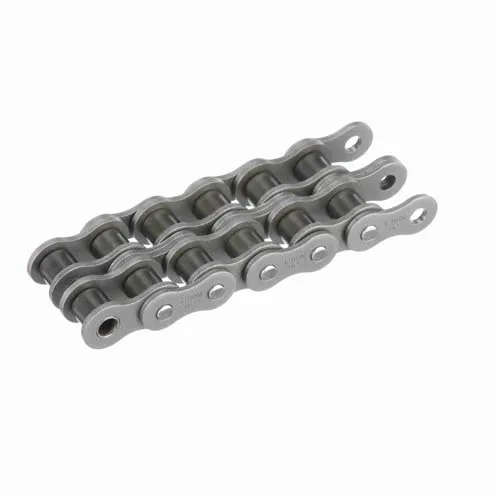
What safety precautions should be followed when working with conveyor chains?
Working with conveyor chains involves potential hazards, and it is essential to follow proper safety precautions to ensure the well-being of workers and prevent accidents. Here are some important safety measures to consider:
- Proper Training: Ensure that workers operating or maintaining conveyor chains receive proper training on safe practices, including chain handling, maintenance procedures, and emergency protocols.
- Personal Protective Equipment (PPE): Workers should wear appropriate PPE, such as safety glasses, gloves, and steel-toed shoes, to protect themselves from potential hazards, including flying debris, pinch points, or entanglement.
- Lockout/Tagout: Before performing any maintenance or repair tasks on conveyor chains, follow lockout/tagout procedures to isolate and de-energize the equipment to prevent accidental startup or release of stored energy.
- Guarding: Ensure that conveyor chains are adequately guarded to prevent access to moving parts, such as pinch points and rotating sprockets. Guards should be securely in place and not interfere with the chain’s operation.
- Housekeeping: Keep the work area clean and free of debris, tools, or other objects that could cause tripping hazards or interfere with the operation of the conveyor chain.
- Regular Inspections: Regularly inspect the conveyor chains for any signs of wear, damage, or misalignment. Address any issues promptly to prevent potential safety hazards.
- Safe Loading and Unloading: When loading or unloading materials onto the conveyor, follow safe lifting techniques and ensure the load is evenly distributed to prevent overloading or imbalance.
- Emergency Stop Devices: Install and clearly mark emergency stop devices along the conveyor system to enable immediate shutdown in case of an emergency or hazardous situation.
- Clear Communication: Establish clear communication protocols, including signals or signs, to ensure effective communication between workers operating different sections of the conveyor system.
These safety precautions are general guidelines, and it’s important to consult and adhere to specific safety regulations and guidelines provided by the equipment manufacturer and relevant safety authorities. Regular safety training, awareness, and a proactive safety culture are crucial in maintaining a safe working environment when working with conveyor chains.


editor by CX 2023-11-01