제품 설명
Stainless Steel Wire Mesh Belt / Chain Conveyor Belt
제품 설명
| Product Name | Conveyor Belt |
| Structure | Mesh-Blet |
| 인증 | ISO 9001: 2008, GB/T19001-2000IDT, Test Report |
| Work Temp | -40Celsius ~ 90Celsius |
| Material Feature | Heat Resistant |
| 재료 | Stainless Steel, SS304/SS201/carbon steel |
| Voltage | 220V 380V |
| Surface Treatment | Galvanized, 3% chromium plate, manganese plated |
| 애플리케이션 | Frozen Food Machinery, Canned Food Machinery, Seafood Machinery, Powder Metallurgy Machinery |
| Heat Treatment Machinery, Glass Machinery, Chemical Machinery, General Conveying Machinery, etc. |
Products Details
Chain-Driven Metal Mesh Belts
Chain-driven metal mesh belts should be considered whenever timing, transfer, and/or positive belt drive are important … in cases such as travel-up inclines, under heavy loads, for long distances, through quenching liquids, cooking oils, or other slippery conditions.
Chain-driven belts are also the only belts that are self-supporting. They can provide efficient operation in applications where friction-driven belts would not be desirable. Any mesh can be used in a chain-driven construction, but the selection is made on the basis of what is needed to support the product.
Balanced weave should be given first consideration, as it is economical and appropriate for most conditions. Gratex weave provides a closer mesh, while a Duplex weave is a close mesh that also provides strength and a straight-through opening. A conventional weave provides unobstructed openings.
Typical Applications
In food processing, chain-driven belts are used in washing, drying, cooking, freezing, dewatering, and blanching operations. In other applications, metals, electronic parts, chemicals, ceramics, leather, lumber, textiles, rubber, and many other products are moved through a host of processes where the positive drive is needed.
Chain Selection
Chains are normally selected according to the strength and speed required. The most frequently used types of chain for metal mesh conveyors are roller chain, employed for most room-to-medium temperature applications, and pintle chain which is recommended for heavier loads and higher temperatures.
Due to the important and specialized nature of the applications requiring these products, each inquiry is reviewed thoroughly. Our goal is to supply the most suitable belt for your specific application. We strive to provide solutions for each situation, assuring value for our customers. Our engineers and technical support group are involved in every specialty belt inquiry and order.
Product Show
Advantage
More Products
DETAILS ABOUT CHINAMFG CHAIN
인증
Exhibition
Workshop
애플리케이션
Packaging Details & Shipping
자주 묻는 질문
1. Are you a manufacturer or trade Company?
We are a factory founded in 1997 with a trade team for international service.
2. What terms of payment do you usually use?
T/T 30% 선입금 및 70% 서류상 지급, 웨스턴 유니온, 일람불 신용장
3. 귀사 제품의 리드 타임은 얼마나 됩니까?
Normally 35 days after confirmed order. 30 days could be available in the low season for some items (during May to July), and 45 days during the new year and hot season ( Jan to March).
4. Samples
For customers who need sample confirmation before ordering, please bear in mind that the following policy will be adopted:
1) All samples are free of charge with a maximum value not exceeding USD 100.
2) The courier cost for the first-time sample sending will be charged by the consignee. We will send the samples with freight to be collected. So please inform your account with FedEx, UPS, DHL, or TNT so that we can proceed promptly.
3) The first-time courier cost will be totally deducted from the contract value of the trial cooperation.
| 유형: | All Sizes |
|---|---|
| 재료: | 강철 |
| Inside Material: | Polyester |
| 특징: | Oil-Resistant, Acid And Alkali Resistant, Tear-Resistant, Heat-Resistant, Cold-Resistant, Wear-Resistant |
| Tensile Strength: | Common |
| 구조: | Mesh-Blet |
| 맞춤 설정: |
사용 가능
| 맞춤형 요청 |
|---|
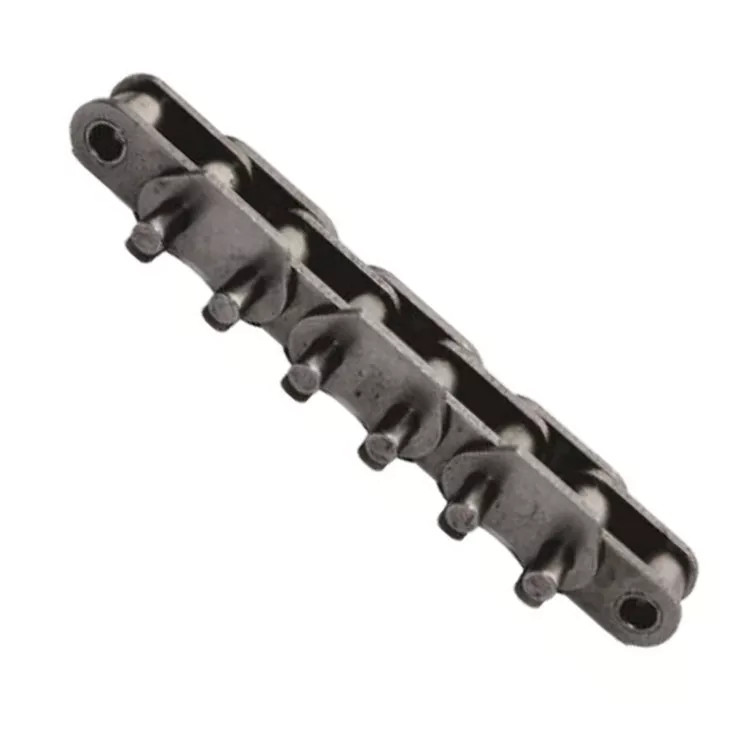
How does a conveyor chain impact energy efficiency in a system?
A conveyor chain plays a significant role in the energy efficiency of a conveyor system. Here are the ways in which it impacts energy efficiency:
1. Reduced Power Consumption:
– A well-designed conveyor chain with low friction characteristics can minimize power consumption. By reducing the frictional resistance between the chain and the conveyor components, less energy is required to move the chain and transport the materials along the conveyor system.
2. Efficient Power Transmission:
– The design and construction of a conveyor chain contribute to efficient power transmission. Chains with optimized pitch, roller diameter, and sprocket tooth profile ensure smooth and effective power transfer, minimizing energy losses during operation.
3. Proper Chain Tensioning:
– Maintaining proper chain tension is crucial for energy efficiency. An adequately tensioned chain ensures optimal contact between the chain and the sprockets, minimizing slippage and power loss. Regular inspections and adjustments of chain tension help maximize energy efficiency.
4. Alignment and Tracking:
– Proper alignment and tracking of the conveyor chain are essential for energy efficiency. Misaligned or poorly tracked chains can cause increased friction, leading to higher energy consumption. Regular monitoring and adjustment of the chain’s alignment ensure smooth and efficient operation.
5. Regular Maintenance:
– Performing routine maintenance on the conveyor chain, including lubrication, cleaning, and inspection, helps maintain optimal performance and energy efficiency. Adequate lubrication reduces friction and wear, minimizing power losses and extending the chain’s lifespan.
6. System Design Optimization:
– Considering energy efficiency during the design phase of a conveyor system can significantly impact its overall efficiency. Proper selection of conveyor chain components, such as low-friction materials and efficient drive systems, can help minimize energy consumption and improve the system’s energy efficiency.
By employing these practices and utilizing energy-efficient conveyor chain technologies, businesses can reduce energy costs, minimize environmental impact, and enhance the overall sustainability of their operations.
컨베이어 체인의 부식을 방지하는 방법은 무엇입니까?
컨베이어 체인의 부식을 방지하는 것은 성능을 유지하고 수명을 연장하는 데 필수적입니다. 부식을 방지하기 위한 몇 가지 효과적인 방법은 다음과 같습니다.
1. 재질 선택: 스테인리스강, 플라스틱 또는 부식 방지 코팅과 같은 내식성 재질로 제작된 컨베이어 체인을 선택하십시오. 이러한 재질은 일반 강철 체인에 비해 녹 및 부식에 대한 보호 기능이 뛰어납니다.
2. 적절한 윤활: 컨베이어 체인에 적합한 윤활유를 정기적으로 도포하십시오. 윤활유는 습기와 오염 물질이 금속 표면에 닿는 것을 방지하는 보호막을 형성하여 부식 위험을 줄여줍니다. 부식 방지 기능이 있고 체인 재질과 호환되는 윤활유를 선택하십시오.
3. 환경 관리: 부식성 물질에 대한 노출을 최소화하도록 작업 환경을 관리하십시오. 습도 조절, 적절한 환기, 물이나 화학 물질과의 직접적인 접촉 방지 등의 조치를 시행하십시오. 부식을 가속화할 수 있는 환경 요인으로부터 컨베이어 체인을 보호하기 위해 덮개나 보호 장치를 사용하는 것을 고려하십시오.
4. 표면 처리: 컨베이어 체인에 부식 방지 코팅 또는 처리를 적용합니다. 이러한 코팅은 습기 및 부식성 물질에 대한 차단막 역할을 하는 추가적인 보호층을 제공합니다. 표면 처리의 예로는 아연 도금, 아연 도금 또는 에폭시 코팅이 있습니다.
5. 정기 점검 및 청소: 컨베이어 체인에 부식이나 손상 징후가 있는지 정기적으로 점검하십시오. 쌓인 먼지, 이물질 또는 부식성 물질은 즉시 제거하십시오. 체인을 청소하면 부식을 가속화할 수 있는 오염 물질 축적을 방지할 수 있습니다.
6. 예방 정비: 컨베이어 체인의 정기적인 청소, 윤활 및 검사를 포함하는 예방 정비 프로그램을 시행하십시오. 이러한 사전 예방적 접근 방식은 잠재적인 부식 문제를 조기에 파악하고 해결하여 추가적인 손상을 방지하는 데 도움이 됩니다.
7. 적절한 보관: 사용하지 않을 때는 컨베이어 체인을 건조하고 습도가 조절되는 환경에 보관하십시오. 습기, 수분 및 부식성 물질에 노출되지 않도록 보호하십시오. 체인을 매달거나 밀폐 용기에 보관하는 등 적절한 보관 방법을 사용하십시오.
이러한 예방 조치를 따르면 컨베이어 체인의 부식 위험을 크게 줄여 최적의 성능과 수명을 보장할 수 있습니다.
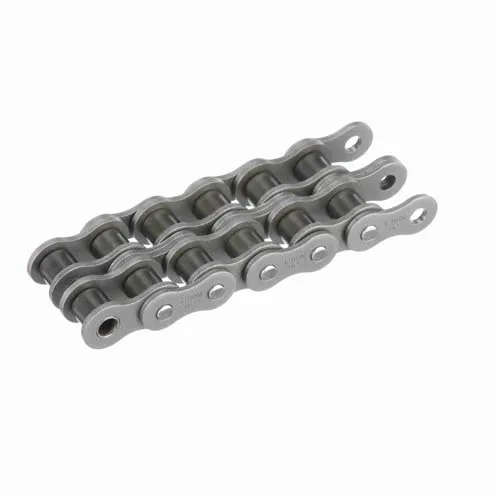
What safety precautions should be followed when working with conveyor chains?
Working with conveyor chains involves potential hazards, and it is essential to follow proper safety precautions to ensure the well-being of workers and prevent accidents. Here are some important safety measures to consider:
- Proper Training: Ensure that workers operating or maintaining conveyor chains receive proper training on safe practices, including chain handling, maintenance procedures, and emergency protocols.
- Personal Protective Equipment (PPE): Workers should wear appropriate PPE, such as safety glasses, gloves, and steel-toed shoes, to protect themselves from potential hazards, including flying debris, pinch points, or entanglement.
- Lockout/Tagout: Before performing any maintenance or repair tasks on conveyor chains, follow lockout/tagout procedures to isolate and de-energize the equipment to prevent accidental startup or release of stored energy.
- Guarding: Ensure that conveyor chains are adequately guarded to prevent access to moving parts, such as pinch points and rotating sprockets. Guards should be securely in place and not interfere with the chain’s operation.
- Housekeeping: Keep the work area clean and free of debris, tools, or other objects that could cause tripping hazards or interfere with the operation of the conveyor chain.
- Regular Inspections: Regularly inspect the conveyor chains for any signs of wear, damage, or misalignment. Address any issues promptly to prevent potential safety hazards.
- Safe Loading and Unloading: When loading or unloading materials onto the conveyor, follow safe lifting techniques and ensure the load is evenly distributed to prevent overloading or imbalance.
- Emergency Stop Devices: Install and clearly mark emergency stop devices along the conveyor system to enable immediate shutdown in case of an emergency or hazardous situation.
- Clear Communication: Establish clear communication protocols, including signals or signs, to ensure effective communication between workers operating different sections of the conveyor system.
These safety precautions are general guidelines, and it’s important to consult and adhere to specific safety regulations and guidelines provided by the equipment manufacturer and relevant safety authorities. Regular safety training, awareness, and a proactive safety culture are crucial in maintaining a safe working environment when working with conveyor chains.


editor by CX 2023-11-01