คำอธิบายผลิตภัณฑ์
Stainless Steel Wire Mesh Belt / Chain Conveyor Belt
คำอธิบายผลิตภัณฑ์
| Product Name | Conveyor Belt |
| โครงสร้าง | Mesh-Blet |
| ใบรับรอง | ISO 9001: 2008, GB/T19001-2000IDT, Test Report |
| Work Temp | -40Celsius ~ 90Celsius |
| Material Feature | Heat Resistant |
| วัสดุ | Stainless Steel, SS304/SS201/carbon steel |
| แรงดันไฟฟ้า | 220V 380V |
| Surface Treatment | Galvanized, 3% chromium plate, manganese plated |
| แอปพลิเคชัน | Frozen Food Machinery, Canned Food Machinery, Seafood Machinery, Powder Metallurgy Machinery |
| Heat Treatment Machinery, Glass Machinery, Chemical Machinery, General Conveying Machinery, etc. |
Products Details
Chain-Driven Metal Mesh Belts
Chain-driven metal mesh belts should be considered whenever timing, transfer, and/or positive belt drive are important … in cases such as travel-up inclines, under heavy loads, for long distances, through quenching liquids, cooking oils, or other slippery conditions.
Chain-driven belts are also the only belts that are self-supporting. They can provide efficient operation in applications where friction-driven belts would not be desirable. Any mesh can be used in a chain-driven construction, but the selection is made on the basis of what is needed to support the product.
Balanced weave should be given first consideration, as it is economical and appropriate for most conditions. Gratex weave provides a closer mesh, while a Duplex weave is a close mesh that also provides strength and a straight-through opening. A conventional weave provides unobstructed openings.
Typical Applications
In food processing, chain-driven belts are used in washing, drying, cooking, freezing, dewatering, and blanching operations. In other applications, metals, electronic parts, chemicals, ceramics, leather, lumber, textiles, rubber, and many other products are moved through a host of processes where the positive drive is needed.
Chain Selection
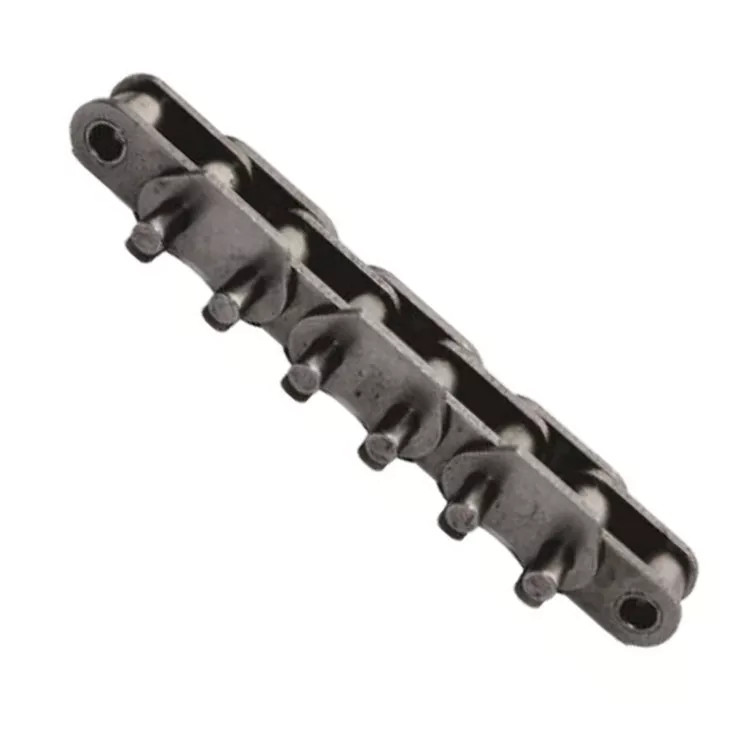
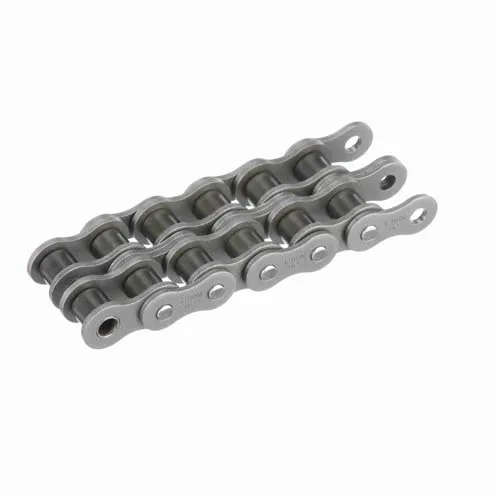
Chains are normally selected according to the strength and speed required. The most frequently used types of chain for metal mesh conveyors are roller chain, employed for most room-to-medium temperature applications, and pintle chain which is recommended for heavier loads and higher temperatures.
Due to the important and specialized nature of the applications requiring these products, each inquiry is reviewed thoroughly. Our goal is to supply the most suitable belt for your specific application. We strive to provide solutions for each situation, assuring value for our customers. Our engineers and technical support group are involved in every specialty belt inquiry and order.
Product Show
ข้อได้เปรียบ
สินค้าเพิ่มเติม
DETAILS ABOUT CHINAMFG CHAIN
ใบรับรอง
นิทรรศการ
เวิร์คช็อป
แอปพลิเคชัน
Packaging Details & Shipping
คำถามที่พบบ่อย
1. คุณเป็นผู้ผลิตหรือบริษัทค้าส่ง?
เราเป็นโรงงานที่ก่อตั้งขึ้นในปี 1997 โดยมีทีมงานฝ่ายการค้าเพื่อให้บริการในระดับนานาชาติ
2. โดยปกติคุณใช้เงื่อนไขการชำระเงินแบบใด?
การชำระเงินแบบ T/T 30% (เงินมัดจำ) และ 70% (เมื่อได้รับเอกสาร) เวสเทิร์นยูเนียน หรือเลตเตอร์ออฟเครดิต (L/C) เมื่อเห็นเอกสาร
3. ระยะเวลานำส่งสินค้าของคุณคือเท่าไร?
โดยปกติจะใช้เวลา 35 วันหลังจากยืนยันคำสั่งซื้อแล้ว อาจใช้เวลา 30 วันในช่วงนอกฤดูกาล (พฤษภาคม-กรกฎาคม) สำหรับสินค้าบางรายการ และ 45 วันในช่วงปีใหม่และฤดูร้อน (มกราคม-มีนาคม)
4. ตัวอย่าง
สำหรับลูกค้าที่ต้องการยืนยันตัวอย่างก่อนสั่งซื้อ โปรดทราบว่าทางเราจะใช้นโยบายดังต่อไปนี้:
1) ตัวอย่างสินค้าทั้งหมดให้บริการฟรี โดยมีมูลค่าสูงสุดไม่เกิน 100 ดอลลาร์สหรัฐ
2) ค่าจัดส่งตัวอย่างครั้งแรกจะคิดจากผู้รับปลายทาง เราจะจัดส่งตัวอย่างโดยให้ผู้รับปลายทางเป็นผู้ชำระค่าขนส่ง ดังนั้นโปรดแจ้งข้อมูลบัญชีของคุณกับ FedEx, UPS, DHL หรือ TNT เพื่อให้เราดำเนินการได้อย่างรวดเร็ว
3) The first-time courier cost will be totally deducted from the contract value of the trial cooperation.
| พิมพ์: | All Sizes |
|---|---|
| วัสดุ: | เหล็ก |
| Inside Material: | Polyester |
| คุณสมบัติ: | Oil-Resistant, Acid And Alkali Resistant, Tear-Resistant, Heat-Resistant, Cold-Resistant, Wear-Resistant |
| Tensile Strength: | Common |
| โครงสร้าง: | Mesh-Blet |
| การปรับแต่ง: |
มีอยู่
| คำขอที่กำหนดเอง |
|---|
How does a conveyor chain impact energy efficiency in a system?
A conveyor chain plays a significant role in the energy efficiency of a conveyor system. Here are the ways in which it impacts energy efficiency:
1. Reduced Power Consumption:
– A well-designed conveyor chain with low friction characteristics can minimize power consumption. By reducing the frictional resistance between the chain and the conveyor components, less energy is required to move the chain and transport the materials along the conveyor system.
2. Efficient Power Transmission:
– The design and construction of a conveyor chain contribute to efficient power transmission. Chains with optimized pitch, roller diameter, and sprocket tooth profile ensure smooth and effective power transfer, minimizing energy losses during operation.
3. Proper Chain Tensioning:
– Maintaining proper chain tension is crucial for energy efficiency. An adequately tensioned chain ensures optimal contact between the chain and the sprockets, minimizing slippage and power loss. Regular inspections and adjustments of chain tension help maximize energy efficiency.
4. Alignment and Tracking:
– Proper alignment and tracking of the conveyor chain are essential for energy efficiency. Misaligned or poorly tracked chains can cause increased friction, leading to higher energy consumption. Regular monitoring and adjustment of the chain’s alignment ensure smooth and efficient operation.
5. Regular Maintenance:
– Performing routine maintenance on the conveyor chain, including lubrication, cleaning, and inspection, helps maintain optimal performance and energy efficiency. Adequate lubrication reduces friction and wear, minimizing power losses and extending the chain’s lifespan.
6. System Design Optimization:
– Considering energy efficiency during the design phase of a conveyor system can significantly impact its overall efficiency. Proper selection of conveyor chain components, such as low-friction materials and efficient drive systems, can help minimize energy consumption and improve the system’s energy efficiency.
By employing these practices and utilizing energy-efficient conveyor chain technologies, businesses can reduce energy costs, minimize environmental impact, and enhance the overall sustainability of their operations.
จะป้องกันการกัดกร่อนในโซ่ลำเลียงได้อย่างไร?
การป้องกันการกัดกร่อนในโซ่ลำเลียงเป็นสิ่งสำคัญอย่างยิ่งต่อการรักษาประสิทธิภาพและยืดอายุการใช้งาน ต่อไปนี้คือมาตรการที่มีประสิทธิภาพบางประการในการป้องกันการกัดกร่อน:
1. การเลือกวัสดุ: เลือกโซ่ลำเลียงที่ทำจากวัสดุที่ทนต่อการกัดกร่อน เช่น สแตนเลส พลาสติก หรือสารเคลือบที่ออกแบบมาเพื่อต้านทานการกัดกร่อนโดยเฉพาะ วัสดุเหล่านี้ให้การป้องกันสนิมและการกัดกร่อนได้ดีกว่าโซ่เหล็กมาตรฐาน
2. การหล่อลื่นที่เหมาะสม: ควรใช้สารหล่อลื่นที่เหมาะสมกับโซ่ลำเลียงอย่างสม่ำเสมอ การหล่อลื่นจะสร้างเกราะป้องกันที่ช่วยป้องกันความชื้นและสิ่งปนเปื้อนไม่ให้เข้าถึงพื้นผิวโลหะ ลดความเสี่ยงต่อการกัดกร่อน เลือกสารหล่อลื่นที่มีคุณสมบัติป้องกันการกัดกร่อนและเข้ากันได้กับวัสดุของโซ่
3. การควบคุมสภาพแวดล้อม: ควบคุมสภาพแวดล้อมในการทำงานเพื่อลดการสัมผัสกับสารกัดกร่อนให้น้อยที่สุด ดำเนินการต่างๆ เช่น การควบคุมความชื้น การระบายอากาศที่เหมาะสม และการป้องกันการสัมผัสโดยตรงกับน้ำหรือสารเคมี พิจารณาใช้ฝาครอบหรือสิ่งห่อหุ้มเพื่อป้องกันโซ่ลำเลียงจากปัจจัยด้านสิ่งแวดล้อมที่อาจเร่งการกัดกร่อน
4. การเคลือบผิว: ควรเคลือบผิวโซ่ลำเลียงด้วยสารเคลือบป้องกันการกัดกร่อน สารเคลือบเหล่านี้จะช่วยสร้างชั้นป้องกันเพิ่มเติมที่ทำหน้าที่เป็นเกราะป้องกันความชื้นและสารกัดกร่อน ตัวอย่างของการเคลือบผิว ได้แก่ การชุบสังกะสี การชุบสังกะสีแบบกัลวาไนซ์ หรือการเคลือบอีพ็อกซี
5. การตรวจสอบและทำความสะอาดอย่างสม่ำเสมอ: ตรวจสอบโซ่ลำเลียงอย่างสม่ำเสมอเพื่อหาสัญญาณของการกัดกร่อนหรือความเสียหาย กำจัดสิ่งสกปรก เศษวัสดุ หรือสารกัดกร่อนที่สะสมอยู่โดยทันที การทำความสะอาดโซ่จะช่วยป้องกันการสะสมของสิ่งปนเปื้อนที่อาจเร่งการกัดกร่อนได้
6. การบำรุงรักษาเชิงป้องกัน: ดำเนินการตามโปรแกรมการบำรุงรักษาเชิงป้องกัน ซึ่งรวมถึงการทำความสะอาด การหล่อลื่น และการตรวจสอบโซ่ลำเลียงอย่างสม่ำเสมอ แนวทางเชิงรุกนี้ช่วยระบุและแก้ไขปัญหาการกัดกร่อนที่อาจเกิดขึ้นได้ตั้งแต่เนิ่นๆ ป้องกันความเสียหายเพิ่มเติม
7. การจัดเก็บอย่างเหมาะสม: เมื่อไม่ได้ใช้งาน ควรจัดเก็บโซ่ลำเลียงในที่แห้งและมีการควบคุมอุณหภูมิ ป้องกันไม่ให้สัมผัสกับความชื้น ไอน้ำ และสารกัดกร่อน ใช้วิธีการจัดเก็บที่เหมาะสม เช่น การแขวนโซ่ หรือการจัดเก็บในภาชนะที่ปิดสนิท
การปฏิบัติตามมาตรการป้องกันเหล่านี้จะช่วยลดความเสี่ยงของการเกิดสนิมในโซ่ลำเลียงได้อย่างมาก ทำให้มั่นใจได้ถึงประสิทธิภาพสูงสุดและอายุการใช้งานที่ยาวนาน
What safety precautions should be followed when working with conveyor chains?
Working with conveyor chains involves potential hazards, and it is essential to follow proper safety precautions to ensure the well-being of workers and prevent accidents. Here are some important safety measures to consider:
- Proper Training: Ensure that workers operating or maintaining conveyor chains receive proper training on safe practices, including chain handling, maintenance procedures, and emergency protocols.
- Personal Protective Equipment (PPE): Workers should wear appropriate PPE, such as safety glasses, gloves, and steel-toed shoes, to protect themselves from potential hazards, including flying debris, pinch points, or entanglement.
- Lockout/Tagout: Before performing any maintenance or repair tasks on conveyor chains, follow lockout/tagout procedures to isolate and de-energize the equipment to prevent accidental startup or release of stored energy.
- Guarding: Ensure that conveyor chains are adequately guarded to prevent access to moving parts, such as pinch points and rotating sprockets. Guards should be securely in place and not interfere with the chain’s operation.
- Housekeeping: Keep the work area clean and free of debris, tools, or other objects that could cause tripping hazards or interfere with the operation of the conveyor chain.
- Regular Inspections: Regularly inspect the conveyor chains for any signs of wear, damage, or misalignment. Address any issues promptly to prevent potential safety hazards.
- Safe Loading and Unloading: When loading or unloading materials onto the conveyor, follow safe lifting techniques and ensure the load is evenly distributed to prevent overloading or imbalance.
- Emergency Stop Devices: Install and clearly mark emergency stop devices along the conveyor system to enable immediate shutdown in case of an emergency or hazardous situation.
- Clear Communication: Establish clear communication protocols, including signals or signs, to ensure effective communication between workers operating different sections of the conveyor system.
These safety precautions are general guidelines, and it’s important to consult and adhere to specific safety regulations and guidelines provided by the equipment manufacturer and relevant safety authorities. Regular safety training, awareness, and a proactive safety culture are crucial in maintaining a safe working environment when working with conveyor chains.


editor by CX 2023-11-01