製品説明
Stainless Steel Wire Mesh Belt / Chain Conveyor Belt
製品説明
| Product Name | Conveyor Belt |
| Structure | Mesh-Blet |
| Certifications | ISO 9001: 2008, GB/T19001-2000IDT, Test Report |
| Work Temp | -40Celsius ~ 90Celsius |
| Material Feature | Heat Resistant |
| 材料 | Stainless Steel, SS304/SS201/carbon steel |
| Voltage | 220V 380V |
| Surface Treatment | Galvanized, 3% chromium plate, manganese plated |
| 応用 | Frozen Food Machinery, Canned Food Machinery, Seafood Machinery, Powder Metallurgy Machinery |
| Heat Treatment Machinery, Glass Machinery, Chemical Machinery, General Conveying Machinery, etc. |
Products Details
Chain-Driven Metal Mesh Belts
Chain-driven metal mesh belts should be considered whenever timing, transfer, and/or positive belt drive are important … in cases such as travel-up inclines, under heavy loads, for long distances, through quenching liquids, cooking oils, or other slippery conditions.
Chain-driven belts are also the only belts that are self-supporting. They can provide efficient operation in applications where friction-driven belts would not be desirable. Any mesh can be used in a chain-driven construction, but the selection is made on the basis of what is needed to support the product.
Balanced weave should be given first consideration, as it is economical and appropriate for most conditions. Gratex weave provides a closer mesh, while a Duplex weave is a close mesh that also provides strength and a straight-through opening. A conventional weave provides unobstructed openings.
Typical Applications
In food processing, chain-driven belts are used in washing, drying, cooking, freezing, dewatering, and blanching operations. In other applications, metals, electronic parts, chemicals, ceramics, leather, lumber, textiles, rubber, and many other products are moved through a host of processes where the positive drive is needed.
Chain Selection
Chains are normally selected according to the strength and speed required. The most frequently used types of chain for metal mesh conveyors are roller chain, employed for most room-to-medium temperature applications, and pintle chain which is recommended for heavier loads and higher temperatures.
Due to the important and specialized nature of the applications requiring these products, each inquiry is reviewed thoroughly. Our goal is to supply the most suitable belt for your specific application. We strive to provide solutions for each situation, assuring value for our customers. Our engineers and technical support group are involved in every specialty belt inquiry and order.
製品展示
アドバンテージ
More Products
DETAILS ABOUT CHINAMFG CHAIN
Certifications
Exhibition
Workshop
応用
Packaging Details & Shipping
よくある質問
1. Are you a manufacturer or trade Company?
We are a factory founded in 1997 with a trade team for international service.
2. What terms of payment do you usually use?
T/T 30% deposit and 70% against document, Western Union, L/C at sight
3. What is your lead time for your goods?
Normally 35 days after confirmed order. 30 days could be available in the low season for some items (during May to July), and 45 days during the new year and hot season ( Jan to March).
4. Samples
For customers who need sample confirmation before ordering, please bear in mind that the following policy will be adopted:
1) All samples are free of charge with a maximum value not exceeding USD 100.
2) The courier cost for the first-time sample sending will be charged by the consignee. We will send the samples with freight to be collected. So please inform your account with FedEx, UPS, DHL, or TNT so that we can proceed promptly.
3) The first-time courier cost will be totally deducted from the contract value of the trial cooperation.
| タイプ: | All Sizes |
|---|---|
| 材料: | Steel |
| Inside Material: | Polyester |
| 特徴: | Oil-Resistant, Acid And Alkali Resistant, Tear-Resistant, Heat-Resistant, Cold-Resistant, Wear-Resistant |
| Tensile Strength: | Common |
| 構造: | Mesh-Blet |
| カスタマイズ: |
利用可能
| カスタマイズされたリクエスト |
|---|
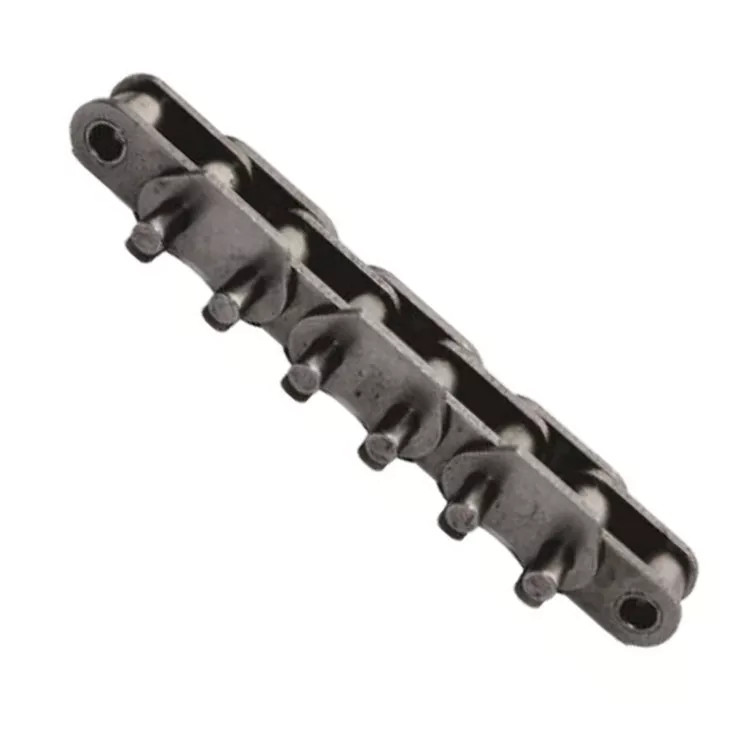
How does a conveyor chain impact energy efficiency in a system?
A conveyor chain plays a significant role in the energy efficiency of a conveyor system. Here are the ways in which it impacts energy efficiency:
1. Reduced Power Consumption:
– A well-designed conveyor chain with low friction characteristics can minimize power consumption. By reducing the frictional resistance between the chain and the conveyor components, less energy is required to move the chain and transport the materials along the conveyor system.
2. Efficient Power Transmission:
– The design and construction of a conveyor chain contribute to efficient power transmission. Chains with optimized pitch, roller diameter, and sprocket tooth profile ensure smooth and effective power transfer, minimizing energy losses during operation.
3. Proper Chain Tensioning:
– Maintaining proper chain tension is crucial for energy efficiency. An adequately tensioned chain ensures optimal contact between the chain and the sprockets, minimizing slippage and power loss. Regular inspections and adjustments of chain tension help maximize energy efficiency.
4. Alignment and Tracking:
– Proper alignment and tracking of the conveyor chain are essential for energy efficiency. Misaligned or poorly tracked chains can cause increased friction, leading to higher energy consumption. Regular monitoring and adjustment of the chain’s alignment ensure smooth and efficient operation.
5. Regular Maintenance:
– Performing routine maintenance on the conveyor chain, including lubrication, cleaning, and inspection, helps maintain optimal performance and energy efficiency. Adequate lubrication reduces friction and wear, minimizing power losses and extending the chain’s lifespan.
6. System Design Optimization:
– Considering energy efficiency during the design phase of a conveyor system can significantly impact its overall efficiency. Proper selection of conveyor chain components, such as low-friction materials and efficient drive systems, can help minimize energy consumption and improve the system’s energy efficiency.
By employing these practices and utilizing energy-efficient conveyor chain technologies, businesses can reduce energy costs, minimize environmental impact, and enhance the overall sustainability of their operations.
コンベアチェーンの腐食を防ぐにはどうすればよいですか?
コンベヤチェーンの腐食を防ぐことは、性能を維持し、寿命を延ばすために不可欠です。以下に、腐食を防ぐための効果的な対策をいくつかご紹介します。
1. 材料の選定:コンベヤチェーンには、ステンレス鋼、プラスチック、または腐食防止のために特別に設計されたコーティングなど、耐腐食性に優れた材料を使用してください。これらの材料は、標準的なスチールチェーンに比べて、錆や腐食に対する保護性能が優れています。
2. 適切な潤滑:コンベヤチェーンには、適切な潤滑剤を定期的に塗布してください。潤滑剤は保護膜を形成し、水分や汚染物質が金属表面に到達するのを防ぎ、腐食のリスクを低減します。腐食防止効果があり、チェーンの材質と適合する潤滑剤を選択してください。
3.環境管理:腐食性物質への曝露を最小限に抑えるため、運転環境を管理します。湿度管理、適切な換気、水や化学物質との直接接触の防止などの対策を実施してください。腐食を促進する可能性のある環境要因からコンベアチェーンを保護するために、カバーや囲いの使用を検討してください。
4.表面処理:コンベヤチェーンに耐腐食性コーティングまたは処理を施します。これらのコーティングは、湿気や腐食性物質に対するバリアとして機能する追加の保護層を提供します。表面処理の例としては、亜鉛メッキ、溶融亜鉛めっき、エポキシコーティングなどがあります。
5.定期点検と清掃:コンベアチェーンに腐食や損傷の兆候がないか定期的に点検してください。蓄積した汚れ、破片、腐食性物質は速やかに除去してください。チェーンを清掃することで、腐食を促進する汚染物質の蓄積を防ぐことができます。
6.予防保全:コンベアチェーンの定期的な清掃、潤滑、点検を含む予防保全プログラムを実施します。この積極的なアプローチにより、潜在的な腐食問題を早期に特定して対処し、さらなる損傷を防ぐことができます。
7.適切な保管:使用しないときは、コンベアチェーンを乾燥した温度管理された環境に保管してください。湿気、湿度、腐食性物質への曝露を避けてください。チェーンを吊るしたり、密閉容器に保管したりするなど、適切な保管方法を使用してください。
これらの予防措置を講じることで、コンベヤチェーンの腐食リスクを大幅に低減し、最適な性能と長寿命を確保することができます。
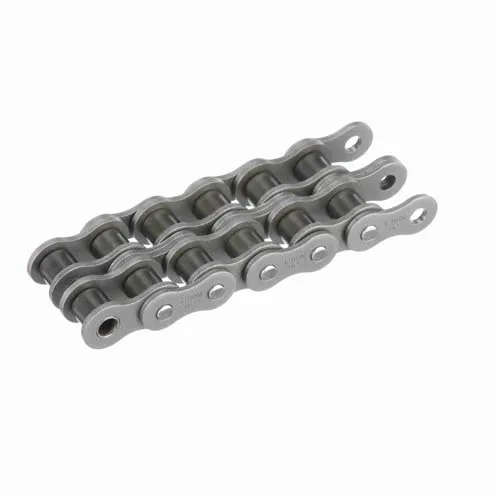
What safety precautions should be followed when working with conveyor chains?
Working with conveyor chains involves potential hazards, and it is essential to follow proper safety precautions to ensure the well-being of workers and prevent accidents. Here are some important safety measures to consider:
- Proper Training: Ensure that workers operating or maintaining conveyor chains receive proper training on safe practices, including chain handling, maintenance procedures, and emergency protocols.
- Personal Protective Equipment (PPE): Workers should wear appropriate PPE, such as safety glasses, gloves, and steel-toed shoes, to protect themselves from potential hazards, including flying debris, pinch points, or entanglement.
- Lockout/Tagout: Before performing any maintenance or repair tasks on conveyor chains, follow lockout/tagout procedures to isolate and de-energize the equipment to prevent accidental startup or release of stored energy.
- Guarding: Ensure that conveyor chains are adequately guarded to prevent access to moving parts, such as pinch points and rotating sprockets. Guards should be securely in place and not interfere with the chain’s operation.
- Housekeeping: Keep the work area clean and free of debris, tools, or other objects that could cause tripping hazards or interfere with the operation of the conveyor chain.
- Regular Inspections: Regularly inspect the conveyor chains for any signs of wear, damage, or misalignment. Address any issues promptly to prevent potential safety hazards.
- Safe Loading and Unloading: When loading or unloading materials onto the conveyor, follow safe lifting techniques and ensure the load is evenly distributed to prevent overloading or imbalance.
- Emergency Stop Devices: Install and clearly mark emergency stop devices along the conveyor system to enable immediate shutdown in case of an emergency or hazardous situation.
- Clear Communication: Establish clear communication protocols, including signals or signs, to ensure effective communication between workers operating different sections of the conveyor system.
These safety precautions are general guidelines, and it’s important to consult and adhere to specific safety regulations and guidelines provided by the equipment manufacturer and relevant safety authorities. Regular safety training, awareness, and a proactive safety culture are crucial in maintaining a safe working environment when working with conveyor chains.


editor by CX 2023-11-01