توضیحات محصول
غلتکهای CZPT چرخش روی بوش را افزایش میدهند و در عین حال بارهای ضربهای روی دندانه چرخدنده را در حین کار کاهش میدهند.
All components are heat treated to achieve maximum strength. All components are heat treated to achieve maximum strength.
در طول فرآیند تولید از قبل بارگذاری شده تا ازدیاد طول اولیه به حداقل برسد.
روانکاری غوطهوری گرم، روانکاری 100% تمام اجزای زنجیره را تضمین میکند تا عمر سایش را افزایش داده و هزینههای نگهداری را کاهش دهد.
| ایزو خیر. |
موسسه استاندارد و تحقیقات صنعتی آمریکا (ANSI) خیر. |
زمین | غلتک LINK عرض |
غلتک دیا |
پین | بشقاب | MIN. TENSILE قدرت |
AVG. TENSILE قدرت |
MAX. ALLOWABLE LOAD |
Pt | |||
| پ | W | دی | d | ال سی | ل | تی | ح | ||||||
| میلیمتر | میلیمتر | میلیمتر | میلیمتر | میلیمتر | میلیمتر | میلیمتر | میلیمتر | kgf | kgf | kgf | میلیمتر | ||
| 08AH | 40H | 12.700 | 7.850 | 7.850 | 3.980 | 19.000 | 20.100 | 12.00 | 2.00 | 1,700 | 2,100 | 400 | NIL |
| 10AH | 50H | 15.875 | 9.400 | 9.400 | 5.090 | 21.800 | 23.700 | 15.00 | 2.40 | 2,670 | 3,300 | 670 | NIL |
| 12AH | 60H | 19.050 | 12.580 | 12.580 | 5.960 | 30.200 | 34.800 | 18.00 | 3.20 | 3,830 | 4,550 | 980 | NIL |
| 16AH | 80H | 25.400 | 15.750 | 15.750 | 7.940 | 37.400 | 42.800 | 24.10 | 4.00 | 8,000 | 9,400 | 1,700 | NIL |
| 20AH | 100H | 31.750 | 18.900 | 18.900 | 9.540 | 44.500 | 50.600 | 30.10 | 4.80 | 10,650 | 13,700 | 2,500 | NIL |
| 24AH | 120H | 38.100 | 25.230 | 25.230 | 11.110 | 55.000 | 61.600 | 36.20 | 5.60 | 15,320 | 19,000 | 3,350 | NIL |
| 28AH | 140H | 44.450 | 25.230 | 25.230 | 12.710 | 59.000 | 66.400 | 42.20 | 6.40 | 20,850 | 23,000 | 4,400 | NIL |
| 32AH | 160H | 50.800 | 31.550 | 31.550 | 14.290 | 69.400 | 77.300 | 48.20 | 7.10 | 27,240 | 31,000 | 5,750 | NIL |
| 36AH | 180H | 57.150 | 35.490 | 35.490 | 17.460 | 77.300 | 86.400 | 54.30 | 7.90 | 30,040 | 34,500 | 6,600 | NIL |
| 40AH | 200H | 63.500 | 37.850 | 37.850 | 19.850 | 87.100 | 97.300 | 60.30 | 9.50 | 42,550 | 59,000 | 7,750 | NIL |
| 48AH | 240H | 76.200 | 47.350 | 47.350 | 23.810 | 111.400 | 121.900 | 72.40 | 12.70 | 63,730 | 71,000 | 10,500 | NIL |
| 12AH-2 | 60H-2 | 19.050 | 12.580 | 12.580 | 5.960 | 56.300 | 60.900 | 18.00 | 3.20 | 7,660 | 9,300 | 1,650 | 26.11 |
| 16AH-2 | 80H-2 | 25.400 | 16.760 | 15.750 | 7.940 | 70.000 | 75.400 | 24.10 | 4.00 | 16,000 | 18,800 | 2,800 | 32.59 |
| 20AH-2 | 100H-2 | 31.750 | 18.900 | 18.900 | 9.540 | 83.600 | 89.700 | 30.10 | 4.80 | 21,300 | 27,400 | 4,250 | 39.09 |
| 24AH-2 | 120H-2 | 38.100 | 25.230 | 25.230 | 11.110 | 103.900 | 110.500 | 36.20 | 5.60 | 30,640 | 38,000 | 5,650 | 48.87 |
| 28AH-2 | 140H-2 | 44.450 | 25.230 | 25.230 | 12.710 | 111.200 | 118.600 | 42.20 | 6.40 | 41,700 | 45,000 | 7,400 | 52.20 |
| 32AH-2 | 160H-2 | 50.800 | 31.550 | 31.550 | 14.290 | 131.300 | 139.200 | 48.20 | 7.10 | 54,480 | 62,000 | 9,600 | 61.90 |
| 36AH-2 | 180H-2 | 57.150 | 35.490 | 35.490 | 14.760 | 146.500 | 155.600 | 54.30 | 7.90 | 60,080 | 69,000 | 11,000 | 69.16 |
| 40AH-2 | 200H-2 | 53.500 | 37.850 | 37.850 | 19.860 | 165.400 | 175.600 | 60.30 | 9.50 | 85,100 | 98,000 | 12,850 | 78.31 |
| 48AH-2 | 240H-2 | 76.200 | 47.350 | 47.350 | 23.810 | 212.600 | 223.100 | 72.40 | 12.70 | 127,460 | 142,000 | 17,700 | 101.22 |
| طریقه استفاده: | Transmission Chain, Conveyor Chain, Heavy Type Short Pitch Roller Chain |
|---|---|
| مواد: | آلیاژ/فولاد کربنی |
| درمان سطحی: | پولیش کاری |
| ویژگی: | مقاوم در برابر حرارت |
| اندازه زنجیر: | 1/2"*3" |
| ساختار: | زنجیر غلتکی |
| نمونهها: |
US$ 10/متر
1 متر (حداقل سفارش) | |
|---|
| سفارشی سازی: |
موجود است
| درخواست سفارشی |
|---|

چه نکاتی را باید در انتخاب زنجیر نقاله مقاوم در برابر خوردگی در نظر گرفت؟
When selecting a corrosion-resistant conveyor chain, several considerations should be taken into account to ensure optimal performance and longevity in corrosive environments. Here are the key factors to consider:
– Material Selection:
Choose a conveyor chain material that is resistant to the specific corrosive agents present in the environment. Stainless steel, plastic, and special coatings such as zinc or nickel plating are commonly used for their corrosion resistance properties.
– Corrosion Resistance Ratings:
Review the corrosion resistance ratings of different chain materials and coatings. Look for industry standards such as ASTM or ISO ratings that indicate the material’s resistance to specific corrosive substances or environmental conditions.
– Environmental Factors:
Consider the specific environmental factors that contribute to corrosion, such as humidity, temperature, presence of chemicals or solvents, and exposure to saltwater or acids. Evaluate how these factors may impact the chain’s corrosion resistance requirements.
– Coating or Surface Treatment:
If using a metal chain, consider applying additional coatings or surface treatments to enhance its corrosion resistance. Options may include electroplating, powder coating, or using specialized anti-corrosion coatings.
– Compatibility with Cleaning Methods:
Ensure that the selected chain material is compatible with the cleaning methods and chemicals used in the application. Some corrosive-resistant materials may require specific cleaning procedures to maintain their performance and longevity.
– Operational Considerations:
Take into account the load capacity, speed, and operational requirements of the conveyor system. Ensure that the corrosion-resistant chain can withstand the mechanical stresses and operational demands without compromising its corrosion resistance properties.
– Cost-Effectiveness:
Weigh the initial cost and long-term benefits of using a corrosion-resistant conveyor chain. While corrosion-resistant materials may have a higher upfront cost, they can significantly reduce maintenance, replacement, and downtime costs associated with corrosion-related failures.
By considering these factors, you can select a corrosion-resistant conveyor chain that is well-suited for the specific corrosive environment, ensuring reliable and durable performance in applications such as chemical processing, food production, wastewater treatment, or outdoor environments.
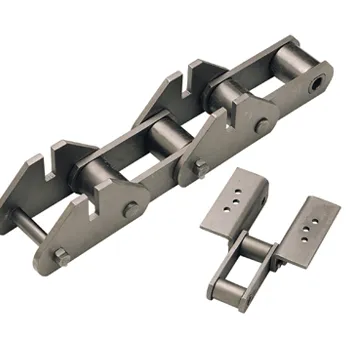
چگونه یک زنجیر نقاله بر جریان مواد در خط تولید تأثیر میگذارد؟
یک زنجیر نقاله نقش حیاتی در تسهیل جریان روان و کارآمد مواد در خط تولید ایفا میکند. در اینجا روشهای کلیدی که یک زنجیر نقاله بر جریان مواد تأثیر میگذارد، آورده شده است:
۱. حرکت پیوسته: یک زنجیر نقاله امکان حرکت پیوسته مواد را در امتداد خط تولید فراهم میکند. این زنجیر با نگه داشتن و حمل ایمن مواد، جریانی ثابت و بدون وقفه یا تأخیر را تضمین میکند.
۲. کنترل سرعت: سرعت حرکت زنجیر نقاله را میتوان تنظیم کرد تا با نرخ تولید مورد نظر مطابقت داشته باشد. این امر امکان کنترل دقیق جریان مواد را فراهم میکند و تضمین میکند که با فرآیندهای پاییندستی همسو باشد و از ایجاد گلوگاه یا اضافه بار جلوگیری شود.
۳. جهتگیری و موقعیتیابی: زنجیرهای نقاله را میتوان با اتصالات یا وسایل خاصی طراحی کرد تا مواد را به شیوهای مطلوب جهتدهی و موقعیتیابی کنند. این امر تضمین میکند که مواد به درستی برای پردازش، مونتاژ یا بستهبندی ارائه میشوند و جریان کلی تولید را بهینه میکنند.
۴. مرتبسازی و واگرا کردن: در برخی کاربردها، زنجیرهای نقاله میتوانند به مکانیسمهایی برای مرتبسازی یا واگرا کردن مواد بر اساس معیارهای از پیش تعیینشده مجهز شوند. این امر امکان مسیریابی کارآمد محصولات یا اجزای مختلف را به مقاصد مربوطه فراهم میکند و جریان مواد را ساده میسازد.
۵. انباشت و بافرینگ: زنجیرهای نقاله میتوانند مناطق انباشت یا مناطق بافرینگ را در خود جای دهند که در آنها مواد میتوانند به طور موقت متوقف یا انباشته شوند. این ویژگی زمانی مفید است که فرآیندهای پاییندستی دچار اختلالات موقت میشوند یا زمانی که نیاز به تعادل جریان بین مراحل مختلف تولید وجود دارد.
۶. ادغام با تجهیزات: زنجیرههای نقاله میتوانند با سایر تجهیزات یا ماشینآلات در خط تولید، مانند بازوهای رباتیک، سیستمهای بستهبندی خودکار یا ایستگاههای بازرسی، ادغام شوند. این ادغام یکپارچه، امکان جابجایی هماهنگ مواد را فراهم میکند و جریان و کارایی کل فرآیند تولید را بهینه میسازد.
۷. سفارشیسازی برای نیازهای خاص: زنجیرهای نقاله را میتوان برای برآورده کردن نیازهای خاص جابجایی مواد سفارشیسازی کرد. این شامل ملاحظاتی مانند عرض، طول، تنظیم ارتفاع، شیب یا شیبخوردگی زنجیر و اتصالات یا راهنماهای تخصصی میشود. چنین سفارشیسازی تضمین میکند که جریان مواد متناسب با نیازهای منحصر به فرد خط تولید تنظیم شود.
با ارائه روشی قابل اعتماد و کنترلشده برای حمل مواد، یک زنجیر نقاله به طور قابل توجهی بر جریان مواد در خط تولید تأثیر میگذارد. این امر باعث افزایش بهرهوری، کاهش جابجایی دستی، به حداقل رساندن خطر خطا یا آسیب و در نهایت کمک به کارایی و موفقیت کلی فرآیند تولید میشود.
How does a conveyor chain compare to other types of conveyor systems?
Conveyor chains are one of the common types of conveyor systems used in various industries. They offer specific advantages and characteristics that differentiate them from other types of conveyor systems.
1. Versatility: Conveyor chains are highly versatile and can be used for a wide range of applications, including horizontal, inclined, and vertical conveying. They can handle various types of materials, from bulk solids to individual items.
2. High Load Capacity: Conveyor chains are known for their high load-carrying capacity. They are designed to handle heavy loads and can be used in applications where other conveyor systems may not be suitable.
3. Durability: Conveyor chains are built to withstand harsh operating conditions and heavy-duty use. They are made from strong and durable materials, such as steel or alloy, that can withstand abrasion, impact, and wear.
4. Flexibility: Conveyor chains offer flexibility in terms of layout and design. They can be configured to accommodate complex conveyor paths, curves, and multiple discharge points, allowing for efficient material flow and system customization.
5. Cost-Effective: Conveyor chains often provide a cost-effective solution for material handling compared to other conveyor systems. They have a relatively low initial cost, require less maintenance, and have a longer service life.
However, it’s important to note that conveyor chains may not be suitable for every application. Other types of conveyor systems, such as belt conveyors, screw conveyors, or pneumatic conveyors, may offer specific advantages depending on the application requirements, material characteristics, or environmental factors.
Ultimately, the selection of the appropriate conveyor system depends on factors such as load capacity, material properties, layout constraints, cost considerations, and specific application needs.


editor by CX 2023-07-21