
توضیحات محصول
characteristic :
1. This type of product is not limited by cutting types;
2. High conveying efficiency and wide selection range of conveying speed;
3. Work smoothly and noiselessly.
Performance and use ZDLB series chain plate chip removing device is a machine tool auxiliary equipment that collects and transports the black and non-ferrous metal chips cut in the machining process to the chip collecting box. It is widely used in the transportation of chips such as CNC machine tools, modular machine tool production lines, machining centers, specialized machine tools, and other non-chips. It can also be used as a transportation device for stamping, cold pier machine tools, small parts, and waste materials. The conveying chain of this device is divided into several types: Type a: the pitch is 31.75mm, and the ultimate tensile load of single row is 21.80KN, which is mainly used for small mainframe and short-distance transportation; Type b: the pitch is 50.8mm, and the ultimate tensile load of a single row is 55.6KN It is mainly used for long-distance transportation on large and medium-sized mainframes and production lines; Type C: the pitch is 63.5mm, and the ultimate tensile load of a single row is 86.7KN, which is mainly used for long-distance transportation of large-scale long-volume chips; Type D: the pitch is 101.6 mm, and the ultimate tensile load of a single row is 226.8 kN. It is mainly used for long-distance transportation of large-scale long-roll chips.
| Main technical parameters (unit: mm) | (:mm) | |||||||||||||||||||||||||||||||||||||||||||||||||||||||||||||||||||||||||||||||||||||
|
||||||||||||||||||||||||||||||||||||||||||||||||||||||||||||||||||||||||||||||||||||||
Product details
Product model display
Our designers will make drawings suitable for you according to your requirements, please rest assured to place your order
We are a manufacturer specializing in the production of machinery and equipment for 18 years, is a joint venture between China and Germany, all the company’s products have passed the IS90001 quality certification system certification, with 1 AMADA bending machine, 1 TAILIFT fast bending machine, 2 TAILIFT shearing machine, 1 German fast cutting machine, 1 Haitian injection molding machine, and other equipment more than 30 sets, Specializing in the production of various machinery and equipment, to become a large supplier at home and abroad. At your service /* January 22, 2571 19:08:37 */!function(){function s(e,r){var a,o={};try{e&&e.split(“,”).forEach(function(e,t){e&&(a=e.match(/(.*?):(.*)$/))&&1
| خدمات پس از فروش: | Online |
|---|---|
| گارانتی: | 1 Year, Online |
| ساختار: | Chip Conveyor, Chain Conveyor |
| سفارشی سازی: |
موجود است
| درخواست سفارشی |
|---|
.shipping-cost-tm .tm-status-off{background: none;padding:0;color: #1470cc}
|
هزینه ارسال:
هزینه حمل و نقل تخمینی برای هر واحد |
about shipping cost and estimated delivery time. |
|---|
| Payment Method: |
|
|---|---|
|
Initial Payment Full Payment |
| Currency: | US$ |
|---|
| Return&refunds: | You can apply for a refund up to 30 days after receipt of the products. |
|---|
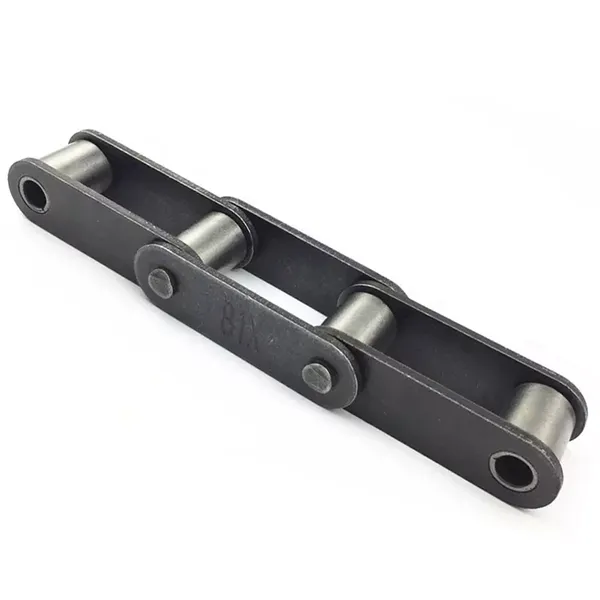
How does a conveyor chain handle accumulation and indexing applications?
In conveyor systems, accumulation and indexing refer to specific methods of controlling the movement and positioning of items along the conveyor line. A conveyor chain can effectively handle these applications through the use of specialized components and control mechanisms. Here’s a detailed explanation:
Accumulation:
– Accumulation refers to the process of temporarily storing or buffering items on the conveyor to control the flow of materials. Conveyor chains designed for accumulation applications typically incorporate features such as low-friction chain guides, accumulating zones, and sensors.
– In an accumulation conveyor chain system, the chain is divided into discrete zones where items can accumulate. As products enter a zone, the chain slows down or stops, allowing items to accumulate without colliding with each other. Sensors or photoelectric cells detect the presence of items in each zone and provide signals to control the chain movement.
– The accumulation zones in the conveyor chain system can be controlled in different ways, such as through the use of motorized rollers, pneumatic devices, or electronic sensors. This ensures a controlled and synchronized flow of items along the conveyor line.
Indexing:
– Indexing refers to the precise positioning of items at specific intervals along the conveyor line. This is commonly used in applications where accurate positioning or sequencing is required, such as assembly or packaging processes.
– Conveyor chains designed for indexing applications incorporate specialized index pins, stops, or precision indexing drives. These components work together to accurately position items at predetermined locations along the conveyor.
– The indexing mechanism of a conveyor chain system can be driven by mechanical cams, servo motors, or programmable logic controllers (PLCs). The indexing motion can be synchronized with other processes or machines downstream to ensure precise assembly or packaging operations.
– By combining accumulation and indexing capabilities, a conveyor chain system can handle a wide range of applications, including sorting, buffering, sequencing, and automated assembly. It provides control over the flow and positioning of items, allowing for efficient material handling and optimized production processes.

آیا میتوان از زنجیر نقاله برای کاربردهای سنگین استفاده کرد؟
بله، میتوان از زنجیر نقاله برای کاربردهای سنگین استفاده کرد. زنجیرهای نقاله به طور خاص برای جابجایی بارهای سنگین و ارائه حمل و نقل مطمئن در محیطهای صنعتی طراحی شدهاند.
در اینجا به عواملی اشاره میکنیم که زنجیرهای نقاله را برای کاربردهای سنگین مناسب میکنند:
۱. ساختار مستحکم: زنجیرهای نوار نقاله معمولاً از مواد با استحکام بالا مانند فولاد آلیاژی، فولاد ضد زنگ یا فولاد کربنی سخت ساخته میشوند. این مواد دوام بسیار خوبی دارند و میتوانند بارهای سنگین و شرایط عملیاتی سختی را که معمولاً در کاربردهای سنگین یافت میشود، تحمل کنند.
۲. ظرفیت حمل بار بالا: زنجیرهای نقاله برای جابجایی بارهای قابل توجه، از جمله محصولات سنگین، مواد فله یا قطعات بزرگ طراحی شدهاند. این زنجیرها با گام، ابعاد اتصال و استحکام مناسب مهندسی شدهاند تا حمل و نقل مطمئن اقلام سنگین را تضمین کنند.
۳. مقاومت در برابر خستگی: زنجیرهای نوار نقاله برای مقاومت در برابر تنش و خستگی مکرر ناشی از کار مداوم تحت بارهای سنگین ساخته شدهاند. آنها تحت عملیات حرارتی خاص و فرآیندهای سخت کاری سطحی قرار میگیرند تا مقاومت آنها در برابر سایش، خستگی و تغییر شکل افزایش یابد.
۴. گزینههای سفارشیسازی: زنجیرهای نقاله را میتوان برای برآورده کردن نیازهای خاص کاربردهای سنگین سفارشیسازی کرد. این شامل انتخاب نوع زنجیر، گام، طراحی اتصال و پوشش سطح مناسب برای بهبود عملکرد و طول عمر میشود.
۵. سازگاری با تجهیزات سنگین: زنجیرهای نوار نقاله به گونهای طراحی شدهاند که به طور یکپارچه با سیستمهای نوار نقاله سنگین، از جمله موتورهای بزرگ، درایوها و سازههای پشتیبانی، ادغام شوند. این امر انتقال قدرت مناسب و عملکرد روان را حتی در محیطهای دشوار تضمین میکند.
۶. ویژگیهای ایمنی: زنجیرهای نقاله برای کاربردهای سنگین اغلب دارای ویژگیهای ایمنی مانند محافظت در برابر اضافه بار، توقفهای اضطراری و سیستمهای نظارتی هستند تا ایمنی اپراتورها را تضمین کرده و از آسیب به تجهیزات جلوگیری کنند.
مشورت با یک مهندس یا سازنده نوار نقاله واجد شرایط برای انتخاب زنجیر نوار نقاله و اجزای سیستم مناسب برای کاربرد خاص و سنگین، بسیار مهم است. آنها میتوانند در مورد انتخاب زنجیر، طراحی سیستم و شیوههای نگهداری، راهنماییهایی ارائه دهند تا عملکرد و قابلیت اطمینان بهینه تضمین شود.
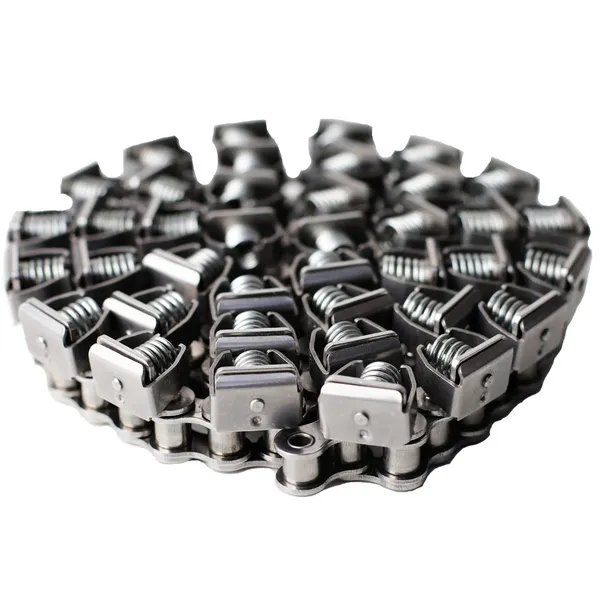
What is a conveyor chain and how does it work?
A conveyor chain is a type of mechanical chain specifically designed for use in conveyor systems. It is composed of a series of interconnected links that form a continuous chain loop. The links are typically made of metal and are joined together through pins or other connecting elements.
Conveyor chains work by transferring power and motion from the driving mechanism, such as a motor or sprocket, to the conveyor system to move materials or products along a predetermined path. The chain is placed on a track or guide rails, and as it moves, it carries the load placed on it.
The operation of a conveyor chain involves the following steps:
- Power transmission:
The driving mechanism transfers rotational power to the conveyor chain, typically through a motor and sprockets. The motor provides the necessary torque to drive the chain.
- Traction and motion:
As the driving mechanism rotates the sprockets, the teeth of the sprockets engage with the links of the conveyor chain. This interaction creates traction, causing the chain to move along the desired path.
- Load carrying:
The load to be transported is placed on the conveyor chain. The load can be in the form of products, materials, or other items. As the chain moves, it carries the load along the conveyor system, allowing for efficient transportation or handling.
- Support and guidance:
The conveyor chain is supported and guided by various components, such as guide rails, rollers, or wear strips. These components ensure the proper alignment and smooth movement of the chain along the conveyor system.
Conveyor chains are commonly used in industries such as manufacturing, logistics, packaging, and material handling. They offer a reliable and efficient method for moving products or materials in a controlled and automated manner.


editor by CX 2024-03-26